How things
actually get made.
Design, engineering, life, and the messy middle. Sixteen years in the field, written down as it happens.





































































SERIES · 8/8 COMPLETE
The complete industrial designer
Eight-part field guide for the full industrial design process.
NOTE
Weekly reminder
Land your learnings somewhere. If you just consume content (reading a book counts too), you're filling your brain with too much that'll go stale. If you read fiction, tell a story to someone. If you read non-fiction, keep a project running in your head to land the learnings. Input / output
Track your energy, not time, to block your calendar. If your energy is high, create. If it's not, do meetings. If your energy dips, do administrative chores. And if you're feeling emotional, call friends & family or block time to do whatever you actually feel like. Track energy, not time
Have one mentor, not more. Seeking or getting tons of 'gyaan' or inputs or directions from a lot of folks requires time spent, which will feel like progress but will drain you. Following one person, even if you disagree, will help you progress for real, and the worst thing that can happen is that they teach you blind spots. You're talking to too many people
If you want to meditate but can't stick, write instead. I couldn't measure progress sitting cross-legged. I also have sciatica, so yeah. But I could measure writing for 15-20 minutes every day. Meditating by writing
Make your books dirty. Highlight lines, write your notes, note things to look up further, write in your words on flashcards, then mix and match the cards to find new ideas. 40 assorted notes on how I read
Study your successes harder than your failures. Failure tells you what to avoid, but success? Success tells you what actually works. 50+ things worth knowing
Take advice from someone who's two to three years ahead of you, not ten. A design head has forgotten what it 'feels' like to defect a piece of work to ten stakeholders. The right kind of help in your design career
Be present. The mind can be in twenty places, but the feet are in one. The room you're in is the only room. Eating is one activity, so just eat and focus on food and the people you're eating with. Keep your hand empty sometimes. Be where your fucking feet are
NOTE
Teach someone something today.
Teach someone something today. It could be as simple as sharing a note from a book you read today and your takeaway. It could also be just sharing why you're reading the book you are on right now.
It could be teaching your parents a feature on their phone, like I taught my dad how to use the on-screen AI assistant by long-pressing the bottom to understand what he's seeing. For me, it was nothing, but for my dad it was magical!
If you're in society groups, large work or team groups, answer or respond to chats properly and in detail.
Doing this shows you which parts you didn't truly understand or where you have gaps. Doing these also signals that you're interested and may make someone's day a little easier.
NOTE
#61: Bad power adapter by Daily Objects
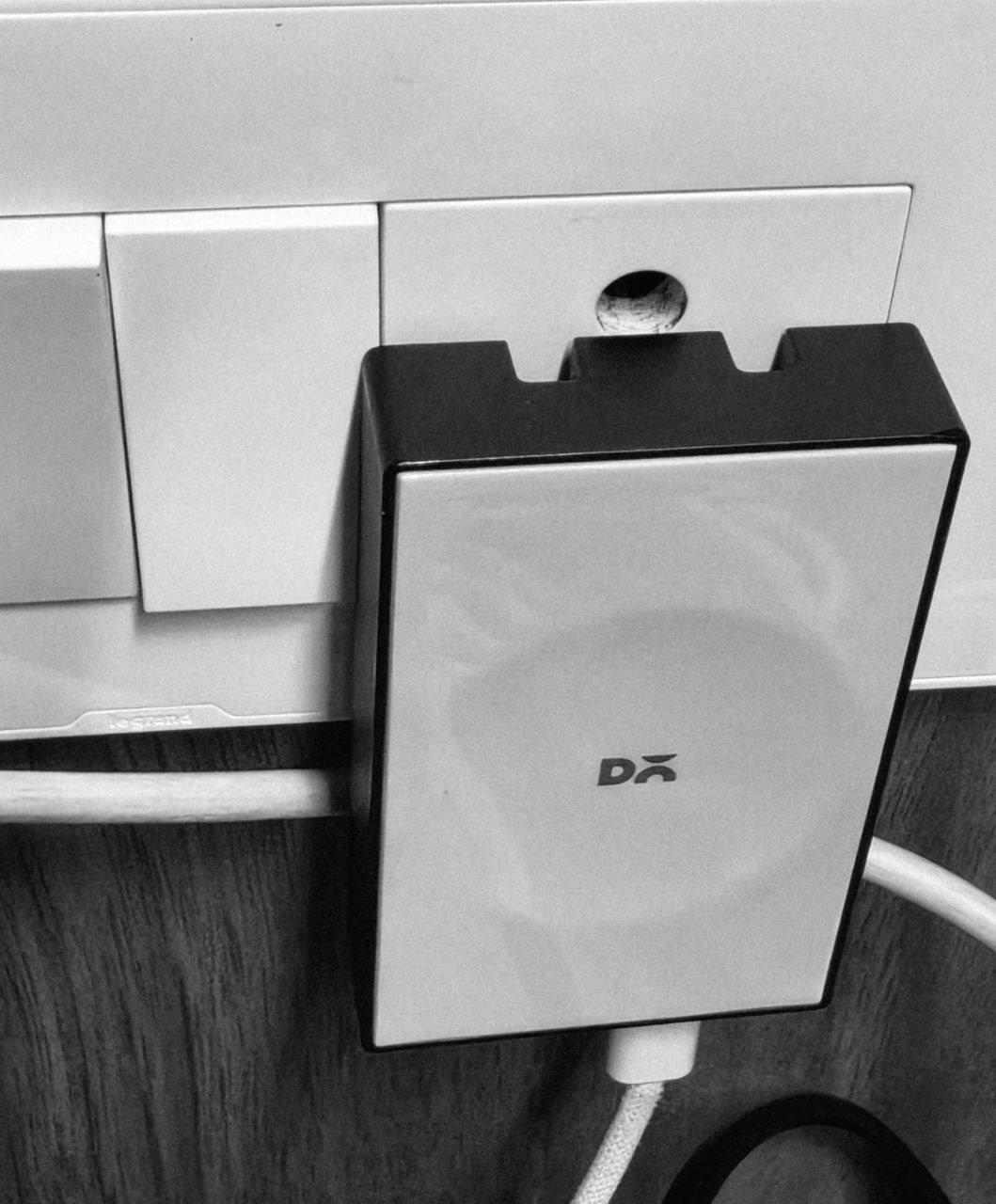
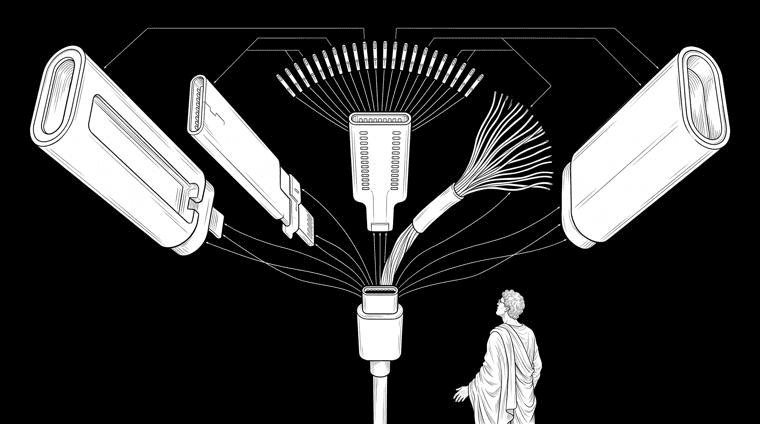
Found this to be a 'cool' one and bought it. It's slim, and at the time, it made sense for me to get it as a regular travel adapter since it has two USB-C ports to charge my devices.
I'll just tear it apart to make a simple point. It didn't need to be this broad.
It's too flat to grip properly. For a push-and-pull action on or away from the switchboard, you need grip. A flatter body doesn't help. Looks sleek but is horrible ergonomically.
The oversized body either covers or blocks the switch directly to its left or right, and you can't flip the switch without manoeuvring around the adapter to reach the right spot.
The size and ratio itself doesn't align with the standard modular switch plates and blocks that are commonly used in Indian households - Anchor, Legrand, GM and such. I tried in many; it doesn't fit well in any.
DO is attempting to do things differently, and I admire that about them. But this being such a hyper-utilitarian object is a clear missed opportunity.
NOTE
#60: Spend money here
Kept only the ones I need to do more actively.
Pay for this | Because it does this (direct effect) | Because it does this (second-order effect) |
High‑quality noise‑cancelling headphones | Removes distracting noise and creates silence | Lets you do deep work, think clearly, and produce higher‑quality output |
Personal trainer who comes to you | Creates external accountability; they show up even when you don’t want to | “Buys” the workout habit you wouldn’t stick to on willpower alone |
Courses in foundational skills (communication, negotiation, time mgmt) | Improves how you speak, negotiate, and use your time | Raises your lifetime earning power and opportunity set across any career |
Diversified investments instead of one big position | Reduces dependence on a single stock or asset | Protects you from catastrophic loss and keeps you in the game long enough to win |
BATNA fund (6–9 months’ expenses saved) | Lets you walk away from a bad job or deal | Gives real negotiation power and preserves your self‑respect and standards |
Tax accountant / financial planner | Helps structure money, taxes, and investments well | Prevents costly mistakes and quietly compounds your net worth over decades |
Lawyer / estate planning | Puts legal structure around your assets and inheritance | Provides security and clarity for the people you love after something goes wrong |
Insurance and planning for rare disasters | Pays out when low‑probability, high‑impact events hit (e.g., house fire) | Stops one disaster from resetting your finances to zero |
Music, art, or hobby courses | Deepens a craft you love | Makes your inner life richer in a way money alone can’t buy |
Experiences you truly care about (trips, shows, etc.) | Create vivid, shared moments | Become stories and memories that define what “a good life” felt like |
Time and money on your partner & kids | Funds dinners, walks, trips, shows together | Strengthens relationships, which strongly predict health and happiness in old age |
NOTE
#59: Art and design
Read this line from actor Kumud Mishra: "Art must challenge what we normalise."
I immediately remembered some thoughts I've been tinkering around with.
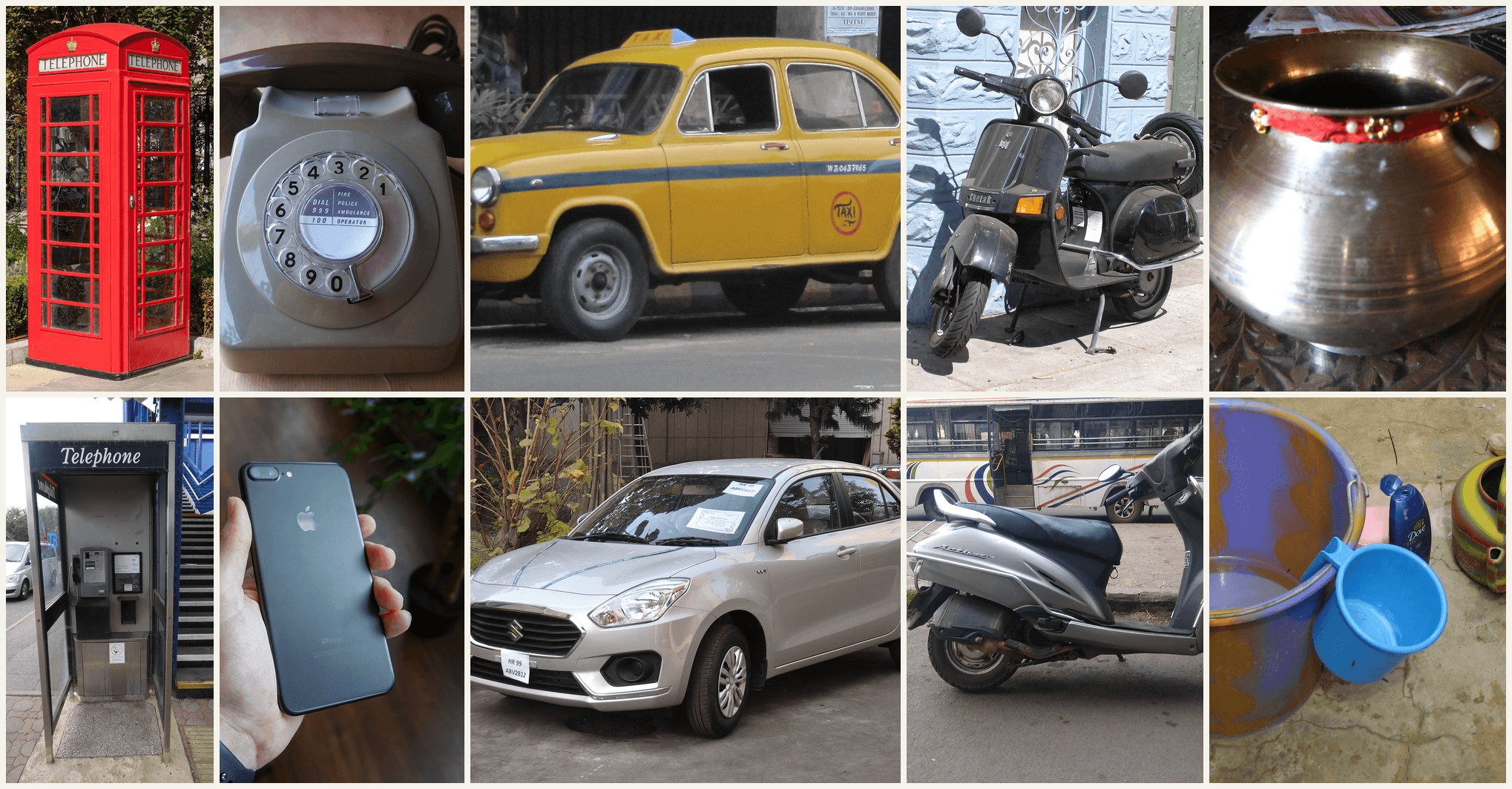
We remember art. Sometimes we remember design. We remember the K6 phone booth. We will always remember the Ambassador car, Bajaj Chetak, the rotary dial phone, Coca-Cola bottle, even Lucknow's Tunday Kebabi; the list goes on. All of these are iconic.
Today, you remove the logo, and you can't clearly differentiate one car from another, one slab phone from another, one scooter from another, one bucket from another, one brand's kitchen appliance from another.
You see, the ordinary choice needs no defence in a review. Everybody gets aligned, everybody loves it, and we go ahead with it. For digital, it's Mobbin or Dribbble where one takes screenshots of screenshots, and we implement what we like. Memorable and unique? No.
On the hardware side, every brand buys the same Shenzhen modules and most ready-made designs, and the only thing left to argue about in a review is the enclosure or casing. Even Saint Laurent, Balenciaga and Burberry changed their logos to serifs within years because they had to optimise for legibility in thumbnails.
As a result, everything looks the same.
Maybe it's time some of us, privileged to make bullish decisions in our roles, pushed this change. One small change at a time, maybe. Like keeping the design system, default industrial design language properties, but making one change that'd really need debates and arguments.
Maybe we take an individual stance for a choice we made in an object and defend it, stand by it, because a committee produces an average, and an average has no one person to defend it. Maybe we make that one change reversible, so when it actually doesn't work, we can revert. A room will approve things that can be undone.
NOTE
#58: KTMs and BMWs

I'd always seen it before, but this time it was on my face. I'm talking about the cheap aftermarket decals people put on BMWs. I think I spotted these mostly in Kolkata. But only after I saw a bunch of them in Kolkata did I realise BMWs could be the KTMs of the car world. I mean, both KTMs and BMWs are amazing machines, but they get a bad reputation from the kind of riders they attract (mostly).
I get that KTM would largely attract early-20s guys who are online, want to impress girls, express their loud, aggressive nature, do pointless revving at signals, and zig-zag through city traffic. That reads as crass, and unfortunately the brand will get tagged with that energy. Understandable.
But with modded BMWs, it becomes almost intolerable. The cars would have matte-finished decals with flames or horns, glowing underbody lights, fake ///M badges - all things that make a serious performance machine into a B-grade Fast & Furious wannabe car.
The entry ticket to both is relatively low. Both are aspirational categories of vehicles, as both are European. When the entry barrier to an aspirational, high-status brand lowers, it mostly attracts buyers who are very status-sensitive and will over-signal with decals, loud pipes, wraps, etc.
It could also be the brand personality. BMWs have aggressive (and I think ugly af) grilles, and strong DRLs. KTM's stock design language is sharp lines around bright orange, and borderline angry. If the product already looks aggressive, it would attract people who like aggression as an aesthetic and a personality trait, no?
For many young riders and drivers, KTMs and BMWs are the first serious performance machines. These two brands made performance affordable in a country with chaotic traffic and almost no traffic enforcement. Fun machines, with a crass, loud brand image.
NOTE
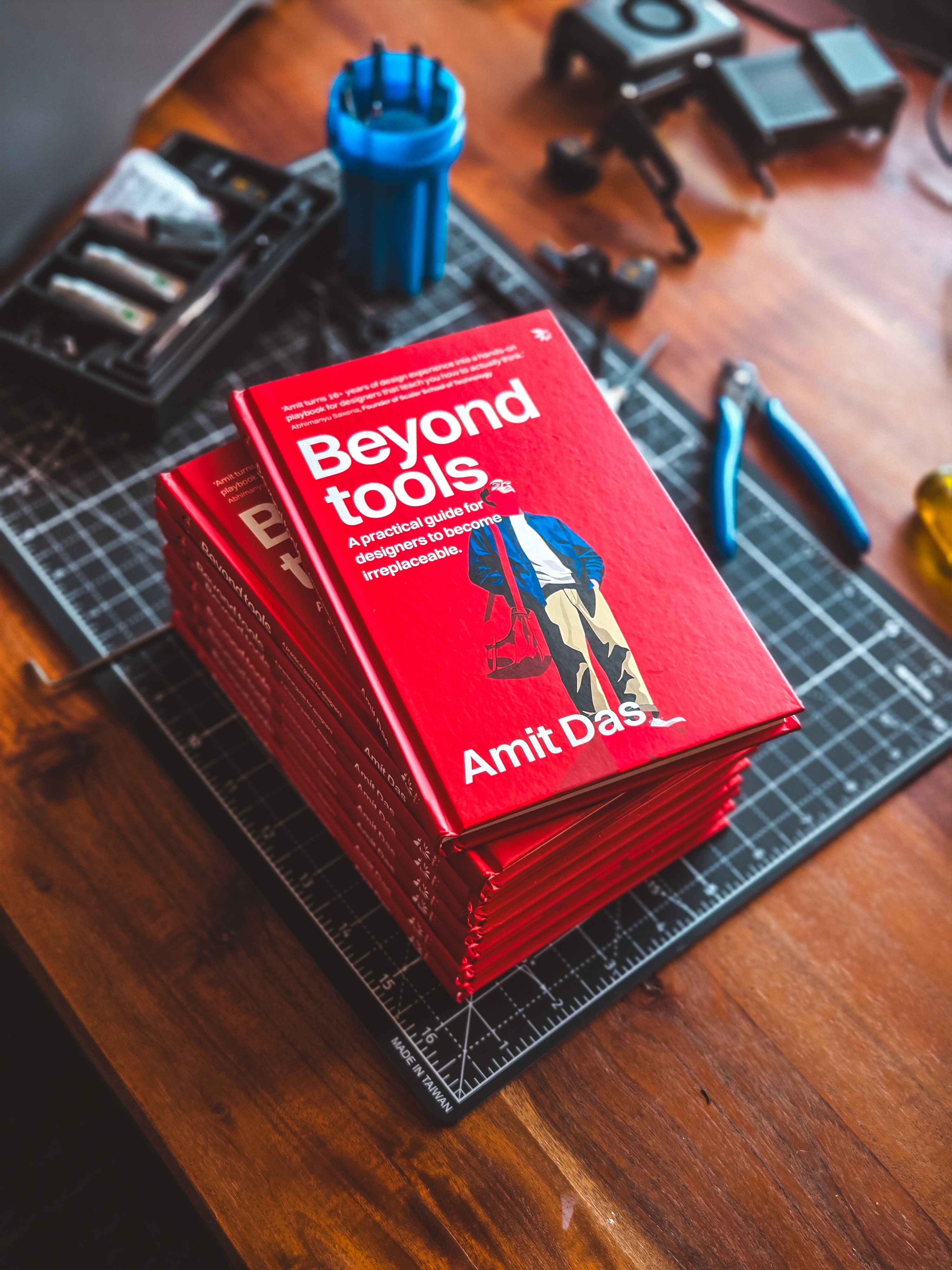
#57: My book Beyond Tools is out now!
I was frustrated with the quality of the candidates I was interviewing. The candidates were not entirely at fault. It was their exposure and what they learned from industry "mentors." They didn't know any better. So, in an attempt to do my part, I wrote a simple list of '88 tips for young product designers.' This was in 2022.
The post gained some popularity. Later that year, I transitioned into building hardware products. That's when I thought about expanding the tips with more reasoning and actionable exercises for designers to follow and practice. I've been writing the book ever since.
Initially, I expanded the book to cover different domains, including digital UI/UX designers, content writers, and a few more, but kept trimming as my thoughts matured.
In a way, I wanted to 'document' everything that I'd learned after interviewing, hiring, and working with many young designers over a decade in an easy-to-carry-everywhere format.
This is that book.
This book will hopefully teach you how to prepare your portfolio, prepare for memorable interviews, do work that helps you stand out, perform and grow at work, and build your career. Also, a bunch of things that you absolutely should not do, despite the industry telling you otherwise.
Beyond tools: A practical guide for designers to become irreplaceable. Buy it and leave a review if you love it. :)
NOTE
#56: Why all my blog headers are AI-generated
A while ago, someone from my team told me in the lift that the AI-generated header images of my blogs make him wonder if the writing is AI-generated too. He recommended that I use more 'real-looking' images.
Here's a quick story. I've been writing online since 2010. Since then, I never had a thing for putting header images. Putting images on the go was fine, but together, in a grid, they looked messy. In 2023, I had about two hundred blog posts, and I knew it was time to fix the header images because I didn't want my website to become a glorified Wikipedia of blog posts, aesthetically. But what style of header images? I didn't want it to look cookie-cutter either.
2023 matters because that's when we did a three-week trip to Europe, and the one artist I fell in love with was Alphonse Mucha. I picked up a bunch of his art in Prague. I think it was sometime in December 2023 when I was thinking about the header images, spotted the Mucha paintings, and an idea clicked! Why don't I modernise Mucha?
Midjourney was on the rise, and I spent a good number of sleepless nights getting the prompt right and generating the early ones you see through my blogs. That prompting journey was interesting to me because I kept the style the same - uniform line weight, black and white, modernised flourishes and decorative elements, medieval characters in a modern environment. The output quality I get now in seconds is what a junior-to-senior illustrator would have given me in the fourth or fifth iteration over weeks.
Now, on the inference, saying AI-header images implies AI-written content is like saying a novel with a stock photograph on the cover was written by a photographer. I don't care much about the inference, though, because people see the cover for less than a second, and only the content matters. If the header image settles the takeaway for the reader, the writing wasn't going to anyway.
Happy reading.
NOTE
#55: Like what nothing recommends to you
About two years ago, I got to spend about ten days with folks from my team in Pune. One of the things I remembered fondly from that trip is the deep Malvani and Maharashtrian thaali indulgences we had. Every night, for dinner, we'd find a spot from recommendations of a colleague's friend and eat our hearts out.
Living in Bangalore, I miss that food.
Earlier this year, Nandini mentioned about Suryawanshi. Her colleagues were raving about the place. One Sunday, not too long ago, we were in the Church Street area and I spotted one of their outlets. The following Sunday, I ordered in. They were good.
As I was bookmarking places for our upcoming Kolkata visit on Instagram, I saved the ones I had known since childhood and the ones I found on Instagram were about 20% of the places I plan to visit.
You see… the recommendation engine doesn't have an opinion. It'll surface what would make sense for a newbie. But it can't get the specific thing about how I like Lakkhan da'r aloo kabuli, or Shayamnagar bajarer jol porotha, or even Sodepur railway bridge er tolaye radhabollobi. They don't have an app or rating; just a long queue outside. Even Suryavanshi in Bangalore didn't come to me through an app recommendation but just word-of-mouth.
Food is just one example. Spend long enough time with the recommendation engine and you'll lose the muscle of liking something on your own. The small wrong steps of taste, the part where you reach for a thing you do not know why you reach for, had been bypassed. I had been delivered to a thing. I had not arrived at a thing. The arrival is what makes the thing yours.
Find things you like that the recommendation engine does not know you like. A particular way of cutting a mango. A particular street to walk on. The specific dimsum seller at the corner of 80ft. road.
It's possible that in 2028, "what do you like that the app does not know about" will be a real question on first dates. The people who can answer will be a smaller group than you think.
NOTE
#54: Who are you without AI?
In 2026, if all AI-models disappeared tomorrow, who would I be?
There is a version of you that exists with the model in your pocket, and a version that would exist without it, and the gap has gotten wide in the last two years, and you have not measured it, because you have not had a reason to.
A writer would probably say that they'd write less and would write their stuff slower. It'd also be worse for the first six months. And then, maybe, it would be better. They might not have the patience left to wait the six months.
The question is not academic. It is the year ahead in compressed form. Whatever the answer is, that is the work.
There's another version. If the AI-models disappeared tomorrow, would the people who admire me for work or the things I'm doing today to brag my problem solving skill or building skills still recognise me? If the answer is no, you have a year, maybe eighteen months, before they do not.
NOTE
#53: How to walk without your headphones
The little walk we get to do on a given week to the sabziwala or the walk from the metro, or a post-dinner routine in the nearest park doesn't happen in silence. There's the noise from traffic, cars honking, sometimes people talking, and a lot more from the distant chatter at a chai stall.
So we gave in to podcasts, calling a friend
Most of us, in 2026, no longer know how to walk somewhere without something in our ears. The walk to the sabziwala. The walk from the metro. The silence has become unbearable.
This week, before next Sunday, walk somewhere without your headphones in. Twenty minutes. Once.
The walk is not for thinking. The walk is for nothing. If you come back with nothing, the walk worked.
You will hate the first ten minutes. You will reach for the phone twice without realizing your hand is reaching. You will start composing a tweet about how strange it is to walk without headphones. Your mind, denied a podcast, will offer to be one.
Don't be a podcast.
Around minute eleven, something will shift. You will notice the horn of the auto. The bird. The woman selling jasmine outside the temple. The headphones were not just adding sound. They were subtracting the world.
A few of you will, on minute fourteen, have a thought you have been avoiding for months. I should leave the job. I do not love him anymore. It has been waiting for the headphones to come off. Don't reach for the phone. Let it sit next to you for the rest of the walk. The shape is the work.
By 2032, the people who walk without headphones will be obvious to each other. They will know the name of the man who sells the tomatoes.
Be one of them.
NOTE
#52: The most taboo thing in 2026
The most taboo thing a person can do in 2026 is have an experience and not tell anyone about it. Simple. This means that one would live an hour, a slow Sunday afternoon, have great coffee at home, take pictures with visiting parents, get on a long call with your dadi, and not let it become content. These lived moments do not need to become something except the actual thing it was. The lived moment doesn't need to be 'repurposed.'
I know a lot of people around me who already do this. And then a some who don't do this. Become the kind of person who can have something happen and not tell anyone.
NOTE
#51: Back to Kindle. Almost.
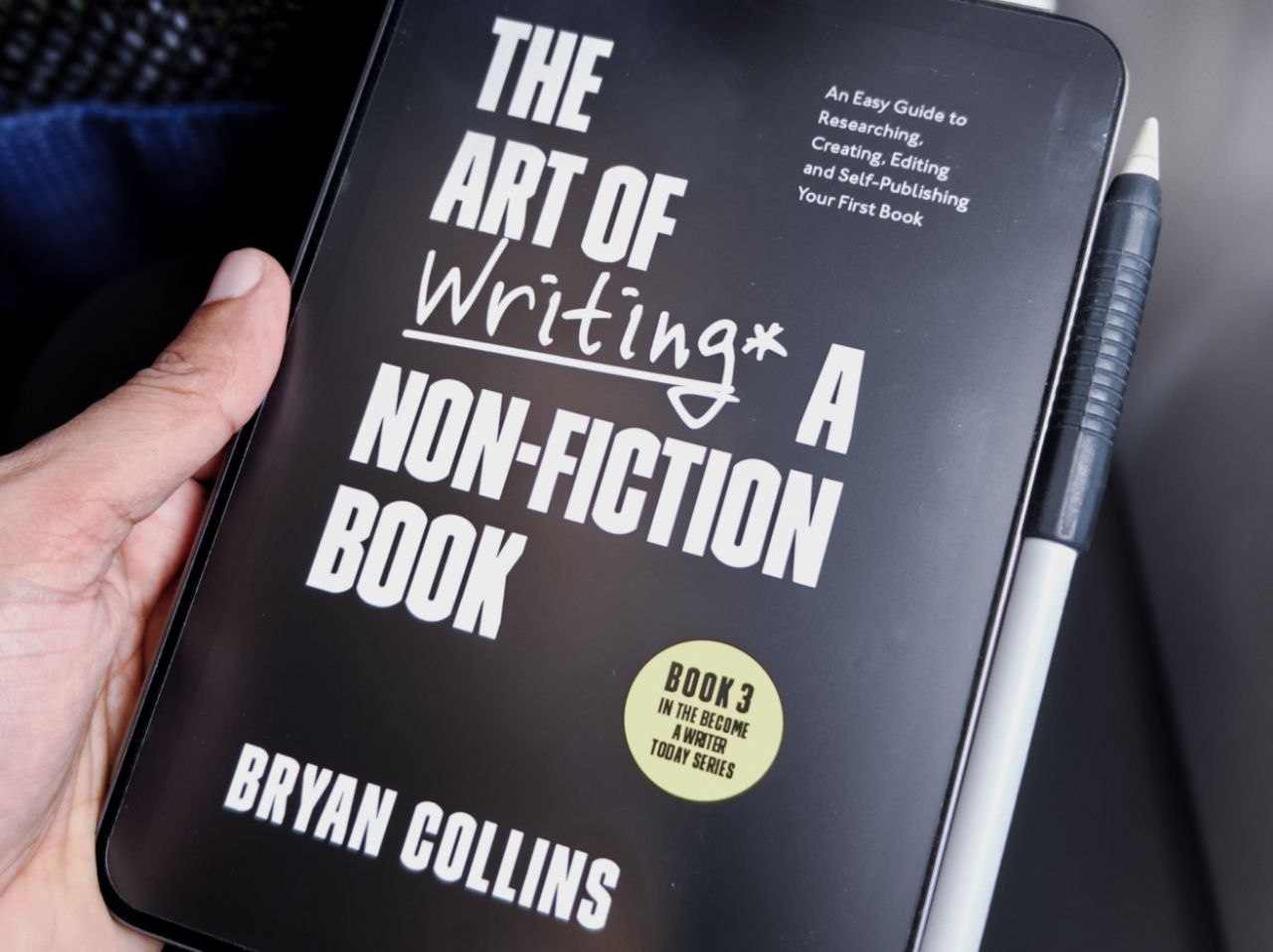
Somewhere over Rajasthan, I opened the Kindle app on my iPad mini and started reading a book I'd just bought. This is my second time leaving paper. I own over 800 physical books now. The shelves at home are full. Unfortunately, the floor stacks have become their own piece of furniture. It has its own beauty but it's borderline messy.
The arc of my reading journey, if you're interested is as follows. In February 2017, I gave up on paper and bought a Kindle Oasis. It was my first Kindle device and I got the Oasis instead of the Paperwhite because I wanted the light one with longer battery. I immediately fell hard for it. I also made a sensible rule — physical for illustrated or graphic books, digital for everything else. You know if you travel with a couple of books, they cross 3kg easily, which is the sort of fact you learn when you're the one carrying them and find yourself moving to the cabin bag at the check-in counter.
Five years in, 2022, I drifted back to pens, highlighters because… there's a specific satisfaction of dog-earing a page. I sold the Oasis and went full paper again. Bought more books than any single human should own in a country where we pay rent by the square foot.
During my last trip packing, I pulled four books off a shelf for a two-week trip, weighed the bag, put three back. I packed the thinnest one and finished it on day two.
Which is how I ended up here, at 35,000 feet, opening the Kindle app again.
No Kindle device this time. This time it's my favourite iPad mini with the pencil for notes. Goodnotes in split view occasionally. On the iPad with a matte screen guard, it feels like writing. Will apply the same rule as before — illustrated books stay physical, everything else goes digital. This time it's just a different device.
I hope this sticks.
NOTE
#50: Invest in design
A few weeks ago, at the airport lobby, I picked up the Fortune magazine (India edition) from the bookstore. The cover story was compelling - The star designer who's reimagining Samsung. Followed by another - The world's most admired companies.
This was around the time when I was reading and putting together my South Korea & Samsung blog post.
Samsung electronics has hired Mauro Porcini as Chief Design Officer who's previously led design at 3M and PepsiCo and started his career as a product designer at Philips. He recalls moments from 3M where he was pissed at the fact that his designs were beautiful and functional but the packaging and overall retail and digital experiences were ugly. He pushed them to be done in the proper way which naturally pissed a lot of people there especially because doing this bit wasn't part of his job description.
He also put a simplistic approach to split responsibilities cleanly where designers come with human-centric approach, marketing with business, and R&D with technology on the table.
The article also covers the transformative story of Samsung all the way up to how they treat design today. For instance, Samsung executives assumed customers cared only about video and audio quality in televisions while the designers argued how TVs look is equally important since the TV spends more time off than on making it more like furniture than source of entertainment. Samsung's Frame TV was born as a result of that argument.
Porcini will now focus on making consumer devices from the ground-up given the ruling age of AI. He'll build towards devices that no longer need to adhere to the known form - the phone doesn't need to look like a smartphone at all. Today, it's important to bring more human into the equation since AI and robots will eventually become a commodity.
NOTE
#49: Blogging still. What's next?
Earlier this month, for a long 10-hour+ journey, I printed a 4,000-word essay (from Substack) to read on the flight. I just didn't want to read it on the screen (phone or tablet).
I've been doing this more lately. Now, I read physical books and trying to switch to ebooks between 2016-2019 on a Kindle didn't help. Something about the screen has started making me feel like I've read something but keeping a slow pace to absorb properly becomes ridiculously difficult. It makes me just want to keep scrolling. I don't have a clean explanation for it but I notice the difference.
I still write on the blog. That part isn't changing. It's where I figure out what I think before I know what I think. But I've started wondering whether a 2000-word post is the right delivery for ideas that are better shown than described. The person I want to reach in India in 2026 is probably more likely to watch than to read. I've been thinking of using AI more often to convert these into polished short YT reels so the blogs get more reach. Then the time required to polish them to achieve visuals as I want becomes a task. Maybe someday. I haven't started that and will probably figure out as the year progresses.
NOTE
#48: A working log
A few weeks ago, I split my social accounts into three spaces (for now). A private Instagram album. A public Instagram workshop, and something on LinkedIn that doesn't make me cringe. Honestly, I don't know how to use that platform beyond the occasional hiring posts.
I've had @one.more.colour on Instagram for years. I'd use it haphazardly by sharing (uploading) things when I remembered to while scrolling through the phone gallery. Nandini, my wife, keeps poking me, "your relationship with social media is complicated." Here's my new thing. It was obvious that phone cameras replaced the physical album so we kept on capturing everything and revisiting nothing. My phone is a graveyard of thousands of photos I don't look at. I want to undo some of that. I am turning it into something closer to what families used to do with physical albums before camera phones existed. They would print a selected set of photos, walk through different phases of life, revisit a beach vacation or a school year or a house move. The album was for themselves and a small circle.
I removed 2,200 followers from this account because I want it private. I kept only the people I am genuinely comfortable sharing my life with. My ideal future version of this is what I half-jokingly call a 'zero gallery.'
@godgeez is the public Instagram account. I share my work at Native here along with the stuff I find inspiring and some other things I keep creating. Like the private account, I've not treated it with attention. I hope to turn this account into a loosely linked set of set of themes across hardware, systems, design judgment, and building in the real world. The build journey of Native products and the trade-offs we make. A lot of "this failed, here is why" moments that I find myself thinking about for weeks afterward. I hope to make this is a better working log to share the journey with other builders.
NOTE
#47: The living room turned into a casino
I wrote my first blog on Blogspot. I think I was in standard 10th, 2004. Then Orkut through college, then Facebook, then the rest of it as the years went by.
Looking back, that early era felt like something. Everyone I knew (school friends, college friends, mutual friends, crushes) were in one place with their life updates, photos, and I was looking forward to opening the tab just to see what had happened. It was like a shared living room where you could drop in anytime and somebody would be there.
Two decades later, that feeling is completely gone.
I can't quite articulate what changed but I can feel it every time I open the apps now. It's tiring before I've even seen anything. Something shifted at some point and I missed it happening. And now I'm standing in what used to be the living room and it's turned into a casino.
I'm not going to throw my phone into a lake. I'm also not writing one of those posts about deleting all my accounts. What I'm doing is more boring: figuring out what I actually want from these platforms, and redesigning my presence around that instead of around whatever the algorithm prefers or what trend bandwagon the world has moved on to. I intend to redesign how I use these platforms from the inside, with some actual intention behind the decisions.
I split my online presence into three spaces. A private Instagram album. A public Instagram workshop. A hardware journal on LinkedIn. Each with a specific job and goal.
NOTE
#46: Hobbies & boredom
The moment we get bored, we reach for a screen. Ten seconds later, dopamine hits. A hundred swipes later, nothing. We mistake stimulation for satisfaction. There was a time when an empty evening meant sketching, tinkering, fixing, or just making something dumb because it felt good. Now, “free time” means doing what everyone else is doing: consuming.
Then came the “monetise everything” era. Can’t paint without someone asking if you sell prints. Can’t bake bread without being told to start a channel. The second money enters, curiosity leaves. We’ve forgotten how to do things that don’t scale.
A hobby feeds you back. You finish a session and feel different, you feel less tense and more alive. Most of what people call hobbies today are just distractions. Scrolling isn't a hobby. Shopping new shoes, coffee grinders, pens isn't a hobby if the excitement ends at unboxing and you're not creating anything. Even fitness streaks aren't a hobby if it's just for scoring health badges. It is if you're learning form, building strength and routing. Uploading photos daily, checking likes. If you're posting, writing, shooting, because you care about the work, then it's a hobby.
Hobbies are important. They give you competence and flow. They’re proof that your hands and brain can still cooperate without an app telling them what to do. When you’re learning to play an instrument, shape clay for pottery, or roast coffee right, your brain shuts up. You stop running background tabs in the mind. You stop checking who’s watching. That peace is what hobbies give you.
If you don't have one, cut the noise first. No phone. No Netflix. Sit with boredom long enough that you start itching to do something. Anything. You can learn guitar chords, knife skills in the kitchen, code a small utility tool, shoot and edit photos. You can explore the locality by walking with a camera, sketch in a museum, hike a new trail, or go somewhere new.
Remember, you were built to make, not just consume.
NOTE
#45: Hack your workspace
Last year when we visited Copenhagen to see architecture marvels of Bjarke Ingels (Nandini's favourite architect), I got a bit interested in unconventional yet supremely functional architecture. I came across Frank Gehry's work as well… especially his sketches.
After watching sketches of Frank Gehry, I realised how his workspace was like a playground. Full of materials, sketches, papers all around, models to mess with. It wasn't meant to make you sit behind a desk but rather made you feel like experimenting and test new ideas quickly.
IDEO, the design firm, encourages open spaces, movable whiteboards, and materials accessible all the time. IDEO’s offices had portable whiteboards on wheels, enabling teams to brainstorm anywhere. A movable workspace! How cool is that?
Yves Béhar from Fuseproject who designed for Yale, August, Coway, Tile, Jawbone and many more designed his studio to nurture innovation, much like Frank Gehry. His workspace is a mix of screens, physical models, and natural light!
For my personal workspace, I took a lot of inspiration from Stephen Wolfram's (creator of Mathematica, Wolfram Alpha and Wolfram language) productive desk setup. Here's some documentation on how we went about designing Urban Company's Bengaluru office.
Additionally, these books I referred to (mostly excerpts & videos):
I don't think of workspaces as just places for work — it’s where ideas are born.
NOTE
#44: Design solves. Art stays.
A chef's first job is to feed someone. The customer comes and eats the food served. Over time, the chef would keep practicing preparing dishes to recall a childhood memory perhaps. May be how a drumstick curry tasted on a rainy afternoon. The moment is so valuable that they'd want to share it with a guest and welcome them to join them on that rainy afternoon. That's self-expression of that chef. The moment the chef stops feeding and starts sharing is when design ends and art begins. That's where the best cooking lives too!
A designer building an appliance with a light‑glow feature to indicate a function might simply use an LED strip with a warm colour temperature to get the job done. But the designer may also want to express the feeling of warmth, homeliness, and safety they remember from being a child at home at 6 p.m. They want users to feel that same way when they buy the appliance for their own homes.
History remembers the Eames chair, the Braun T3, Leicas, the original Mac, and the list goes on. They are art pieces. Nobody remembers the 'ergonomic home office chair' that topped usability testing in the year XXXX. History is a great filter. It has always preserved objects that make you feel something and discarded the ones with only functions.
Design solves a problem. Art is self-expression. Art is what history will remember. It comes from living with enough texture of experiences that it eventually bleeds into the work you're doing. Live a life worth designing from.
NOTE
#43: You were trained to be derivative. Instead, imagine more.
When you start working on a piece that requires designing, it's only natural that we 'research.' It's not always the right decision. What most designers are educated in is research or benchmarking that trains you to arrive at what already exists. In other words, it's derivative work. They keep gravitating towards those methodologies. And derivative work is safe because it's defensible - you have all the data, after all! Original thinking will naturally feel risky because you'll be the only one holding it.
It's important that you hold a point of view. It's a muscle you build. It's like building grip strength with pull-ups.
I have many examples of this. To name a few, there's Teenage Engineering who make extremely opinionated products. Folks I know who own a TE product don't remember signing up for a TE user survey or having a preference for what kind of keyboard they'd have liked to own. Dyson's latest air purifier is a decor object. That design wouldn't have come from benchmarking other air purifiers. It's probably cross-domain imagination.
Learn to imagine. Ban yourself from looking anything up on Pinterest until after you've sketched 10 directions. See what you instinctively knew vs. what you borrowed. Design what the object could look like if its obvious assumption is no longer true - like one generation forward version. Question and learn the why and how of objects. Why this particular shade of grey? How one arrived at this particular shape of stapler or door handle?
Doing activities like these regularly will feel unnatural to folks who default to what's been taught to them. It'll feel incomplete, uncomfortable at first. That's the point. Train anyway. Build opinions and, more importantly, do the hard work required to build them.
Remember this. There are thousands of people who were trained in school to follow a certain set of things, just like you were. Yet, as a whole, we haven’t produced that many great products. There must be a pretty good reason for that.
NOTE
#42: Styling vs. designing
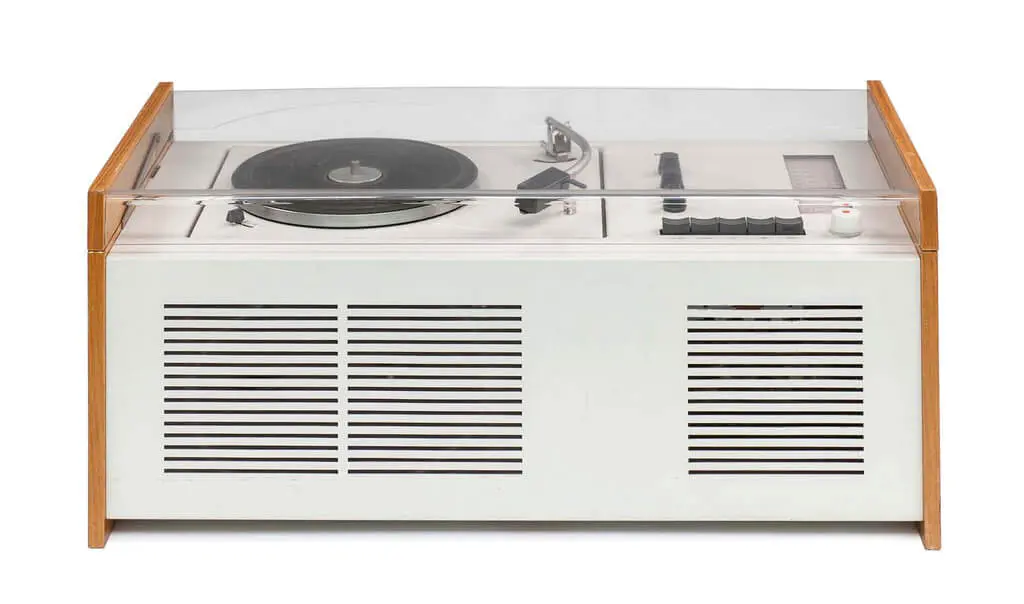
The Braun SK-4 phonograph from 1956 did something that sounds obvious now but was radical then: they stopped treating consumer electronics like furniture.
Stereo consoles at the time were heavy wooden cabinets that mimicked domestic furniture and happened to play music. Big gold buttons, orange-peel textured front panels with ornate housings. They were designed to look expensive and blend into traditional living rooms. Retro indeed.
Gugelot and Rams approached it differently. They saw it as a sound machine and designed it accordingly. They replaced the wooden housing with metal and plastic because wood muffled the sound. They restructured the whole unit along a horizontal axis based on technical function. They also stripped out the decorative elements entirely moving to neutral grey and white without luxury accessories.
The press called it "Snow White's coffin" because of the transparent plastic top. It looked nothing like what people expected a radio to be.
The industry then was trying to 'style' the product by dressing up existing technology to fit in homes. Rams 'designed' it to take a form that the technology actually needed. The SK-4 became the standard for Braun's approach and influenced consumer electronics design for decades.
NOTE
#41: AI slop
I've started recognising AI writing. They all sound the same no matter who's writing them. They are fairly structured. I’ve been reading for decades. Books, essays, old blogs from RSS days when people wrote badly but honestly. Everyone had what you'd call rough edges in their writing. Now I open LinkedIn and Medium and Substack and it’s like the same person learned to write and decided to speak through all of us. The writing, articulation, voice, perspectives doesn't evolve with time anymore. Topics change but the core craft of expression remains the same now.
Sometimes what gives it away isn’t grammar or em-dashes. It's lack of deep opinion, lack of a concrete point or even how the writing sounds in your head. This AI slop is everywhere now and even in performance reviews folks write before their appraisal cycle.
Folks who are fragmented and struggling on Slack write well articulated long and descriptive versions of their work for performance reviews. Everyone suddenly upgraded in writing and penmanship.
Technology isn't the problem, of course. Maybe we stopped valuing substance and voice as long as it's something acceptable. In that chase, we're making everyone sound identical.
NOTE
#40: Vision & ritual board 2026
Rituals are great. Once the things that I feel like doing become more frequent in a given week, they start becoming rituals. Almost like brushing your teeth. I've never created a vision board in the past. Sure there were rough goals in my head for the year ahead but never printed out on a pegboard above my home desk.
This time, I wanted to focus a lot on a few things I wanted to do and keep as a constant reminder and some more that I wanted to bake into my day-to-day more frequently. Constant reminders like going to a distant place with my wife on a long drive. Rituals like using my iPad mini specifically for writing these short notes on Feed, sketching, and using Garage Band to make music.
On a separate note, I've found an all new way to use Instagram. I open it probably for 20ish minutes to consume inspiration and bookmark a lot of music & drum tutorial reels along with some inspiration stuff and occasionally send memes. However, I'm converting into my Flickr. I upload photos I want to keep or remember and delete them from my phone gallery. That way whenever I want to go down the memory lane or show someone something, I go to my Instagram than the dump yard ocean of phone gallery.
NOTE
#39: Dumb smart app of the future
My air conditioner is smart. Which means instead of just turning it on, I need an app. The app needs an account. The account needs verification. The verification email goes to an address I haven't checked since 2019. By the time I'm logged in, I could've just walked over and pressed the button. The app sends me notifications. "Your room has reached 23 degrees." I know. I'm sitting in the room. I can feel degrees. The refrigerator also has an app. It takes pictures of what's inside so I can check remotely. Except the camera angle is weird and half the shelves are blocked and I still have to open the door to see if I have eggs. The app tells me my vegetables are expiring. I know this because I put them there three weeks ago and forgot about them, which is a problem the app hasn't solved. It's just made me feel worse about it digitally. The fan in my bedroom connects to my phone via Bluetooth. Sometimes. Other times it just blinks at me angrily until I restart everything including my will to live. There are five speed settings accessible through the app, which is slower than just having a dial I could turn with my actual hand. But we don't do that anymore. We don't use our hands. We use apps that crash, require updates, and occasionally just decide they're done communicating with the device that's three feet away. I've got nine apps to control appliances that used to have switches. Each app works differently. Each has different login requirements. Each promises convenience while delivering the opposite. Yesterday I tried to turn on the fan. The app said "device not found." The fan was running. I could see it. The fan knew it existed. The app disagreed.
NOTE
#38: Instructions for living
You've read seven books about productivity. Maybe twelve. You know the Pomodoro Technique, time blocking, deep work, atomic habits. You've highlighted passages. You've told yourself "this one is different." And yet this morning you spent forty-five minutes scrolling instead of doing the one thing you actually needed to do. Because reading about productivity is its own form of procrastination, seductive as hell because it feels like progress. You're learning! Improving! One book away from having your life together. Except you're not. Reading about doing things and actually doing things are separated by a chasm so wide you could fit all your good intentions in there and still have room for everyone's New Year's resolutions and expired gym memberships. You read about minimalism while your closet overflows. You read about better habits while eating cereal for dinner three nights running. You know what you should do. You've known for years. The information isn't the problem. You don't need more information. You need less. But implementation is hard and boring and doesn't give you that dopamine hit of "aha, THIS is the answer!" Implementation is just you, alone, doing the thing, with no revelation, no YouTube productivity guru promising transformation. So you buy another book. Another system. Another app. Another framework that'll definitely work this time. And maybe it would. If you actually did it instead of reading about doing it better. Here's what nobody puts in the books: the gap between knowing and doing isn't an information gap. It's a courage gap. No amount of reading builds that bridge. You have to walk across it. Badly. Awkwardly. So here are your instructions: Close the book. Pick one thing. The thing you've been avoiding. Do it badly. Do it scared. Do it for ten minutes. Don't read about it. Don't optimise it. Just do it, and let it be imperfect. Tomorrow, do it again. That's it.
NOTE
#37: Writing for yourself vs. writing for others
I've been writing this thing for 30 minutes. Deleted it twice. Started over four times. And the whole time there's this voice in my head asking "who's this for?" If it's for me, I can say anything. When I write for myself, I can say anything. The weird dream about the talking refrigerator. Why pigeons are just flying rats. Nobody's grading it. Nobody's expecting profundity or insight or a thesis statement. It just flows. Stream of consciousness, no filter, probably terrible but it's mine. I'm not trying to be interesting or funny, or relatable. I'm just thinking out loud with a keyboard. And that's when the good stuff happens. The honest stuff. The thing that makes you go "oh, I thought I was the only one who felt that way." But then I start thinking about craft. About structure. About whether this is even worth reading. And the second I do that, everything halts. Because now I'm performing. Now I'm wondering if I have a point, if I'm getting to it fast enough, if anyone cares about my sandwich theory. The act of considering an audience kills the thing that makes it worth reading in the first place. So I've decided something. I'm writing this for me. Just me. If you happen to be reading it, that's between you and whatever algorithm or impulse brought you here. But I'm not writing TO you. I'm writing NEAR you. Like someone talking to themselves on the subway. You can listen if you want. Or not. Either way, I'm saying the thing about the pigeons. They really are just rats with wings. Anyway, I think I'm done now. Or maybe I'm just tired of thinking about whether I'm done. Same thing, probably.
NOTE
#36: Library of good intentions
There are two hundred plus unread books on my shelf. I know because I counted them a few months ago to keep a directory on my website instead of reading any of them. I bought most of them because I genuinely intended to read them. Past tense but intended. Some I bought because a lot of folks on YouTube said I had to read them. Some because the cover looked smart and I wanted to be the kind of person who reads books with covers like that. A few because I was in the bookstore and buying books feels like self-improvement without actually having to improve yourself. It's like joining a gym. The membership makes you feel healthy. Actually going is optional. Here's what I tell myself: I'll read them eventually. When things slow down. When I have time. When I finish the book I'm currently not reading. Still, I keep buying new ones. Last week I bought two more. I walked past these unread books to make room for them. I don't borrow because I make my books dirty and borrowing a book has a deadline and my relationship with reading is apparently allergic to external pressure. Because ownership feels like progress even when the books just sit there judging me. The bookshelf is now less a library and more a monument to who I wish I was. Which is fine. We all need monuments.
NOTE
#35: Draft angles
So you design this machine made of plastic, right? Looks beautiful in CAD. Perfect curves, clean lines, everything snaps together like LEGO. Then you start adding the stuff that actually has to go inside. The PCB needs mounting bosses. Okay, add four posts. Wait, the battery sits there, move two posts. Now the second PCB has nowhere to go. Fine, cut a grill, but not too many holes or the plastic gets weak. Oh, and we also want the logo backlit, so now you need a light guide, which means a cavity in the tool, which means a slide, which means money. And don't forget the screws. Six screws holding the two halves together, but they can't go just anywhere because there's a touch PCB ribbon cable running right where you wanted screw boss number three, so you move it, but now the snap fits aren't balanced and one corner feels mushy when you press it. "Can we make this edge sharper and straighter?" No. "Why not?" Because injection moulding, because draft angles, because we live in a physical universe with physical constraints. Then there's the IML film that's supposed to sit flush but keeps getting undulated surfaces during lamination at the edges, and the internal chassis that was supposed to be a perfectly moulded part but got A-surface sink marks which is not acceptable. The PCB and IML needs modification now because screwing will leave air pocket, which makes the touchscreen registration drift, which means recalibration, which means firmware changes, which means another meeting. By the time you're done you've got an assembly with forty-seven components and if even one screw boss cracks during drop testing the whole thing has to be redesigned. My innocent relative asks what I do for a living. I tell him I make things that fit together. He says "like puzzles?" Sure. Except the pieces keep changing shape and everyone has opinions about what the picture should look like and also it has to cost hundreds of bucks less than last year.
NOTE
#34: Toyota slow Toyota fast
Started reading The machine that changed the world on Toyota’s lean manufacturing. Toyota's advantage wasn’t speed in the way we usually think about it. Today, we do things like moving people faster, shouting louder, or squeezing more hours out of the day.
On the other hand, what Toyota did looked slower on the surface. They did smaller batches with more stops and checks. They did those to stop problems move forward. Western factories treated defects like a cleanup task. Build first, fix later. Sort of like what we do today.
Toyota treated defects like poison. If something went wrong, the line stopped. That sounds extreme until you realise what it prevents. When defects travel, they compound. Toyota’s insight was simple: stopping early is cheaper than fixing late. And more importantly, stopping teaches the system where it’s broken. This flips the usual logic that we inherited from the West. Instead of rewarding uninterrupted production, they rewarded uninterrupted correctness. It’s uncomfortable because it forces problems into the open. Most organisations would rather hide them until the end.
NOTE
#33: Start at the epicentre
When you start anything new, forces pull you in multiple directions. There's stuff you could do, stuff you want to do, and stuff you have to do. The stuff you have to do is where you should begin. Everything else is distraction disguised as preparation. If you're launching a power drill, you could obsess about packaging design, warranty card formatting, instruction manual translations, branded carrying cases. But the first thing requiring attention is whether the drill actually drills holes cleanly and reliably. That's the epicentre. Everything else is secondary.
Ask "If I took this away, would what I'm selling still exist?" A power drill without fancy packaging is still a power drill. Some customers won't like it, but the core offering remains intact. A power drill that doesn't drill holes properly isn't a tool. So figure out what can't be removed. If you can continue without something, it's not the epicentre. When you find it, you'll know instantly. Then focus all energy on making that foundation exceptional. Everything else you build depends on it.
The distractions happen because peripheral decisions feel productive and are less scary than tackling the central problem. Designing premium packaging is easier than engineering a clutch that won't burn out. Choosing between matte black or brushed steel finishes is more comfortable than running ten thousand cycle tests to verify durability. But those activities are procrastination giving you a false sense of product development.
Find your epicentre. Make it great. Everything else is just accessories that can be added incrementally once the foundation proves solid.
NOTE
#32: Build your thing
The easiest way to build something good is to build something you actually need. Not something you think other people might want. Not something a market study suggests could work. Something that solves a problem you're experiencing right now, today, that's annoying you enough to fix it.
When you're solving your own problem, the light switches on. You know immediately if something works because you're the user. James Dyson was vacuuming his own house when he noticed his bag vacuum kept losing suction. Dust clogged the bag pores. Real problem, experienced firsthand. He invented the bagless cyclonic vacuum because he needed it.
I bought Vic Firth drumsticks for the first time in 2018. They were amazing. Vic Firth played timpani for the Boston Symphony and couldn't find drumsticks that worked properly, so he started making them in his basement. Eventually he noticed his homemade sticks had different pitches when dropped. That led him to match pairs by moisture, weight, density, and pitch. "The perfect pair" became his product tagline. His company now makes 85,000 drumsticks daily with 62% market share. Bill Bowerman coached track and wanted lighter running shoes, so he poured rubber into his waffle iron. That became Nike's waffle sole. These were people fixing their own immediate problems and discovering massive markets of people with identical needs.
The deeper benefit is you fall in love with what you're making. You understand the problem intimately. You know why the solution matters. There's no substitute for that emotional connection when you're grinding through year three of building a business. When you build what you need, you're also the quality control. You can assess immediately whether something's good or garbage because you're living with it. Build for yourself first, and the passion problem solves itself. You're serving an audience of one who you understand completely—you.
NOTE
#31: Expensive guessing
Business schools and investors love plans. Five-year projections. Market analysis. Revenue forecasts broken down by quarter. Strategic roadmaps with color-coded milestones. It all looks professional in a binder. It feels like control. That's the problem—it's feelings, not reality. Unless you're psychic, long-term business planning is creative fiction pretending to be science.
You can't predict the factors that actually matter. A competitor launches something that changes customer expectations overnight. Economic conditions shift. A pandemic happens. A technology you depend on gets deprecated. Your best employee quits. Your worst employee has a breakthrough idea. Tariffs, regulations, viral trends, supply chain disruptions—none of this appears in your plan because you couldn't have known. The plan sits in your drawer looking official while the world moves in directions you never charted.
What's worse: plans become mental prisons. You wrote in January that you'd launch feature X in June, so you march toward June even though you learned in March that customers actually need feature Y. The plan said so. You committed to stakeholders. Changing course feels like failure. This is backward—the most information you have about anything is while you're actually doing it, not six months before you started. Yet we make our biggest decisions at the point of maximum ignorance, then treat those guesses as gospel.
Decide what you're doing this week, not this year. Figure out the next most important thing and do that. Plans are just guesses wearing a suit.
NOTE
#30: Stay small
When someone asks "how big is your company?" they're not looking for a small answer. Say you have a hundred employees and you get "Wow, impressive!" Say you have five people and you get "Oh... that's nice" with a patronising smile. We've coded bigness into success. Growth equals winning. Expansion equals ambition. But nobody ever asks the follow-up: why?
Harvard doesn't open campuses in every city to prove it's a great university. A Michelin-starred restaurant with twelve seats isn't trying to become McDonald's. We don't measure excellence in education or food by scale, yet we automatically apply this metric to business. Maybe your company's perfect size is seven people. Maybe it's just you and a laptop in a coffee shop building a tool that ten thousand people love. Scale and quality have zero correlation.
The irony gets deeper. Small businesses dream of being big. Big businesses spend millions on "agility consultants" trying to recapture speed, flexibility to pivot in an afternoon, and direct customer contacts small companies have naturally.
Weight comes in forms beyond headcount. It's locked-in office leases. It's IT infrastructure you're committed to for three years. It's furniture, HR processes, compliance meetings, expense policies. Each thing you add creates gravitational pull. You can't move as easily. The real trap: once you scale up, shrinking means layoffs, damaged morale, restructuring chaos. Stay small deliberately, and you keep your options open.
NOTE
#29: Success teaches better than failure
The startup world has turned failure into performance art. Everyone's got a failure story at networking events. Podcasts celebrate "lessons from my failed startup." Conference talks open with "I failed three times before this worked." We've built an entire mythology around failing fast, failing often, failing forward. It's utter nonsense that misses the actual mechanics of learning.
When you fail at something, you get one data point: that specific approach didn't work. You don't know if it was timing, execution, market fit, messaging, or pure bad luck. You're stuck reverse-engineering what went wrong, which is mostly guesswork dressed up as introspection. Meanwhile, you still have no idea what to do next. Failure just proves you showed up.
Success works completely differently. When something succeeds, you see the whole system. You know the sequence: we did X, then Y happened, then Z fell into place. You can map cause and effect. More importantly, you can repeat it and improve it.
NOTE
#28: The real world is just an excuse
The phrase "that would never work in the real world" gets thrown around constantly. The real world, as these people describe it, is a depressing graveyard where anything new or unfamiliar loses by default. Only what already exists wins, even when those things are broken and inefficient.
People using "the real world" as a reason are pessimists trying to protect their own worldview. They expect new concepts to fail because they themselves are afraid. Worse, they actively drag others down. When you show up hopeful and ambitious, they weaponise "the real world" to convince you that your ideas are impossible, that you're wasting time.
37signals (the company behind Rework) proves this thinking is garbage. According to "real world" logic, their company shouldn't exist. You can't have employees spread across eight cities on two continents who barely see each other. You can't attract millions of customers without advertising budgets. You can't share your recipes and secrets openly and still beat competition. But they did all of it. They stayed profitable through recessions and bubble bursts while everyone else was following "real world" playbooks.
The real world isn't actually a place. It's an excuse. It's a justification people use for not trying. It has zero to do with you or your capabilities. When someone says something won't work in the real world, what they're really saying is "I'm scared to try this myself, and I need you to be scared too." Don't breathe it in. Their limitations aren't your limitations. Their failures aren't your failures. Build your own reality instead.
NOTE
#27: Walking in public
All of us, pedestrians, in our day-to-day lives are doing a cooperative dance whenever we are walking. We are dancing without even knowing we are dancing.
We don’t bump into each other. We have a weird (however, explainable) understanding while walking. While walking, we sense the space around us. These are objects like trees, stones on the walkway, a planter, a staircase, sudden steps, puddle, sand. These are also, and more importantly, people who are around us either walking or standing by the road-side shop or a tobacco shop, juice shop and the likes.
We naturally align to the rhythm of the group pace, we naturally avoid bumping into each other, we subconsciously are looking at each other in different ways.
Sometimes, it’s the body language, a peripheral vision capture when you see someone speeding up towards you or away from you, the speed of the person in front of you, the sound of the racing footsteps coming from behind, the increasing volume of people talking, the sound of the cars and how it might lead some walkers to change their ongoing rhythm.
There’s another interesting thing. People who are either on phone help up against their ear or with earphones on. I’m like that sometimes. Whenever I go for an hour long plus walks alone, I prefer either talking to my parents a bit followed by a podcast.
I miss out on all the signals that keep the natural rhythm of walking with a crowd. I don’t get the ambient sound or don’t pay any attention to them. I don’t hear footsteps, or any sound coming from any other sources.
I’m mostly registering visual cues without realising. I am focusing a lot more to focus on what I’m listening to than what’s around me. Only the absolute unique or absurd thing catches my eye. Most others get ignored.
We were never taught about these. We don’t even know we know this cooperative dance.
NOTE
#26: Vanishing footpaths
Footpaths are vanishing. Koramangala 3rd & 4th block are considered among the best residential areas. We’ve been living here for years now. The 80-feet road is our neighbour.
Last night, when I stepped out for a quick walk, I had one new realisation and one hard truth staring back at me. I started from Wipro Park Signal to Sony Signal, sticking to one side of the footpath and back.
There was barely any space to walk. Piles of mud, construction materials, concrete columns, broken drain covers, rusted TMT rods protruding everywhere, leftover garbage from homes and restaurants—clogging every inch. I had to walk on the main road because the footpath simply didn’t exist. But the road wasn’t any better—one lane was unofficially reserved for private vehicles, cabs, and delivery fleet parking.
On my way back, I took 67 photos capturing the sorry state of the footpath; just between Imagine Store on 80-Feet Road and Wipro Park Signal. What was once one of the most convenient residential areas in this part of the city is now a neglected dump yard.
Over the years, Nandini would often call out the poor state of infrastructure while we walked or drove. But last night, it became unavoidable for me.
This road is also lively, packed with pubs. As I passed a few, the music was loud, people were enjoying themselves both inside and those waiting to get in. The noise, the dressed-up crowd—it all had an effect on me.
I calmed down. I slowed down.
Knowing I was out for a simple post-dinner walk, that once I got home, I’d read a few pages of a book and go to sleep while the world around me was still buzzing with music and nightlife… brought me joy.
I felt happy that I no longer needed to be part of that. I didn’t feel left out. I felt energised just in a different way. Physically, the party crowd slows you down, the red light slows you down, the broken footpath slows you down. These are all part of the neighbourhood, and they always will be.
NOTE
#25: Lunch box
Lunch tiffin boxes have more value that we give them credit for. Both the lunch box and ones who prepare it for us.
Today as I was heading towards our factory, I noticed a lot of folks heading towards their work on motorcycles. Of course that's an usual sight especially during peak office hours.
However, couple of things become prominent when you observe it from far. Everyone who carry the lunch box don't think about food for the first few hours because somewhere they know it's there.
When they are riding bikes, they are more protective of the lunch carry cases hanging from the bike handle, or their sleeves than the backpack. Without realising.
Without explicitly realising, one appreciates their other half, parents, cook who made sure that food is packed and we don't go hungry.
It's that unsaid comfort, unspotted protection while commuting, unrealised appreciation for the maker, and a little bit of 'taken for granted' that makes you think... lunch boxes are special!
NOTE
#24: Text in the world
Next time you're out for a walk, try to find blank views that don't have any text. We were in Indiranagar last night to buy a cabin trolley. More on that later. But I started feeling visually bombarded from looking at stores on either side of the road. Just in time, kitchen ministry to stones, heavy music in different shapes and fonts. Superdry, brooks brothers, alleviate in the same viewing window. Try going for a walk today and observe how every wall is almost filled with some text. It will become evident why some brands feel like screaming, trying too hard while a handful of text, identities will leave enough space around them. That's why I feel calmer when crossing a small bridge, an unattended lane, or even looking at trees. No text, no ads.
NOTE
#23: Koramangala's WIP
Koramangala has only become more horrible with broken footpath across the 80-feet road, roads that constantly keep car suspension in check, and year long repair and construction work.
As we keep walking through the lanes and roads of Koramangala, we've almost become blind to the broken pavements, concrete blocks that come on our walking path.
Subconsciously, our legs and eyes know which one to step on and how to manoeuvre through them. Some I know have been lying there for years. Some tiles on the footpath have started to slant.
And that concave shape it took over the years with lakh+ footsteps on them is understandable. Now, while we get upset with the city infrastructure, government and what not... we also get a bit of comfort that every component of the city is aging with us.
It's no longer the flat concrete surface. The grouting is no longer intact. Cracks have formed and now becoming home to grass. The unattended debris too, are getting old!
They will eventually dissolve and become another generation's construction.
NOTE
#22: Mall plants
While we were waiting for the elevator in a mall, I saw the kid of another waiting couple just excited and happily jumping around. He would just go around the waiting lobby to the plants, tap their leaves, giggle, and come back. That's the first time after a long time I noticed the plants in a mall closely. The kid would tap on the leaves as he was patting them like a pet. Almost as if he was inviting them to be friends. Everytime he tapped the leaves, he would laugh and come back to his parents to show his excitement. I also noticed the plants were watered well. The little guy made me observe something that I normally won't.
NOTE
#21: Hold hands
Nandini and I go for hour long walks a few times every week. We have covered all parts of Koramangala in the last four years and still find something new everytime we step out. A dance studio, an astrologer, a new construction site, interiors of a beautiful house and such. We hold hands and walk. I realised that my palm is actually her steering wheel, brake, accelerator and nudge tool. I'll grab her palm tight if I need her to slow down. Double tap and and slight pull to indicate her to move fast to cross a lane. Grab it string off I want her to look down and stop suddenly for a pothole, rock, or puddle. Just tap a few times fast if I want her to look at something. And maybe a few hundreds of combination gestures and feedback to just navigate around our locality. All of this is without ever rehearsing. Of course. It's just naturally built in and communicated while we keep talking about days, plans and things to do. Hold hands.
NOTE
#20: Micro-adjustments
I spent an hour today rearranging the same room I’ve rearranged a hundred times. Moved the study table by a few inches, made space for a future 3D printer, bought transparent shelves to display the tiny die-cast cars I’ve been hoarding since 2015. It’s funny that every time I “organise,” I tell myself it’s for efficiency, but it’s probably just a more respectable form of procrastination.
Builders justify tinkering as progress. Designers disguise control issues as layout experiments. Updated my website too. Fixed a sentence, uploaded a few thoughts I’ll likely rewrite again next week. My library page finally feels current, which means it’ll bother me again in two days. Tonight, I’ll go for a walk with my wife. We haven’t gone in weeks. It’ll probably be nice. Fresh air, actual movement, the illusion of stepping away. But even while walking, I’ll be adjusting something in my head like the next shelf, the next line, the next small fix pretending to be purpose. The body gets rest; the brain keeps rearranging furniture.
NOTE
#19: The joy of low stakes
This year I finished Productober. Probably the first time ever. That's 30 days of sketching product ideas, one every day. Just the joy of making something because it existed in my head and wanted out.
It reminded me how much I love low-stakes work. When no one’s watching, judgment disappears. You just play. There’s something beautiful about creating for no reason other than curiosity without the goal of a pitch deck waiting, or a part review next day. Just you, the pencil, and the small satisfaction of turning an idea into form.
The world doesn’t reward that kind of work anymore. It won't given it doesn't produce any value in absolute terms. It's fair. But you should value that kind of work. Every sketch wasn’t good. Some were half-thoughts created in rush. Some I’d redo differently now. But I finished. And that’s what mattered on 30th October really. Showing up without chasing outcomes. It’s funny how low-stakes work can give you back your high-stakes energy. It clears the creative rust. Reminds you what it felt like to make before everything needed justification.
Maybe that’s why I still draw some more after work. It’s the only space left where I don’t owe anyone an explanation.
NOTE
#18: Gifting
I love giving people things. Thoughtful ones. A book that changed me. A pen that writes a certain way. A small object that says, “You mattered enough for me to notice this.”
I don’t give for birthdays. I'm not a birthday celebrating person. Never have. I give when I see something that instantly reminds me of a person. Sometimes it’s a friend across the world who’ll get a random parcel three weeks late. Sometimes it’s a teammate who quietly did brilliant work no one praised loudly enough. And mostly to my wife, because honestly, watching her smile when she unwraps something is addictive.
But gifting, for me, isn’t about generosity. It’s about observation. I pay attention. I watch what excites you, what annoys you, what you reach for without thinking. I remember small things you said three months ago. Then one day, you get something that makes sense in a way only you and I understand. That’s the joy. That’s the art.
Good gifting takes homework. It requires tuning into another person’s frequency long enough to understand their taste and what they’ll feel seen by.
When people say “it’s the thought that counts,” they forget that thoughts require time. Care is expensive. You can’t fake it. You can’t mass-produce it. That’s why truly personalised gifts hit different. They come from noticing details no one else can.
Every gift I’ve given has been a small message that says: I care enough to study you.
NOTE
#17: Attention span
Some days I don’t even know what I worked on. Yes, still. Even after being in the profession for 16 years. I just know I worked continuously, reactively, and endlessly. Every meeting begins with, “Let’s quickly align,” and ends with, “Let’s circle back.” I want to sit, think, and go deep into one thing but my day is a jigsaw of partial thoughts.
I miss what deep work used to feel like. That strange, immersive quiet when time disappears and the problem becomes a place you live in. But that kind of focus needs protection. And protection takes privilege. It takes saying no, rescheduling, delaying, disappointing someone’s expectation of “speed.” That’s the irony: the same culture that demands innovation denies the conditions that make it possible.
There’s this absurd belief that moving fast is the same as getting somewhere. But all we’re really doing is shifting tabs and calling it progress. Everyone’s tired but no one’s allowed to stop. We glorify being stretched thin as if exhaustion is proof of relevance.
I can’t read long essays anymore without noticing the urge to check something else halfway through. Even while reading this paragraph, maybe you’ve already thought of your next task. That’s how fractured we’ve become.
NOTE
#16: Work desk
Your desk says a lot about who you are when nobody’s watching. Mine is a flat wooden standing desk that’s slowly become an ecosystem. There are 6 plants around the monitor creating a pseudo boundary around my desk. I like the subtle shadows they cast. There’s a small stack of index cards on the top right corner of my desk mat. Four pens that are too nice to lend, and a set of charging cables which are always tangled somehow, no matter how many times I try to fix it.
This is my space at work. I clear it before work, rearrange it when I feel overwhelmed, sit at it when I need to remember that I still have agency over something.
Meetings, brainstorms, collaborations are all great in theory. But every builder knows the real work happens in the minutes no one’s watching. Clear thinking happens between those calls. That’s what I protect. Which is why I’m seriously considering buying over-ear headphones. Think of it as a visual shield. A “please don’t” for anyone approaching. I hate over-ear headphones. They’re bulky, sweaty, impractical. But they signal 'don't disturb me.'
Over time, I’ve realised the desk is less about productivity and more about peace. It’s the one space where I decide what enters mentally and physically. It’s where I put things that make me feel anchored: the old Seaboard keyboard from last December, a small ceramic tray that holds my watch and AirPods, a notebook that still feels heavier with 100s of cut-outs.
Maybe that’s all adulthood really is. Trying to carve out a few square feet of control in a life that’s mostly out of it.
NOTE
#15: Scarcity
I heard chef Ranveer Brar say something on the TRS podcast that hit me. He spoke about the Nordics. He admired how those countries embrace scarcity. They have short days, long winters, limited ingredients for food and somehow still rank among the happiest places on Earth. Their happiness comes from less done well.
Fewer choices. Simpler meals. Slower rhythms. More presence. He connected it to cooking: when you don’t have 20 spices, you get creative with 3. You focus more. You taste better. Scarcity purifies intent.
He said, “People there feel cleaner.” Cleaner in thought. In emotion. In rhythm. Less storage. Less greed. Fewer distractions. More joy.
I've felt that too. Earlier this year when I did a 10-days stay in Sikkim. Cold town. For people living there, food took time, and days end early. Where there's an elevated sense of survival that quietly teaches you how to live. My food cravings disappeared, I'd stand still after morning workout and gaze at the Kanchenjunga peak for 30-40 straight minutes without even touching my phone. I didn't binge-watch on Netflix, mind was still. Mountains ground you. The silence around you is total silence. I didn't need my bucket of desk accessories, gadgets around to survive. Only essentials mattered. The people there designed their lives around what was available or not available.
But the moment I came back, abundance returned. Noise, notifications, tabs, groceries, plans.
Conditions shape consciousness. We think the opposite of poverty is wealth. Maybe the real opposite is clarity. When you honour your limits, life becomes richer. What's available is 'just enough,' and that's sufficient. We descend into plenty and then greed begins; greed breeds “more,” more breeds “worry,” and worry erodes joy.
The same sun, air, water, and people exist everywhere; what changes is our “niyat” (intent). With clean intent, little feels like everything; with anxious abundance, everything can feel like nothing.
NOTE
#14: Brushing at night
For years I thought it was just toothpaste, brush, spit, done. Then my dentist in Kolkata said with Sensodyne you’re supposed to rub it in with your finger for a minute and keep it for five minutes before brushing. Five minutes. Like a weird dental marinade. I started doing it. And I swear I can feel the difference.
The other trick I’ve learned is that brushing kills cravings. Once I brush, the day is over. No burnt basque cheesecake, which is amazeball max! So now I brush right after my last meal. Here I am, newly obsessed with the ritual of brushing like I invented it. Maybe that’s adulthood. Relearning instructions you ignored as a kid, then pretending you discovered them yourself.
NOTE
#13: Instagram feed
Everyone posts stories now. Stories are quick. Stories disappear. Which is perfect, because so do our attention spans. Feeds were supposed to be where friends connected. You posted something. They liked it. They left a comment. You felt seen. Now feeds are graveyards. Scroll long enough and you find a post from someone you actually know, buried under reels, ads, and “suggested” strangers selling you tote bags.
So I’ve started liking feed posts again. Actually commenting. Pretending it’s still 2014 when posting something meant you wanted your friends to see it, not an algorithm. It feels outdated. But at least it feels human.
Feeds demand effort. Stories demand nothing. And nothing always wins. Still, I’ll keep trying. I’ll reply to feed posts. I’ll type full sentences. I’ll resist the fire emoji. I’ll act like it matters. And when no one notices, I’ll probably post about it on my story.
NOTE
#12: The last 5%
Nobody talks about how exhausting the last 5% is. The final screws, that one .2mm gap, the edits, the updates that nobody asked for. You can build 95% of something and it still feels like progress. But the last 5%? It’s pure bureaucracy disguised as craftsmanship. The funny part is, most people will never notice the difference between 95% and 100%. Except you. You’ll notice it forever. Which is why you’ll do it anyway. Because you can’t not.
NOTE
#11: Ordinary
Somewhere along the way, “ordinary” became the worst insult. It’s why people keep starting podcasts. Why everyone buys the same phone in a different colour. Why every Instagram bio is trying to sound like an accidental philosopher. We’re so afraid of being regular that we’ve made “unique” the new uniform. And in chasing that, we’ve become the most ordinary generation in history. We all want to stand out. Which means nobody does.
NOTE
#10: The myth of 'balance'
We keep saying we want balance. Work-life balance. Sleep-screen balance. But balance is fake. Nobody actually wants equal halves of anything. Balance just means you’re failing to commit, politely. Real life is tilting too far into something until it tips you over. Falling asleep at your desk. Eating breakfast at 3 PM. Loving someone too much until it hurts. Building something until you’re broke. Balance is what the productivity gurus sell you so you buy another app to track how unbalanced you are. The truth is, obsession gets things made. Balance gets you yoga pants.
NOTE
#9: My online versions
There’s a version of me on LinkedIn that sounds like a TED talk. There’s another one on Instagram that looks like I go outside more than I actually do. Twitter me is opinionated, but only in 280 characters, because apparently that’s all the conviction I’ve got. Facebook me still has photos from college parties where I look suspiciously happier than I remember being. And somewhere, buried under bad search results, is probably still my Orkut profile. And then there’s the website version of me which is neat, polished, written in a voice I wish I always had. None of them are fake. But none of them are me. They’re snapshots. Yet they all live on, collecting likes from strangers who think they’re up to date. Sometimes I wonder if I should delete it all. Start fresh. But then again, at least the versions, broken as they are, give me cover. They’re decoys. You want to know me? Pick whichever one fits the story you already believe. It’ll probably be close enough.
NOTE
#8: Meetings
Essentially, a gathering of more than 1 person. Some meetings are pointless. Just people showing up without anything to offer; or worse, without knowing why they’re there. You’ve got someone driving it who doesn’t actually want conflict, just confirmation. Someone shares a doc they should’ve shared yesterday. Someone else adds a comment that sounds smart but moves nothing. You wonder why this couldn’t be async. Meanwhile, the person running it wonders why no one’s participating. They think you’re unprepared. You think they’re unprepared. Everyone thinks the meeting could’ve been better, but no one says it out loud. Because it’s easier to let the calendar invite stay broken than fix how we talk. Good meetings are not for updates. That’s what Slack is for. It’s not alignment. That’s what shared docs are for. A good meeting needs to be worth gathering. Most aren’t. No one’s willing to ask: what are we really here to do? And who’s responsible if it doesn’t happen?
NOTE
#7: Stoicism
It’s not journaling. It’s deleting a Slack message before sending it. It’s choosing not to defend yourself in a meeting when you know it won’t matter a week from now. It’s making coffee instead of replying to a passive-aggressive message. It’s holding your face still when something breaks, even though you’ve already played out five failure paths in your head. It’s showing up calm when your brain isn’t. It’s not because you don’t feel things. You feel everything. You’ve just learned not everything needs to be expressed.
It’s also in the personal stuff. Like saying no to drama from friends without needing to explain. Letting silence sit in a room without trying to patch it with a random thing that pops in your head . Choosing not to escalate a fight when you know it’s just about being tired. Not replying to a text just to prove a point. Letting someone misunderstand you. Letting someone think they’re right. It’s watching your parents repeat the same outdated advice and still thanking them. It’s knowing your partner’s having a bad day and not asking them to be okay for your sake. Dropping the sarcasm.
It’s a filter. Between what you feel and what you do. You’re choosing. Not suppressing. Repeatedly.
NOTE
#6: The safest bet
People can think long term. Some choose not to. They’re short-term because long-term means risk. Means ambiguity. Means committing to something that might make you look wrong for a while. And some people can’t afford to look wrong. Not even for a day. Not after spending years crafting an image of certainty. So they build in sprints. Announce in hindsight. Only bet on outcomes that are already happening. You think they’re decisive. But they’re just following safety with extraordinary speed. It looks like momentum but is actually fear, neatly disguised as clarity. But it gets things done. Just nothing that lasts.
NOTE
#5: Walking alone
Walking alone isn’t silence as popularised. Your head gets louder. All the things you postponed thinking about come back persistently. I, sometimes, avoid what starts coming in the head when there’s no one else around. Walking with others is chatter. It doesn’t challenge anything. It just fills time. You don’t have to finish a thought. You just ride someone else’s.
When I walk alone, there’s nowhere to hide. Not physically, and definitely not mentally. I try to solve problems I don’t have to solve. I replay conversations that ended fine. I remember things I wish I’d said differently. I even start arguments with people who aren’t there. It’s not all bad. Sometimes, I hear myself clearly. I can tell when I’m lying to myself. But it never feels peaceful. It’s not calm. Calm is one of the reasons why I'd go for a walk to begin with. And that’s the point. I keep walking because I want to stop avoiding those loops or unfinished, unattended thoughts. I want to know what’s waiting when the obvious distractions fade.
Some days I get nothing but repetition. It feels like progress. I don’t try to make sense of it. I just keep walking. It’s the only time I’m not pretending I’m fine. I’m just there. In motion.
NOTE
#4. Feedback fatigue
Sometimes I want someone to tell me I wasn’t crazy. Not that the work was perfect. It never is. But just that it made sense. That the choices I made weren’t arbitrary. That the hours weren’t wasted. That the thing I saw in my head actually showed up, at least partially, on the screen or in the object or in the line of text.
But that’s not what feedback does. When you’ve spent weeks obsessing over pixels, or phrasing, or wiring diagrams, the last thing you want is someone pointing at the one thing you already knew wasn’t working. It’s not that they’re wrong. They’re usually right. But they’re also late. You’ve already been through this loop with yourself seventeen times. You’ve already tried the other option.
What you want now is relief. Not critique. Just someone to say: I see it. You’re not imagining it. It’s something. But of course, that’s not how teams work. That’s not how design works. That’s not how anything worth making works. So you smile. You nod. You write down the note. You say, “Good point.” Sometimes you even mean it. But inside, you shrink a little. Because you’re not sure how many more iterations you have in you.
You keep going. You want confirmation that you’re not crazy.
NOTE
#3. Things I don't tell my parents
There are things I don’t say to my parents. Not because they wouldn’t understand. But because I’m afraid they would.
I don’t talk about how tired I am, because then they’d worry. And I already carry enough worry for all of us. I don't want more. I don’t talk about money in any real sense like how much I make, how much I spend, how much I’m afraid of getting comfortable. I don’t talk about the kind of pressure that comes from building something that looks impressive from the outside but mostly feels like controlled chaos from the inside. I don’t talk about the nights I sleep badly. Or the days I wake up angry for no clear reason.
I tell them I’m fine. I tell them it’s all going well. And technically, it is. But not in the way they think. My mother sometimes asks if I’ve eaten. I always say yes. Even when I haven’t. She asks if I’m taking breaks. I say yes again. Even when I’m answering that question while replying to Slack on my other screen. My dad tells me the same things but in his 'dad' language of least number of words.
I’m just editing the version of myself they get to see. Because the full version wouldn’t land. Or it would land too hard. And then I’d have to take care of their reaction. So I don’t go there. I keep it at surface level. I share photos. Talk about the good things.
I think they know. Parents always know. But we all pretend. They ask nothing deeper. It works. Mostly.
NOTE
#2. Coffee mug & busy people
I’ve noticed I refill my mug more on days I feel behind. I’m not sure when it started. It’s not the caffeine. I don’t even finish the coffee half the time. It’s just something to hold. I’ll get up in the middle of a draft, microwave what’s left, stare at the wall while it heats. Sometimes I drink it, sometimes I don’t. Lately I don’t. But I still do the whole routine. It gives the day some shape. Like a loop I can keep repeating when I don’t know what else to do.
And I watch other people do it too. Especially the ones who always look busy. Always walking around with a mug in hand, even when it’s empty. There’s something about it. You don’t question someone holding a mug. You assume they’re mid-task and focused. Maybe not. I don’t know. It’s just a mug. But it’s always in my hand.
NOTE
#1. The 'after-this-week' lie
I have a habit of telling myself that after this week, things will settle. That once I get through these three meetings, close this one thread, approve this one design, reply to that one long message I’ve been ignoring, I’ll feel different. Like peace is just slightly backlogged.
But somehow, every time I “clear the deck,” 20 new tabs open in my head. Some of them are work. Some are not. I start wondering if I should switch phones. If I need a different desk chair for better back relief. If that friend I haven’t messaged in six months thinks I’m avoiding them. It all arrives at once, disguised as urgency.
I’ve started to realise that I’m just moving things to different surfaces. My brain, my body, my Notes app. They’re all cluttered, just differently labeled. Sometimes I fantasise about being the kind of person who lets things go. Who closes the laptop at 8PM and doesn’t think about product decisions while taking a walk. I even try it. For a day or two, I’ll walk slower, talk less, drink tea without watching a teardown video on the side.
But eventually the itch returns. The need to sort, solve, define, fix, optimise, improve. The idea that peace is something to be earned through completion. It’s ridiculous, of course.
The inbox never ends. The loop never closes. But I still fall for it. I say, “After this week.” I say it again the week after. And the week after that. Some weeks I even believe it. But deep down I know that what I’m really craving is relief from the performance of being productive. That version of me who always has a plan, who always has a system, who always knows what’s next. That version of me is exhausting. And yet I keep trying to become him. Just for one more week.

LIBRARY
Things I didn't throw out
Marcin Wicha
Good book. I dropped it after reading about 40%. My key takeaway was to observe objects in pictures and spaces to learn what they reveal about the people.

LIBRARY
Strange Pictures
Uketsu
A colleague recommended this book. I finished it in two sittings and loved that the whole story is built on crude drawings that turn out to be evidence. My takeaway is 'observation.' I read them like I read dashboards - fast and obvious data. Should ask more about what's absent.

LIBRARY
The Huawei story
Tian Tao
An authorised account of Huawei's first twenty-five years, written with access to Ren Zhengfei's internal memos. Reads as company-approved, which is itself informative.
LIBRARY
Becoming Steve Jobs
Brent Schlender
Written against the Isaacson biography, arguing Jobs got substantially better at his job between NeXT and the iPod. Sourced from people close to him.

LIBRARY
After Steve: How Apple became a trillion-dollar company and lost its soul
Tripp Mickle
Mickle on Apple after 2011, structured around Cook and Ive pulling in different directions. Ends up being a book about what happens when operations wins.
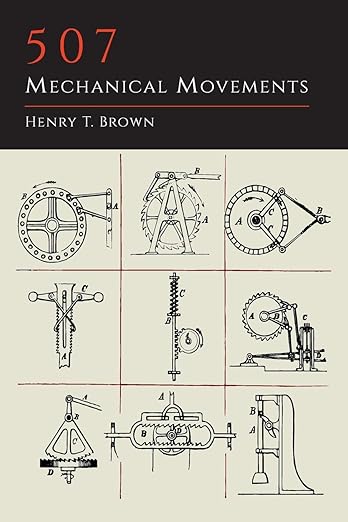
LIBRARY
507 mechanical movements
Henry T. Brown
507 line drawings of linkages, gears, ratchets and escapements, two sentences each, published 1868. A lookup book for when a mechanism has to do something and you cannot picture the arrangement.
LIBRARY
A manual for writers of research papers, theses, and dissertations
Kate L. Turabian
Turabian's citation and structure manual. Reference only, and the standard one.

LIBRARY
American Gods
Neil Gaiman
Old gods brought to America by immigrants are losing ground to new ones built from television and money. Road novel underneath the mythology.
LIBRARY
A little history of the world
E. H. Gombrich
Gombrich wrote this for children in 1935, in six weeks, covering everything from the stone age to the first world war. Still the clearest short history there is.
LIBRARY
A Project Guide to UX Design: For User Experience Designers in the Field or in the Making
Carolyn Chandler
Runs through a UX project in order, from kickoff to handoff, with the documents each stage produces. Written for people who have to run the project, not just design it.

LIBRARY
Beyond logos
Clare Dowdy
Identity work beyond the mark itself. Case studies at length, heavy on the artwork.
LIBRARY
Books vs cigarettes
George Orwell
Orwell essays, including the title one where he works out what he actually spends on books against tobacco. Short and mostly about money and class.

LIBRARY
Cut in half: The hidden world inside everyday objects
Mike Warren
Everyday objects sliced through the middle with a waterjet and photographed. A camera lens, a running shoe, a lock.

LIBRARY
Careless people: A story of where I used to work
Sarah Wynn-Williams
Seven years inside Facebook's policy team, written by someone who was in the rooms. Meta went to arbitration to stop her promoting it.

LIBRARY
Design of machine elements
Virgil Moring Faires
Standard machine design textbook. Shafts, bearings, gears, springs, fasteners, with the calculations.

LIBRARY
Designing with Data: Improving the User Experience with A/B Testing
Rochelle King
How to run A/B tests without letting them make the design decisions for you. Written by people who ran them at Etsy and Netflix.

LIBRARY
Confessions of a public speaker
Scott Berkun
Berkun on speaking, written by someone who does it for a living and is candid about the bad rooms. Includes what to do when nobody laughs.

LIBRARY
CULTure at Zomato
Deepinder Goyal, Ashish Goel, Naina Sahni
Zomato's own account of how it built its culture. Company-published, and reads that way.
LIBRARY
Business adventures
John Brooks
Twelve New Yorker pieces from the 1960s on corporate failures, including the Edsel launch and the rise of Xerox. Reporting rather than case studies.

LIBRARY
Checklist manifesto
Atul Gawande
Gawande notices pilots use checklists and surgeons do not, tests it across eight hospitals and publishes the mortality data. The rest of the book is the resistance he met.

LIBRARY
Building Products for the Enterprise
Blair Reeves
Product management where the buyer and the user are different people. Covers the parts consumer product advice skips entirely.

LIBRARY
Fuseproject: Designing ideas
Yves Béhar
Béhar's studio work collected, product by product, with the reasoning behind each.

LIBRARY
Enterprise Search
Martin White
How search works inside organisations, where the content is messy and the users have no patience. Reference.

LIBRARY
Designing Bots: Creating Conversational Experiences
Amir Shevat
How to design a bot conversation, covering error states and handoff to a human. Written at the peak of the chatbot wave and still the sensible version of it.

LIBRARY
Designing Voice User Interfaces: Principles of Conversational Experiences
Cathy Pearl
Pearl on voice interface design from her time at Google. Deals with the hard parts, like what happens when the system mishears.

LIBRARY
Finite and Infinite games
James P. Carse
Carse distinguishes games played to win from games played to keep playing. Written in numbered propositions and closer to philosophy than strategy.

LIBRARY
Create This Book
Moriah Elizabeth
A book of drawing and writing prompts with blank pages to fill. Nothing to read.

LIBRARY
Gordon Ramsay's great escape
Gordon Ramsay
Ramsay travelling through India, cooking with people who know the food better than he does. Recipes throughout, but not the point.

LIBRARY
Everyone can cook
Eric Akis
Basic technique-first cookbook aimed at people starting from nothing.
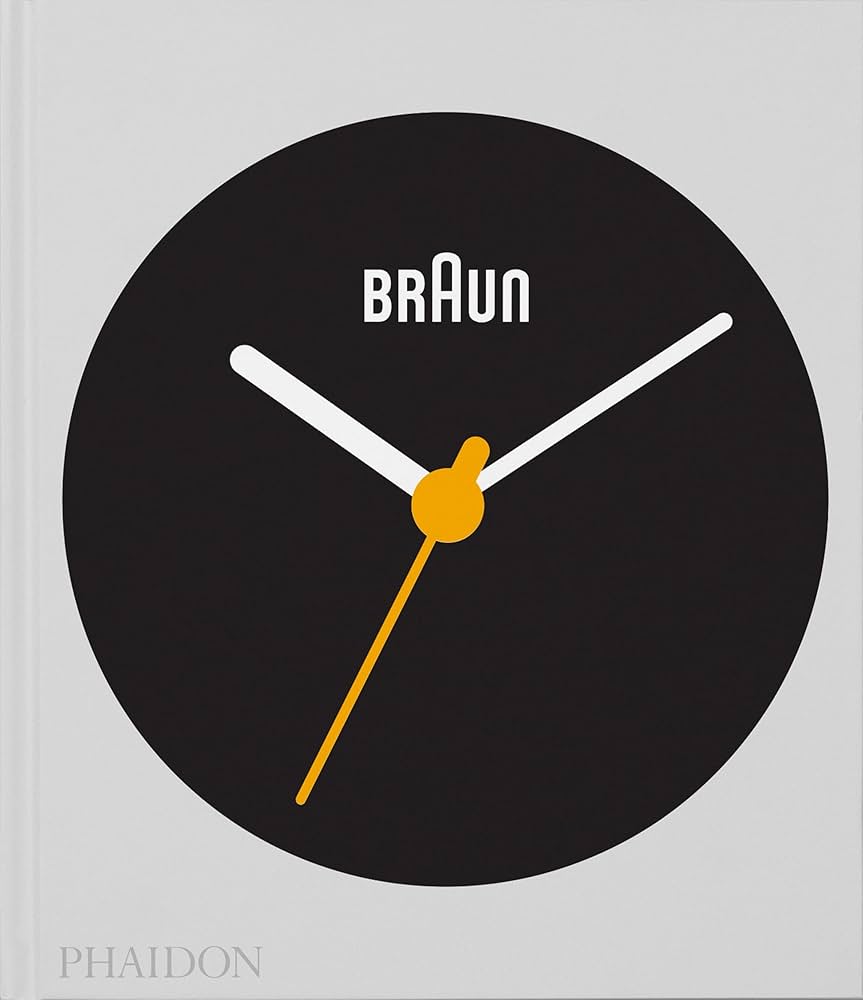
LIBRARY
Braun: Designed to keep
Klaus Klemp
The Braun catalogue photographed properly, product by product. Shows how narrow the rules were and how much came out of them.
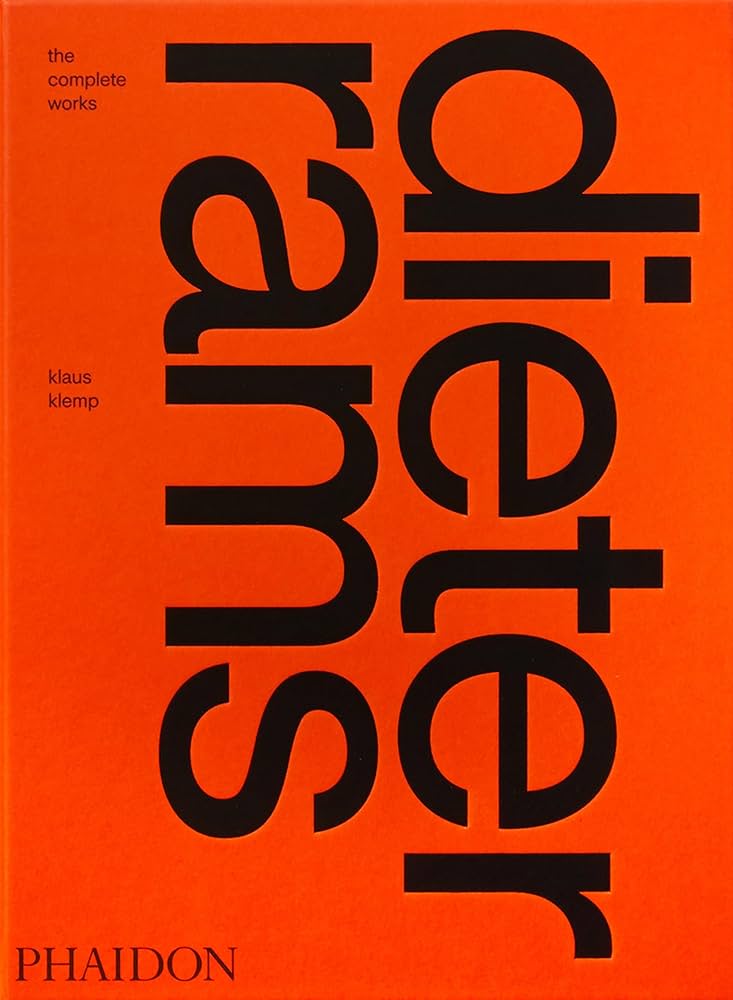
LIBRARY
Dieter rams: The complete works
Klaus Klemp
Every Braun and Vitsoe product Rams worked on, catalogued and photographed. Reference more than argument.
LIBRARY
100 more things every designer needs to know about people
Susan Weinschenk
Weinschenk's second run at the same idea: research findings from psychology, one per spread, aimed at people designing interfaces. Reference rather than argument.
LIBRARY
100 things every designer needs to know about people
Susan Weinschenk
A hundred findings from perception, memory and motivation research, each on a single spread with the study cited. Reference rather than argument.
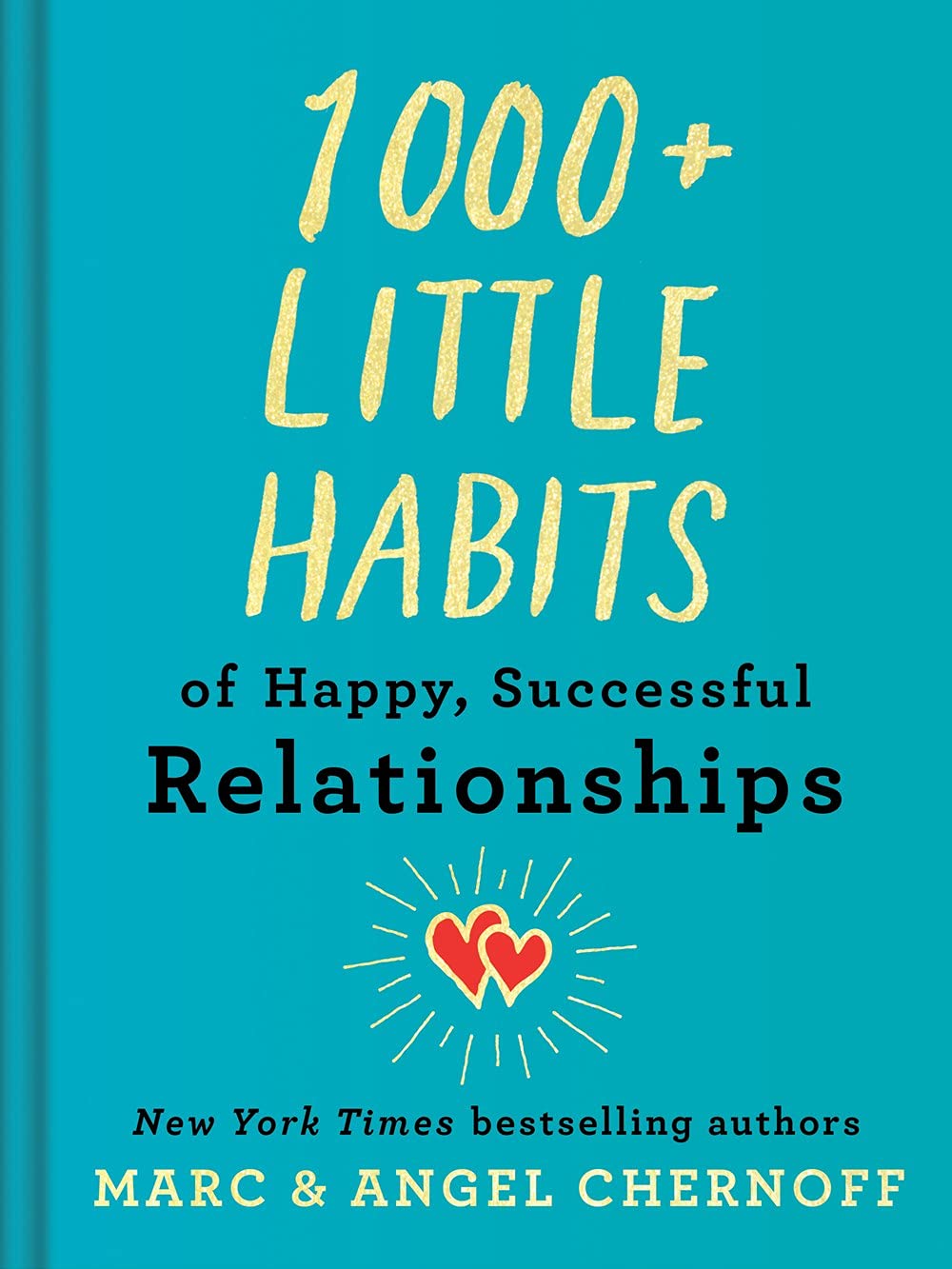
LIBRARY
1000+ little habits
Marc Chernoff
Short prompts on habit and routine, one or two lines each. Built for dipping into.
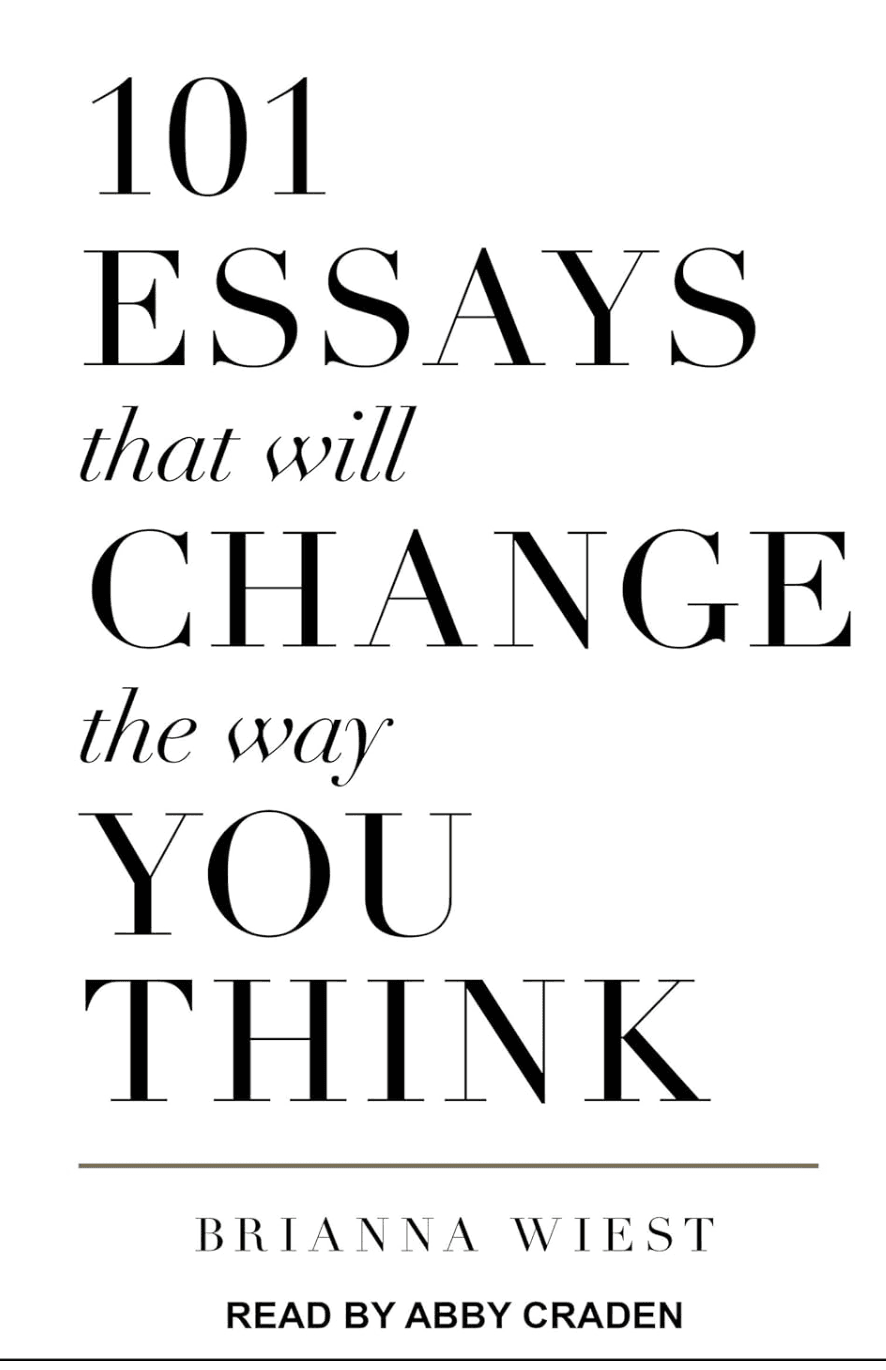
LIBRARY
101 essays that will change the way you think
Brianna Wiest
Short essays on self-knowledge and attention, mostly written for the internet before being collected. Uneven, and the good ones are early.
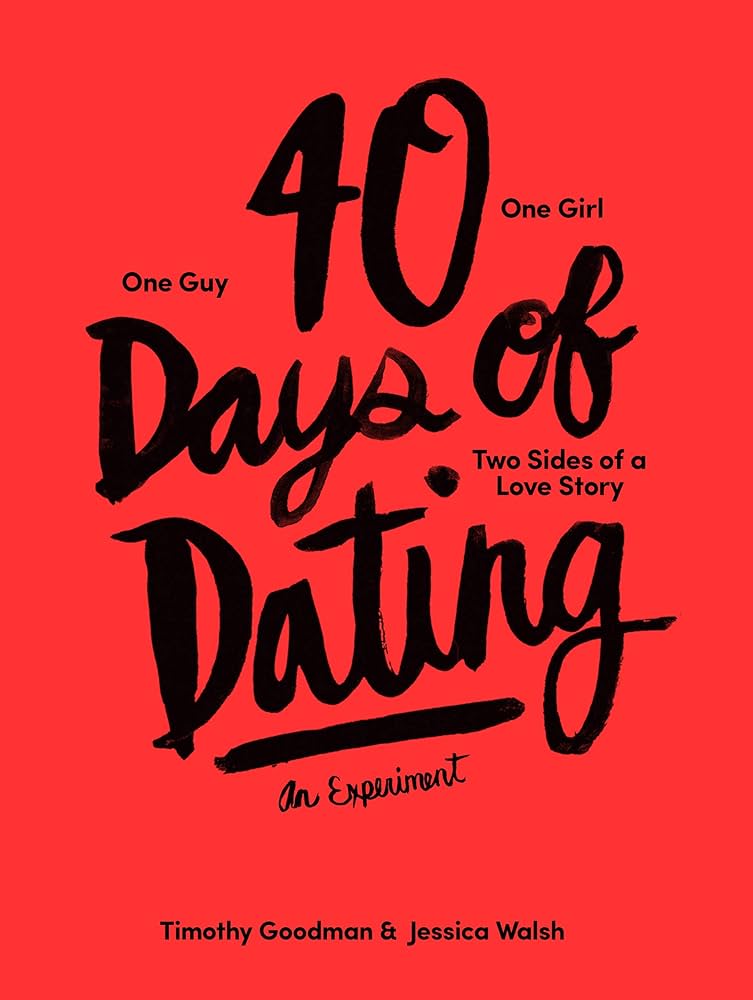
LIBRARY
40 days of dating
Jessica Walsh
Two friends in New York date each other for forty days and publish their journals side by side. The gap between his entry and hers on the same evening is the whole thing.
LIBRARY
5 very good reasons to punch a dolphin in the mouth
Matthew Inman
Collected comics from The Oatmeal. Mostly about small daily irritations.

LIBRARY
50 Big Ideas You Really Need to Know
Ben Dupré
Fifty concepts from science, politics and philosophy, four pages each with a timeline down the margin.
LIBRARY
99 ways to tell a story: Exercises in style
Matt Madden
Madden draws the same one-page comic 99 times, changing only the technique. Layout, viewpoint, genre, style.
LIBRARY
A brief history of everything
Ken Wilber
Wilber's attempt to fit physics, biology, psychology and religion into one developmental scheme. Written as an interview with himself.
LIBRARY
A brief history of time
Stephen Hawking
Hawking on relativity, black holes and the shape of the universe, written for people with no maths. The chapter on the arrow of time is the one that sticks.
LIBRARY
A game of thrones
George R. R. Martin
First of the series. Political manoeuvring across several families, told in rotating viewpoint chapters.
LIBRARY
A gentleman in moscow
Amor Towles
A count is sentenced to house arrest in a Moscow hotel in 1922 and stays thirty years. The entire book happens inside one building.
LIBRARY
A history of video games in 64 objects
World Video Game Hall of Fame
The World Video Game Hall of Fame tells the industry's history through 64 physical things. Cartridges, cabinets, controllers, packaging.
LIBRARY
A man called ove
Fredrik Backman
A widower who has given up on people is interrupted by neighbours who will not leave him alone. Comic on the surface and not underneath.

LIBRARY
Addiction by design
Natasha Dow Schüll
Fifteen years of fieldwork on slot machine design and the state players call the zone, built on the machines' own engineering documents. Every dark-pattern argument in software is here first.

LIBRARY
Akira: Vol. 1
Katsuhiro Ōtomo
Otomo's Neo-Tokyo, drawn at a density most comics never attempt. Worth owning in print because the paper size does half the work.

LIBRARY
Alchemy
Rory Sutherland
Sutherland argues that the things which work in marketing usually make no economic sense, and that this is the point. Makes the strongest available case for testing the idea that sounds stupid.
LIBRARY
Alibaba
Duncan Clark
How Jack Ma built Alibaba from a flat in Hangzhou, written by an insider who ran international operations there.
LIBRARY
A swim in a pond in the rain
George Saunders
Saunders takes seven Russian short stories and works through each line by line, explaining what the writer is doing and why. Essentially a writing class transcribed.
LIBRARY
A whack on the side of the head
Roger von Oech
Exercises built around ten mental locks, like looking for the right answer, being practical, avoiding ambiguity. Works as a workbook with a pen, not as a read.
LIBRARY
About face: The essentials ofeveryday design
Alan Cooper
Cooper's interaction design textbook. Goal-directed design, personas and the full pattern vocabulary, at textbook length.

LIBRARY
Actionable gamification
Yu-kai Chou
Chou's Octalysis framework, breaking motivation into eight drives and applying them to product design. Systematic to the point of being mechanical.

LIBRARY
Animal farm
George Orwell
Farm animals overthrow the farmer and rebuild the same hierarchy. Short enough to read in a sitting.
LIBRARY
Anything you want
Derek Sivers
Sivers on building and selling CD Baby, in about forty very short chapters. Argues most of business advice is aimed at companies you would not want to run.
LIBRARY
Articulating design decisions
Tom Greever
Greever on defending design work to people who can approve or kill it. Structured around the conversation rather than the artefact.
LIBRARY
Atlas shrugged
Ayn Rand
Rand's case for individualism, delivered through a collapsing industrial America and a very long speech.

LIBRARY
Attention factory
Matthew Brennan
How ByteDance built TikTok, written by someone who worked in Chinese tech. Focuses on the recommendation engine as the actual product.

LIBRARY
Autobiography of a yogi
Paramahansa Yogananda
Yogananda's account of his training in India and his move to America in the 1920s. The book that carried Indian spiritual practice into the West.

LIBRARY
Batmobile: The complete history
Mark Cotta Vaz
Every version of the car from 1939 onward, with the design decisions and the people behind them.

LIBRARY
Beyond order
Jordan B. Peterson
Peterson's second set of rules, structured as twelve chapters of argument and anecdote.
LIBRARY
Biomimicry
Janine M. Benyus
Benyus on designing by copying biological solutions. Reads as a survey of examples across materials, energy and manufacturing.
LIBRARY
Bird by bird
Anne Lamott
Lamott on writing, built around one instruction: let the first draft be bad on purpose. Short chapters, mostly anecdote.
LIBRARY
Blood, sweat and pixels
Jason Schreier
Ten accounts of games being made, each one going wrong in a different way. Schreier got people to talk about crunch on the record.
LIBRARY
Build
Tony Fadell
Fadell on building the iPod, the iPhone and Nest, written as short chapters of advice. Direct to the point of blunt about managing and being managed.

LIBRARY
Build, Don't Talk
Raj Shamani
Raj Shamani on career and money for a young Indian audience. Short chapters, heavy on anecdote.
LIBRARY
Building a second brain
Tiago Forte
Forte's system for capturing and organising notes so you can find things later. The method is four steps and the book is mostly about sticking to them.

LIBRARY
Building a storybrand 2.0
Donald Miller
Miller's argument is that a company should cast the customer as the hero and itself as the guide. A single framework, applied repeatedly.

LIBRARY
Built to last
Jim Collins
Collins and Porras compared eighteen long-lived companies against direct competitors to find what the survivors shared. Some of the conclusions have aged badly, which is worth reading for on its own.
LIBRARY
Business model generation
Alexander Osterwalder
The business model canvas and the nine blocks it splits a company into. Designed as a workbook, and it works better used that way than read.

LIBRARY
Business model you
Tim Clark
The same canvas from the business model book, applied to a single career instead of a company.

LIBRARY
Cad monkeys, dinosaur babies and T-shaped people
Warren Berger
Berger interviewed several hundred designers about how they actually work. The useful parts are where they contradict each other.
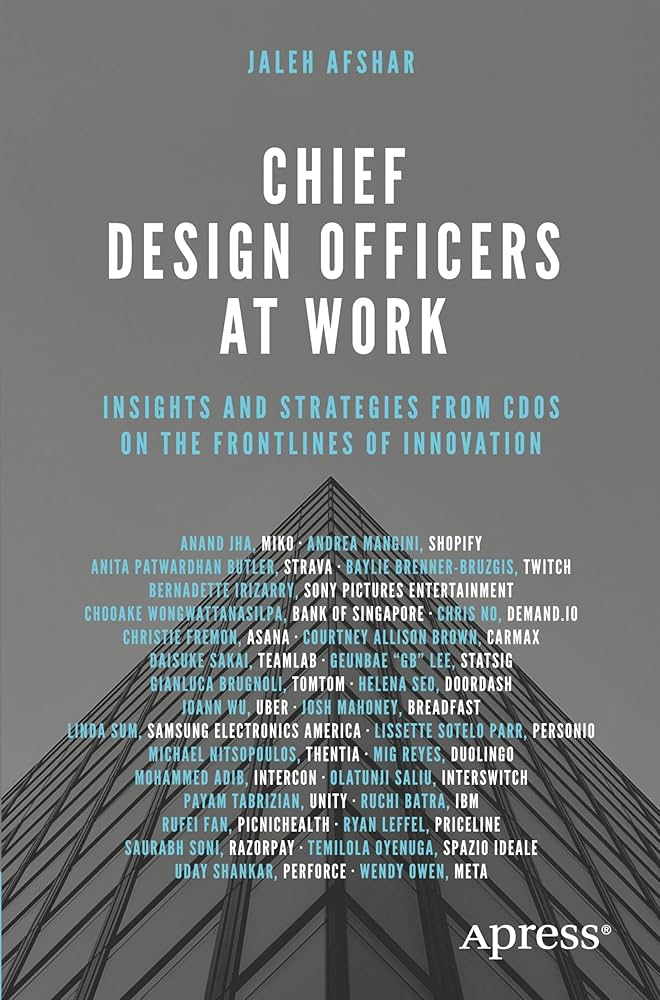
LIBRARY
Chief design officers at work
Jaleh Afshar
Interviews with design leaders about how they got the seat and what they do once they have it. Format is straight question and answer.
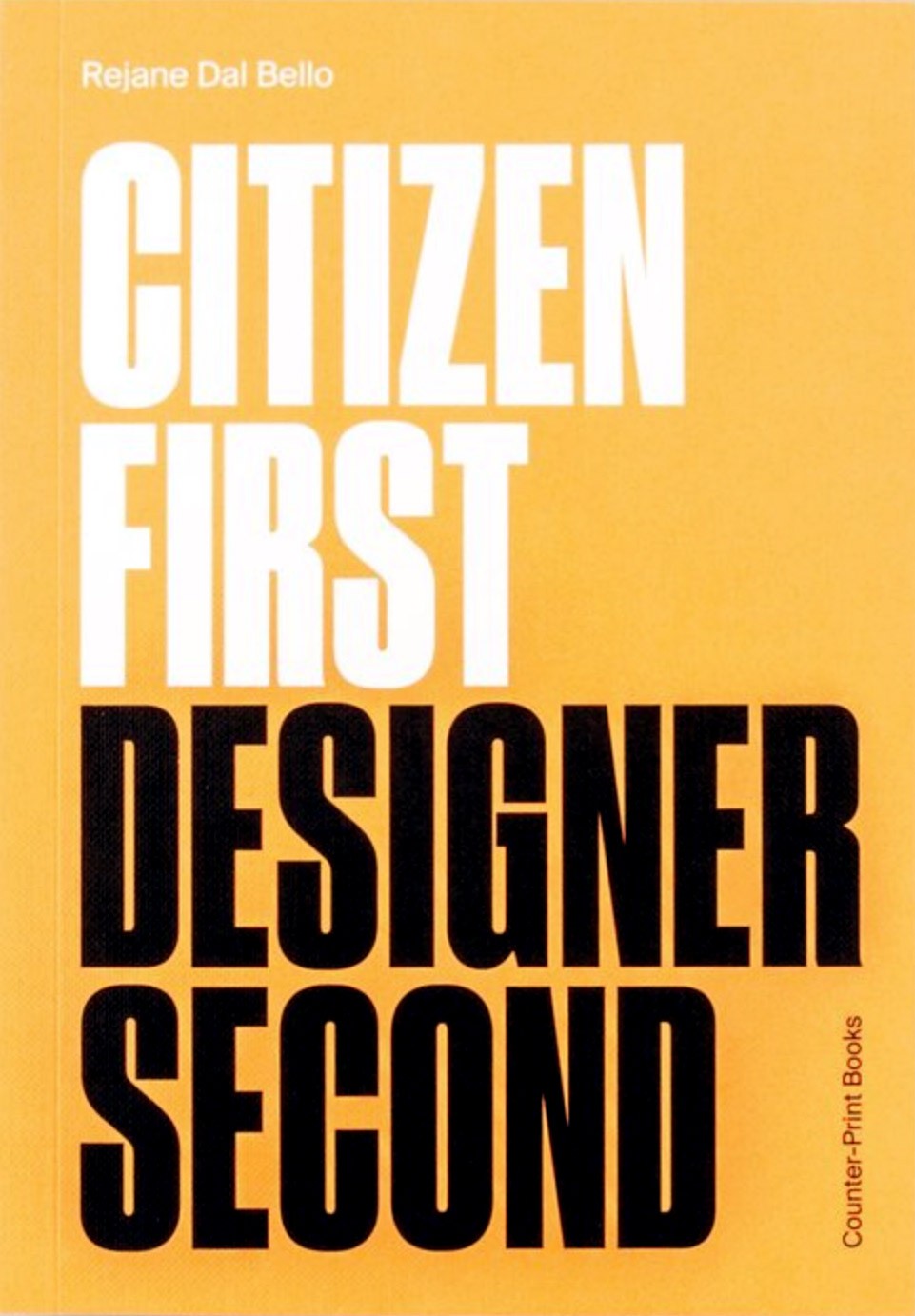
LIBRARY
Citizen first, designer second
Rejane Dal Bello
Indian design practice argued from a civic starting point rather than a commercial one.
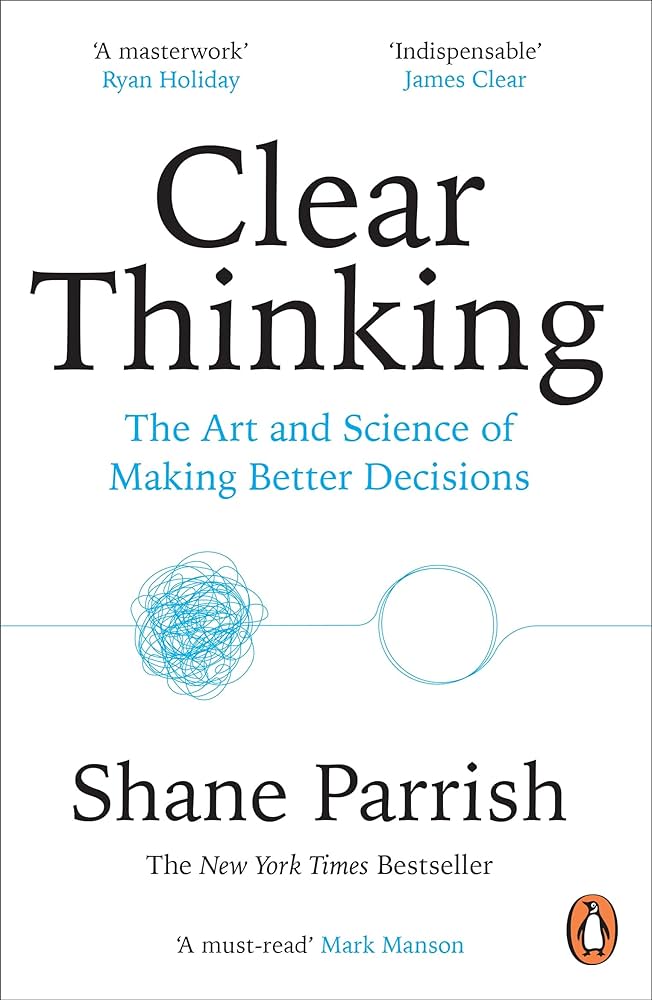
LIBRARY
Clear thinking
Shane Parrish
Parrish on the decisions you make before you know you are deciding. Short, and the first section on defaults is the part worth having.
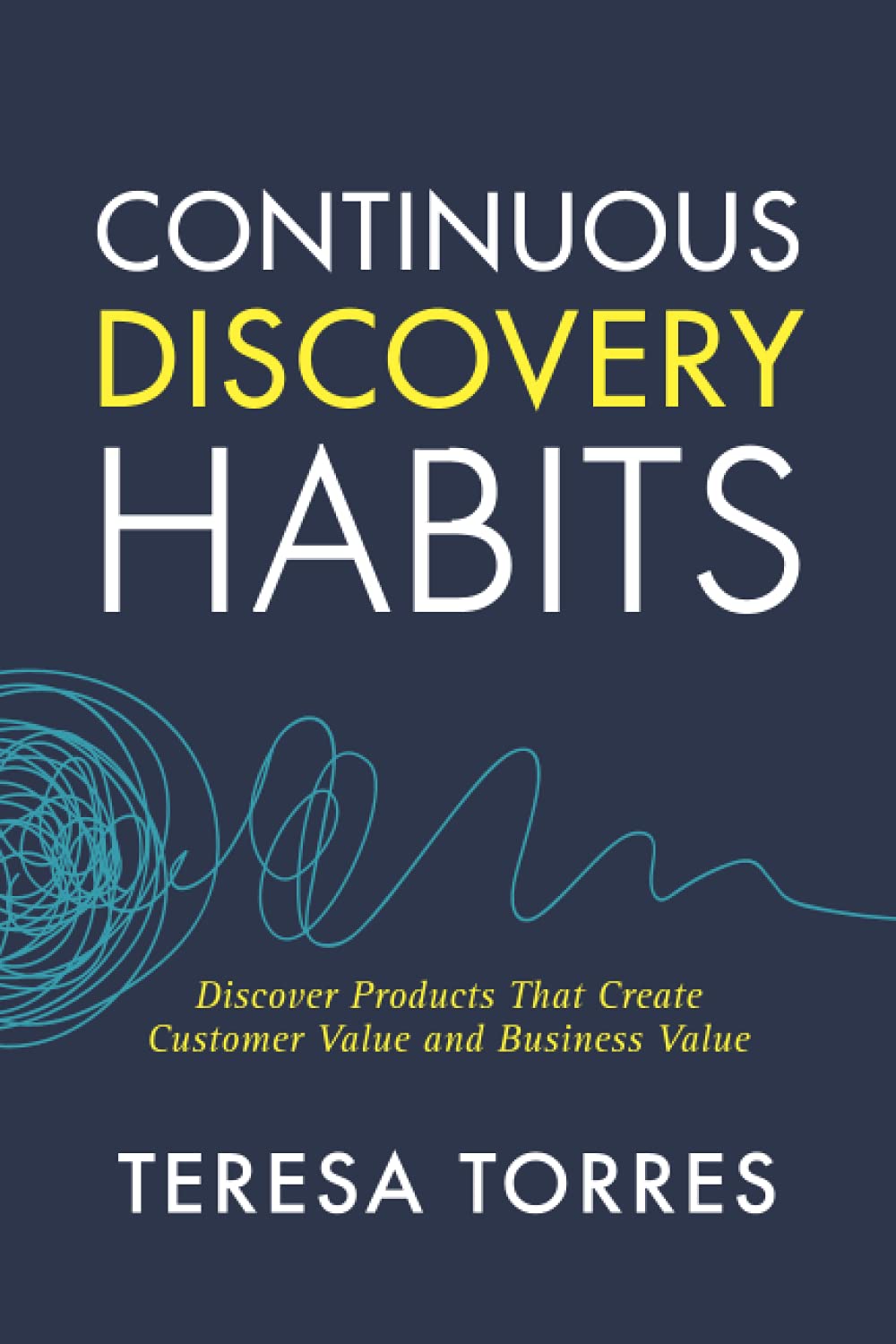
LIBRARY
Continuous discovery habits
Teresa Torres
Torres on interviewing customers every week rather than in bursts. Gives you the opportunity solution tree, which is the part people take away.

LIBRARY
Cracking the PM interview
Gayle Laakmann McDowell
Interview preparation for product roles. Reference, and best read close to the interview.
LIBRARY
Creative acts for curious people
Sarah Stein Greenberg
Exercises from the Stanford d.school, each one an activity with a time and materials list.
LIBRARY
Creative Block
Danielle Krysa
Fifty artists on how they get unstuck, with their work alongside. Interview format.
LIBRARY
Creative Selection
Ken Kocienda
The whole book centres on Apple's demo culture. Build the thing, show it, get criticism, repeat. Shows how really hard details get backed into Apple's products.
LIBRARY
Creative struggle
Gavin Aung Than
Graphic essays on artists and the difficulty of making things. Short, illustrated throughout.

LIBRARY
Creativity, inc.
Ed Catmull
Catmull on running Pixar, structured around the mechanisms they built to catch bad films early. The Braintrust chapter is the one people quote.
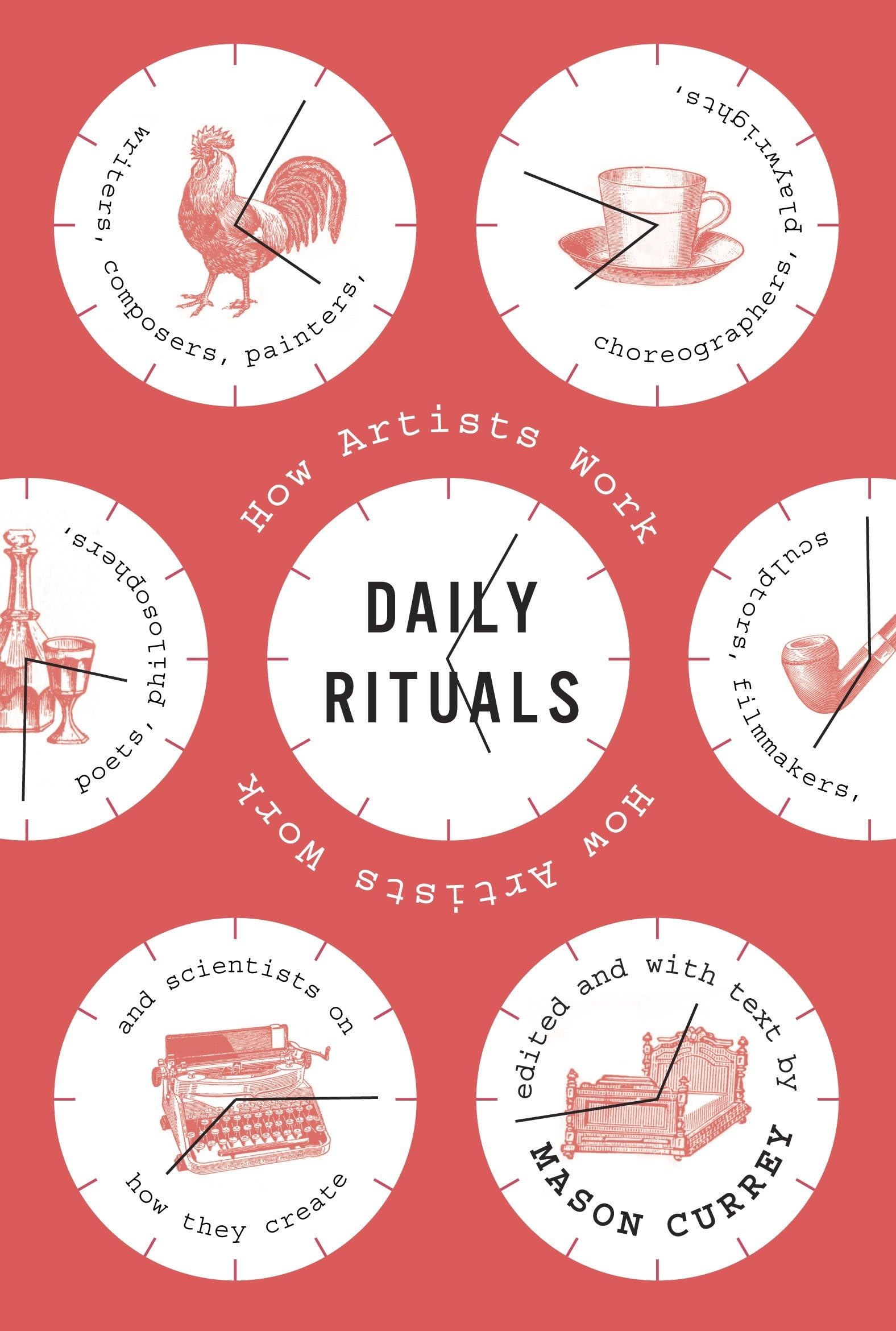
LIBRARY
Daily Rituals
Mason Currey
How 161 writers, artists and composers arranged their working days. Currey keeps each to a page or two and makes no argument.
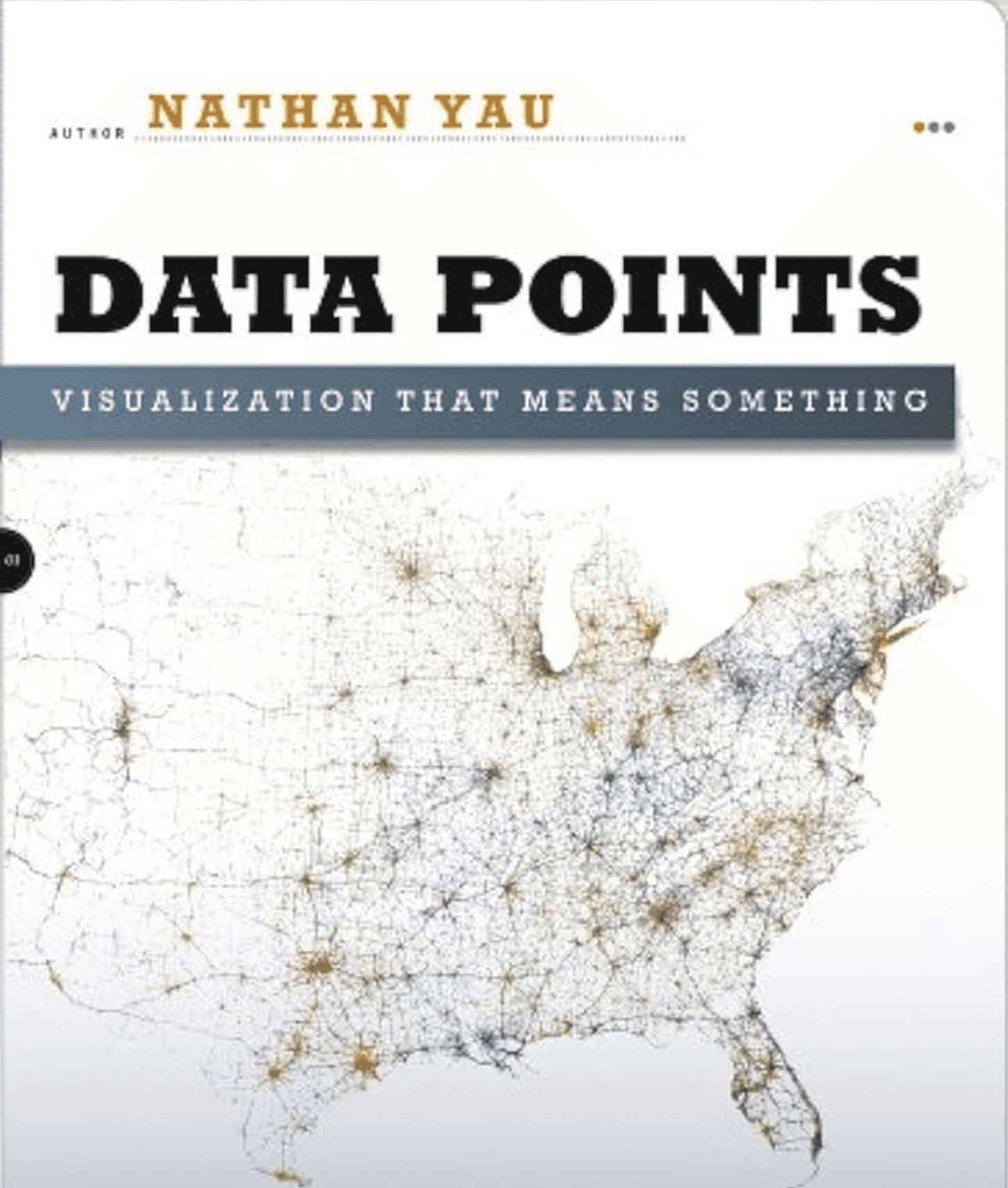
LIBRARY
Data Points
Nathan Yau
Yau on treating data as a material with its own properties before choosing a chart. Practical and heavily illustrated.
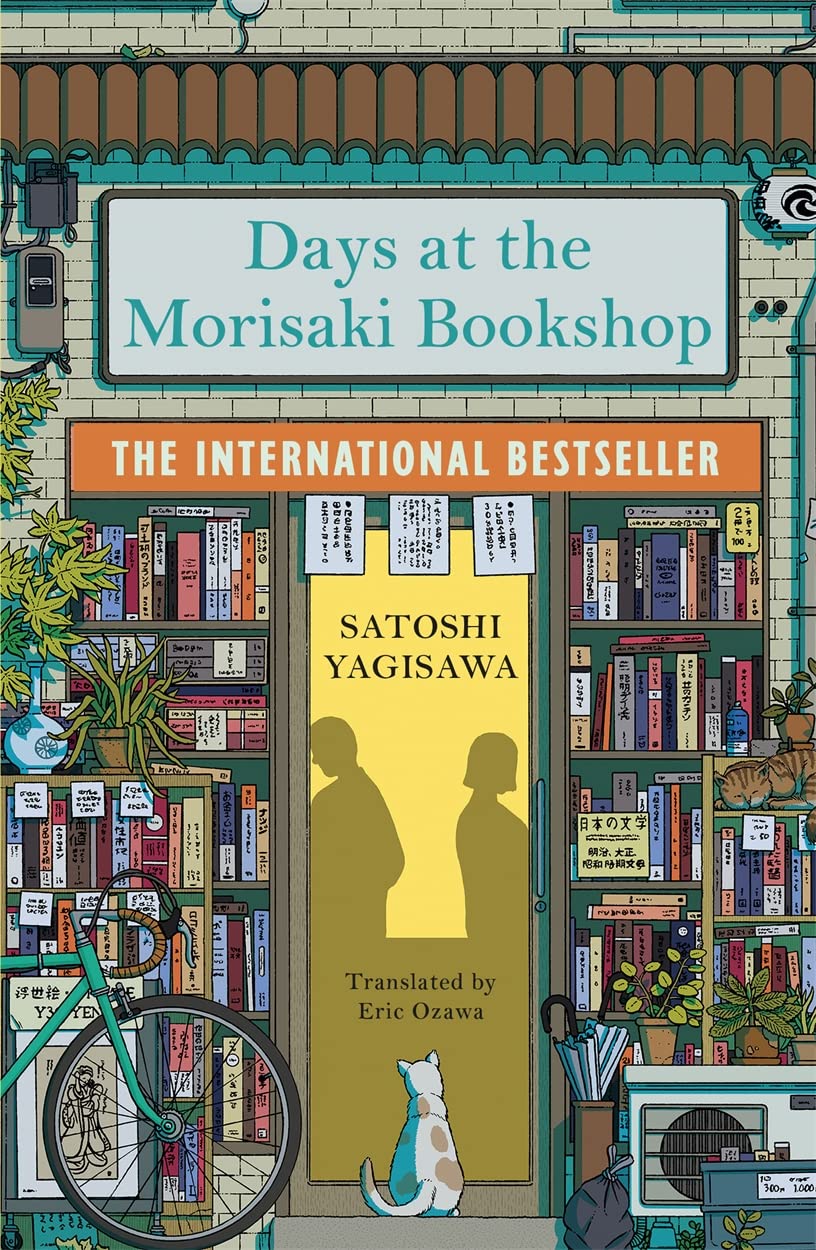
LIBRARY
Days at the morisaki bookshop
Satoshi Yagisawa
A woman moves into the room above her uncle's second-hand bookshop in Jimbocho. Small, quiet, mostly about the shop.
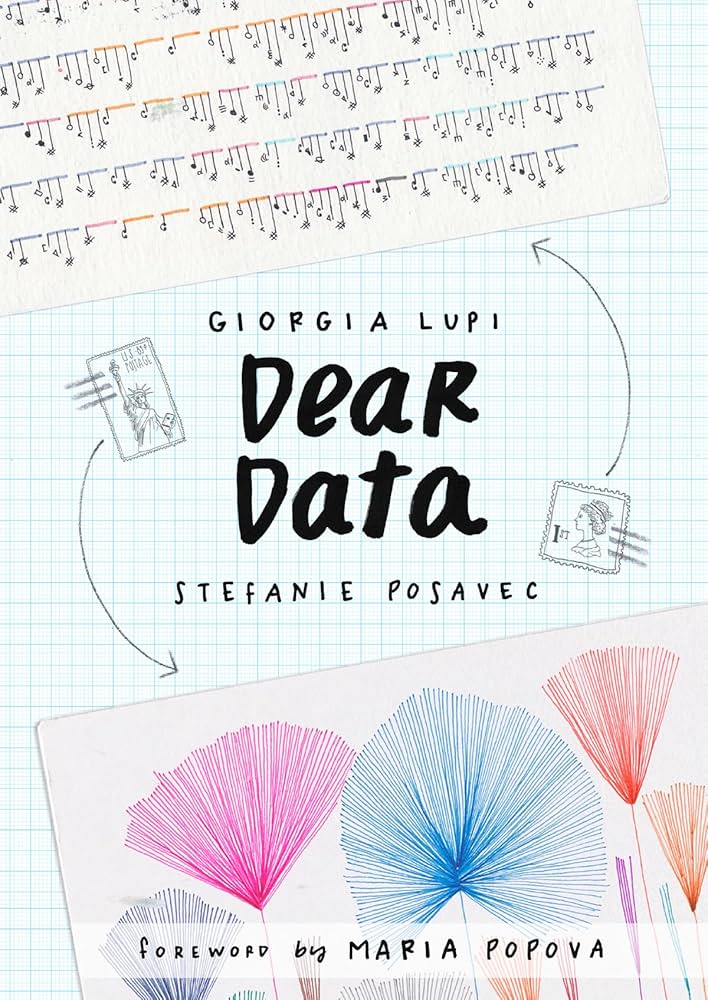
LIBRARY
Dear data
Giorgia Lupi
Two designers posted each other a hand-drawn postcard every week for a year, each one visualising something small they had counted, like complaints, doors, laughter.
LIBRARY
Death Note: The complete box set
Tsugumi Ohba
A student finds a notebook that kills anyone whose name is written in it, then a detective starts looking for him. Almost entirely two people out-thinking each other.
LIBRARY
Decode and conquer
Lewis C. Lin
Product management interview frameworks, question by question. Reference.
LIBRARY
Deep Work
Cal Newport
Newport's case that uninterrupted concentration is getting rarer and therefore more valuable. Half argument, half instructions for arranging a week.

LIBRARY
Demand side sales
Bob Moesta
Moesta applies jobs-to-be-done to selling, starting from what makes someone switch rather than what makes a product good.

LIBRARY
Design as art
Bruno Munari
Munari takes apart an orange, a pea pod, a lamp and treats each as a finished design. Four pages on the orange alone. Shows that product thinking arrived fully formed in 1966.

LIBRARY
Design by Ikea
Sara Kristoffersson
An academic history of how Ikea's design method and supply chain shaped what the products became.
LIBRARY
Design Interactions
Anthony Dunne
Work from the RCA programme Dunne ran, where the brief is usually a question rather than a product.
LIBRARY
Design is storytelling
Ellen Lupton
Lupton applies narrative structure like arc, character and scene to interface and product decisions. Short and heavily illustrated.
LIBRARY
Designed to Win: The Story of Tata Elxsi
Sujata Kelkar Shetty
How Tata Elxsi turned itself into a design and engineering services business. Company history, sanctioned.
LIBRARY
Designing brand identity
Alina Wheeler
Wheeler's process manual for identity work, from research to rollout, with case studies at the back. The standard reference.
LIBRARY
Designing news
Francesco Franchi
Franchi on information design in newspapers and magazines, drawing on his own work at IL. Mostly a portfolio with argument attached.

LIBRARY
Designing smart objects in everyday life
Marco C. Rozendaal
Connected product design, covering what changes when an object has a network behind it.

LIBRARY
Digital minimalism
Cal Newport
Newport's case for deliberately removing most optional technology from your life, with a thirty-day reset to do it.

LIBRARY
Do interesting
Russell Davies
Davies on noticing things and acting on them, in short chapters with exercises. Part of the Do Book series, so it is small and quick.

LIBRARY
Do the work
Steven Pressfield
Pressfield on resistance, which is his name for whatever stops you starting. Very short, closer to a pep talk than a method.
LIBRARY
Don't make me think
Steve Krug
Krug's usability book, built on the idea that every question a page raises costs the user something. Short chapters, redrawn examples, still the first thing to hand someone.
LIBRARY
Don't shoot the dog!
Karen Pryor
Pryor on shaping behaviour through reinforcement, drawn from training dolphins. The applications to people are left for you to notice.
LIBRARY
Dream with your eyes open
Ronnie Screwvala
Ronnie Screwvala on building UTV and selling it to Disney. Indian entrepreneurship told through deals.
LIBRARY
Drive
Scott Robertson
Automotive design sketching, page after page of car renders and process. Portfolio rather than instruction.
LIBRARY
Ego is the enemy
Ryan Holiday
Holiday on ambition getting in its own way, structured in three parts around aspiring, succeeding and failing. Short chapters, historical examples.

LIBRARY
Emotion by design
Greg Hoffman
Greg Hoffman on Nike's brand and creative work, written by someone who ran it. Company-flavoured but specific about the campaigns.

LIBRARY
Engineering for Industrial Designers and Inventors
Thomas Ask
The engineering an industrial designer needs to talk to engineers. Statics, materials, motors, tolerance, worked through with examples.

LIBRARY
Every Day I Read: 53 Ways to Get Closer to Books
Steve Leveen
Fifty-three short prompts about reading more and reading better. More of a nudge book than a method.

LIBRARY
Everybody loves a good drought
P. Sainath
Sainath spent years reporting from India's poorest districts, and the pieces are about the economics of poverty rather than its imagery. Still the benchmark for Indian field reporting.
LIBRARY
Everybody writes
Ann Handley
Handley on writing for marketing, covering grammar, structure and process in short numbered chapters. Reference.
LIBRARY
Everything I know about life I learned from powerpoint
Russell Davies
Davies on PowerPoint as a way of thinking rather than just a way of presenting. Short, essay-length.
LIBRARY
Extra lives
Tom Bissell
Bissell on why he plays video games, written honestly enough to include the parts he is not proud of. Criticism rather than reporting.
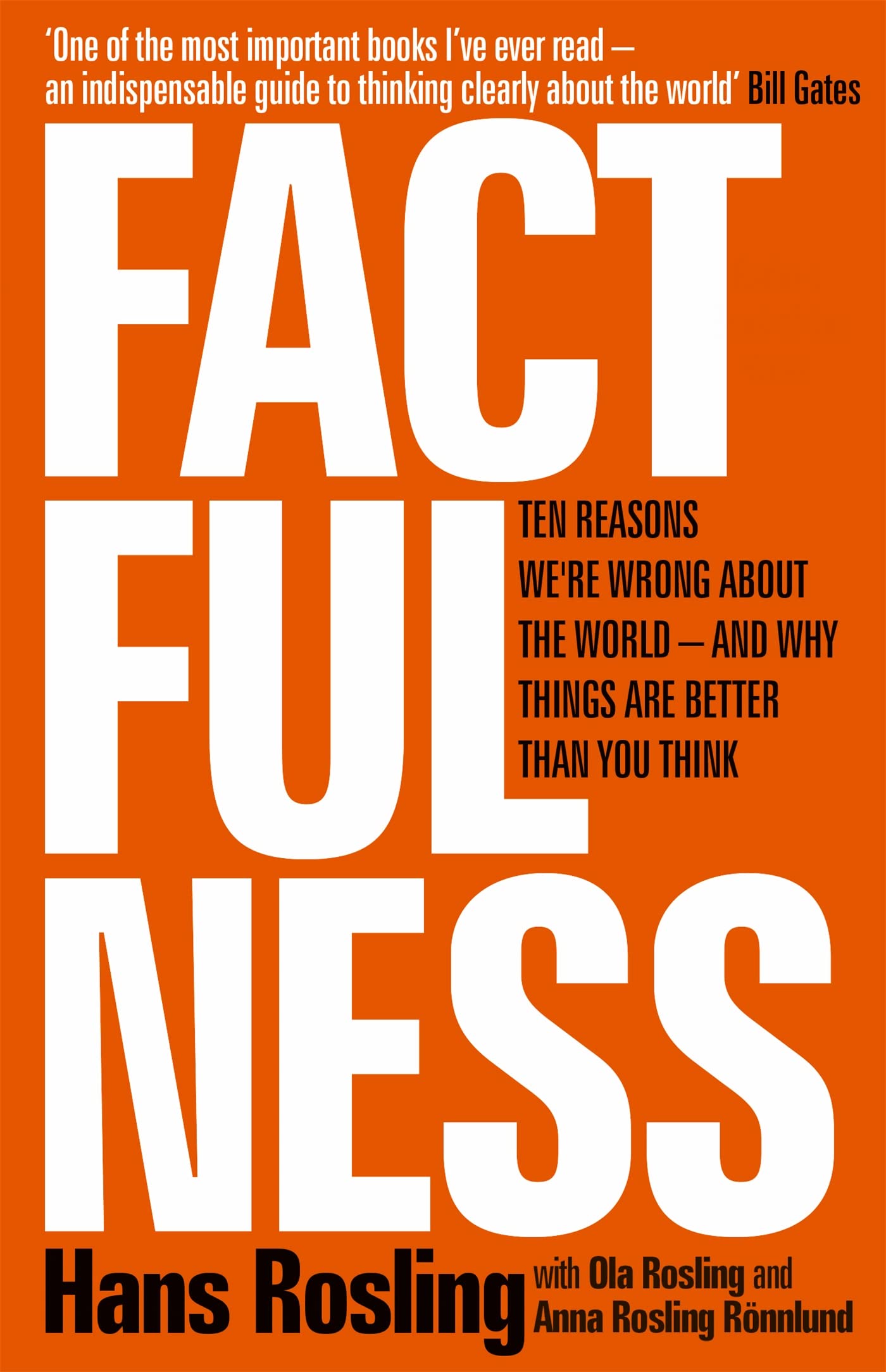
LIBRARY
Factfulness
Hans Rosling
Rosling on why educated people get basic world statistics wrong, built around thirteen questions most readers fail. Ends with instincts to check yourself against.
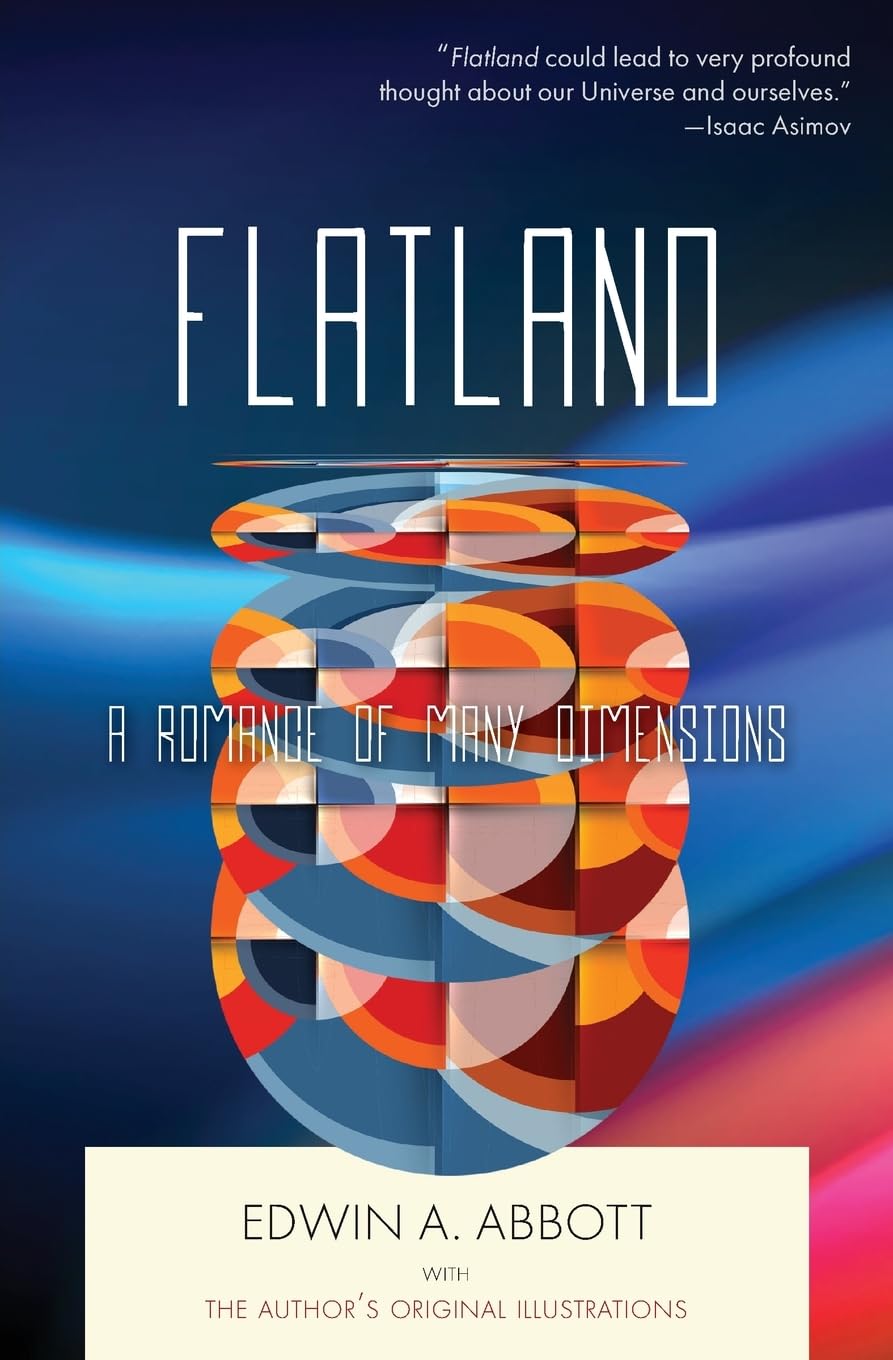
LIBRARY
Flatland: A Romance of Many Dimensions
Edwin A. Abbott
A two-dimensional world visited by a sphere, written in 1884. Half geometry lesson, half satire of Victorian class.
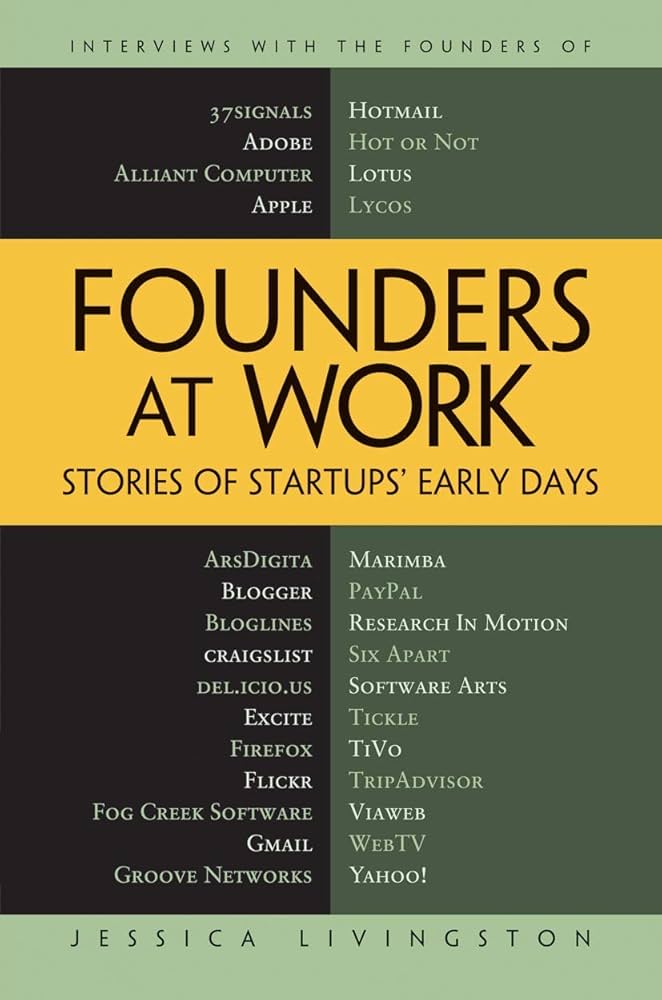
LIBRARY
Founders at work
Jessica Livingston
Livingston interviewed founders of early tech companies about the beginning specifically, before it worked. Question and answer throughout.
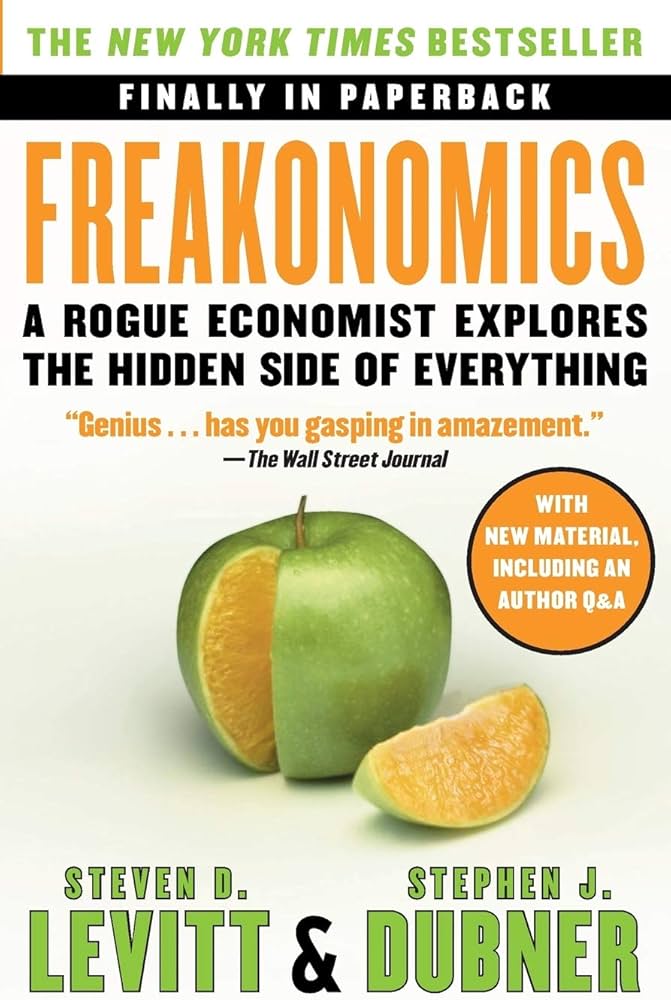
LIBRARY
Freakonomics
Steven D. Levitt
Levitt applies economics to questions economics usually ignores, like cheating teachers and estate agents. Some of the findings have been contested since.

LIBRARY
From South Korea
Jon Dowling
Photography and design work out of South Korea, presented as a survey.

LIBRARY
Gamestorming
Dave Gray
Eighty-odd workshop games for groups trying to think together, each with materials, time and steps. Reference for running sessions.
LIBRARY
Generating product ideas
Artiom Dashinsky
Methods for coming up with product concepts, laid out as repeatable exercises.
LIBRARY
Getting gamers
Jamie Madigan
Madigan on the psychology behind why games hold attention. Academic in sourcing, readable in tone.

LIBRARY
Ghost world
Daniel Clowes
Two teenagers finish school and slowly stop being friends. Clowes lets almost nothing happen, deliberately.
LIBRARY
Good charts
Scott Berinato
Berinato on making business charts that argue rather than decorate. The four-type grid at the front is the part people take away.
LIBRARY
Good strategy Bad strategy
Richard P. Rumelt
Rumelt's argument is that most strategy documents contain no strategy, only goals. The kernel he proposes is diagnosis, policy, action.
LIBRARY
Good to great
Jim Collins
Collins compared eleven companies that outperformed their sector for fifteen years. Several have since collapsed, which makes it a better book about method than about conclusions.
LIBRARY
Masters of doom
David Kushner
How id Software built Wolfenstein and Doom. One man solved the rendering, the other made it a game, then the partnership broke.
LIBRARY
Plato and a Platypus walk into a bar
Thomas Cathcart
Philosophy explained through jokes, each one demonstrating the fallacy being discussed. Gives you the vocabulary faster than a textbook does.
LIBRARY
Predictably Irrational
Dan Ariely
Behavioural economics through experiments, the Economist subscription pricing one being the standout. Ariely's later work has had data-integrity problems, so take the studies as prompts rather than proof.
LIBRARY
The back of the napkin
Dan Roam
Roam's claim is that any problem can be worked out with six kinds of picture and no drawing skill. The framework holds up, the corporate examples do not.
LIBRARY
Thing explainer
Randall Munroe
Munroe explains some of the most complex man-made things with only the thousand most common English words.
LIBRARY
Am I overthinking this?
Michelle Rial
Everyday worries turned into charts and diagrams, many built from real objects photographed on a table. Reads in one sitting.
LIBRARY
BIg ideas, little pictures
Jono Hey
Hand-drawn one-panel explanations from Sketchplanations, one concept per page, from the Doppler effect to the Overton window.

LIBRARY
Book of branding
Radim Malinic
A working designer's guide to building a brand identity, from brief to delivery, using his own studio's projects.
LIBRARY
Book of ideas: Vol. 1
Radim Malinic
Malinic on creative work: finding ideas, staying motivated, running a practice. Short chapters on heavily designed pages.
LIBRARY
Book of ideas: Vol. 2
Radim Malinic
Second volume in the same format, with more on process and the business side of creative work.

LIBRARY
City guides: Barcelona
Monocle
Monocle's pocket guide to Barcelona. Hotels, food, shops and a few short essays on the city.
LIBRARY
Creativity
Catmull on running Pixar and Disney Animation: the Braintrust, daily reviews, and why every early film is bad before it gets good.

LIBRARY
Dan and Phil go outside
Dan Howell
Photo book from Dan and Phil's world tour, with their commentary.
LIBRARY
Dance first. think later
Kathryn Petras
618 rules to live by, collected from quotations and arranged by theme.

LIBRARY
Dig your well before you are thirsty
Harvey Mackay
Mackay on building a network before you need it. Mostly practical advice on staying in touch with people.

LIBRARY
Do you matter? How great design will make people love your company
Robert Brunner
Brunner, who ran Apple's industrial design group before Jony Ive, on why design has to be company strategy and not a service department.

LIBRARY
Everything
A teenager allergic to the outside world falls for the boy next door. Young adult, quick read.

LIBRARY
Execution
Larry Bossidy
Bossidy and Charan on why strategies fail in the doing. Built around three processes: people, strategy and operations.

LIBRARY
Flatlands
Edwin A. Abbott
A square living in a two-dimensional world is visited by a sphere. Written in 1884 as a satire of Victorian class, and still the clearest way into thinking about dimensions.
LIBRARY
Get naked
Patrick Lencioni
A fable about consulting. You win clients by being willing to look foolish, ask obvious questions and admit mistakes.
LIBRARY
God explained in a taxi ride
Paul Arden
Arden's short illustrated take on religion, laid out like one of his advertising books.
LIBRARY
Steven Levy
Levy's inside account of Google, from the search algorithm to Android and China, with more access than any other writer got.

LIBRARY
Grand designs
Kevin McCloud
Houses from the TV series, each shown with plans and the story of the build.
LIBRARY
Great at work
Morten T. Hansen
Hansen surveyed 5,000 people to find what top performers do differently. The first finding, do less then obsess, carries the book.

LIBRARY
Grit: The power of passion and perseverance
Angela Duckworth
Duckworth argues sustained effort matters more than talent, with West Point cadets and spelling bee finalists as evidence.

LIBRARY
Hell yeah or no
Derek Sivers
Short essays by Sivers on what is worth doing. Each fits on a page or two.
LIBRARY
Hidden Genius
Polina Marinova Pompliano
Profiles of high performers from Pompliano's newsletter The Profile, grouped by the trait they share.

LIBRARY
HIdden potential
Adam Grant
Grant on how people grow beyond what their starting point predicts. Character skills and learning systems over raw talent.
LIBRARY
How not to be wrong
Jordan Ellenberg
Ellenberg shows where everyday reasoning breaks without maths: linear thinking, regression to the mean, lotteries. Opens with the WWII bomber armour problem.
LIBRARY
How to know everything
Elke Wiss
A Dutch philosopher on asking better questions, Socratic style, with exercises for everyday conversations.
LIBRARY
How to live
Derek Sivers
Twenty-seven short chapters, each giving a different and often contradictory answer to how to live.
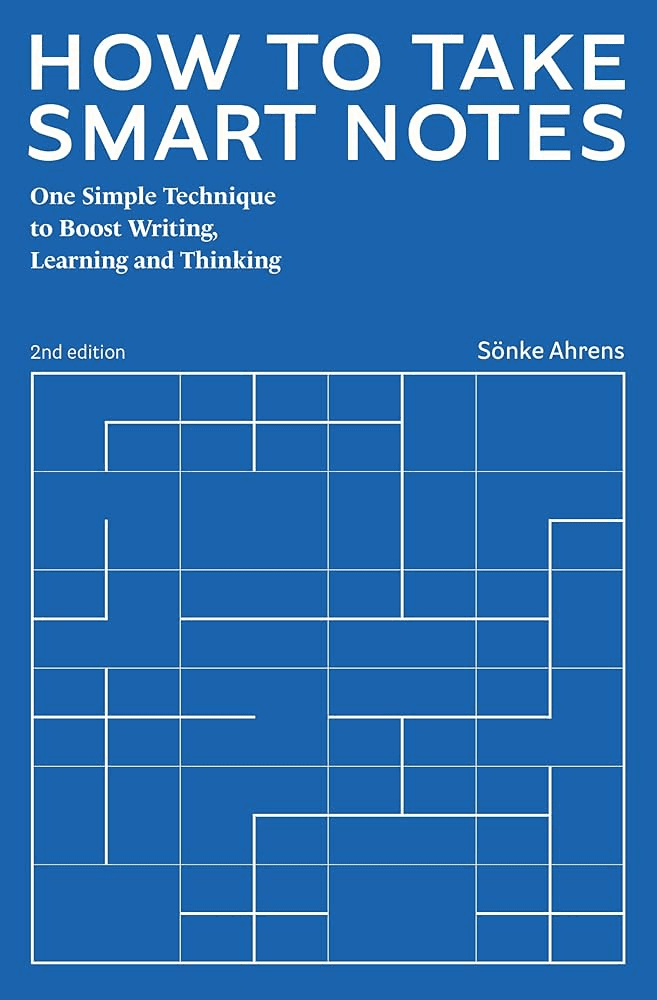
LIBRARY
How to take smart notes
Sönke Ahrens
Ahrens explains Luhmann's slip-box: permanent notes in your own words, linked by number. Most of the book is about why writing is thinking.
LIBRARY
How to travel
The School of Life
The School of Life on travelling to change how you feel rather than to tick off sights. Short essays.

LIBRARY
How We Learn: The New Science of Education and the Brain
Stanislas Dehaene
Dehaene on the four pillars of learning from neuroscience: attention, active engagement, error feedback and consolidation.
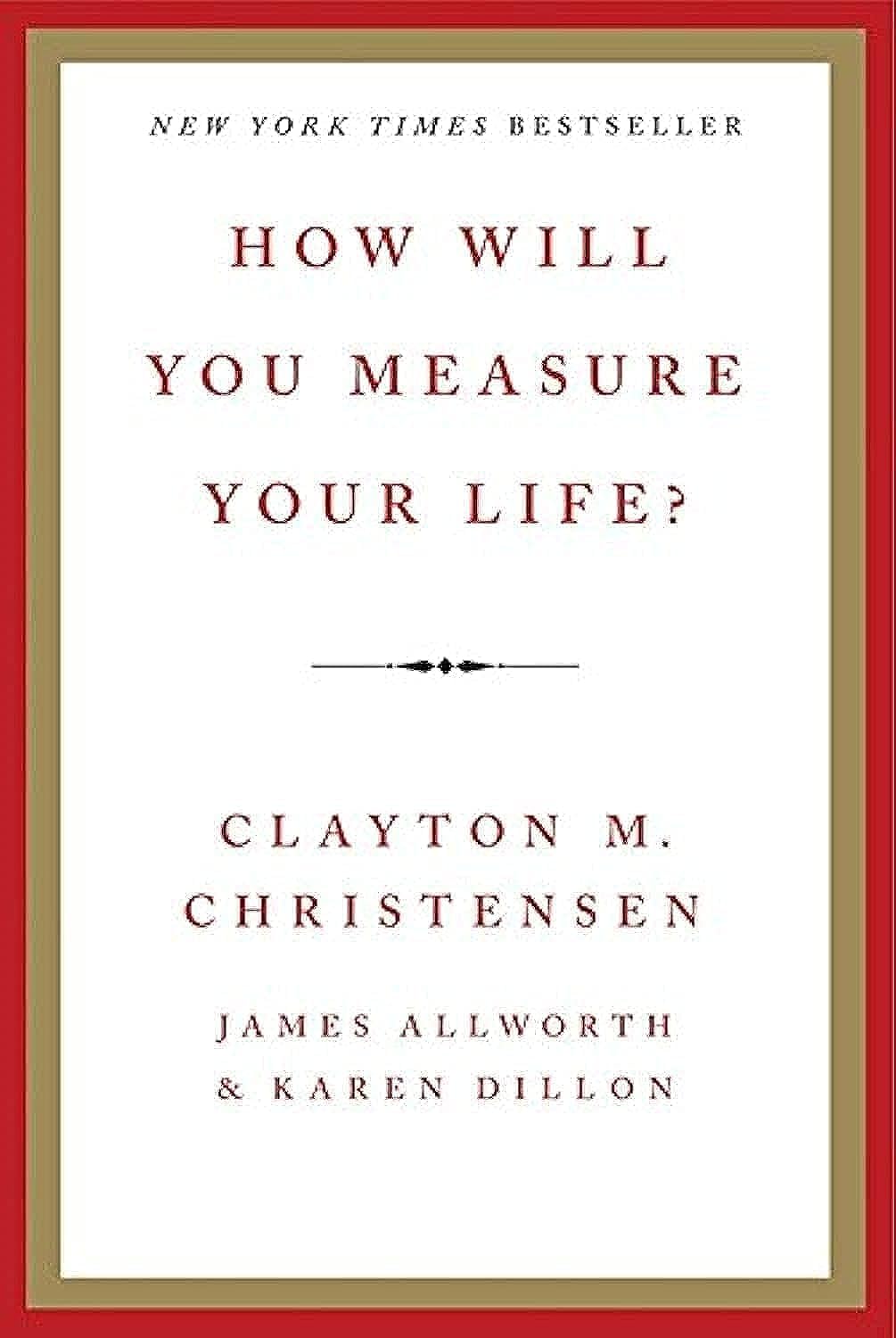
LIBRARY
How will you measure your life?
Clayton M. Christensen
Christensen applies his business theories to career, family and integrity. The marginal cost chapter, on breaking a principle just this once, is the one people remember.
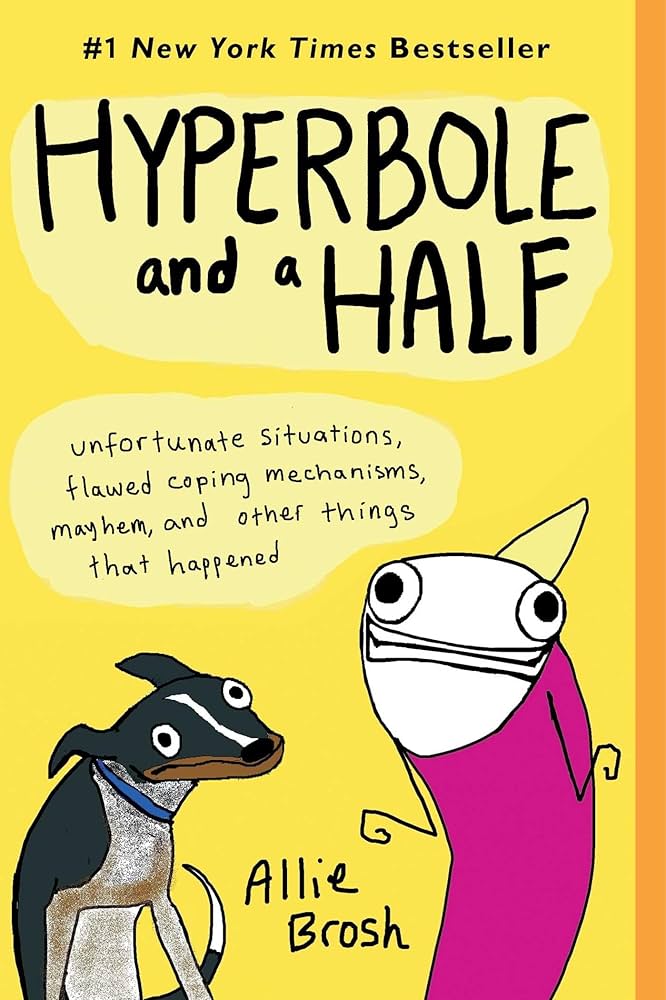
LIBRARY
Hyperbole and a half
Allie Brosh
Brosh's comics on childhood, dogs and depression, drawn in a deliberately crude style. The two depression chapters are why it is famous.
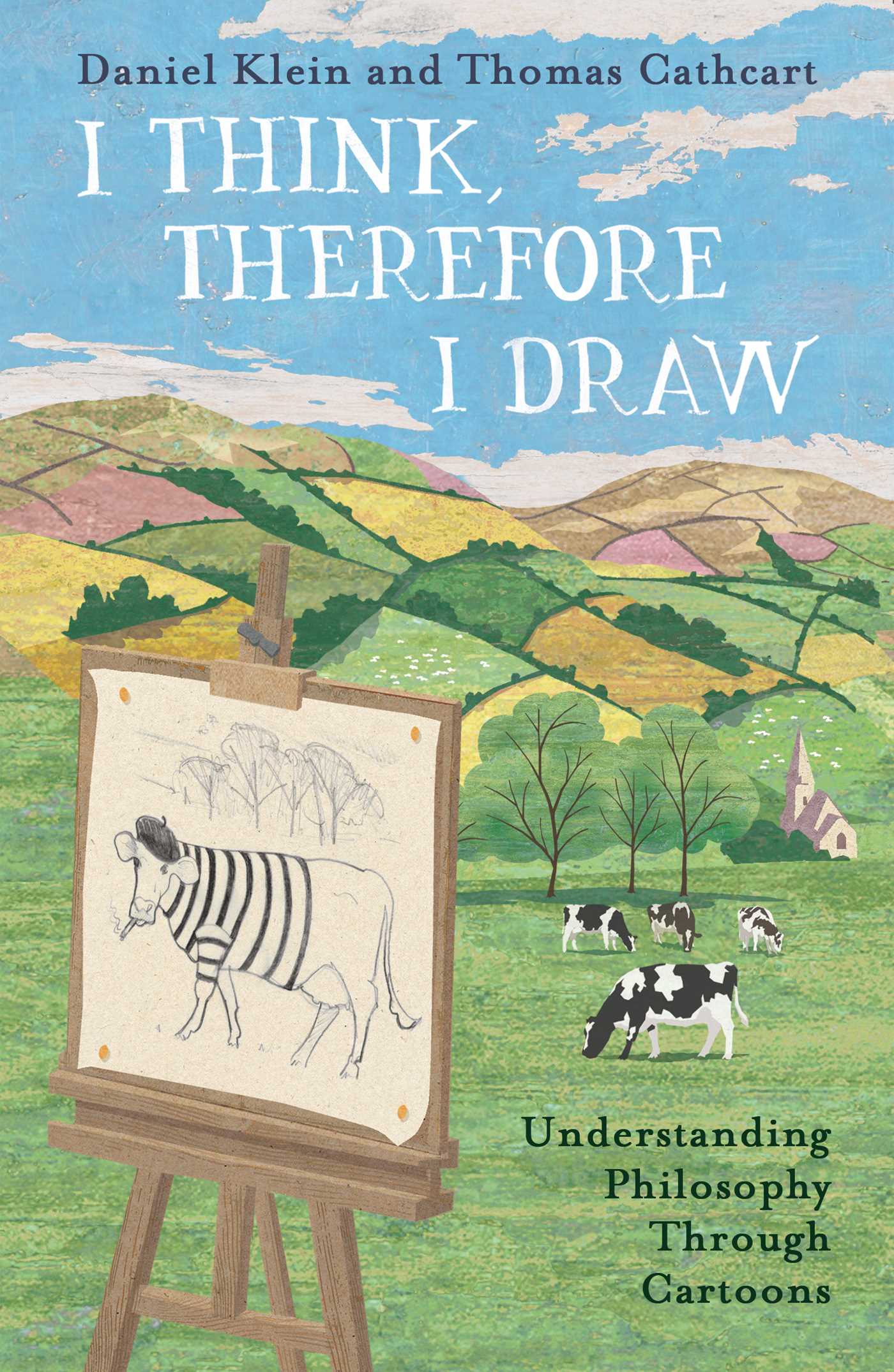
LIBRARY
I think, therefore I draw
Daniel Klein
Philosophy explained through cartoons, one gag per idea. From the authors of Plato and a Platypus.

LIBRARY
Ideas are your only currency
Rod Judkins
Short provocations on thinking differently from a Central Saint Martins lecturer.
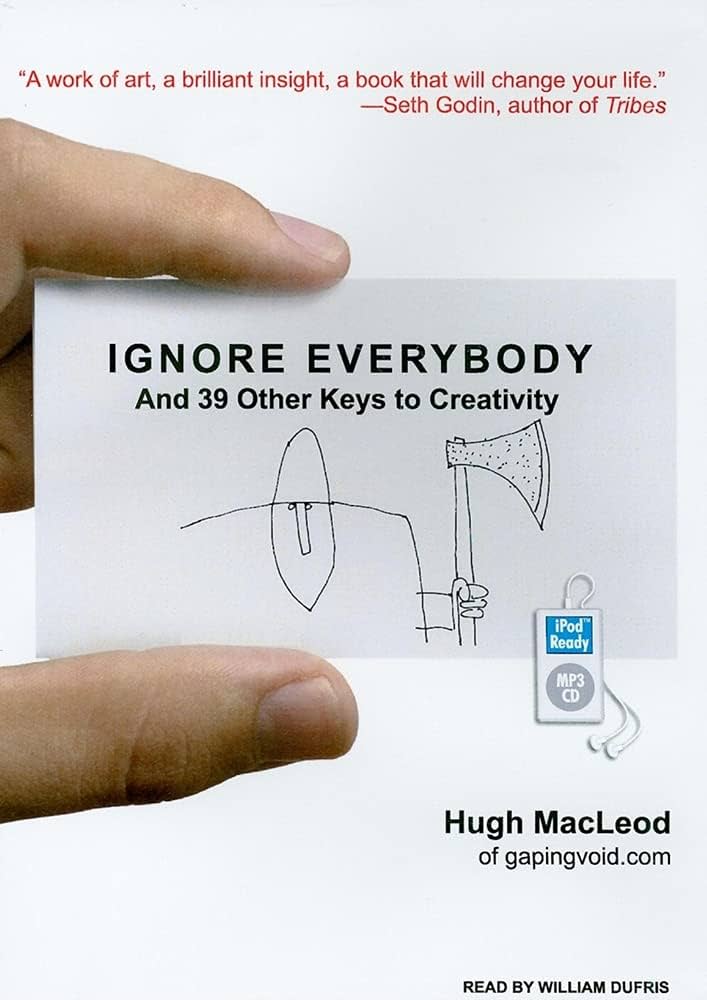
LIBRARY
Ignore everybody
Hugh MacLeod
MacLeod's 40 rules for creative work, each paired with one of his cartoons drawn on the back of business cards.
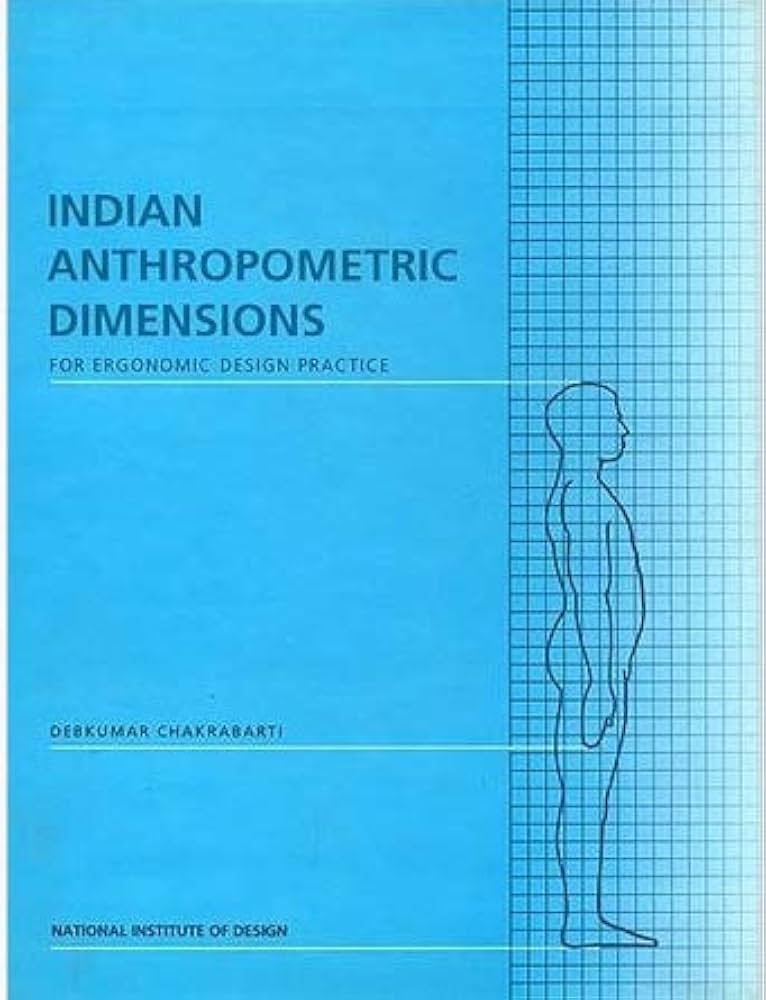
LIBRARY
Indian anthropometric dimensions
Debkumar Chakrabarti
Body measurements of Indian adults compiled at NID, with tables for designing chairs, workspaces and products. A reference for anyone designing for Indian bodies.
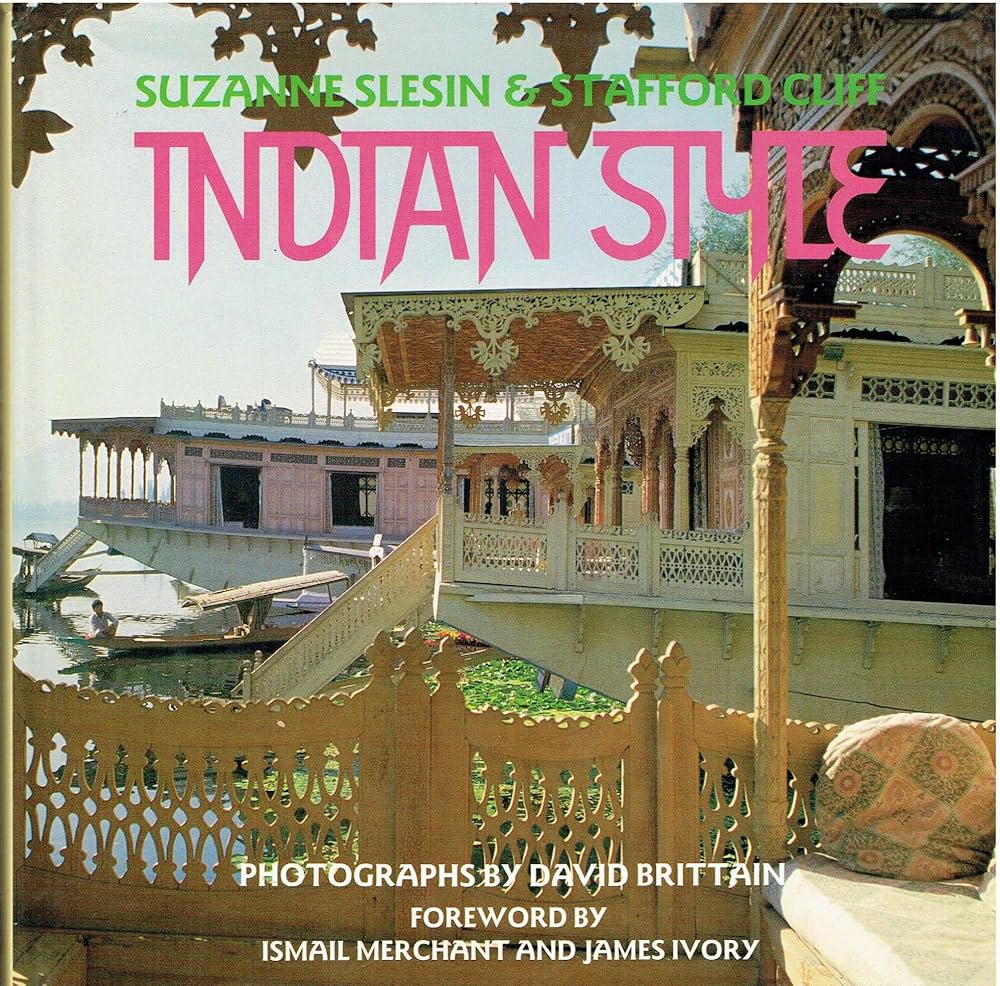
LIBRARY
Indian style
Deidi von Schaewen
Photographs of Indian interiors, from palaces to village homes.

LIBRARY
Industrial design - A to Z
Charlotte Fiell
An alphabetical survey of industrial designers and companies, one entry per page with product photographs.

LIBRARY
Intercom on starting up
Des Traynor, Eoghan McCabe, Paul Adams
Intercom's founders on building a startup: product, marketing and early hiring. Short essays from their blog.

LIBRARY
Inventing the medium
Janet H. Murray
Murray's textbook on designing for digital media as its own medium, organised around four properties: procedural, participatory, spatial and encyclopedic.

LIBRARY
Invisible Cities
Italo Calvino
Marco Polo describes 55 cities to Kublai Khan, each a page or two long. They may all be Venice.
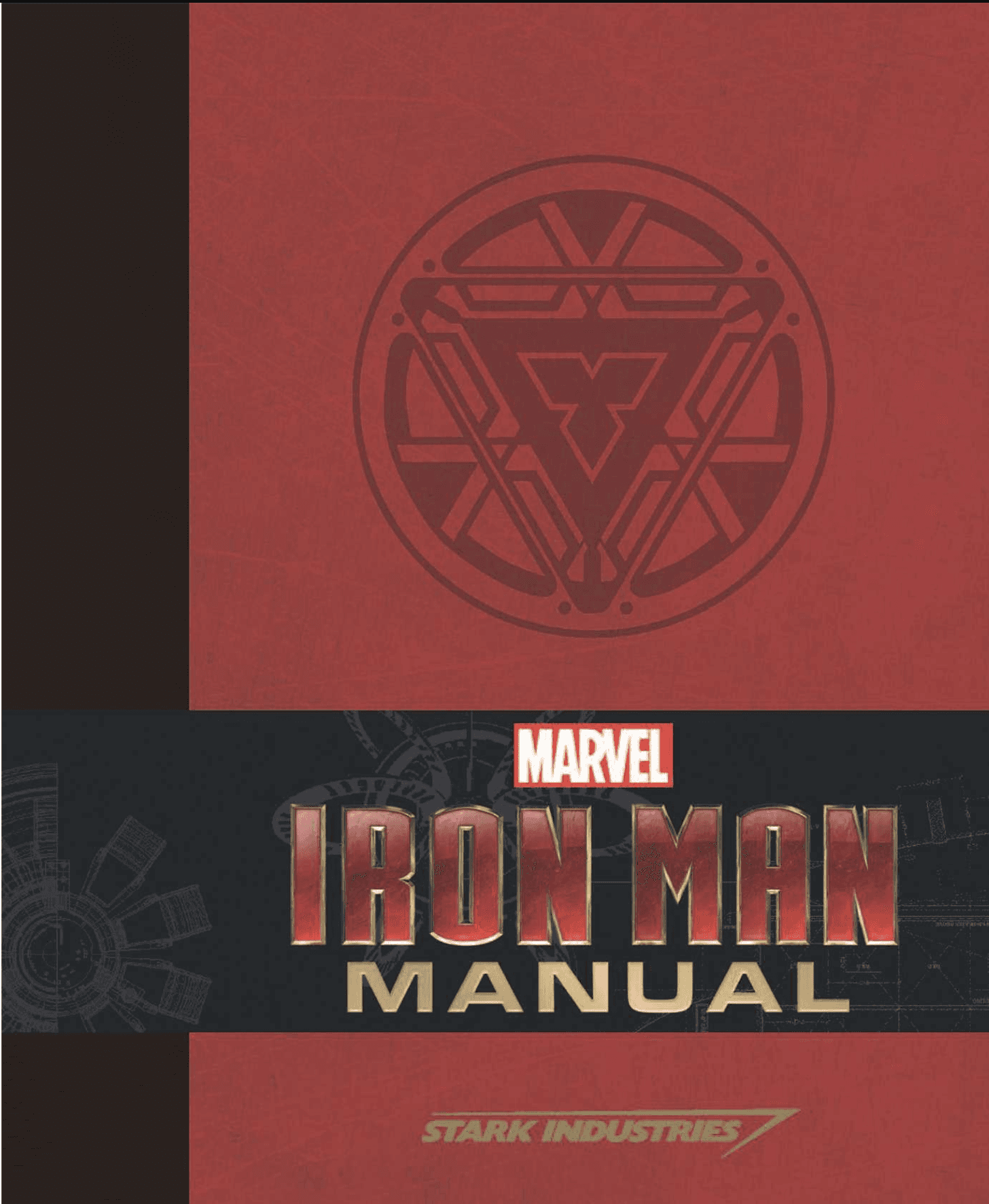
LIBRARY
Iron man manual
Daniel Wallace
An in-universe technical manual of Tony Stark's suits, with cutaways and specs.

LIBRARY
It does not have to be crazy at work!
Jason Fried
Fried and Hansson on running Basecamp without long hours, chat overload or growth for its own sake.
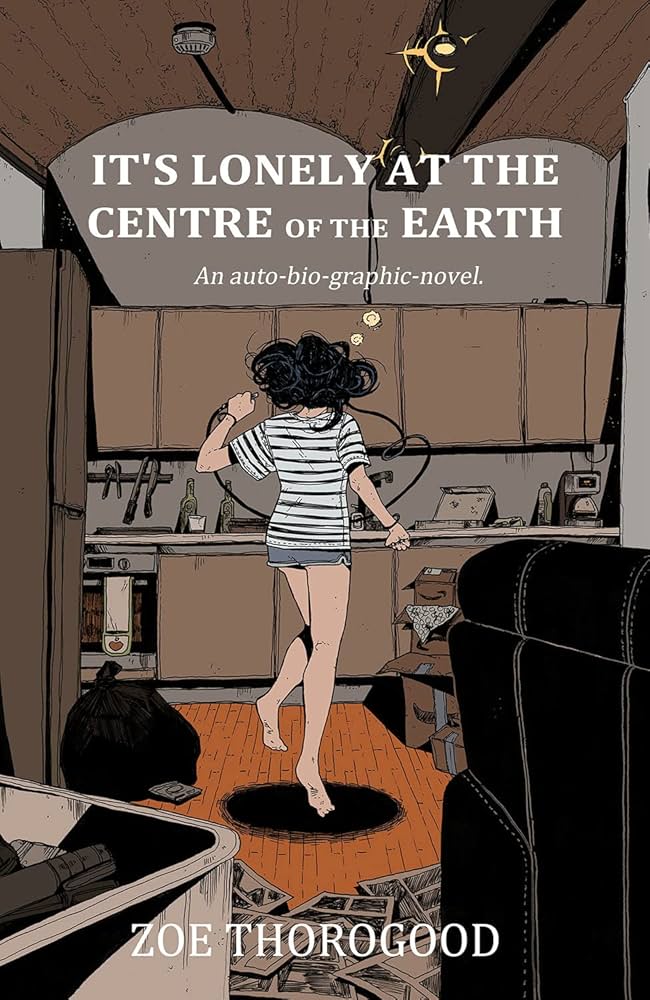
LIBRARY
It's lonely at the centre of the earth
Zoe Thorogood
Thorogood's autobiographical comic about depression, drawn in a different style every few pages.
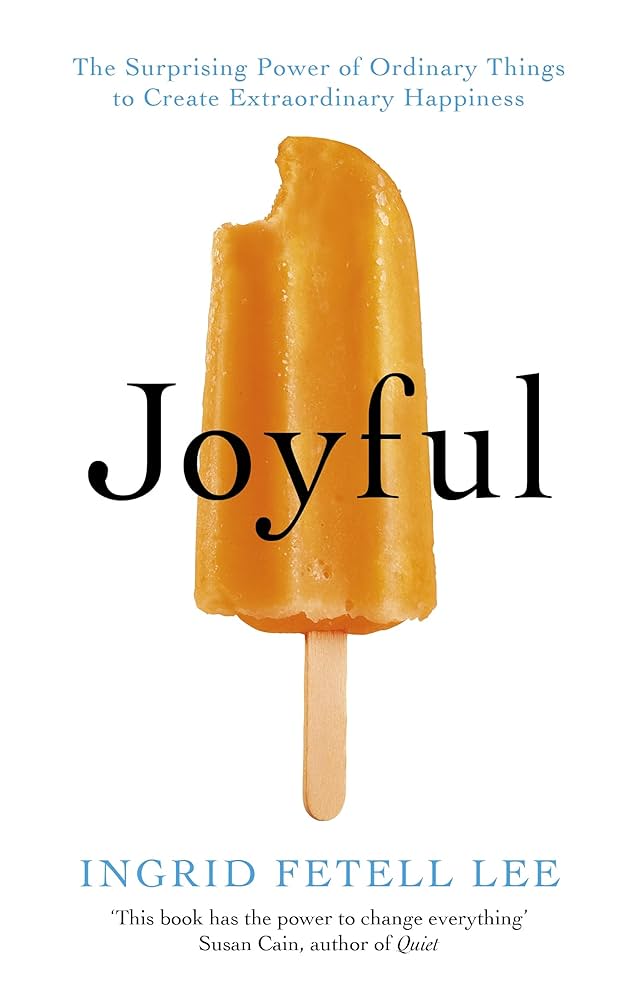
LIBRARY
Joyful
Ingrid Fetell Lee
Lee identifies ten aesthetics of joy, like roundness, abundance and colour, and shows how they appear in objects and places.
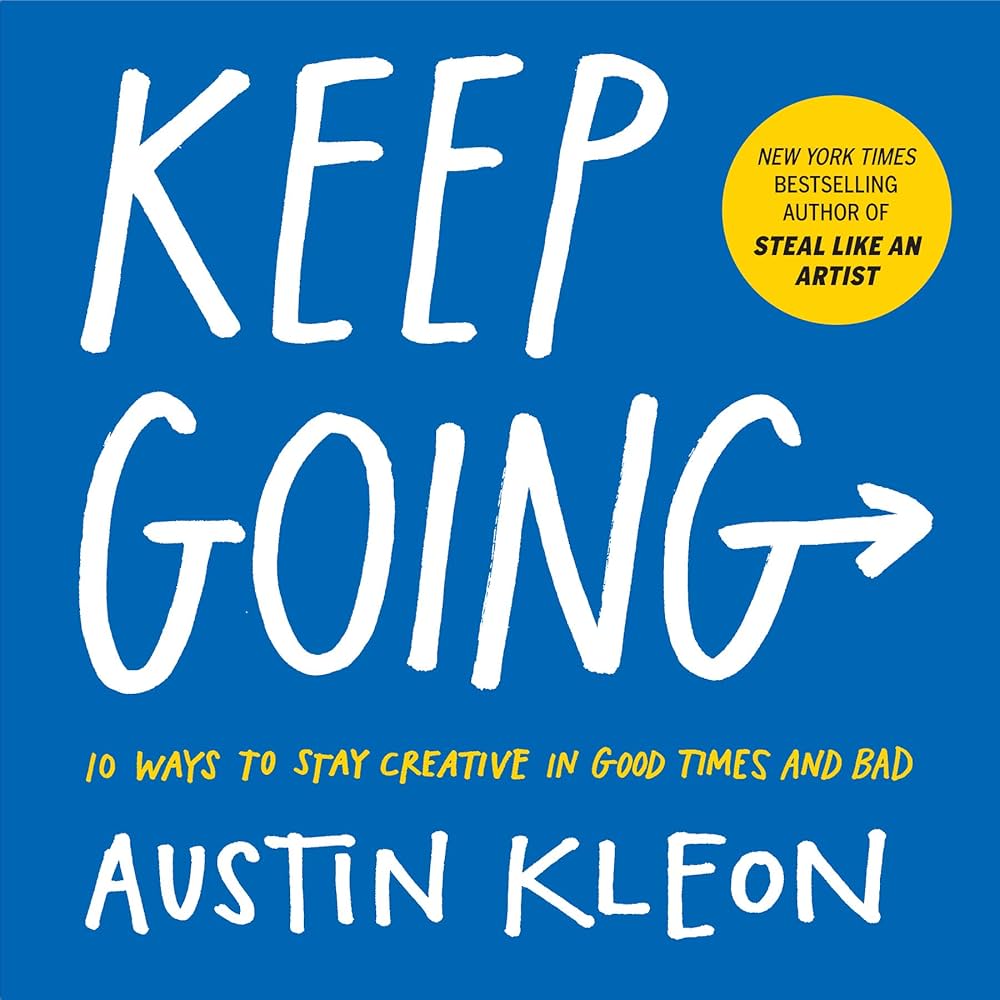
LIBRARY
Keep Going
Austin Kleon
Ten short rules for staying creative over years, not days. The third of Kleon's small books.

LIBRARY
Laws of UX
Jon Yablonski
Yablonski turns psychology findings like Hick's law and Jakob's law into interface rules, one per chapter.

LIBRARY
Leaders eat last
Simon Sinek
Sinek on why people trust leaders who put their safety first. Built on Marine Corps stories and brain chemistry.
LIBRARY
Lean in
Sheryl Sandberg
Sandberg on women and leadership, drawing on her years at Google and Facebook.
LIBRARY
Let my people go surfing
Yvon Chouinard
Chouinard on running Patagonia, one chapter each on product, environment and business philosophy.
LIBRARY
Liespotting
Pamela Meyer
Meyer on spotting deception in words and body language, written for business settings.
LIBRARY
Listen like you mean it
Ximena Vengoechea
A UX researcher on listening in everyday conversations, using techniques borrowed from user interviews.

LIBRARY
Loonshots
Safi Bahcall
Bahcall uses phase transitions from physics to explain why big organisations kill radical ideas, and how Vannevar Bush and Theodore Vail kept them alive.
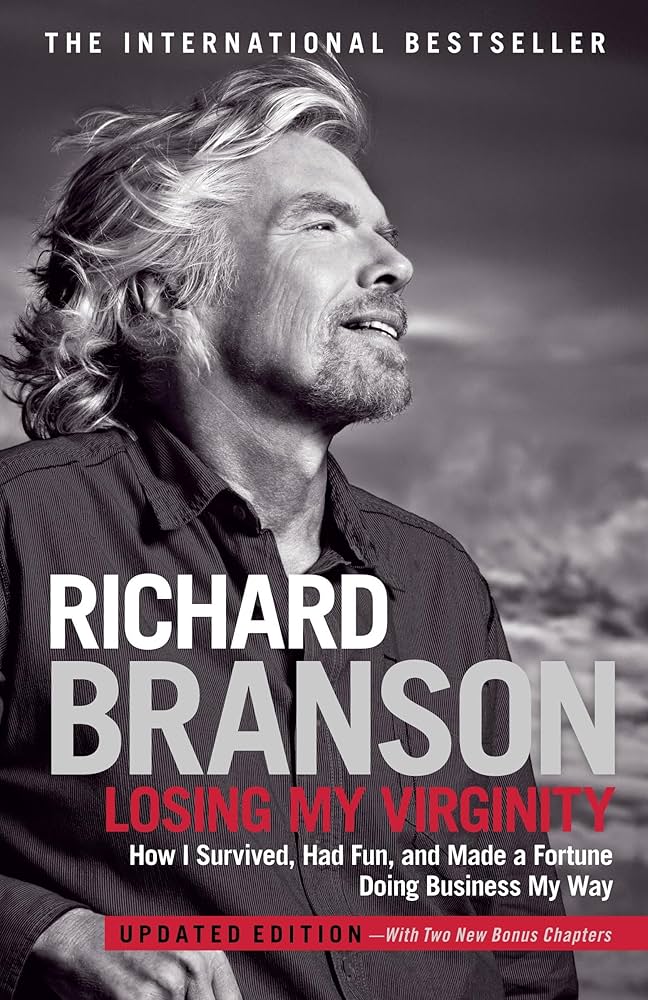
LIBRARY
Losing my virginity
Richard Branson
Branson's autobiography, from a student magazine to Virgin Records, an airline and balloon crossings.

LIBRARY
Made to stick
Chip Heath
The Heaths on why some ideas stick: simple, unexpected, concrete, credible, emotional, stories. Each principle with before and after examples.

LIBRARY
Magic words
Jonah Berger
Berger on which words change behaviour, from using nouns instead of verbs to asking for advice instead of feedback.

LIBRARY
Making ideas happen
Scott Belsky
Belsky on why most creative ideas die in execution, and his system of action steps, references and backburner items.
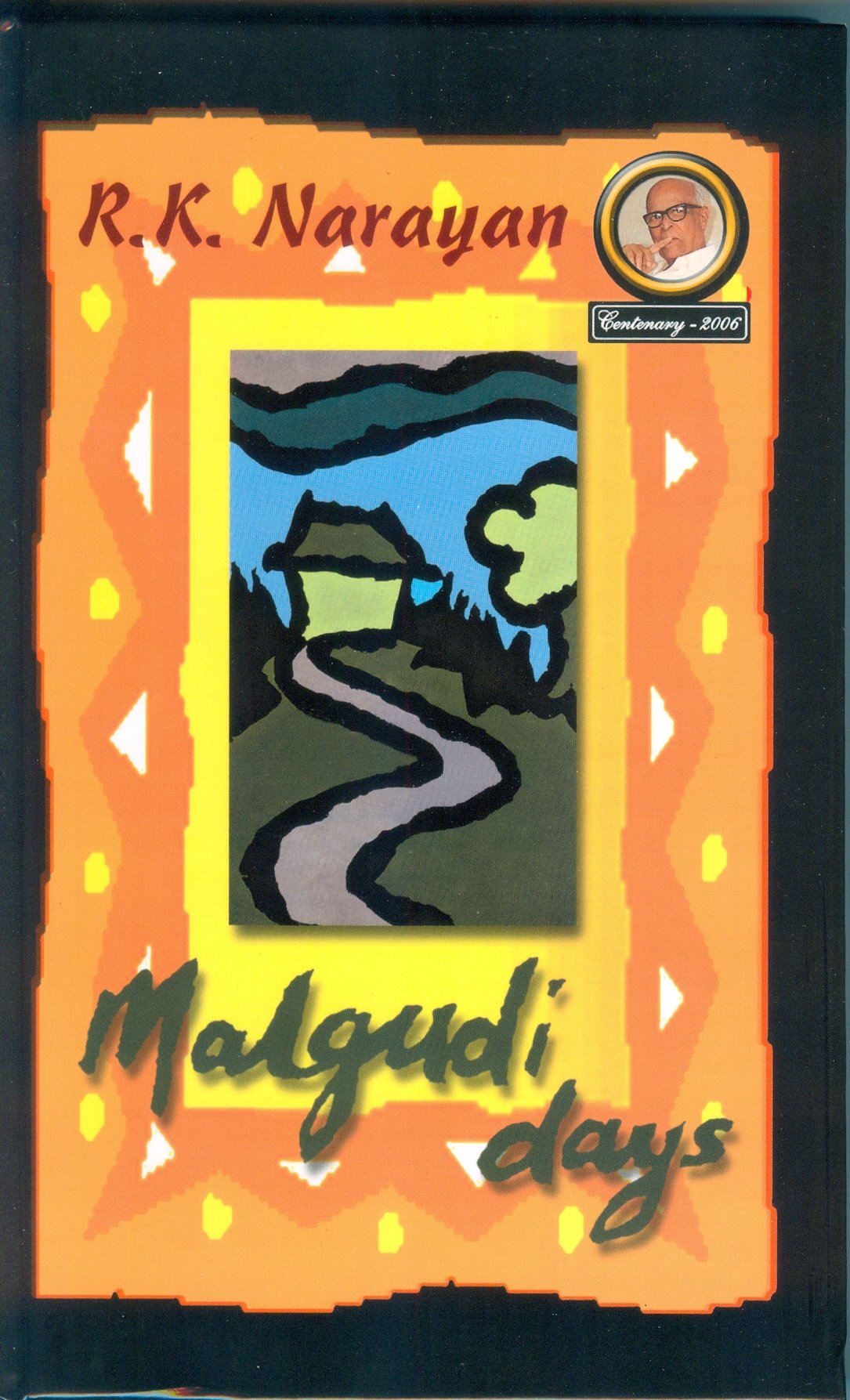
LIBRARY
Malgudi days
R. K. Narayan
Narayan's short stories set in a fictional South Indian town. Small lives, drawn exactly.
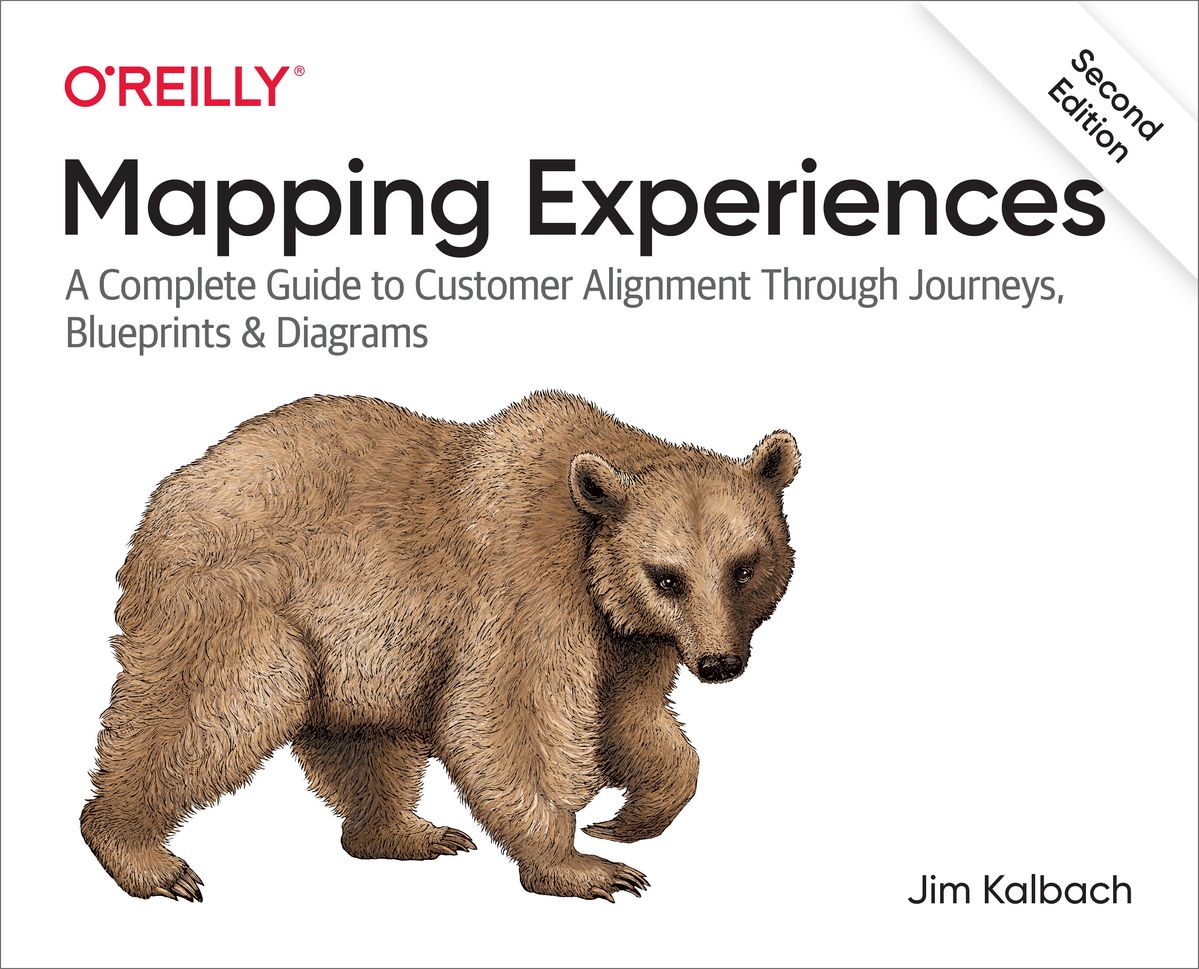
LIBRARY
Mapping experiences
James Kalbach
Kalbach on journey maps, service blueprints and experience maps: when to use which and how to make them.

LIBRARY
Marks of excellence
Per Mollerup
Mollerup's history and taxonomy of trademarks, from heraldry to corporate logos, classified by type.
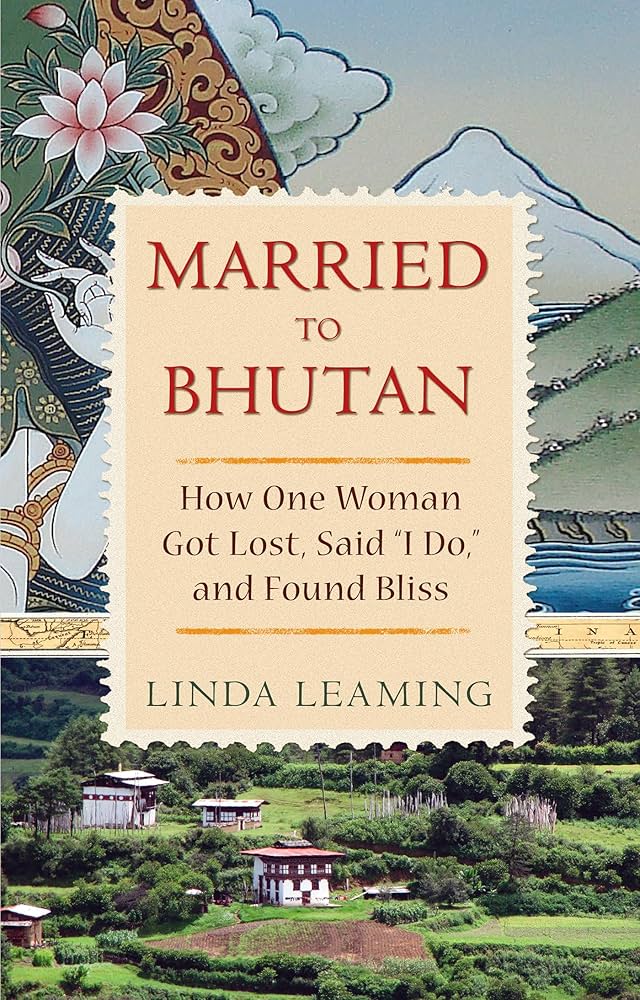
LIBRARY
Married to Bhutan
Linda Leaming
An American woman moves to Bhutan and marries a local painter. Memoir.
LIBRARY
Meanwhile
Jason Shiga
A choose-your-path comic with tabs to follow between pages. 3,856 possible stories about a boy and a mad scientist.

LIBRARY
Metamorphosis
Franz Kafka
Gregor Samsa wakes up as an insect and his family has to deal with it. About 70 pages.

LIBRARY
Million dollar weekend
Noah Kagan
Kagan's method for starting a business in a weekend: ask, validate with pre-sales, then build.

LIBRARY
Mindset
Carol S. Dweck
Dweck's fixed versus growth mindset, with examples from school, sport and business.
LIBRARY
More shit my dad says
Justin Halpern
More of Halpern's father's blunt remarks, with the stories behind them.
LIBRARY
Multipliers
Liz Wiseman
Wiseman on leaders who make their teams smarter and those who drain them, with five disciplines of the first kind.
LIBRARY
My Gita
Devdutt Pattanaik
Pattanaik reads the Bhagavad Gita by theme rather than verse, with his own line drawings.
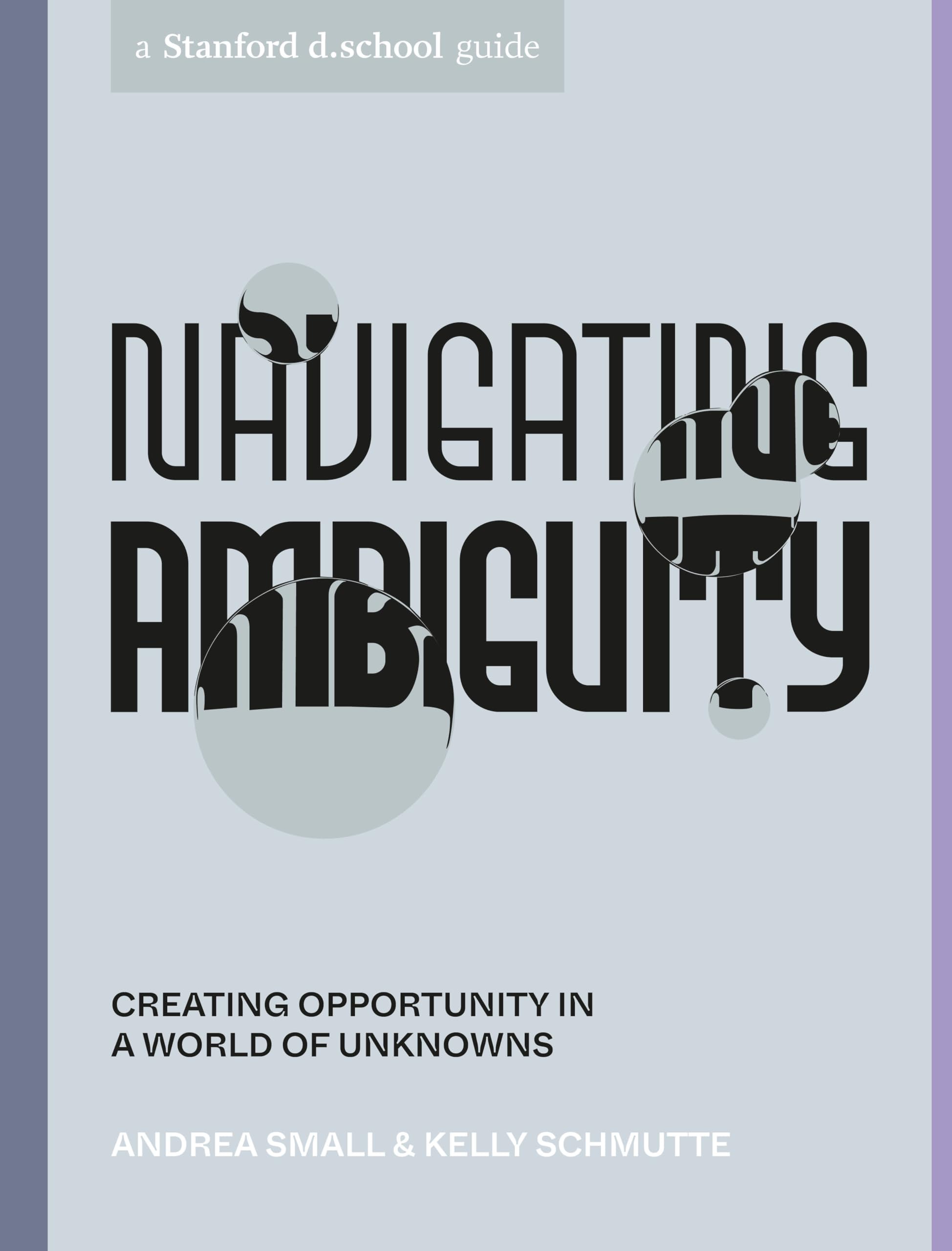
LIBRARY
Navigating ambiguity
Andrea Small
A Stanford d.school guide to working when the problem itself is unclear. Short and illustrated.
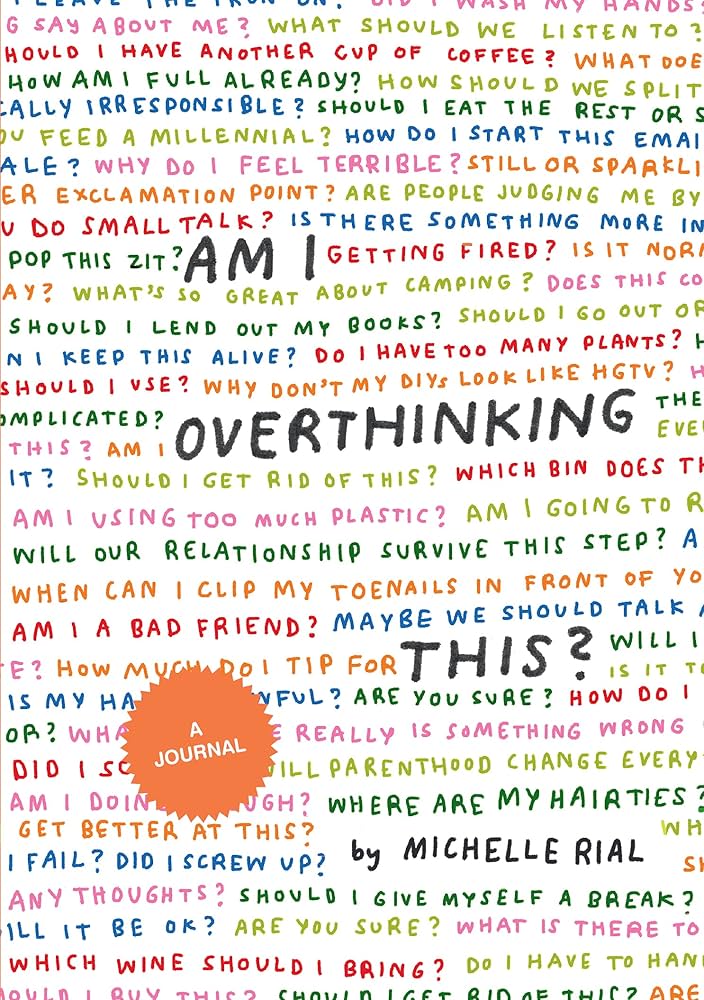
LIBRARY
Am I overthinking this? a journal
Michelle Rial
The journal version of Rial's chart book. The prompts ask you to chart your own worries instead of reading hers.
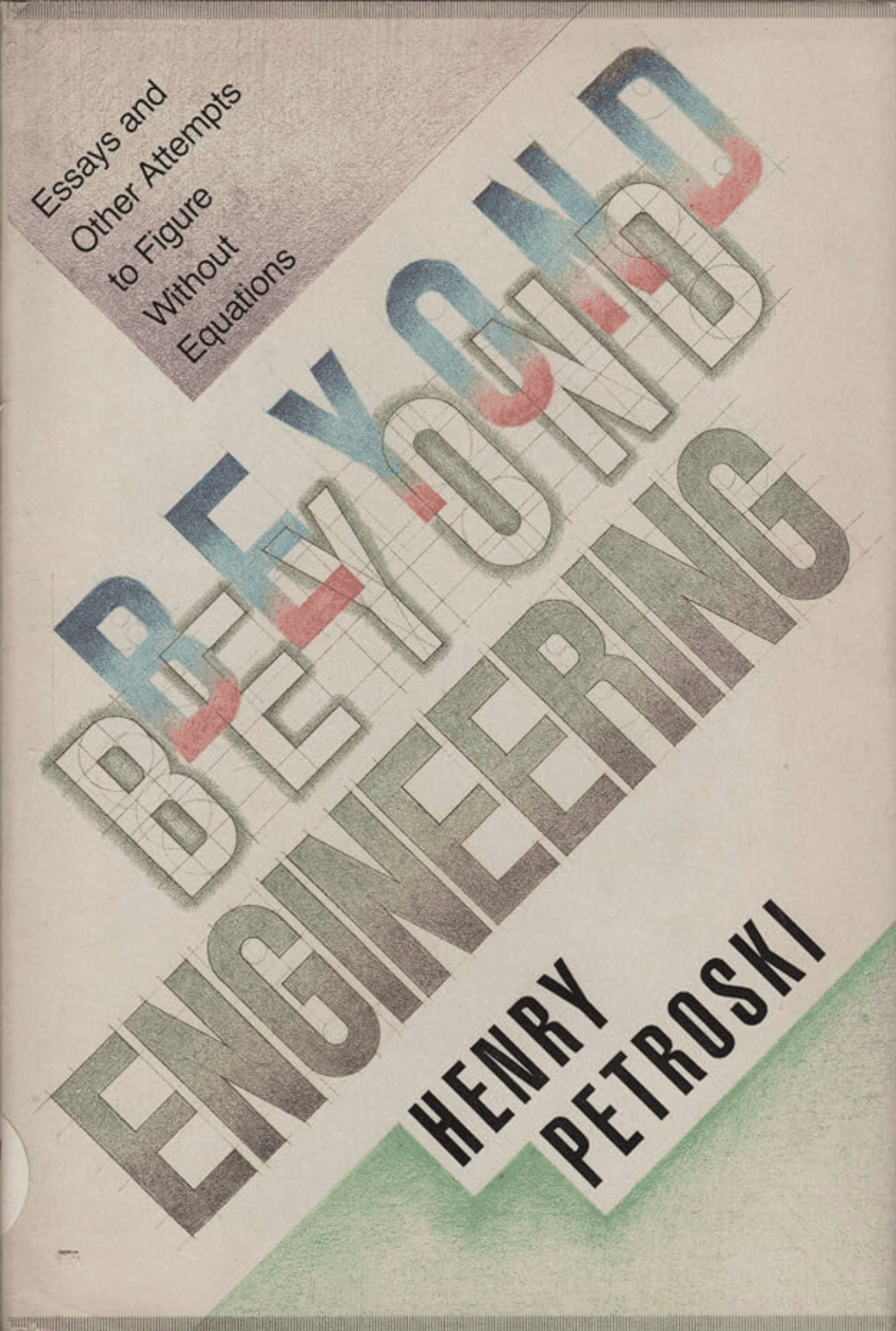
LIBRARY
Beyond engineering
Robert Pool
Pool on how technology gets shaped by things outside engineering: regulation, public fear, money and history. The nuclear power chapters carry most of the argument.

LIBRARY
Do One Thing Every Day That Makes You Smarter: A Journal
Robie Rogge
A journal with one small prompt a day to learn something new.

LIBRARY
Do one thing everyday that scares you: A journal
Robie Rogge
A journal of small daily dares, one prompt a page.
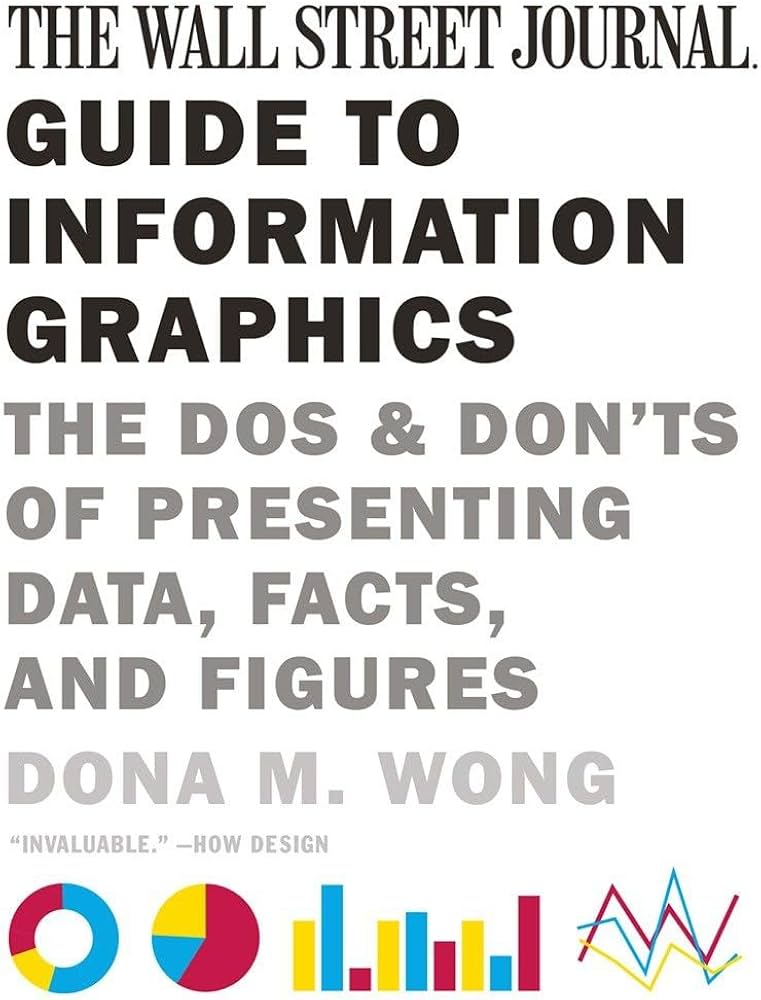
LIBRARY
Guide to information graphics
Dona M. Wong
A rulebook for charts from the Wall Street Journal's former graphics director. Short, specific rules on scales, colour and labels.
LIBRARY
Hidden in plain sight
Jan Chipchase
Chipchase spent years watching how people from Kabul to Tokyo use phones and money. A field guide to seeing why people do what they do.

LIBRARY
House of Huawei
Eva Dou
Eva Dou's history of Huawei, from Ren Zhengfei's army years to US sanctions. Reported from outside, not authorised.
LIBRARY
How Google works
Eric Schmidt
Schmidt and Rosenberg on managing what they call smart creatives. Hiring, decisions and culture as practised at Google.
LIBRARY
How things work
Louis Bloomfield
A physics textbook organised around objects: skates, bicycles, clocks, microwave ovens. Each chapter starts from the thing and works back to the principle.
LIBRARY
How to build a car
Adrian Newey
Newey on forty years designing racing cars, told car by car with his own drawings. Aerodynamics explained by the person who shaped it.
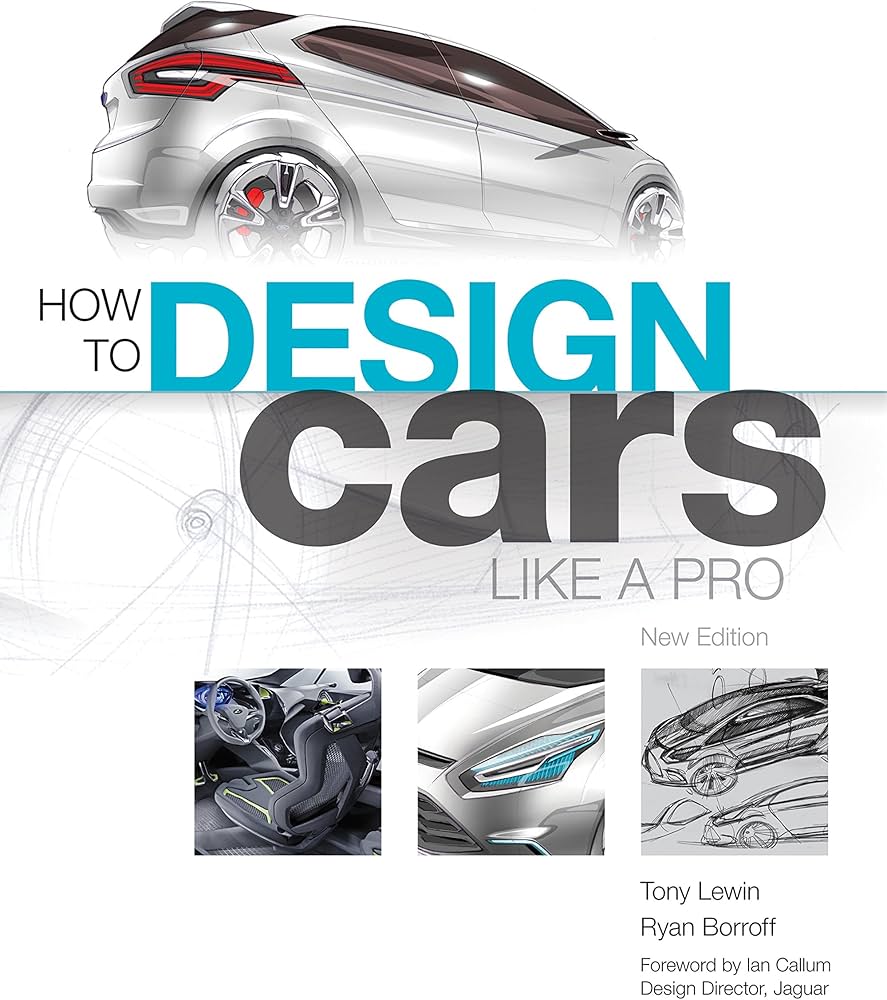
LIBRARY
How to design cars like a pro
Tony Lewin
How car design studios work, from sketch to clay model to production, with case studies from major manufacturers.
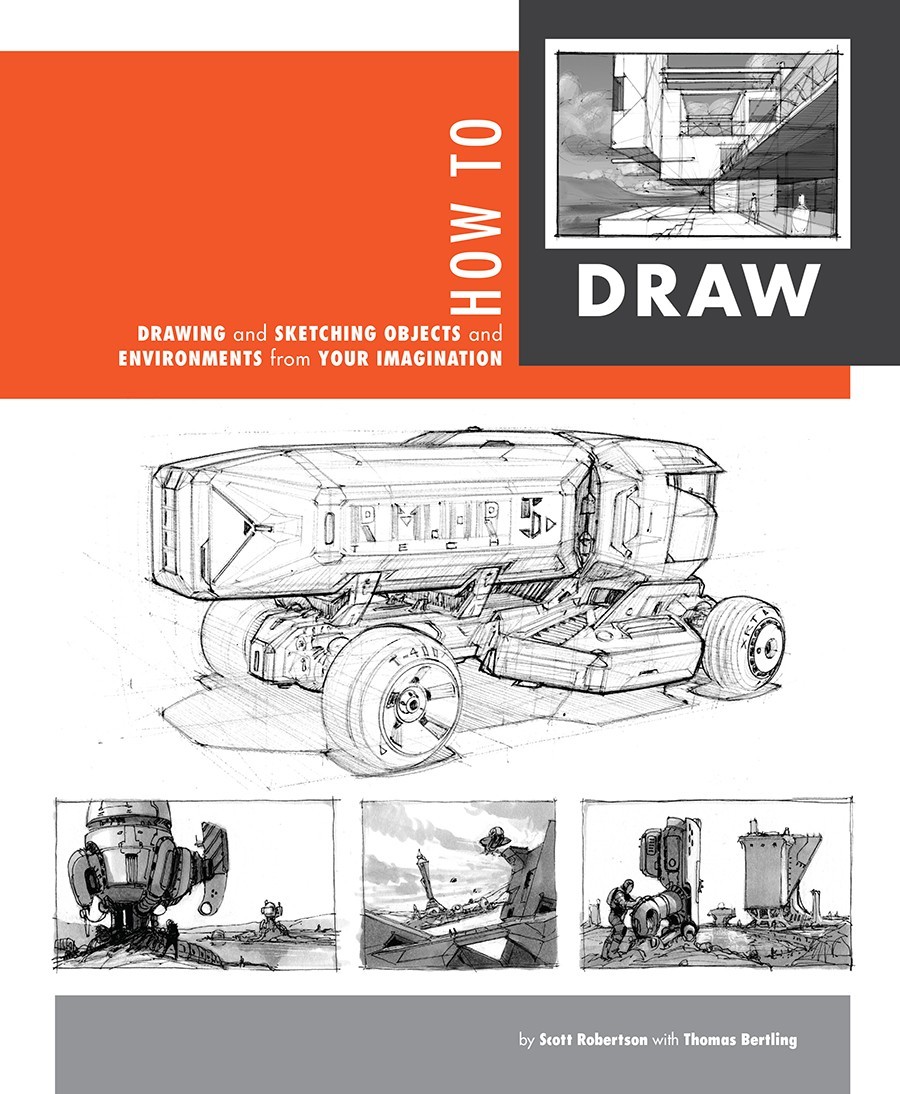
LIBRARY
How to draw
Scott Robertson
Robertson's perspective course for designers. Learn to construct objects in space, then draw anything. Exercises build from lines to complex forms.
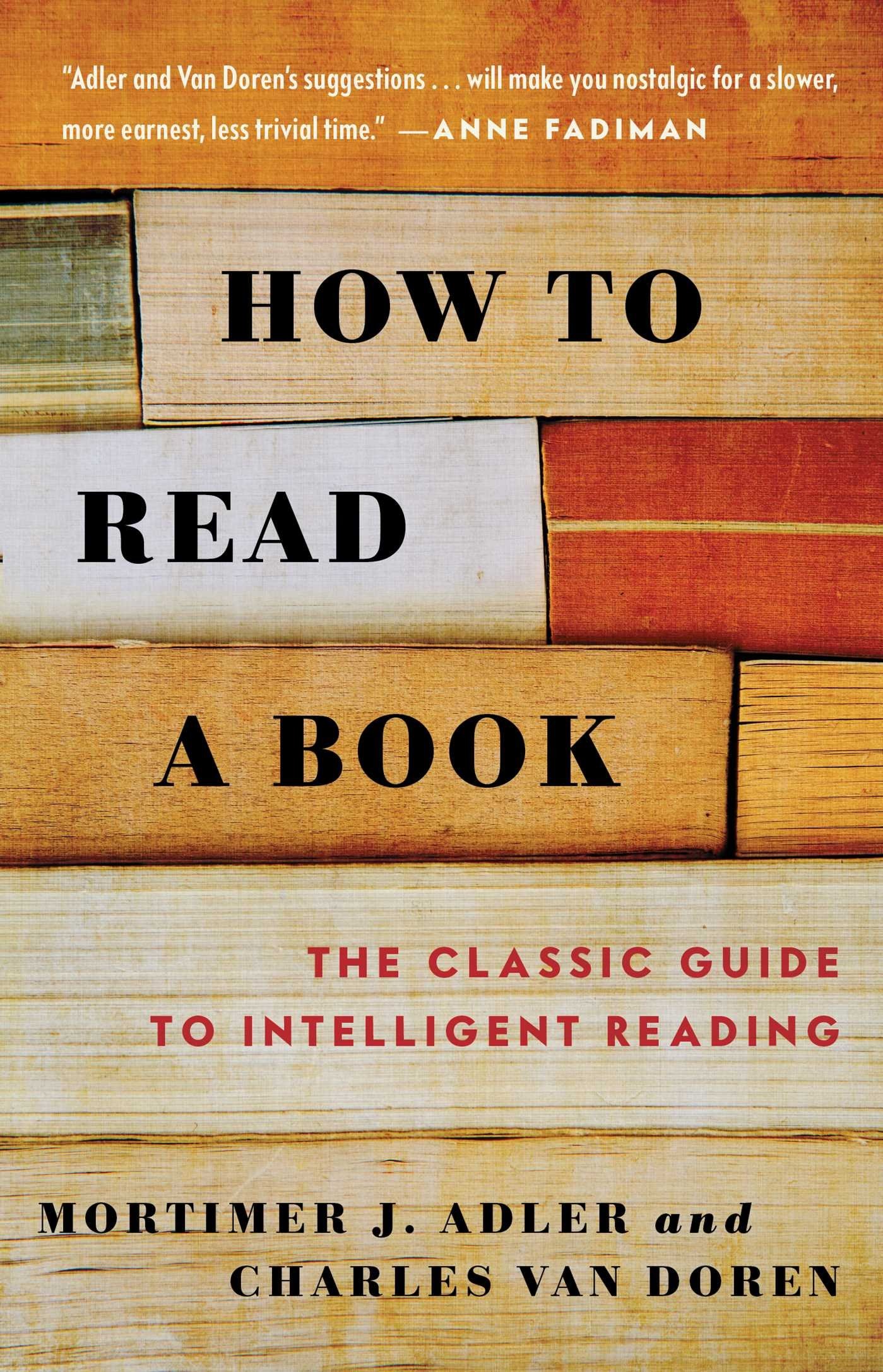
LIBRARY
How to read a book
Mortimer J. Adler
Adler's 1940 manual on reading at four levels, from basic to comparing many books on one subject. Includes how to read each kind of book.
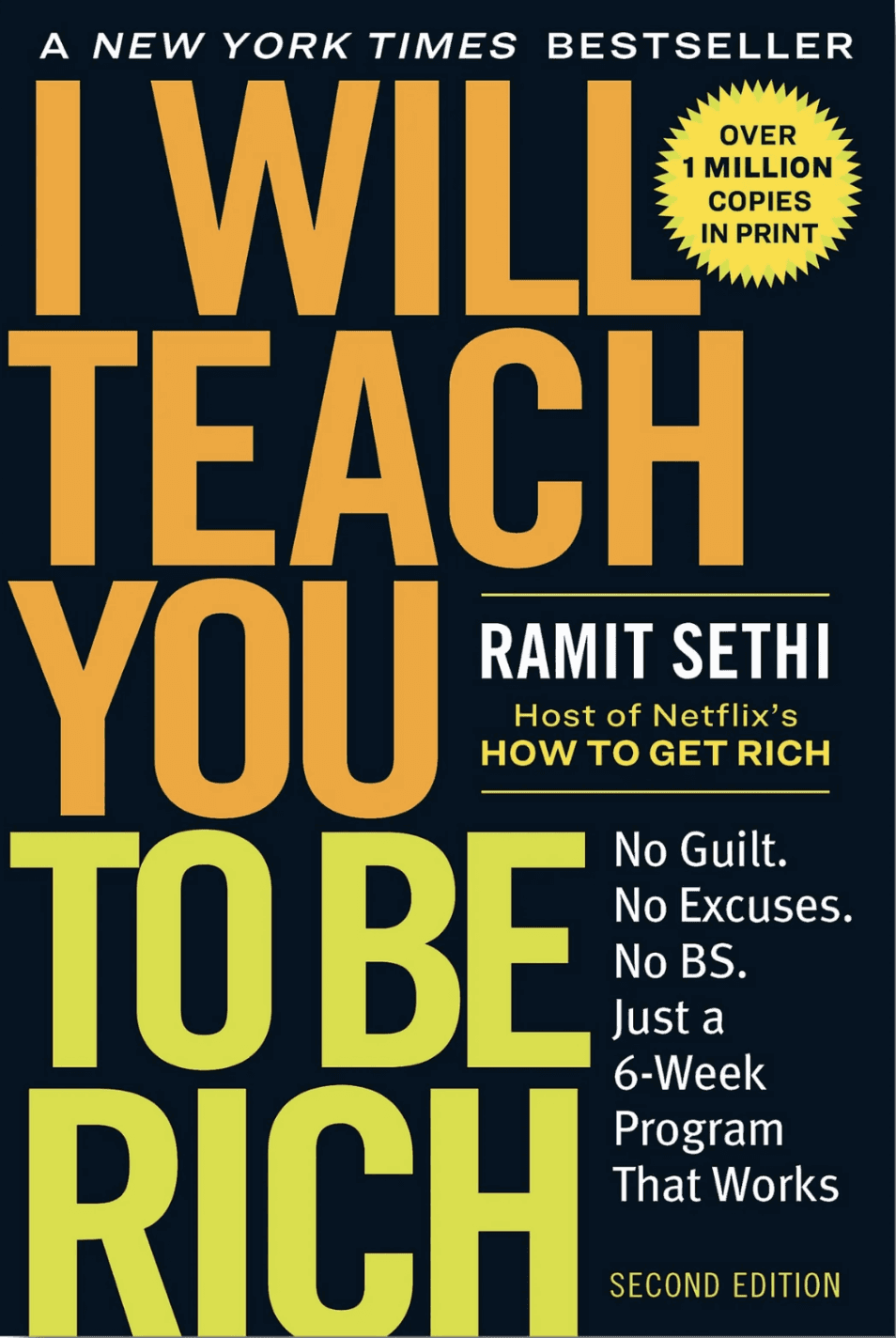
LIBRARY
I will teach you to be rich
Ramit Sethi
Sethi's six-week plan for automating money: accounts, credit, investing, conscious spending. Written for American systems but the logic transfers.
LIBRARY
Information dashboard design
Stephen Few
Few on designing dashboards that can be read at a glance. Bad examples annotated, then rebuilt.
LIBRARY
Information design Workbook
Kim Baer
Case studies of information design projects, from wayfinding to reports to interfaces, with the process shown.
LIBRARY
Insanely simple
Ken Segall
Segall, the ad man who named the iMac, on simplicity as Apple's working method. Stories from the agency side.
LIBRARY
Inside Apple
Adam Lashinsky
Lashinsky on how Apple is organised: secrecy, directly responsible individuals and a functional structure. Reported from outside through former employees.
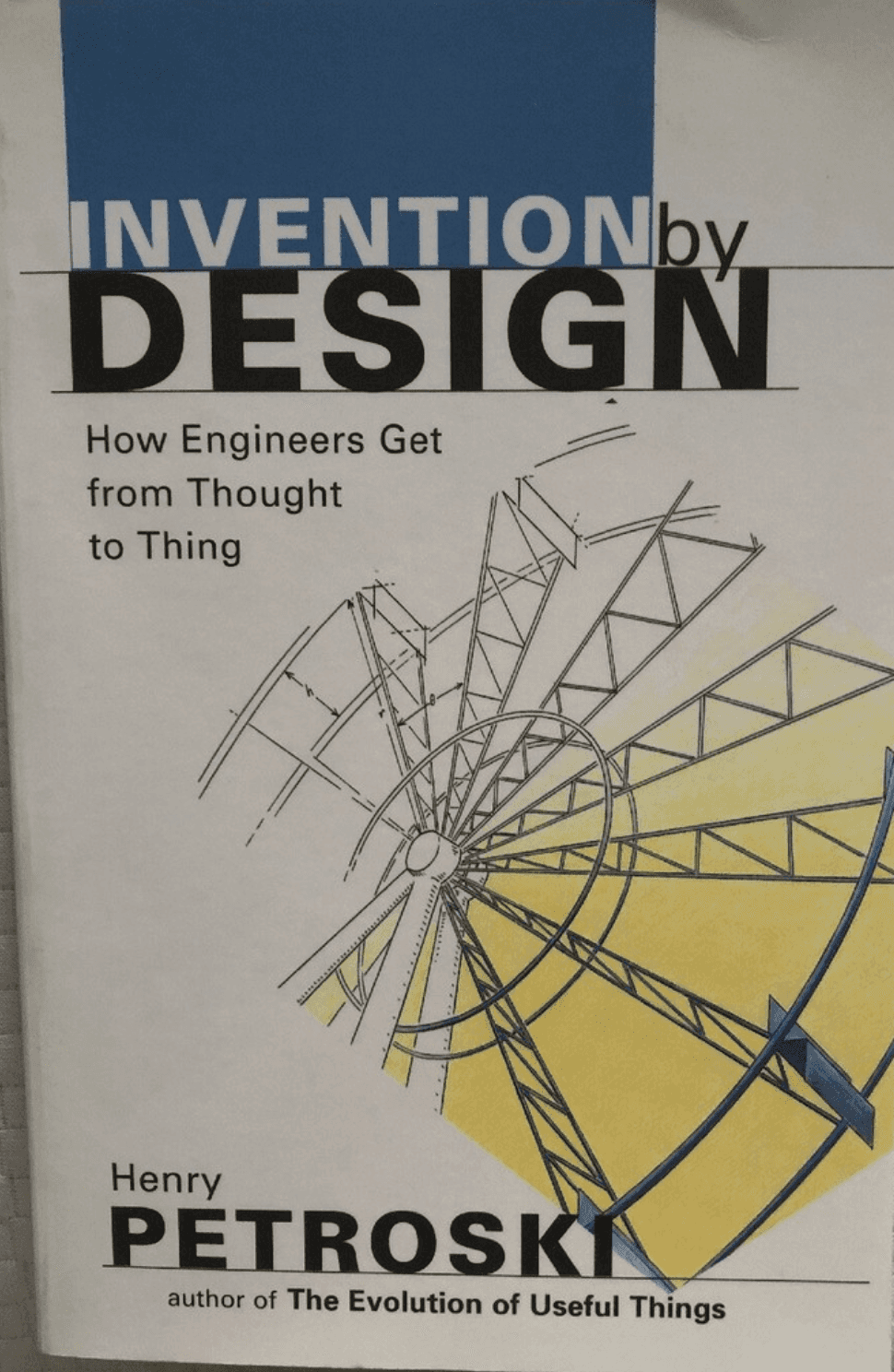
LIBRARY
Invention by design
Henry Petroski
Petroski follows how the paper clip, zip, fax machine and bridges got their shapes. Every case comes down to constraints.
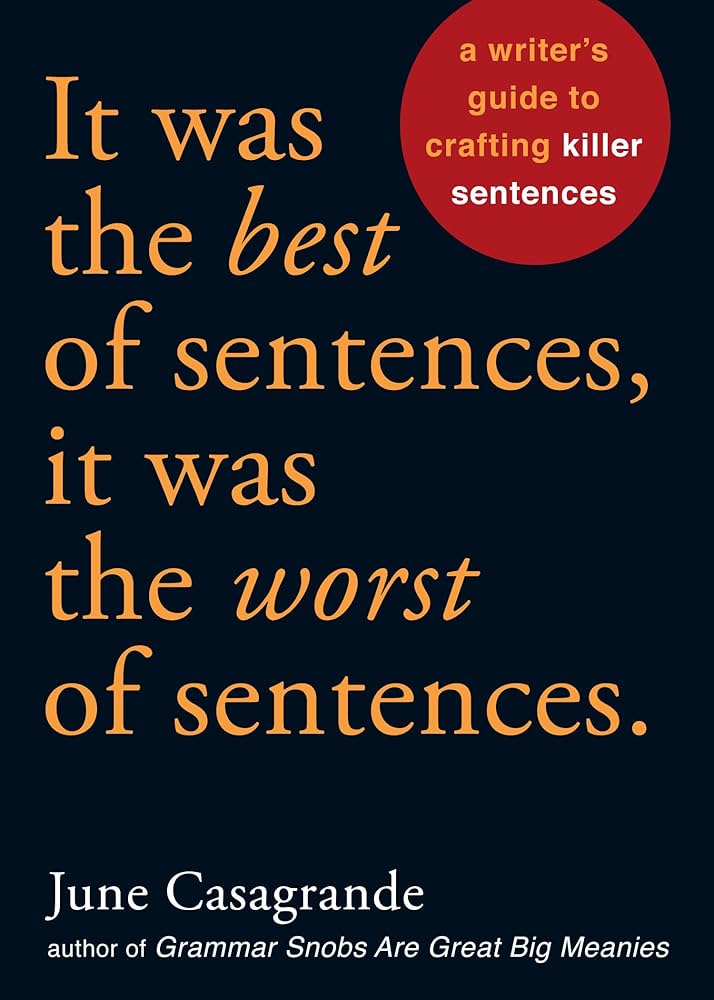
LIBRARY
It was the best of sentences, it was the worst of sentences
June Casagrande
A guide to writing clear sentences, with grammar explained through bad examples.
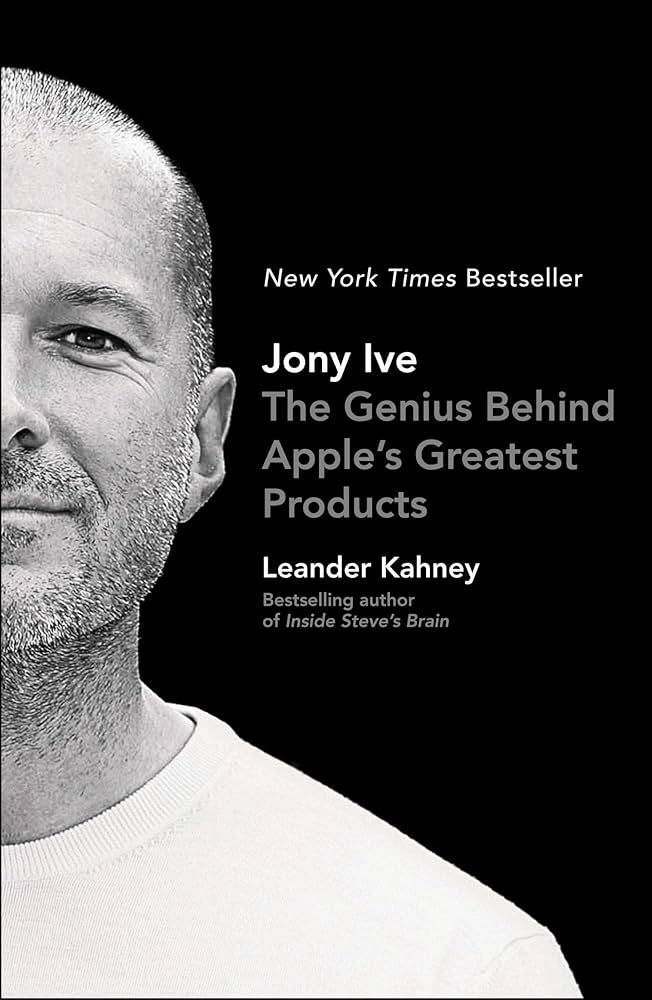
LIBRARY
Jony Ive
Leander Kahney
Kahney's biography of Ive, from Newcastle Polytechnic to Apple's design studio. Strong on the product histories, thin on Ive himself since he did not take part.
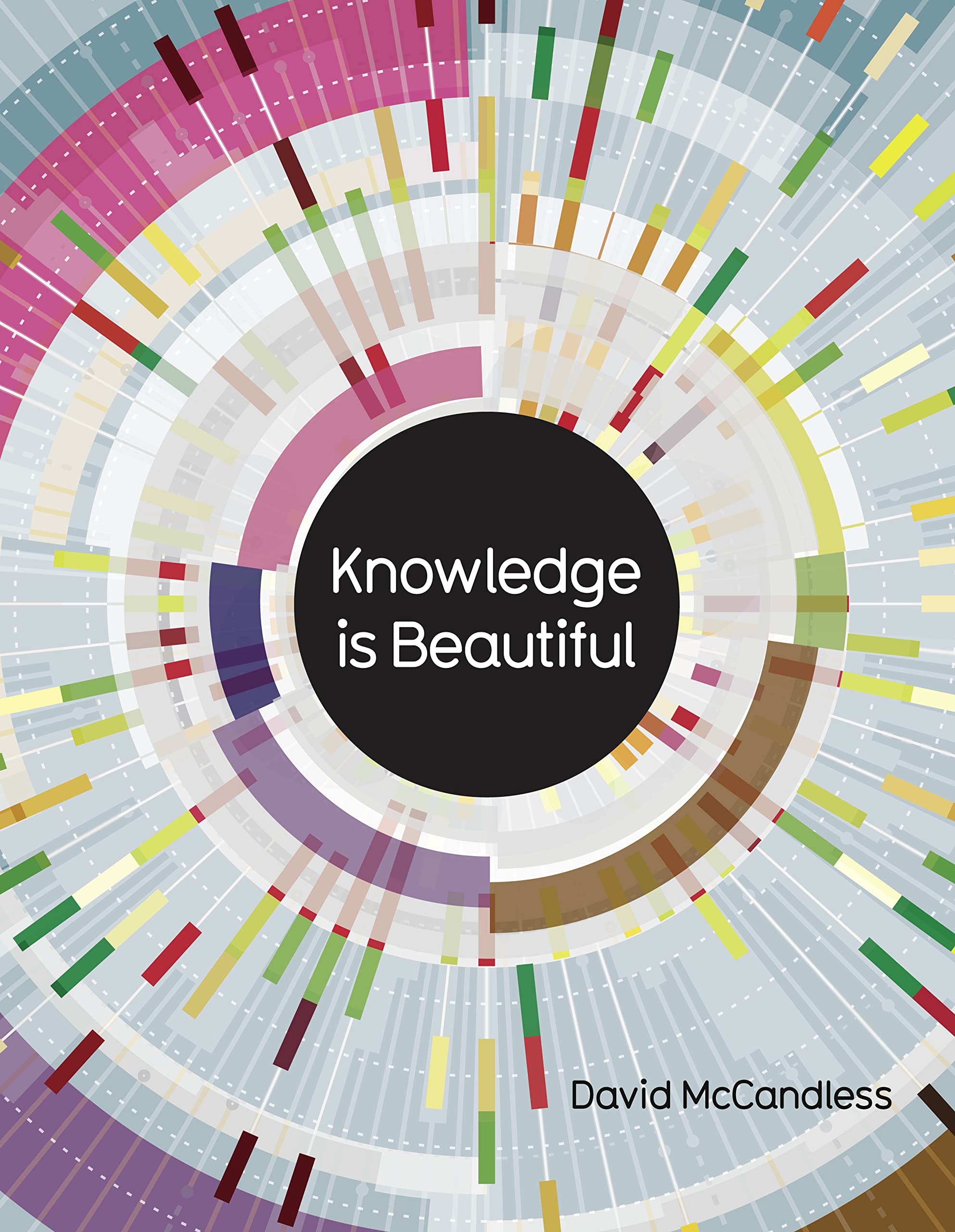
LIBRARY
Knowledge is beautiful
David McCandless
McCandless's second infographic collection. Big datasets turned into full-page visuals.
LIBRARY
Lateral thinking
Edward de Bono
De Bono's textbook on deliberately breaking patterns in thinking, with exercises. The book that coined the term.

LIBRARY
Let's Talk Money
Monika Halan
Halan's plain guide to personal finance in India: insurance, mutual funds and a simple three-account system.
LIBRARY
Level up!
Scott Rogers
Rogers's guide to video game design: levels, characters, cameras and controls, illustrated with his own cartoons.
LIBRARY
Lost and founder
Rand Fishkin
Fishkin on the startup myths he learnt the hard way building Moz: funding, growth and being CEO.

LIBRARY
Main street millionaire
Codie Sanchez
Sanchez's case for buying boring small businesses like laundromats instead of starting startups.
LIBRARY
Make wearable electronics: 2nd edition
Kate Hartman
Hartman's project book on building circuits into clothing, from conductive thread to sensors.

LIBRARY
Making It, Third edition
Chris Lefteri
Lefteri's reference of manufacturing processes, each with a diagram, typical products, costs and volumes.
LIBRARY
Manufacturing processes for design professionals
Rob Thompson
Thompson photographs each process on the factory floor, step by step, from blow moulding to CNC machining.

LIBRARY
Meditations
Marcus Aurelius
Marcus Aurelius's private notes to himself while running an empire at war. Never meant to be published.

LIBRARY
Michel Vaillant Legendary Races 1: In the Hell of Indianapolis
Jean Graton
A Michel Vaillant racing comic set at the Indianapolis 500.
LIBRARY
Microcopy: The complete guide
Kinneret Yifrah
Yifrah on writing the small text in interfaces: buttons, error messages, empty states and forms.

LIBRARY
Nendo
Nendo
A monograph of Oki Sato's studio, with hundreds of projects, each built on a small twist to an ordinary object.
LIBRARY
Never Enough
Andrew Wilkinson
Wilkinson on building Tiny and getting rich, then finding money did not fix the anxiety behind it.

LIBRARY
Never lose a customer again
Joey Coleman
Coleman maps the first 100 days with a new customer in eight phases, with examples of small gestures that keep them.
LIBRARY
Nike
Sam Grawe
Phaidon's book on Nike's design culture, told through its products, studios and designers.
LIBRARY
Nine Lies about work
Marcus Buckingham
Buckingham and Goodall take apart workplace beliefs like cascading goals and 360 feedback, using survey data.

LIBRARY
No rules rules
Reed Hastings
Hastings and Erin Meyer on Netflix's culture: build talent density, add candour, then remove controls like the travel policy.

LIBRARY
Notes of a dirty old man
Charles Bukowski
Bukowski's columns for an LA underground paper from the late 1960s.
LIBRARY
Nudge
Richard H. Thaler
Thaler and Sunstein on choice architecture: defaults, framing and how small design changes shift behaviour.
LIBRARY
Nuts and bolts
Roma Agrawal
Agrawal, a structural engineer who worked on the Shard, picks seven small inventions: nail, wheel, spring, magnet, lens, string and pump. Each is traced to the big things built on it.

LIBRARY
Obviously awesome
April Dunford
Dunford's step-by-step method for product positioning, with worked examples from her startups.

LIBRARY
Oh sh*t what now?
Craig Oldham
Oldham's blunt advice for design graduates entering the industry.
LIBRARY
On looking
Alexandra Horowitz
Horowitz walks the same Manhattan block eleven times with different companions: a geologist, a typographer, her toddler, her dog. Each walk shows something the last one missed.
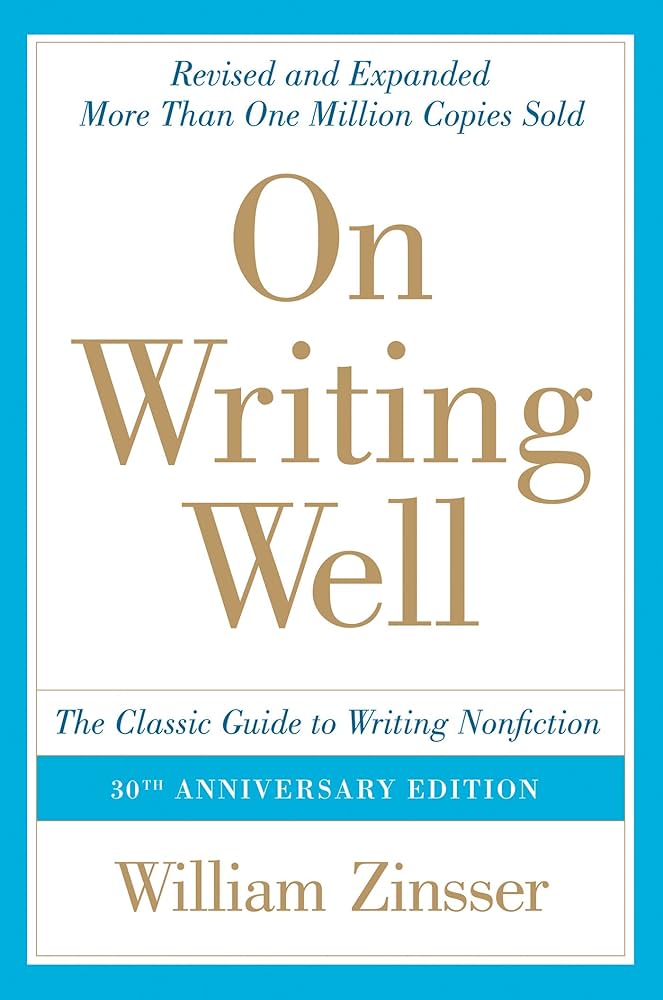
LIBRARY
On writing well
William Zinsser
Zinsser on non-fiction writing: clutter, simplicity, the reader. The book follows its own advice.
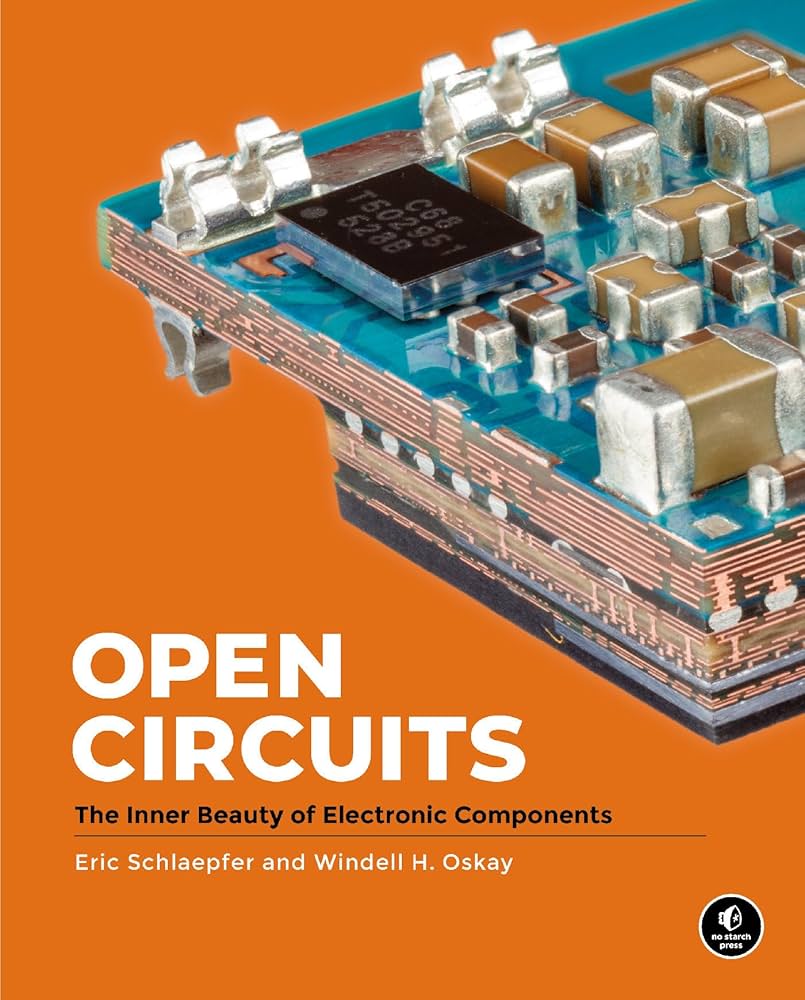
LIBRARY
Open circuits
Windell Oskay
Photographs of electronic components cut in half: resistors, capacitors, LEDs, chips. The insides of parts you only ever see from outside.
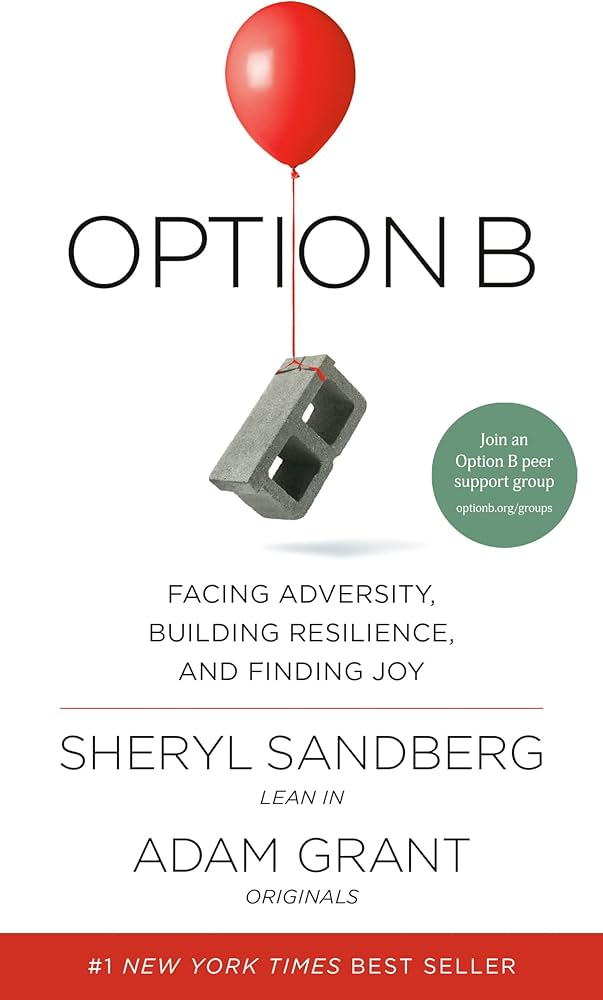
LIBRARY
Option B
Sheryl Sandberg
Sandberg on grief after her husband's sudden death, written with Adam Grant on building resilience.

LIBRARY
Origins of Form: The Shape of Natural and Man-Made Things
Christopher Williams
How forces and materials shape both natural and man-made objects. Structure, growth and tools explained with diagrams.
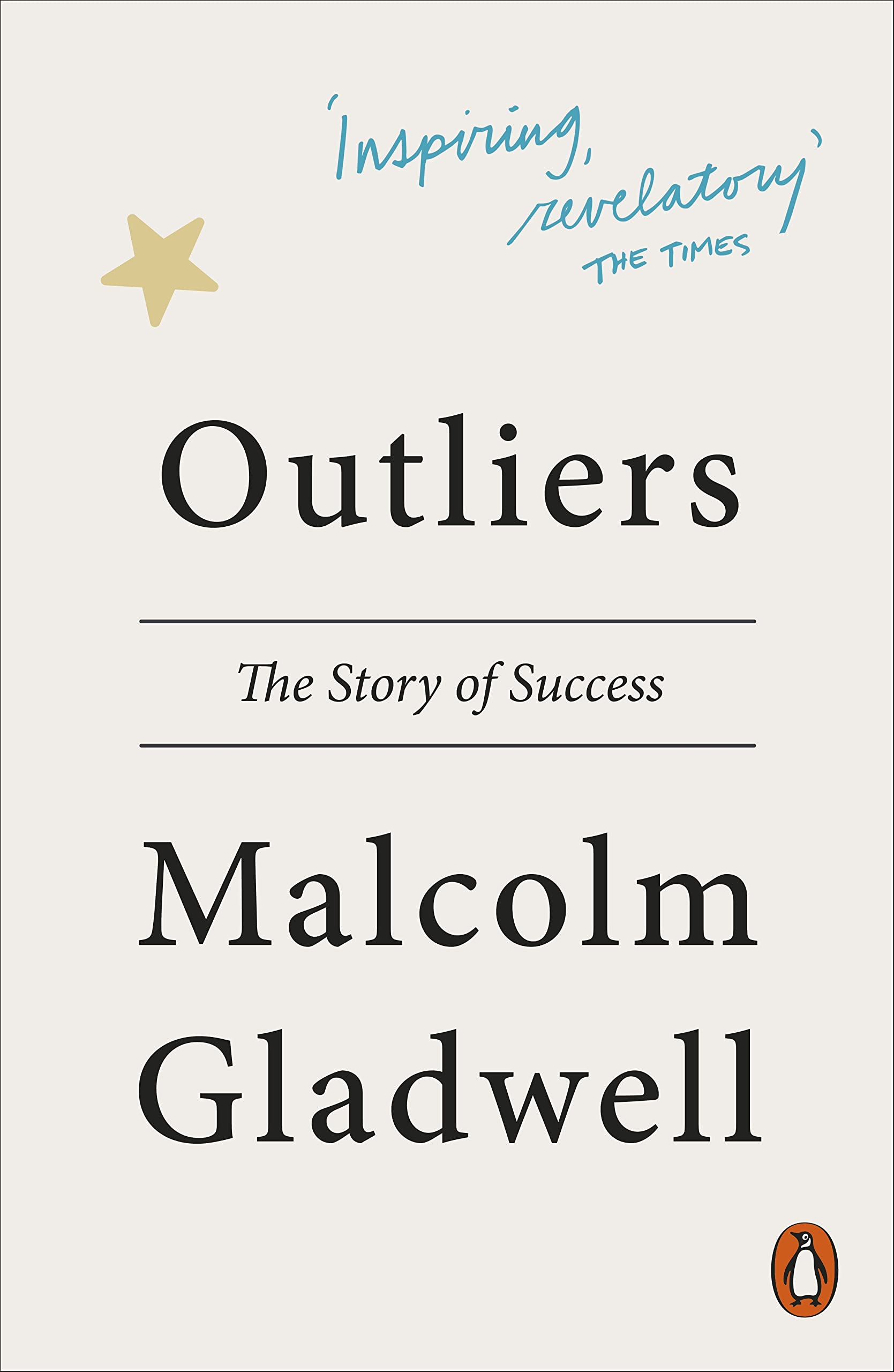
LIBRARY
Outliers
Malcolm Gladwell
Gladwell on why success depends on timing and circumstance: 10,000 hours, Canadian hockey birthdays, Korean Air.
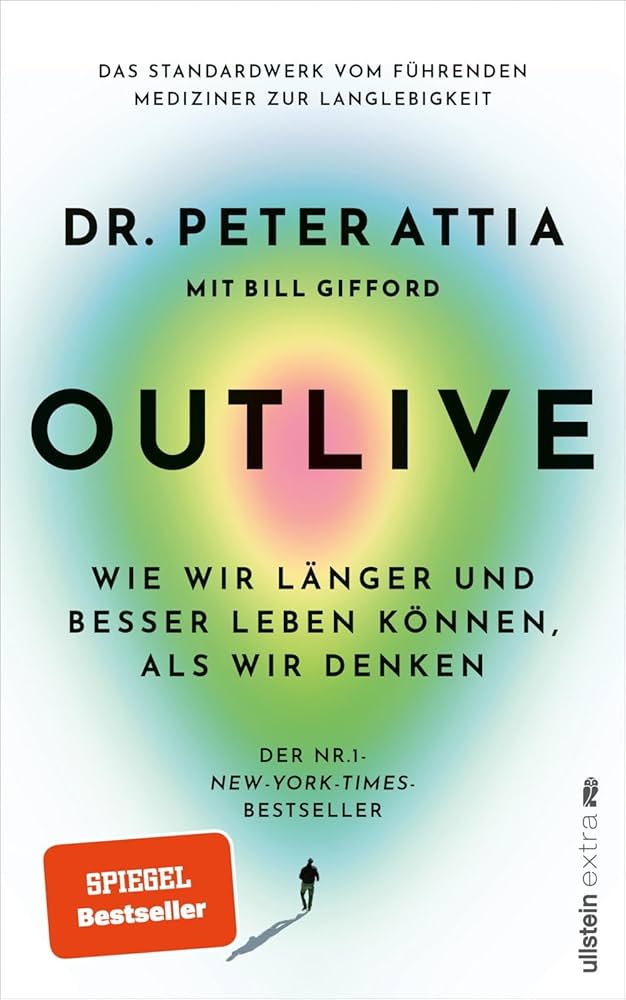
LIBRARY
Outlive
Peter Attia
Attia on extending healthspan through exercise, nutrition, sleep and early testing. Heavy on zone 2 training and strength.
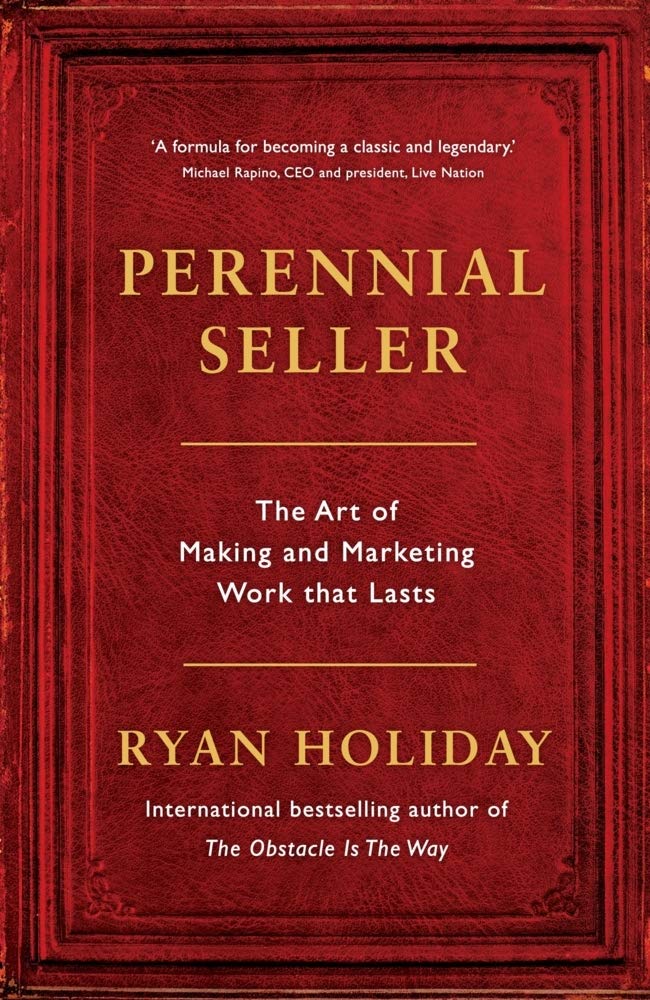
LIBRARY
Perennal seller
Ryan Holiday
Holiday on making work that sells for years, not weeks. Half on making, half on marketing.
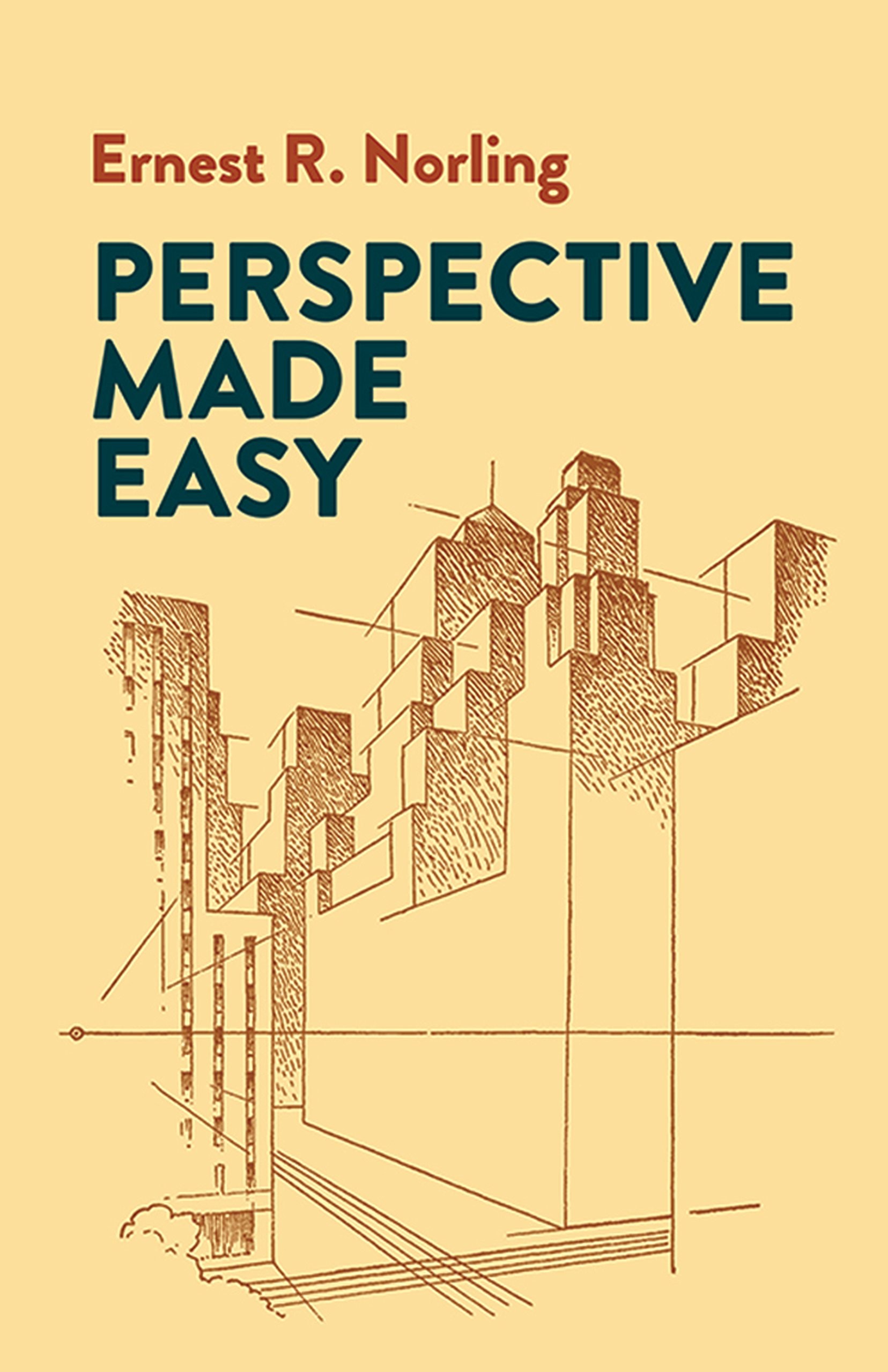
LIBRARY
Perspective made easy
Ernest R. Norling
A 1939 perspective primer with simple step-by-step diagrams. Still in print.
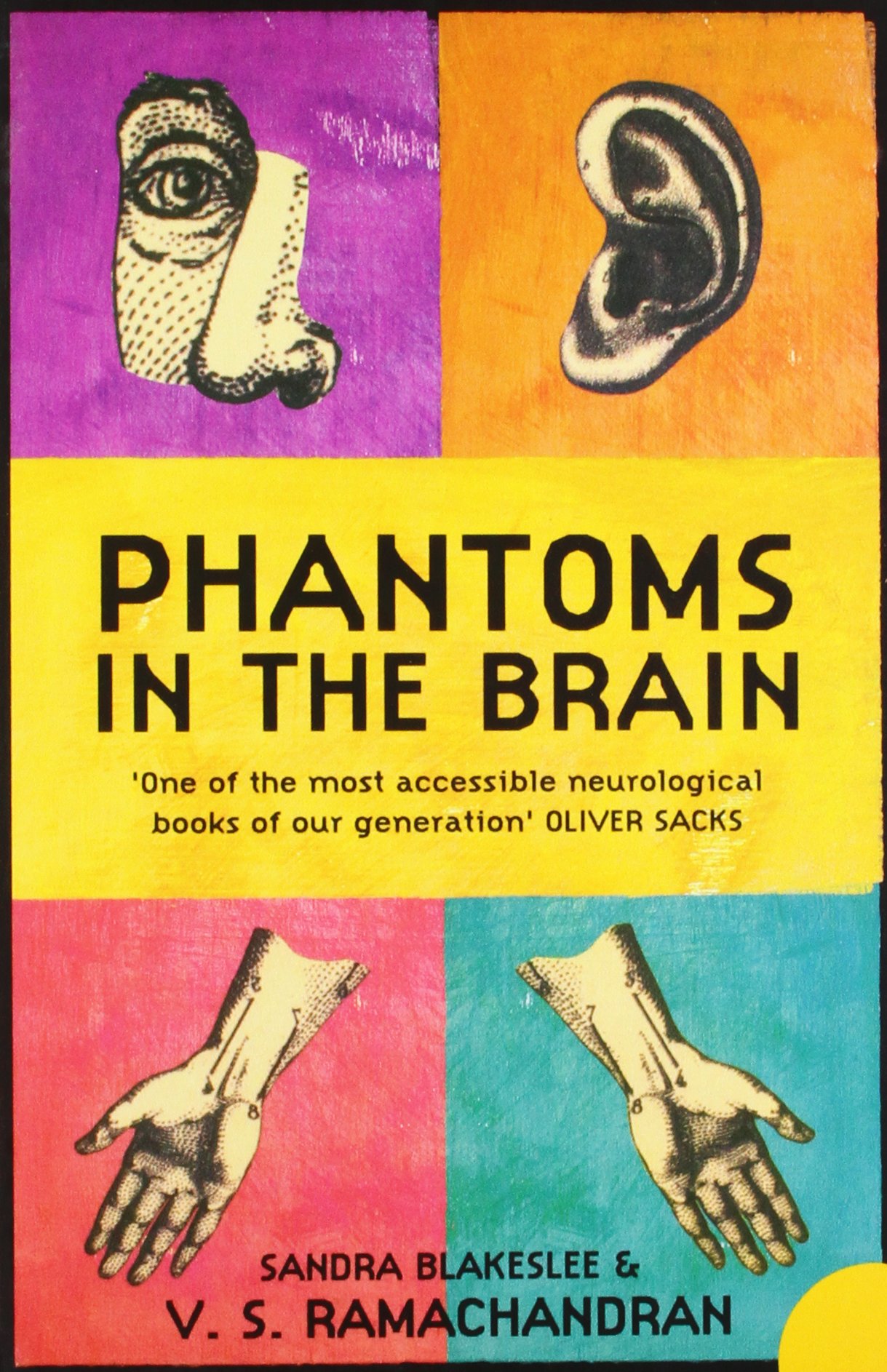
LIBRARY
Phantoms in the brain
V. S. Ramachandran
Ramachandran on phantom limbs and other neurological cases, and what they reveal about the brain. The mirror box experiment is here.
LIBRARY
Pivot
Jenny Blake
Blake's method for changing careers in small steps rather than one leap.

LIBRARY
Play bigger
Al Ramadan
Category design: the argument that winning companies create a new market category and define it. From three Silicon Valley consultants.

LIBRARY
Power vs force: The hidden determinants
David R. Hawkins
Hawkins's map of consciousness levels from shame to enlightenment, calibrated with muscle testing.

LIBRARY
Practical Electronics for Inventors
Paul Scherz
A thick electronics reference, from basic theory to microcontrollers, written for makers rather than engineers.

LIBRARY
Practical UI Patterns for Design Systems
Diana MacDonald
MacDonald on documenting and naming UI patterns so a design system stays consistent.
LIBRARY
Pre-suasion
Robert B. Cialdini
Cialdini on what happens before the ask: how attention and framing prime people to say yes.

LIBRARY
Premchand Ki Shreshth Kahaniyan (Hindi)
Munshi Premchand
A selection of Premchand's Hindi short stories about village life, caste and poverty in early twentieth century India.

LIBRARY
Pretty much everything
Aaron James Draplin
Draplin's monograph: logos, posters, Field Notes and his working rules.

LIBRARY
Priceless
William Poundstone
Poundstone on how prices are set using anchoring and other biases, from restaurant menus to luxury brands.
LIBRARY
Principles
Ray Dalio
Dalio's rules for life and management at Bridgewater, numbered and cross-referenced. The first third is his life story.

LIBRARY
Product design and development
Karl T. Ulrich
The standard engineering-school textbook on product development: concept selection, architecture, prototyping and cost.
LIBRARY
Product-led growth
Wes Bush
Bush on letting the product sell itself through free trials and freemium, with frameworks for choosing a model.
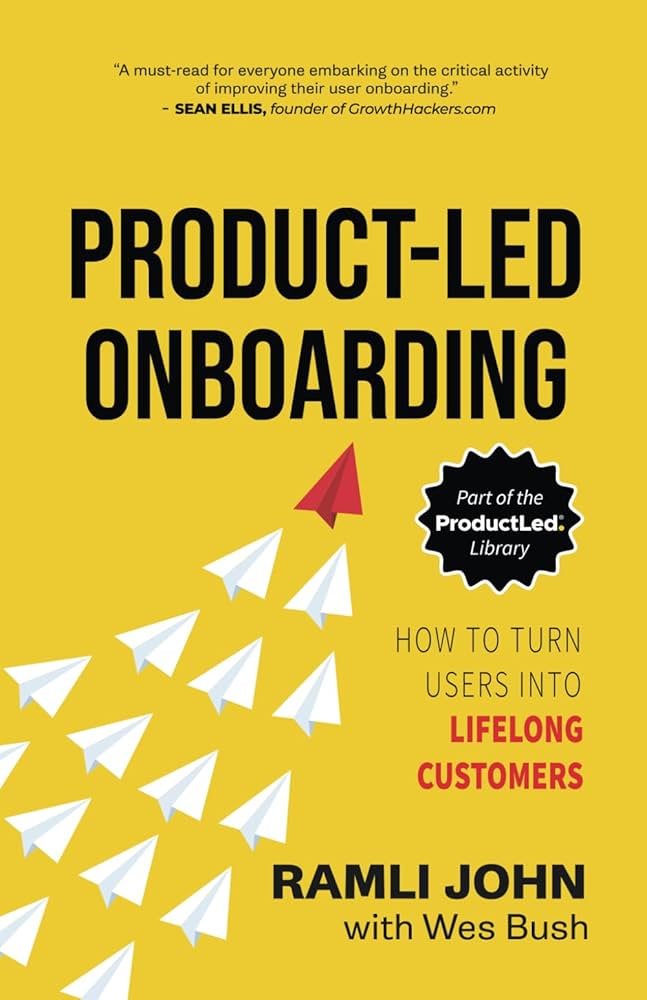
LIBRARY
Product-led onboarding
Ramli John
John on getting new users to value quickly through tours, emails and checklists.

LIBRARY
Purple Cow
Seth Godin
Godin's case that only remarkable products get noticed. Short.
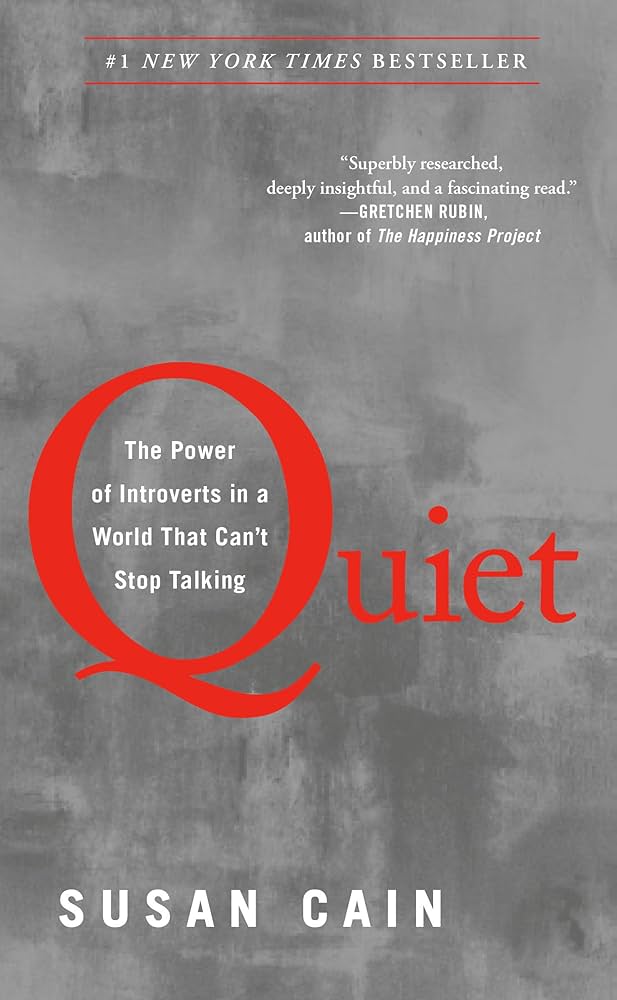
LIBRARY
Quiet
Susan Cain
Cain on introverts in a culture built for extroverts, from Harvard Business School to open-plan offices.
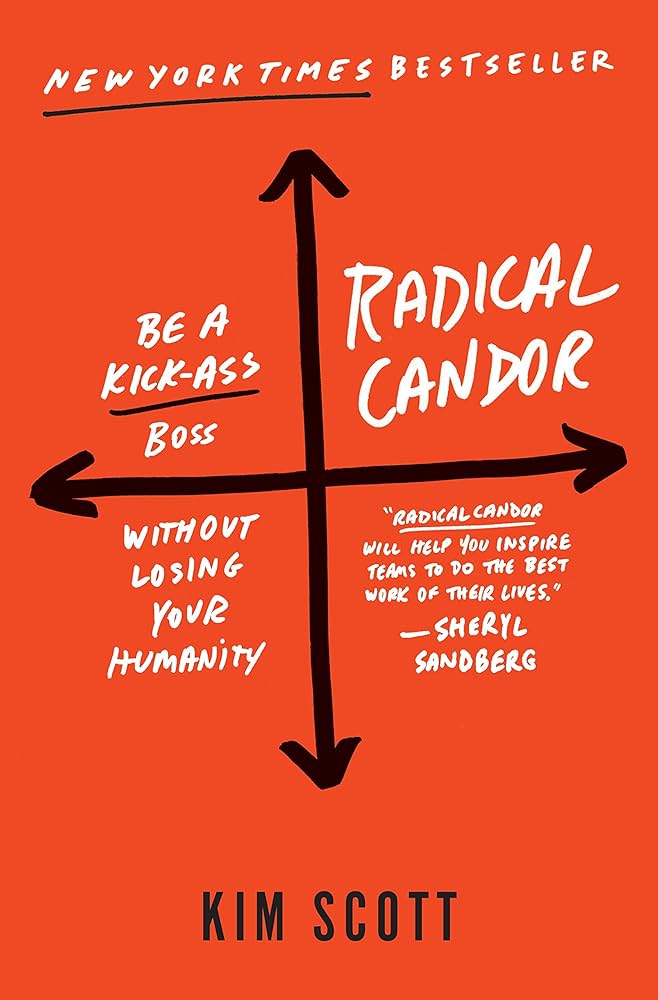
LIBRARY
Radical Candor
Kim Malone Scott
Scott's two-by-two for feedback: care personally, challenge directly. Examples from Google and Apple.
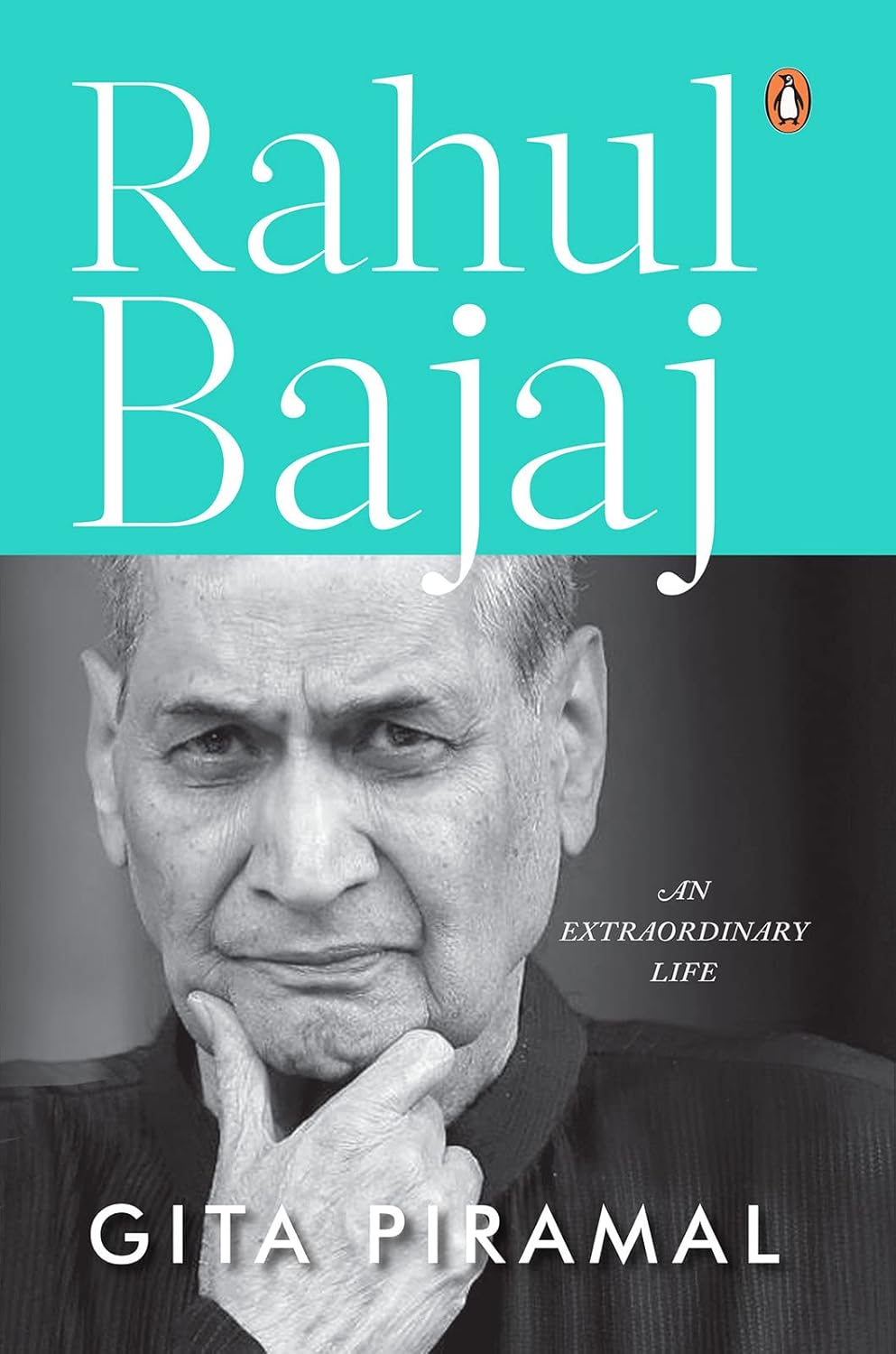
LIBRARY
Rahul Bajaj: An Extraordinary Life
Gita Piramal
Piramal's biography of Rahul Bajaj and the scooter company he ran through the licence raj.

LIBRARY
Read This if You Want to Take Great Photographs
Henry Carroll
Carroll's short photography course: composition, exposure, light and lenses, each shown with a famous photograph.
LIBRARY
Reality is broken
Jane McGonigal
McGonigal argues games meet needs that real life fails to, and that game design can fix work and school.

LIBRARY
Rebel Talent
Francesca Gino
Gino's research on when breaking rules pays off at work.
LIBRARY
Remaking the world
Henry Petroski
Petroski's essays on engineers and the things they built.

LIBRARY
Remote
Jason Fried
Fried and Hansson's case for remote work, written years before 2020.

LIBRARY
ReWork: Change the way you work forever
Jason Fried
Short essays from Basecamp's founders against conventional business advice. Planning is guessing, meetings are toxic.
LIBRARY
Rocket surgery made easy
Steve Krug
Krug's do-it-yourself usability testing: three users, one morning a month, fix the worst problems first.

LIBRARY
Sabrina
Nick Drnaso
A woman disappears and the people around her get pulled into online conspiracy theories. Drawn in a flat, still style.

LIBRARY
Sagmeister and walsh
Stefan Sagmeister
Monograph of Stefan Sagmeister and Jessica Walsh's studio work.

LIBRARY
Same as ever
Morgan Housel
Housel on the things that do not change: risk, expectations, stories. Short chapters.
LIBRARY
Samsung rising
Geoffrey Cain
Cain's history of Samsung, from a dried fish trader to Galaxy phones, including the Note 7 fires.
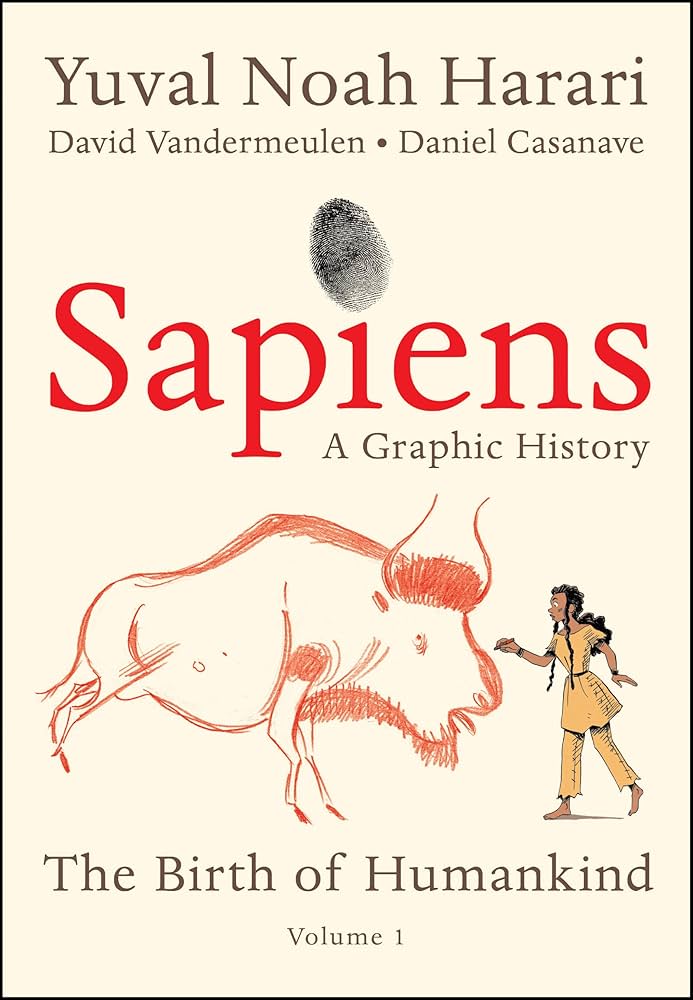
LIBRARY
Sapiens: Vol. 1
Yuval Noah Harari
The graphic novel version of Sapiens. The first volume covers the birth of humankind.
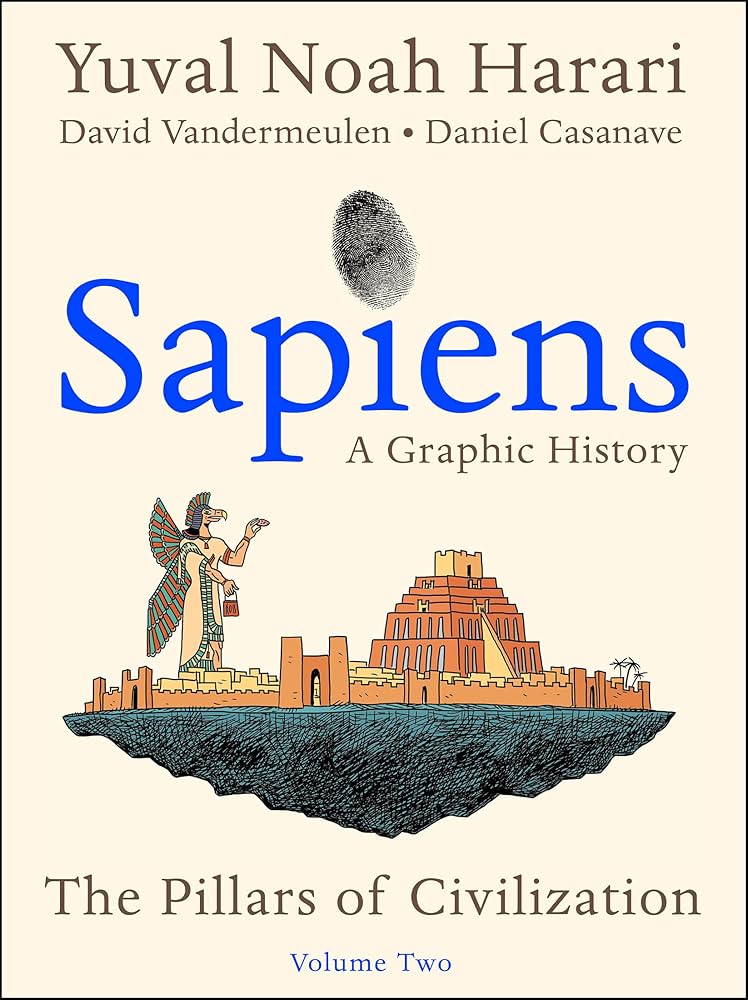
LIBRARY
Sapiens: Vol. 2
Yuval Noah Harari
Second volume of the graphic Sapiens, on the pillars of civilisation.

LIBRARY
Savour Mumbai
Vikas Khanna
Khanna's photographic tribute to Mumbai's food, from street stalls to old cafes.

LIBRARY
Search Patterns: Design for Discovery
Peter Morville
Morville and Callender on designing search and discovery, with patterns for autocomplete, filters and results.
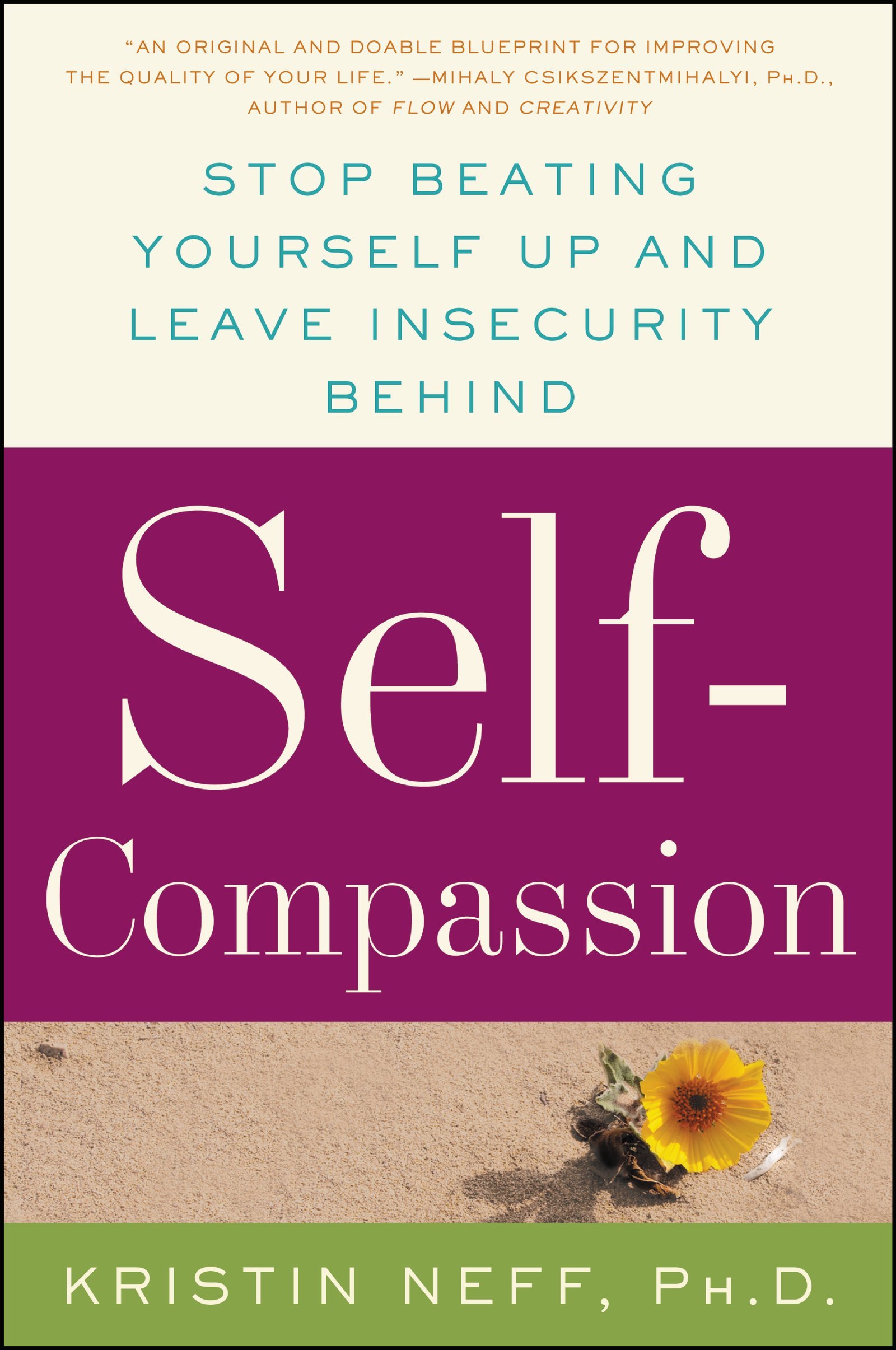
LIBRARY
Self-Compassion
Kristin Neff
Neff's research on treating yourself as you would a friend, with exercises.

LIBRARY
Seven brief lessons on physics
Carlo Rovelli
Rovelli explains relativity, quantum mechanics and black holes in seven short essays. About 80 pages.
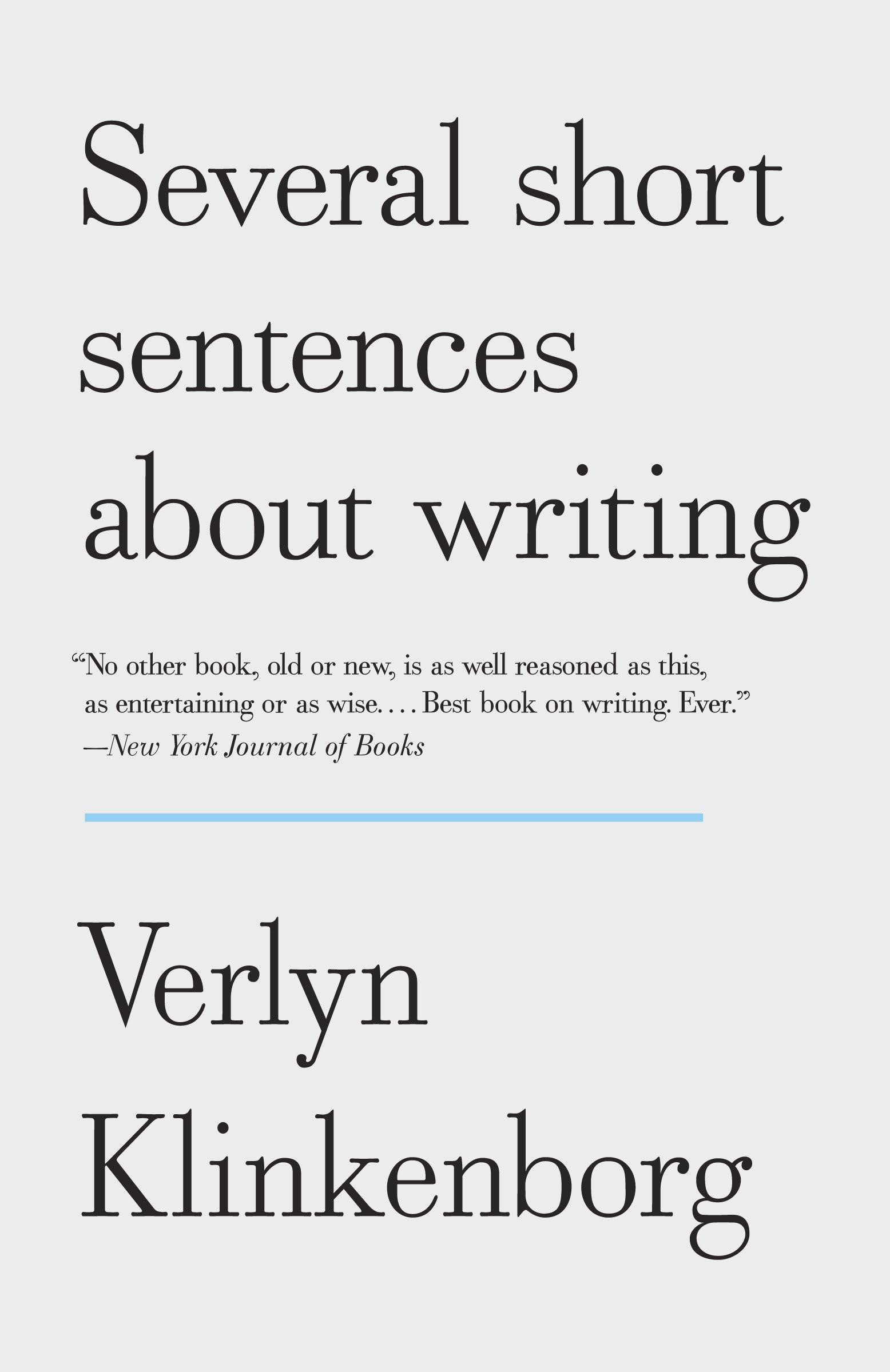
LIBRARY
Several short sentences about writing
Verlyn Klinkenborg
Klinkenborg on writing, set in short lines like a poem. Every sentence is meant to stand on its own.
LIBRARY
Shit my dad says
Justin Halpern
Halpern's father's blunt remarks, first posted on Twitter, then collected with stories.
LIBRARY
Shoe Dog
Phil Knight
Knight's memoir of building Nike, from selling Japanese running shoes out of a car to the 1980 IPO. A cash crisis in almost every chapter.

LIBRARY
Shoot Like Wes: A Practical Guide to Wes Anderson Photography
Tania Braukamper
A practical guide to symmetry, colour and framing in the style of Wes Anderson, for photographers.
LIBRARY
Show me the numbers
Stephen Few
Few on tables and graphs for business: which chart for which comparison, and why most software defaults are wrong.
LIBRARY
Show your work!
Austin Kleon
Kleon on sharing your process in public so people can find you. Ten short chapters.

LIBRARY
Six easy pieces
Richard P. Feynman
Six of Feynman's introductory lectures, on atoms, energy, gravity and quantum behaviour, for non-physicists.

LIBRARY
Six thinking hats
Edward de Bono
De Bono's method for meetings. Everyone wears the same coloured hat at the same time: facts, feelings, risks, benefits, ideas, process.
LIBRARY
Sketching product design presentations
Roselien Steur
Eissen and Steur on presentation sketches for product designers: layout, colour and rendering, with student and studio examples.
LIBRARY
Sketching the basics
Koos Eissen
Perspective sketching for product designers, from ellipses to shading, by two TU Delft teachers.

LIBRARY
Slay the dragon
Robert Denton Bryant
Writing for video games: story structure, characters and dialogue, from two industry writers.
LIBRARY
Slow productivity
Cal Newport
Newport's three principles: do fewer things, work at a natural pace, obsess over quality.
LIBRARY
Small things considered
Henry Petroski
Petroski on everyday objects, from the toothbrush to the doorknob, and the compromises built into each.
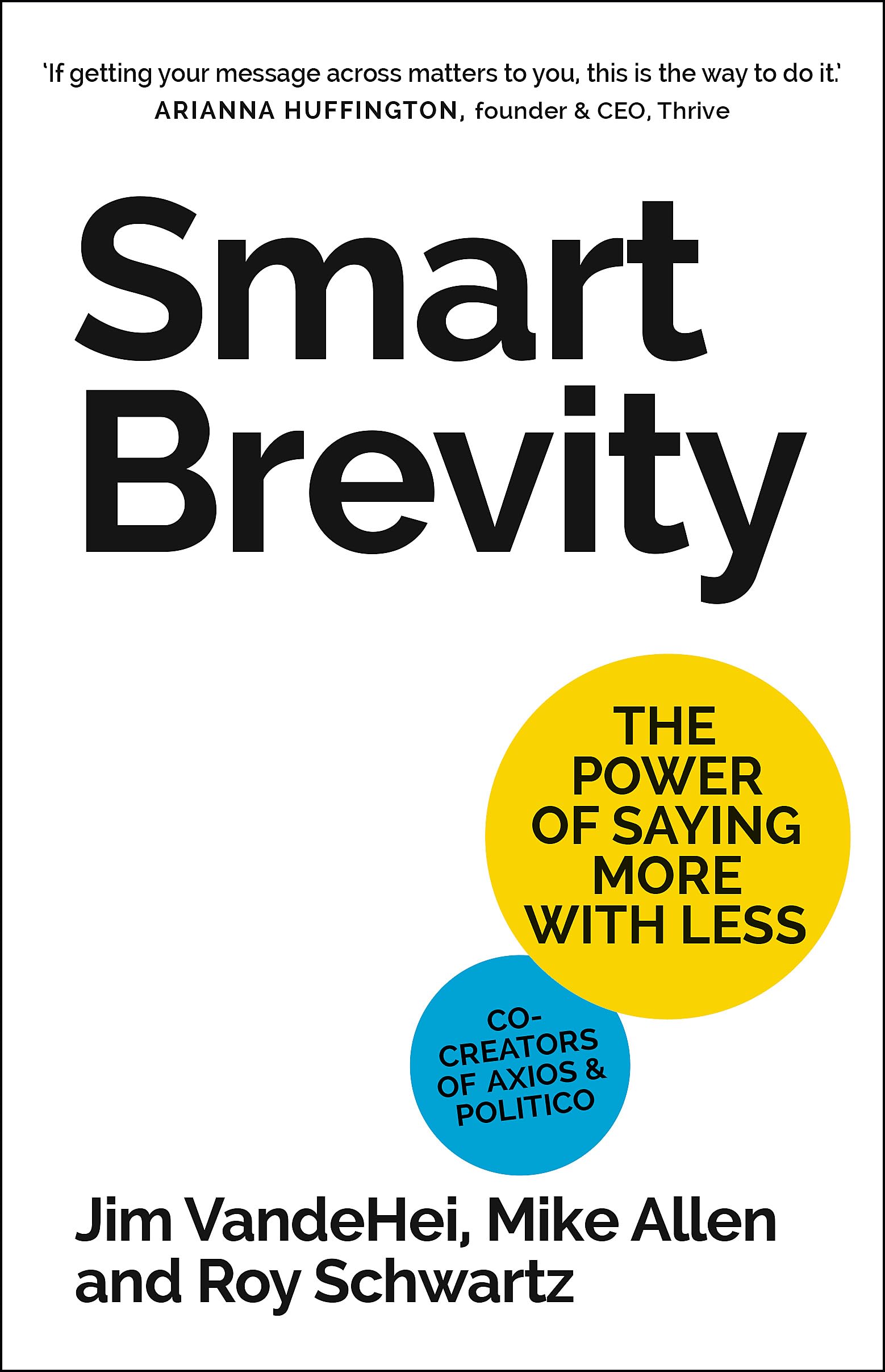
LIBRARY
Smart brevity
Mike Allen
Axios's founders on writing short: a strong first sentence, why it matters, then bullets.
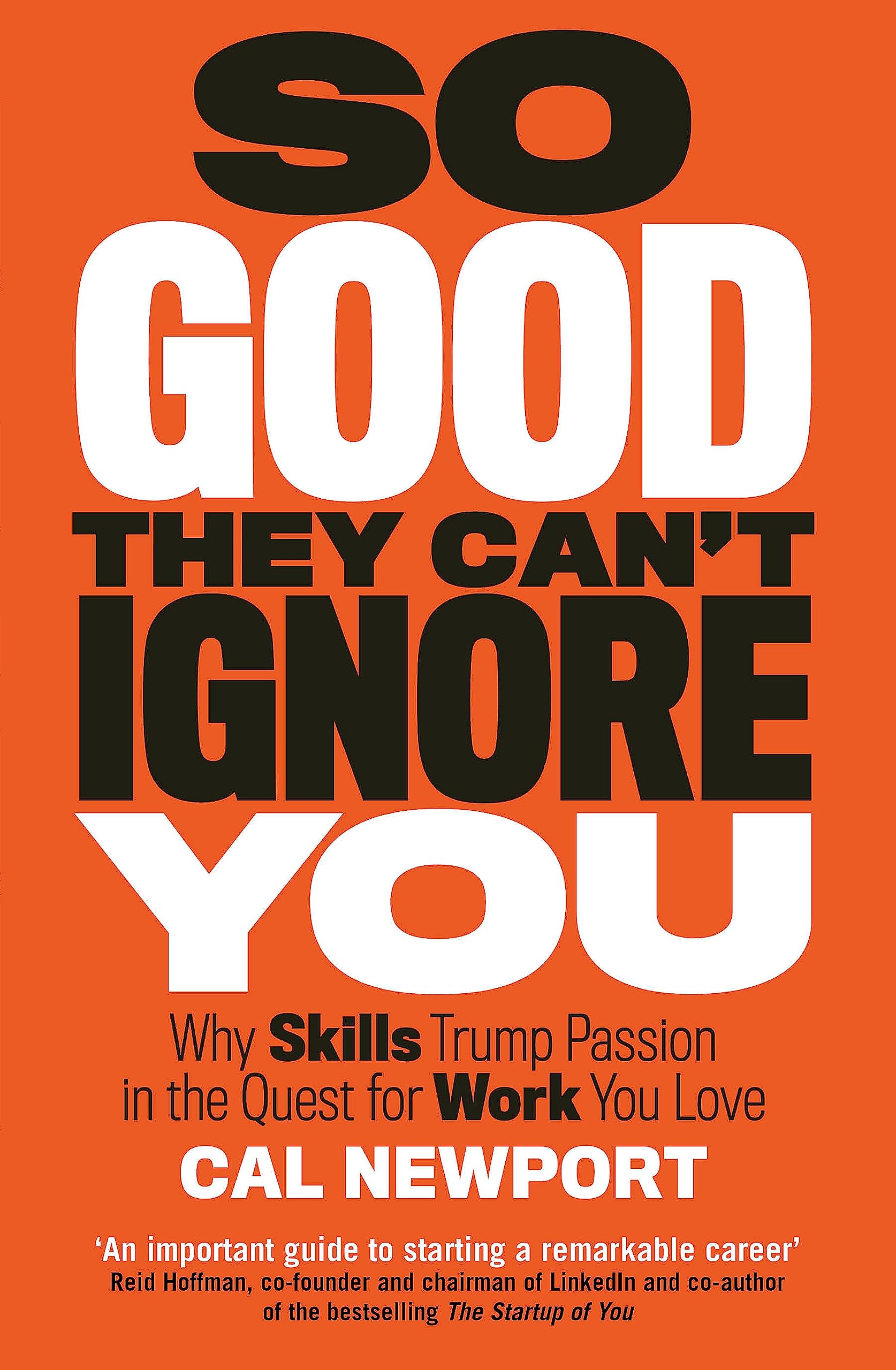
LIBRARY
So good they can't ignore you
Cal Newport
Newport argues skill comes before passion. Build career capital first, then trade it for control over your work.

LIBRARY
Soft city
Jonathan Raban
Raban's 1974 essays on living in London and how people build the city in their heads.

LIBRARY
Speculative everything
Anthony Dunne
Dunne and Raby on design that asks questions instead of solving problems: speculative and critical design.
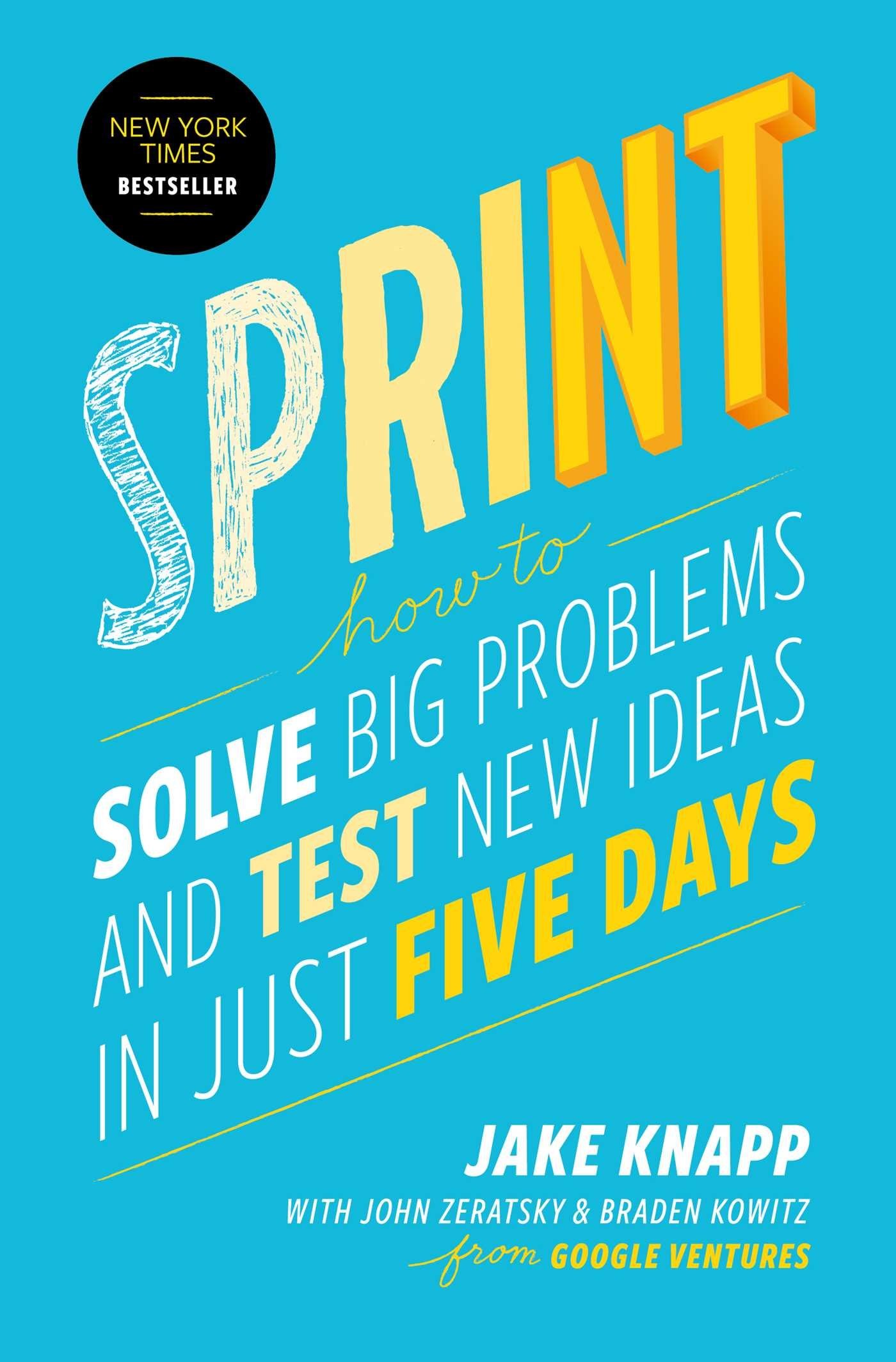
LIBRARY
Sprint how to solve big problems and test new ideas in just five days
Jake Knapp
Google Ventures' five-day process: map, sketch, decide, prototype, then test with five users.
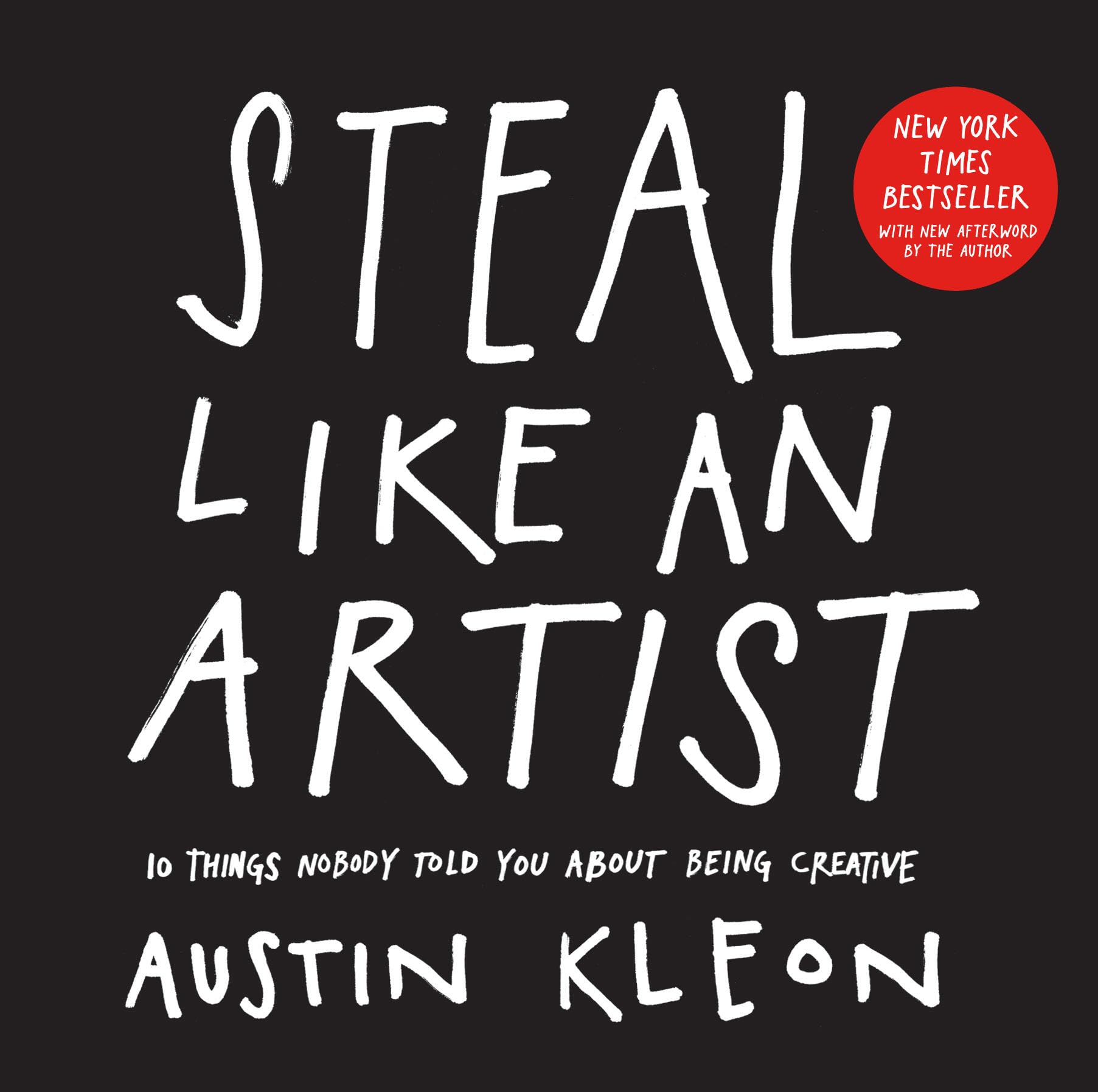
LIBRARY
Steal like an artist
Austin Kleon
Kleon's ten rules for creativity, starting with copying your heroes. Readable in an hour.

LIBRARY
Steal this Computer Book 4.0
Wallace Wang
Wang's guide to hacking culture, viruses and online scams, from the early 2000s.
LIBRARY
Stillness is the key
Ryan Holiday
Holiday on stillness of mind, spirit and body, with stories from Kennedy to Tiger Woods.
LIBRARY
Stories for boys who want to be different
Ben Brooks
Short stories about real boys and men who did not fit the mould.

LIBRARY
Structures or why things don't fall down
J. E. Gordon
Gordon explains why bridges, bones and boats stand up or fail, with almost no maths. Tension, compression and shear.

LIBRARY
Sum
David Eagleman
Forty short fictions about possible afterlives, each a few pages long.

LIBRARY
Super normal
Jasper Morrison
Morrison and Fukasawa collect ordinary objects that are good precisely because nobody notices them.
LIBRARY
Ten principles for good design
Dieter Rams
Rams's ten principles, each shown with his Braun and Vitsoe products.

LIBRARY
Terribly tiny tales: Volume 1
Chintan Ruparel
Very short stories from the Terribly Tiny Tales platform.
LIBRARY
Tetris
Box Brown
Box Brown's comic history of Tetris, from Alexey Pajitnov in Moscow to the licensing fight over Nintendo.

LIBRARY
The $100 startup
Chris Guillebeau
Guillebeau studied people who started businesses with under $100. Case studies and one-page plans.

LIBRARY
The 2 hour cocktail party
Nick Gray
Gray's playbook for hosting small networking parties: name tags, a fixed end time, icebreakers.
LIBRARY
The 3-minute rule
Brant Pinvidic
A TV producer's method for pitching anything in three minutes.
LIBRARY
The 48 laws of power
Robert Greene
Greene's 48 rules of power, each illustrated with episodes from history.

LIBRARY
The 5 types of wealth
Sahil Bloom
Bloom's five types of wealth: time, social, mental, physical and financial, with a scorecard for each.
LIBRARY
The 7 habits of highly effective people
Stephen R. Covey
Covey's seven habits, from be proactive to sharpen the saw. Home of the circle of influence.

LIBRARY
The A-Z of modern design
Bernd Polster
An alphabetical reference of twentieth century designers and objects.
LIBRARY
The Accidental Billionaires: Sex, Money, Betrayal and the Founding of Facebook
Ben Mezrich
Mezrich's dramatised account of Facebook's founding at Harvard. The basis for The Social Network.
LIBRARY
The advertising concept book
Pete Barry
Barry on generating advertising ideas, with hundreds of rough layouts drawn for the book.
LIBRARY
The almanack of Naval Ravikant
Eric Jorgenson
Naval's tweets and podcast answers on wealth and happiness, compiled by Jorgenson. Free online.

LIBRARY
The amazing book is not on fire
Dan Howell
Dan and Phil's book of games, stories and photos, tied to their YouTube channel.

LIBRARY
The Ambuja Story
Narotam Sekhsaria
Sekhsaria on building Ambuja Cements from one plant in Gujarat into a market leader.

LIBRARY
The art of creative thinking
Rod Judkins
89 short chapters on seeing things differently, from a Central Saint Martins lecturer.

LIBRARY
The art of district 9
Daniel Falconer
Concept art for District 9: the aliens, their ships and the Johannesburg setting.

LIBRARY
The art of innovation
Tom Kelley
Tom Kelley on how IDEO works: observation, brainstorming rules and fast prototyping.
LIBRARY
The art of mass effect: Andromeda
BioWare
Concept art from Mass Effect: Andromeda.
LIBRARY
The art of noticing
Rob Walker
131 exercises for paying attention to the world around you.
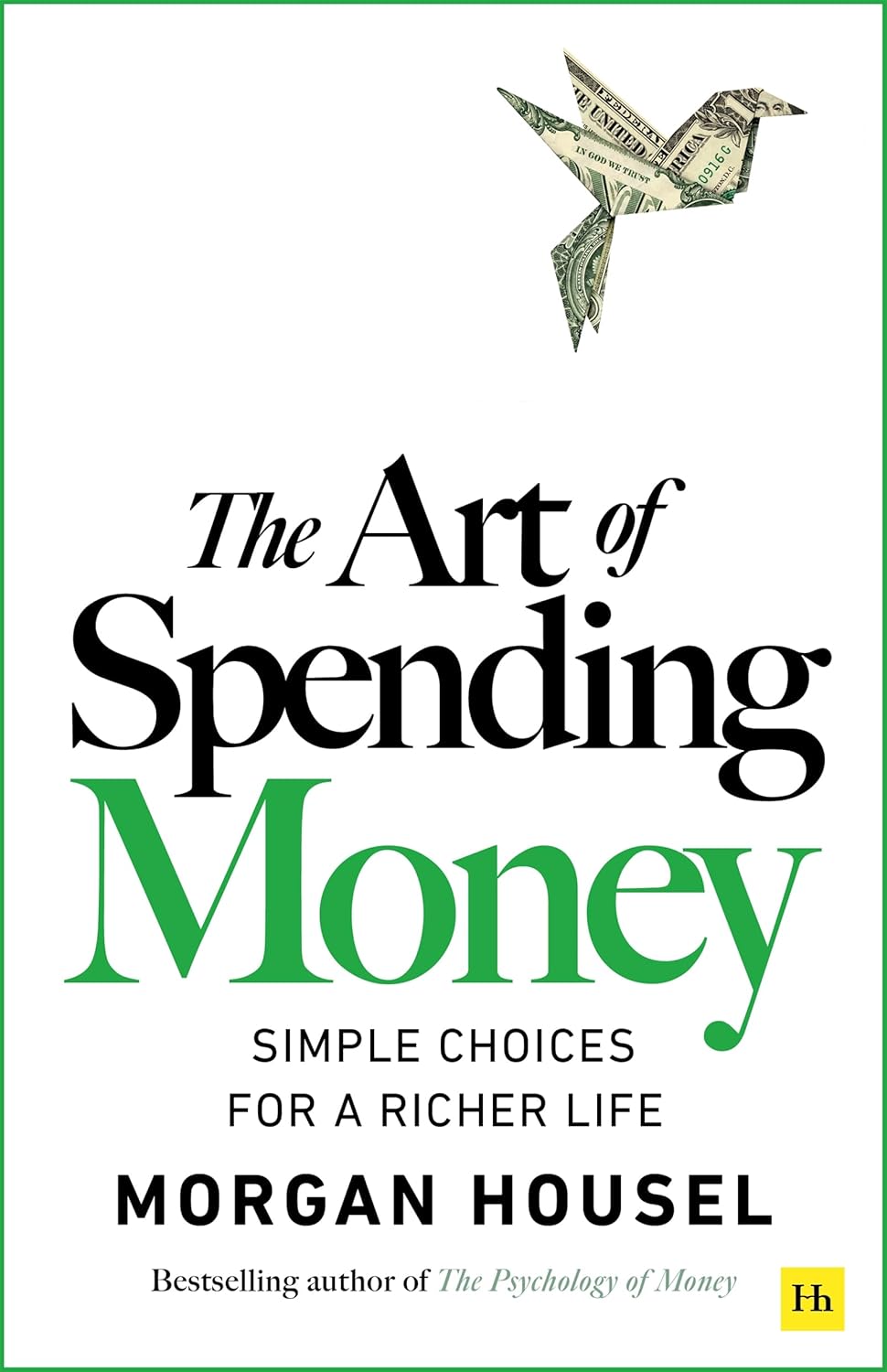
LIBRARY
The Art of Spending Money
Morgan Housel
Housel on the psychology of spending rather than saving.
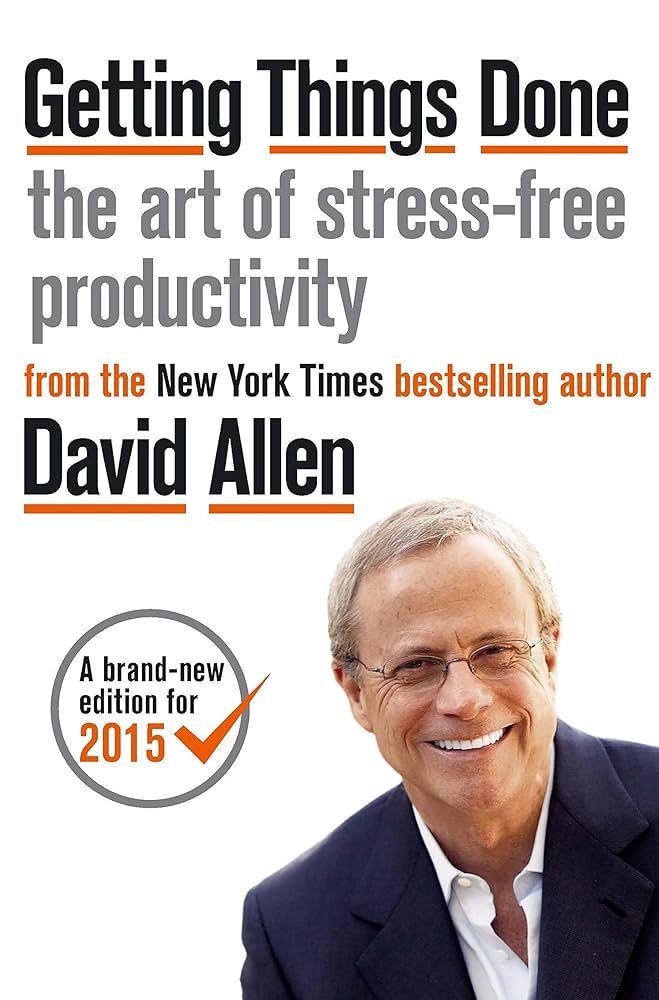
LIBRARY
The art of stress-free productivity
David Allen
Allen's Getting Things Done: capture everything, decide the next action, review weekly.
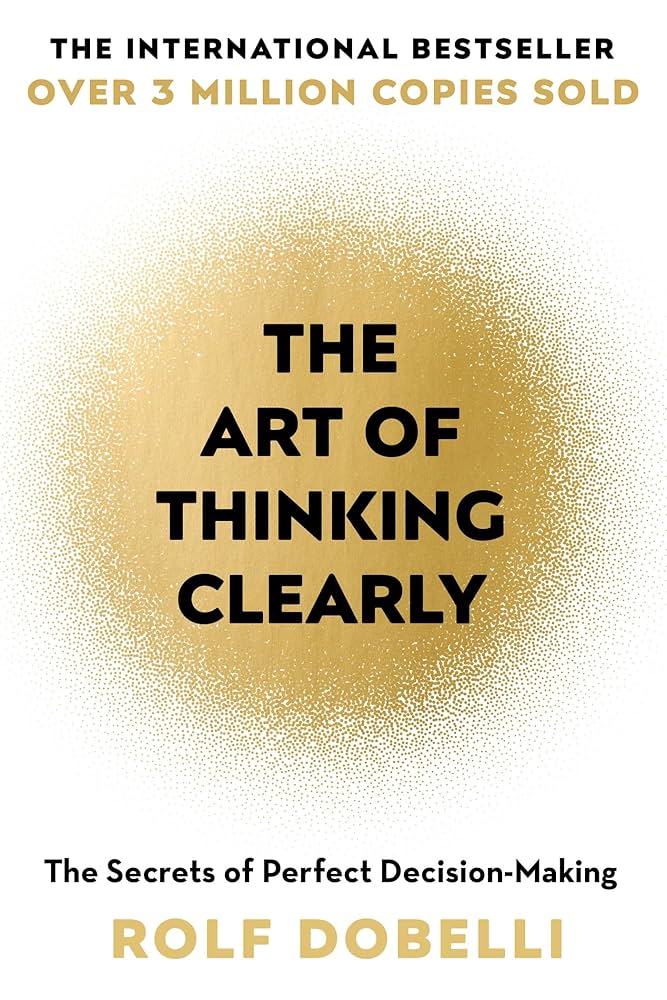
LIBRARY
The art of thinking clearly
Rolf Dobelli
Dobelli's 99 cognitive biases, about three pages each.
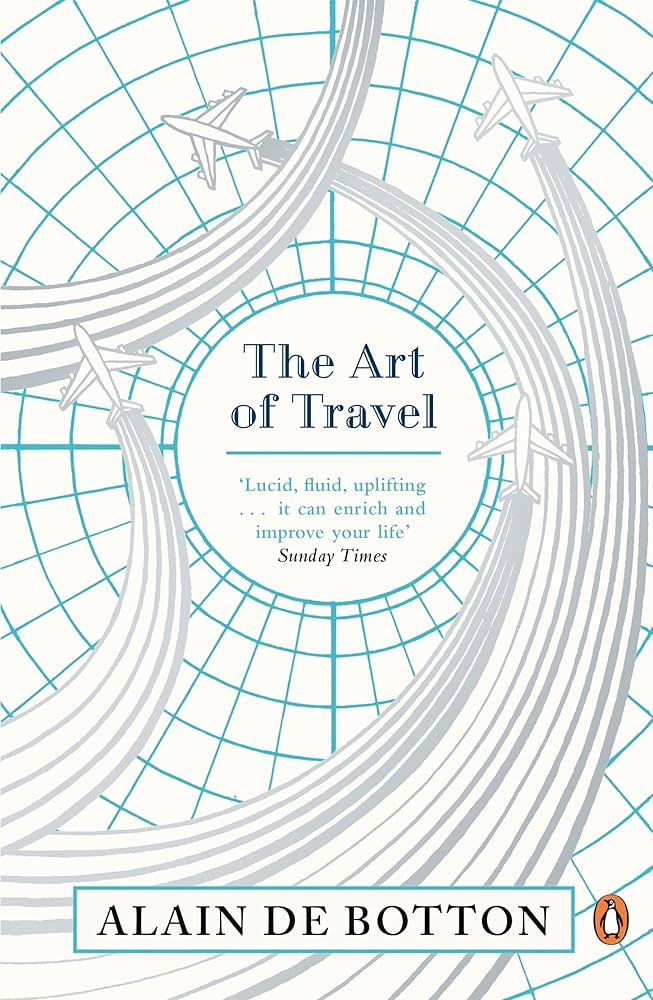
LIBRARY
The art of travel
Alain de Botton
De Botton on why we travel and why it often disappoints, each chapter paired with a writer or artist.

LIBRARY
The art of war
Sun Tzu
Sun Tzu's thirteen chapters on strategy, roughly 2,500 years old.
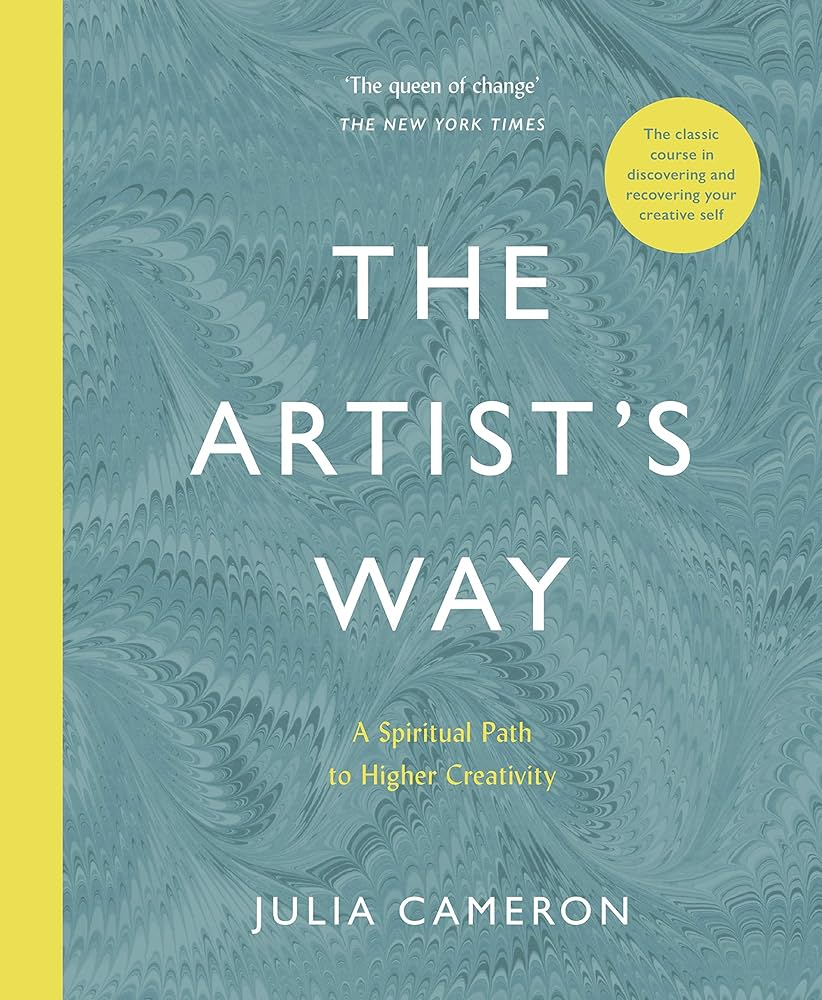
LIBRARY
The artist's way
Julia Cameron
Cameron's twelve-week course for blocked creatives. Morning pages and artist dates.
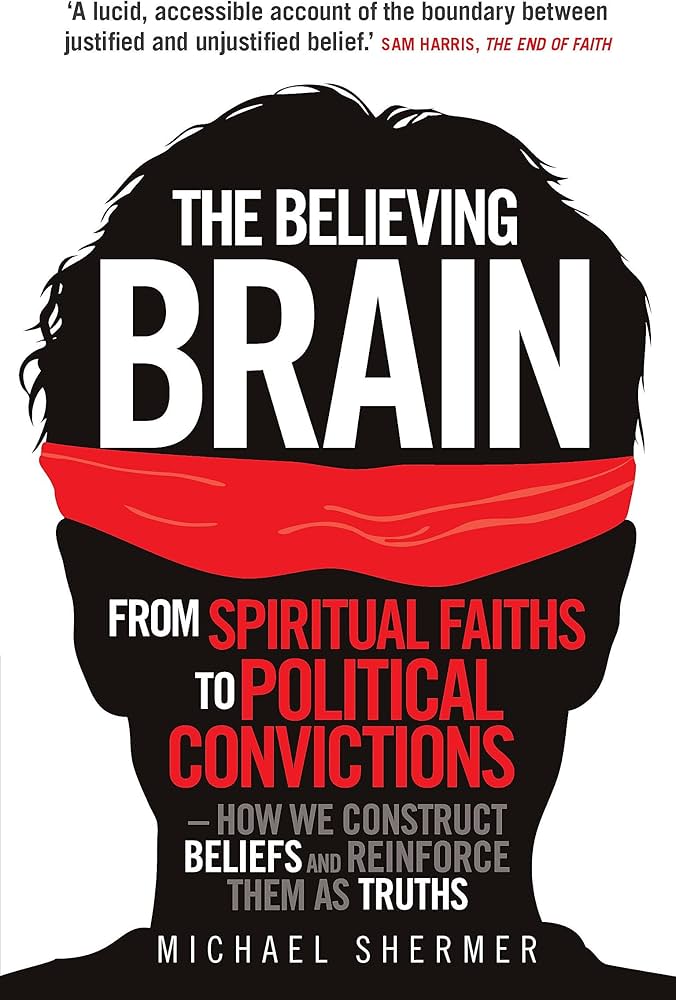
LIBRARY
The believing brain
Michael Shermer
Shermer on how beliefs come first and reasons follow, from ghosts to politics.
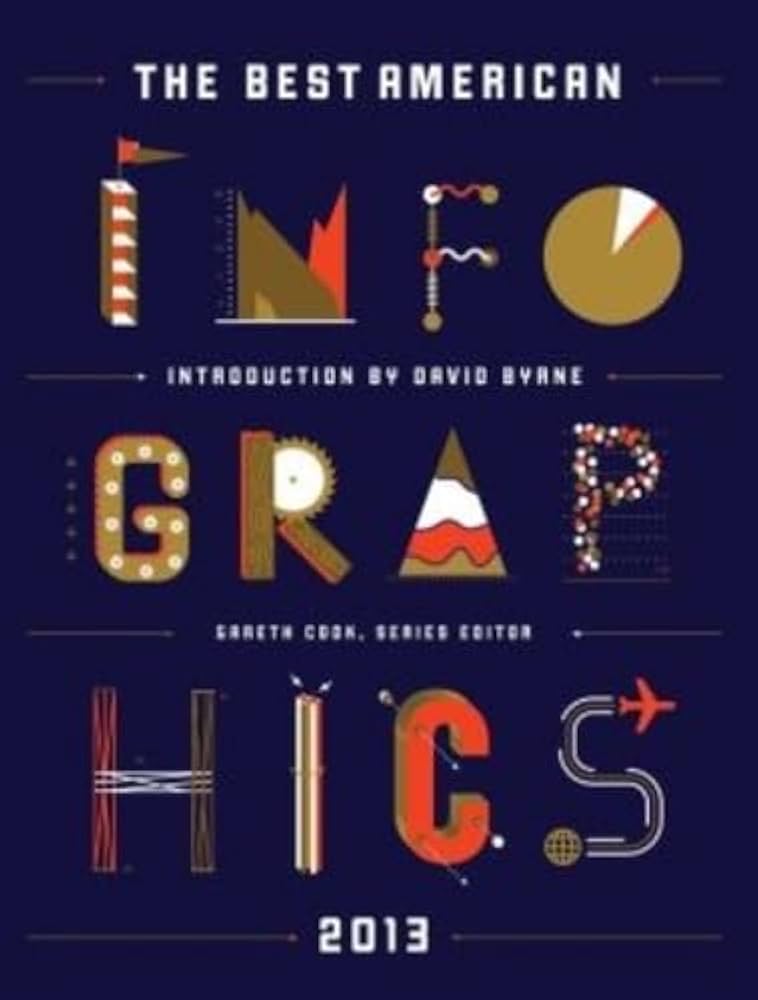
LIBRARY
The best American infographics 2013
Gareth Cook
A selection of the year's best infographics, edited by Gareth Cook with an introduction by David Byrne.
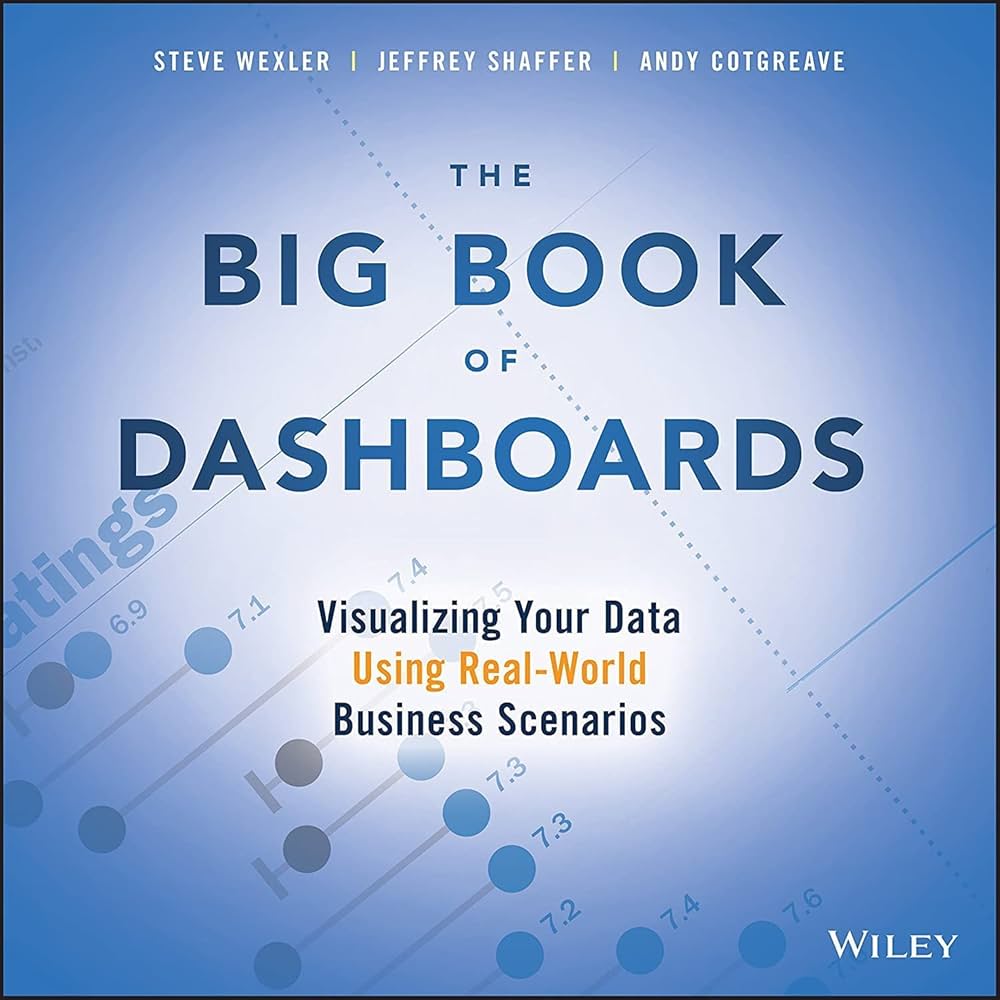
LIBRARY
The big book of dashboards
Steve Wexler
Twenty-eight real business dashboards, each critiqued, with notes on what works.

LIBRARY
The birth of Korean cool
Y. Euny Hong
Hong on how South Korea engineered its pop culture exports, mixed with her own years in a Seoul school.

LIBRARY
The black swan
Nassim Nicholas Taleb
Taleb on rare events that nobody predicts and everyone explains afterwards.
LIBRARY
The book of circles
Manuel Lima
Lima's visual history of circular diagrams, from medieval charts to data visualisation.
LIBRARY
The book of trees
Manuel Lima
Lima's history of the tree diagram as a way to organise knowledge.

LIBRARY
The book on the bookshelf
Henry Petroski
Petroski on how books came to stand upright with spines out, from chained libraries to modern shelves.

LIBRARY
The boy, the mole, the fox and the horse
Charlie Mackesy
Mackesy's drawings with short lines of dialogue about kindness and friendship.

LIBRARY
The brand gap
Marty Neumeier
Neumeier's short illustrated argument that a brand is what customers feel, not what the company says.
LIBRARY
The broken ear
Hergé
Tintin chases a stolen idol into a South American republic.
LIBRARY
The cartoon introduction to economics : vol. 1
Yoram Bauman
Microeconomics as a comic.
LIBRARY
The cartoon introduction to economics : vol. 2
Yoram Bauman
Macroeconomics as a comic.

LIBRARY
The CEO factory
Sudhir Sitapati
Sitapati on how Hindustan Unilever trains managers who go on to run other companies.
LIBRARY
The change book
Mikael Krogerus
Fifty models on change, one diagram each, from the authors of The Decision Book.
LIBRARY
The choice factory
Richard Shotton
Shotton's 25 behavioural biases for advertisers, each backed by an experiment.
LIBRARY
The comic book story of video games
Jonathan Hennessey
Video game history as a comic, from early computers to modern consoles.
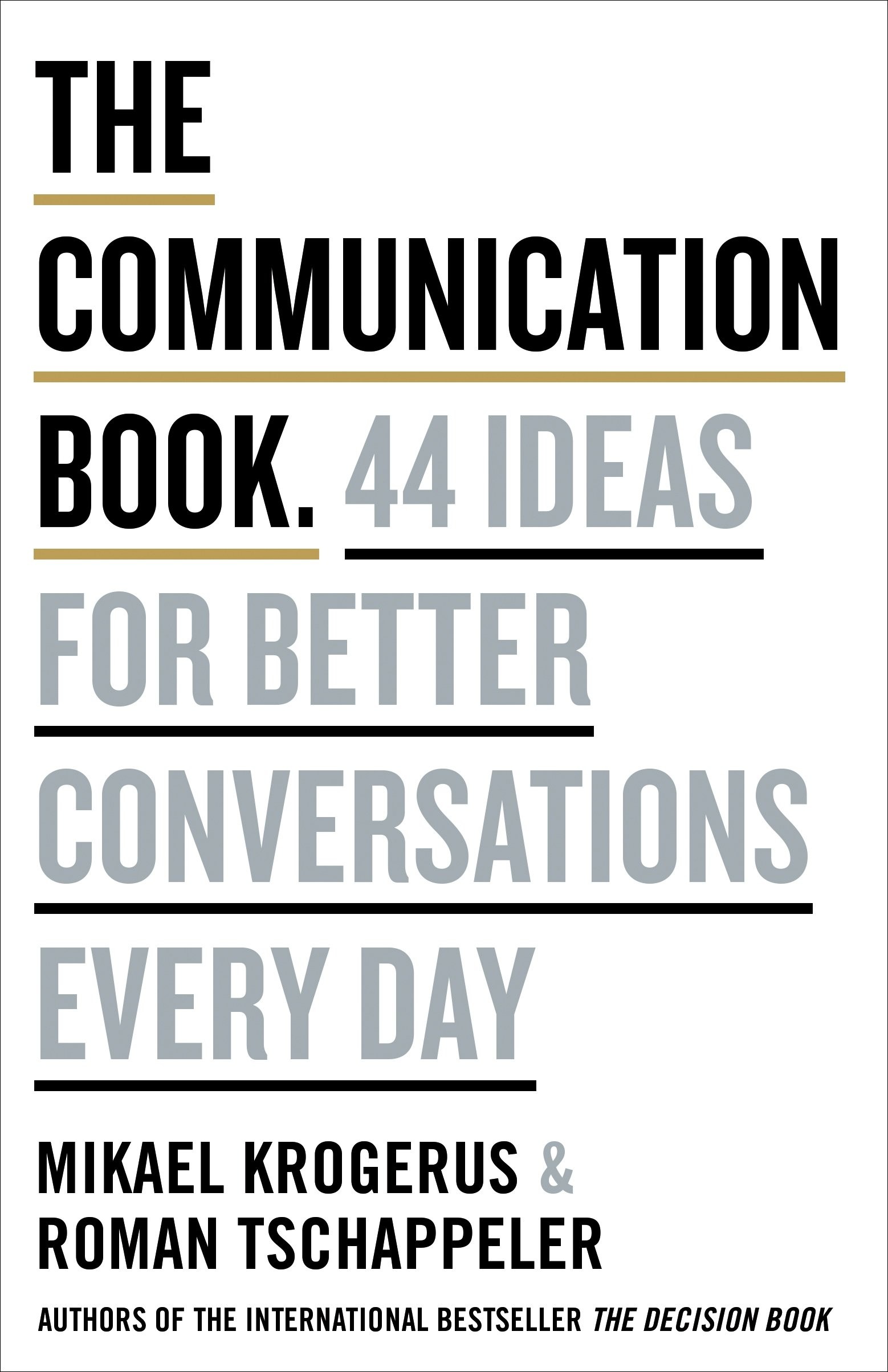
LIBRARY
The communication book
Mikael Krogerus
Forty-four models for communication, one diagram each.

LIBRARY
The company of strangers
Paul Seabright
Seabright on how humans came to trust strangers enough to trade, and the economy that grew from it.

LIBRARY
The complete maus
Art Spiegelman
Spiegelman records his father's Holocaust survival, with Jews drawn as mice and Nazis as cats. Also about the son doing the interviewing.

LIBRARY
The Concise Mastery
Robert Greene
The short version of Greene's Mastery: apprenticeship, mentors and long practice.
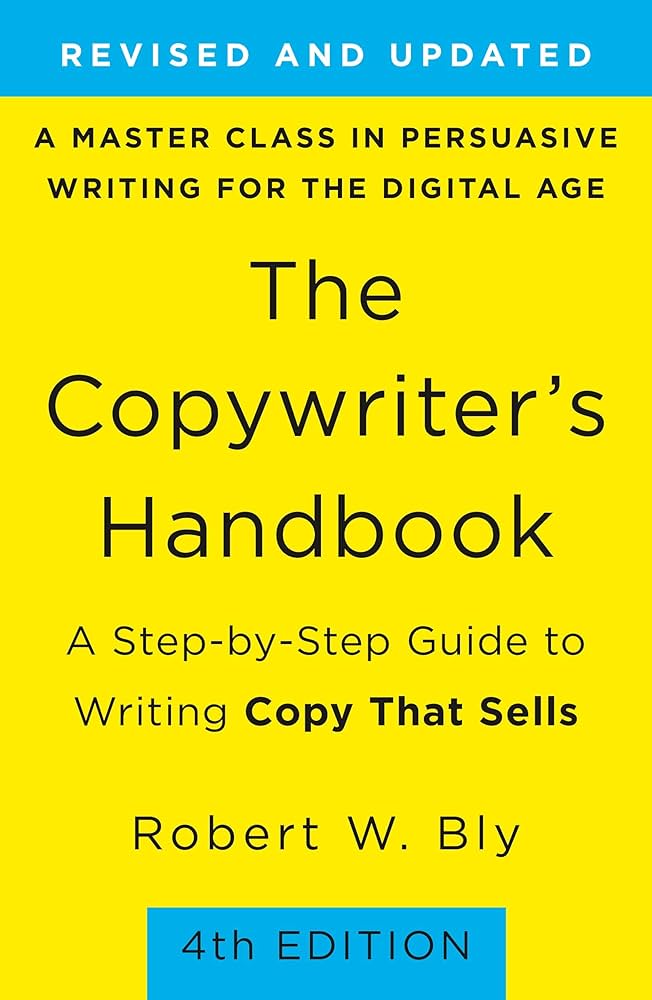
LIBRARY
The copywriter's handbook
Robert W. Bly
Bly's reference on writing ads, letters and web copy. Headlines, benefits, the call to action.

LIBRARY
The courage to be disliked
Ichiro Kishimi, Fumitake Koga
A dialogue between a philosopher and a young man on Adler's psychology. The past does not decide who you are.
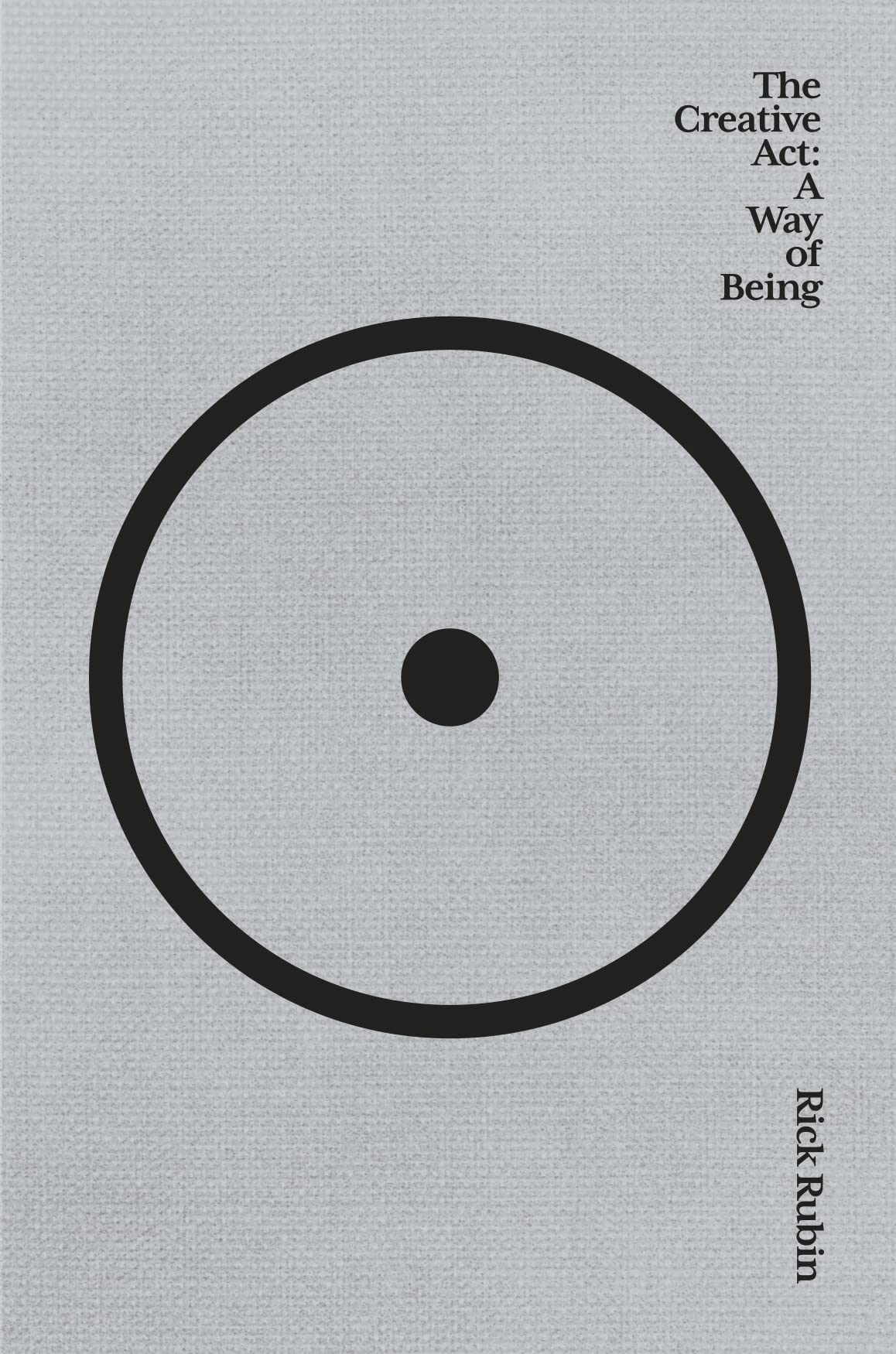
LIBRARY
The creative act
Rick Rubin
Rubin's short passages on creativity as paying attention. Written like a book of sayings.
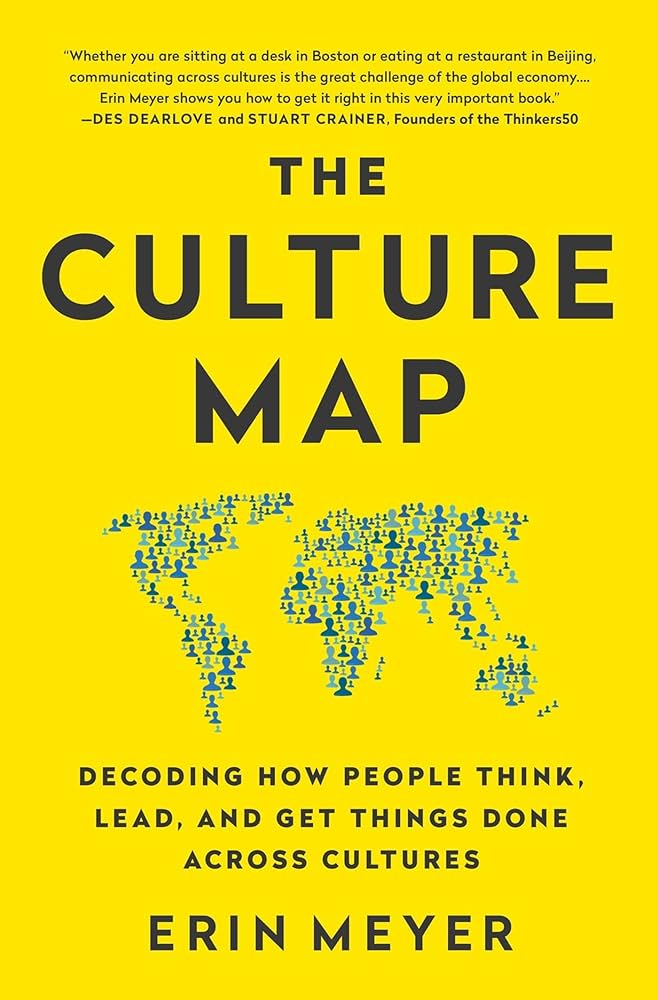
LIBRARY
The culture map
Erin Meyer
Meyer's eight scales for how cultures differ, from giving feedback to building trust. For anyone working across countries.

LIBRARY
The daily laws
Robert Greene
366 short readings from Greene's books, one for each day.

LIBRARY
The daily stoic
Ryan Holiday
366 stoic passages with a short commentary on each.
LIBRARY
The data journalism handbook
Jonathan Gray
Chapters from newsrooms on finding stories in data.
LIBRARY
The decision book
Mikael Krogerus
Fifty decision models as diagrams, from the Eisenhower matrix to the long tail.
LIBRARY
The definitive book of body language
Allan Pease
The Peases on reading gestures, handshakes and posture.
LIBRARY
The design of everyday things
Don Norman
Norman on affordances, signifiers and mapping, starting from doors that need signs to explain them.
LIBRARY
The Doodle revolution
Sunni Brown
Brown argues doodling helps you think, and sets out a visual language for work.

LIBRARY
The Elements of Style
William Strunk Jr., E. B. White
Strunk and White's rules for clear English. This edition is illustrated by Maira Kalman.
LIBRARY
The essays of Warren Buffet
Lawrence A. Cunningham
Buffett's shareholder letters, rearranged by topic by Cunningham.
LIBRARY
The evolution of useful things
Henry Petroski
Petroski argues form follows failure. Forks, paper clips and zips improved by fixing whatever annoyed people.
LIBRARY
The Five Dysfunctions of a team
Patrick Lencioni
A fable about a new CEO fixing her leadership team. The pyramid starts with absence of trust.
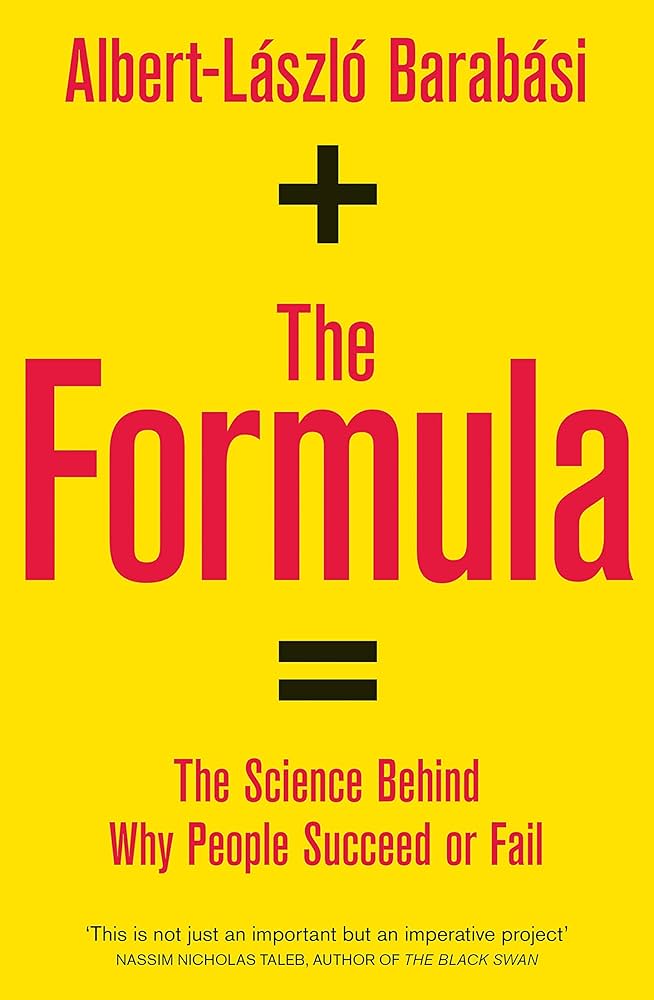
LIBRARY
The formula: The science behind why people succeed or fail
Albert-László Barabási
Barabási uses network data to show that performance and success are measured by different things.
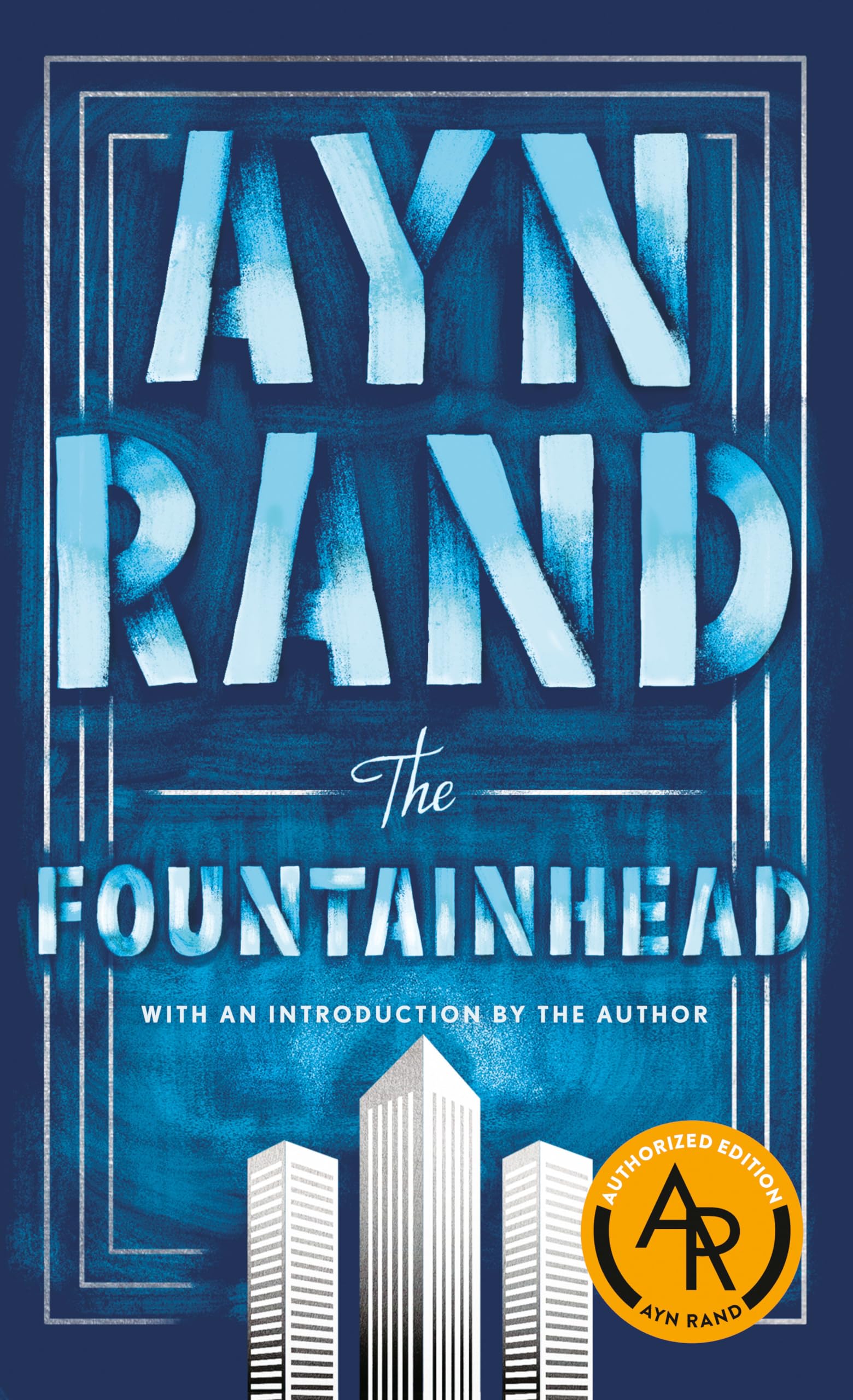
LIBRARY
The fountainhead
Ayn Rand
Rand's architect Howard Roark refuses to compromise his buildings.
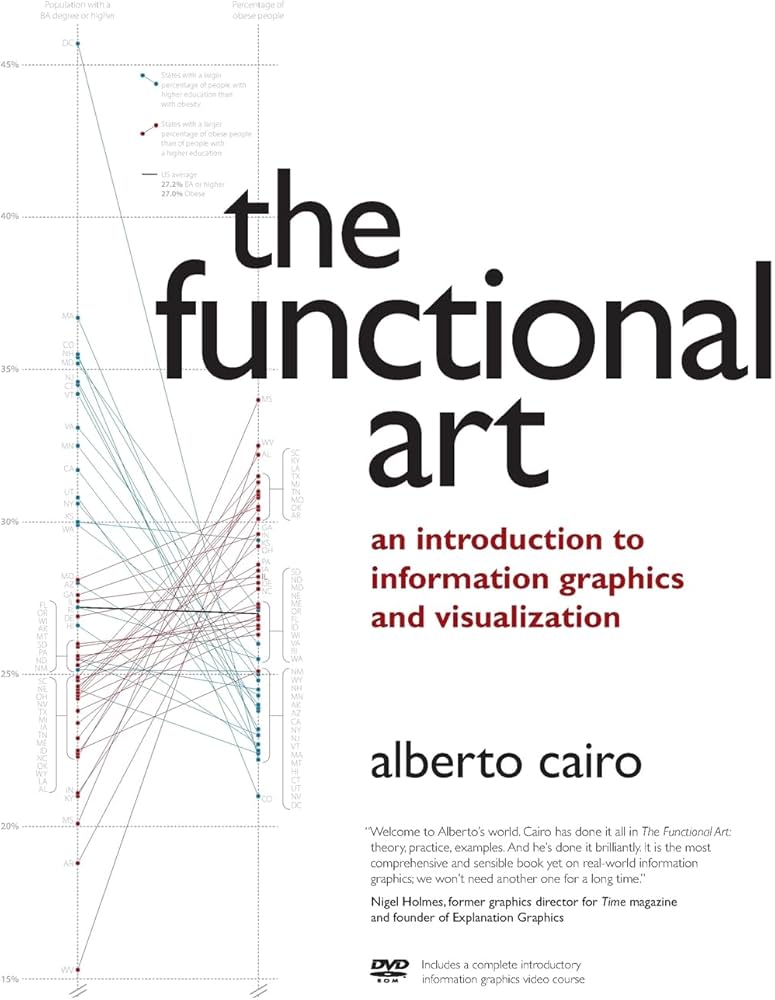
LIBRARY
The functional art
Alberto Cairo
Cairo on infographics as tools for understanding, with interviews of newsroom designers.
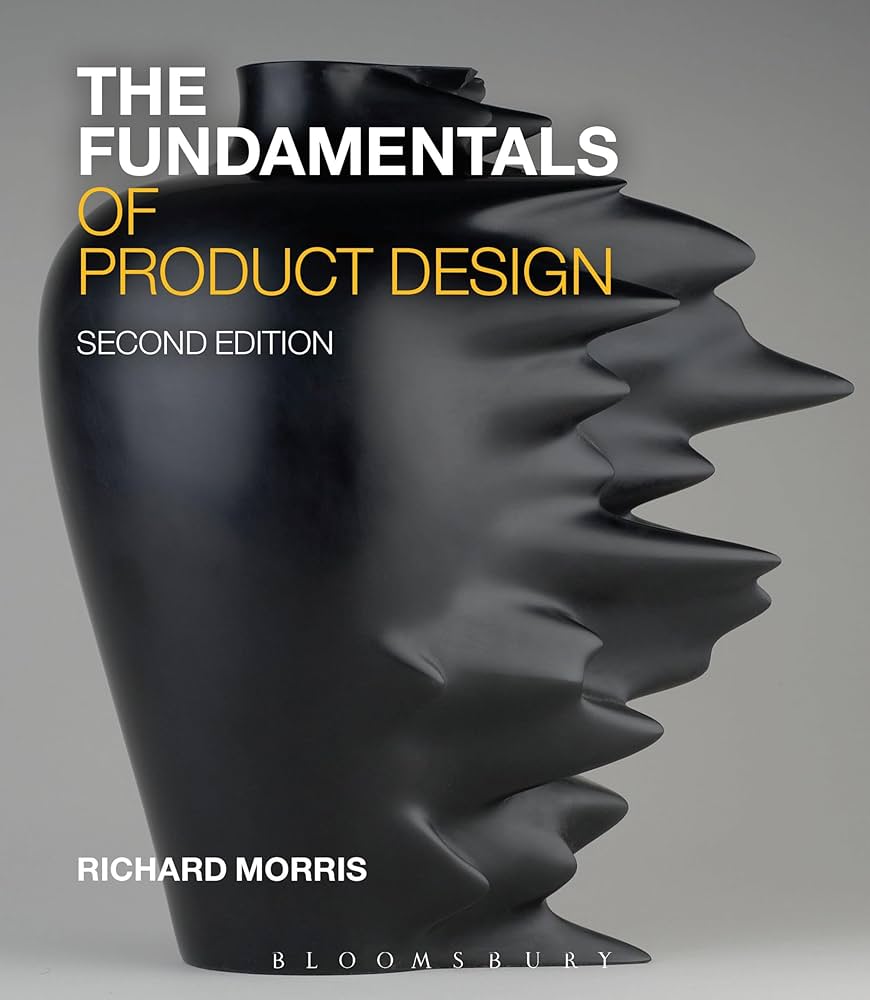
LIBRARY
The fundamentals of product design
Richard Morris
An introduction to the product design process, from research to prototype, with case studies.

LIBRARY
The golden tap
Kashyap Deorah
Deorah on hyper-funded Indian startups and where the money actually flows.

LIBRARY
The Great Indian Novel
Shashi Tharoor
Tharoor retells the Mahabharata as India's independence struggle.

LIBRARY
The happiness advantage
Shawn Achor
Achor argues happiness comes before success, and gives seven principles to act on it.

LIBRARY
The happiness project
Gretchen Rubin
Rubin spends a year testing happiness resolutions, one theme a month.

LIBRARY
The happiness trap
Russ Harris
Harris introduces acceptance and commitment therapy: stop fighting difficult thoughts and act on your values.

LIBRARY
The hard thing about hard things
Ben Horowitz
Horowitz on a CEO's worst days at Loudcloud and Opsware: layoffs, firing friends, nearly going under.

LIBRARY
The Hardware hacker
Andrew "Bunnie" Huang
Bunnie Huang on making hardware in Shenzhen: factory visits, chumby, Novena and the open-copy culture he calls gongkai.
LIBRARY
The hardware startup
Renée DiResta
Taking a hardware product from prototype to production: funding, manufacturing and distribution.

LIBRARY
The hungry brain
Stephan J. Guyenet
Guyenet on why the brain drives overeating, from food reward to leptin.
LIBRARY
The industrial design reader
Carma Gorman
An anthology of writing on industrial design from the 1850s onwards.

LIBRARY
The Industrial Design Reference & Specification Book
Dan Cuffaro
A reference on the industrial design process, materials and manufacturing, one topic per spread.

LIBRARY
The industries of the future
Alec Ross
Ross on robotics, genomics, digital money and big data, drawing on his time at the State Department.
LIBRARY
The infographic history of the world
James Ball
World history from the big bang onwards, told in infographics.
LIBRARY
The innovators
Walter Isaacson
Isaacson on the people behind computers and the internet, from Ada Lovelace to Google. Collaboration over lone genius.
LIBRARY
The lean startup
Eric Ries
Ries's build, measure, learn loop and the minimum viable product.
LIBRARY
The left hand of darkness
Ursula K. Le Guin
An envoy visits a planet where people have no fixed sex. Le Guin, 1969.

LIBRARY
The Life-Changing Manga of Tidying Up
Marie Kondo
The KonMari method as a manga, following a woman sorting out her apartment.
LIBRARY
The little book of hygge
Meik Wiking
Wiking on the Danish idea of cosiness: candles, friends, comfort.
LIBRARY
The little book of lykke
Meik Wiking
Wiking travels to find what makes people happy in different countries.
LIBRARY
The making of a manager
Julie Zhuo
Zhuo on becoming a manager at 25 at Facebook: meetings, feedback and hiring.

LIBRARY
The Making of Hero: Four Brothers, Two Wheels and a Revolution That Shaped India
Sunil Kant Munjal
Sunil Kant Munjal on how his father and uncles built Hero Cycles and then Hero Honda.

LIBRARY
The Maruti Story
R. C. Bhargava
Bhargava on Maruti from 1981: the Suzuki partnership, the Maruti 800 and learning to make cars in India.

LIBRARY
The mountain is you!
Brianna Wiest
Wiest on self-sabotage and how to get out of your own way.
LIBRARY
The one device
Brian Merchant
Merchant goes to mines, factories and labs to trace the iPhone's parts and the people behind them.
LIBRARY
The pencil
Henry Petroski
Petroski's history of the pencil, from graphite mining to Thoreau's family business. A history of engineering through one object.

LIBRARY
The people of the indus
Nikhil Gulati
A comic about the Indus Valley civilisation.
LIBRARY
The personal MBA
Josh Kaufman
Kaufman's summary of business concepts, from value creation to systems, without the MBA.

LIBRARY
The practicing mind
Thomas M. Sterner
Sterner on focusing on process over outcome, from piano practice to golf.
LIBRARY
The psychology book
Catherine Collin
DK's Big Ideas book on psychology, one thinker per spread.
LIBRARY
The psychology of money
Morgan Housel
Housel's twenty short stories about how people behave with money.
LIBRARY
The quotable tycoon
David Olive
Quotations from business leaders, arranged by topic.

LIBRARY
The rational animal
Douglas T. Kenrick, Vladas Griskevicius
Kenrick and Griskevicius on how evolutionary motives shape everyday decisions.

LIBRARY
The Rise of Asian Paints
Anupam Gupta
How Asian Paints grew from a small Bombay garage operation into India's largest paint company.
LIBRARY
The sketchnote handbook
Mike Rohde
Rohde's visual note-taking method: lettering, containers, arrows and simple people.
LIBRARY
The sketchnote handbook: Advanced
Mike Rohde
Rohde's follow-up, with more advanced sketchnoting techniques.
LIBRARY
The startup way
Eric Ries
Ries applies the lean startup to big companies, drawing on his work with GE.

LIBRARY
The Steal Like An Artist journal
Austin Kleon
A journal with prompts built from Steal Like an Artist.

LIBRARY
The story of philosophy
Will Durant
Durant on the lives and ideas of the great philosophers, from Plato to Dewey.
LIBRARY
The subtle art of not giving a fuck
Mark Manson
Manson on choosing what to care about.
LIBRARY
The Taj: A story of mughal India
Diana Preston
Shah Jahan, Mumtaz Mahal and the building of the Taj Mahal.
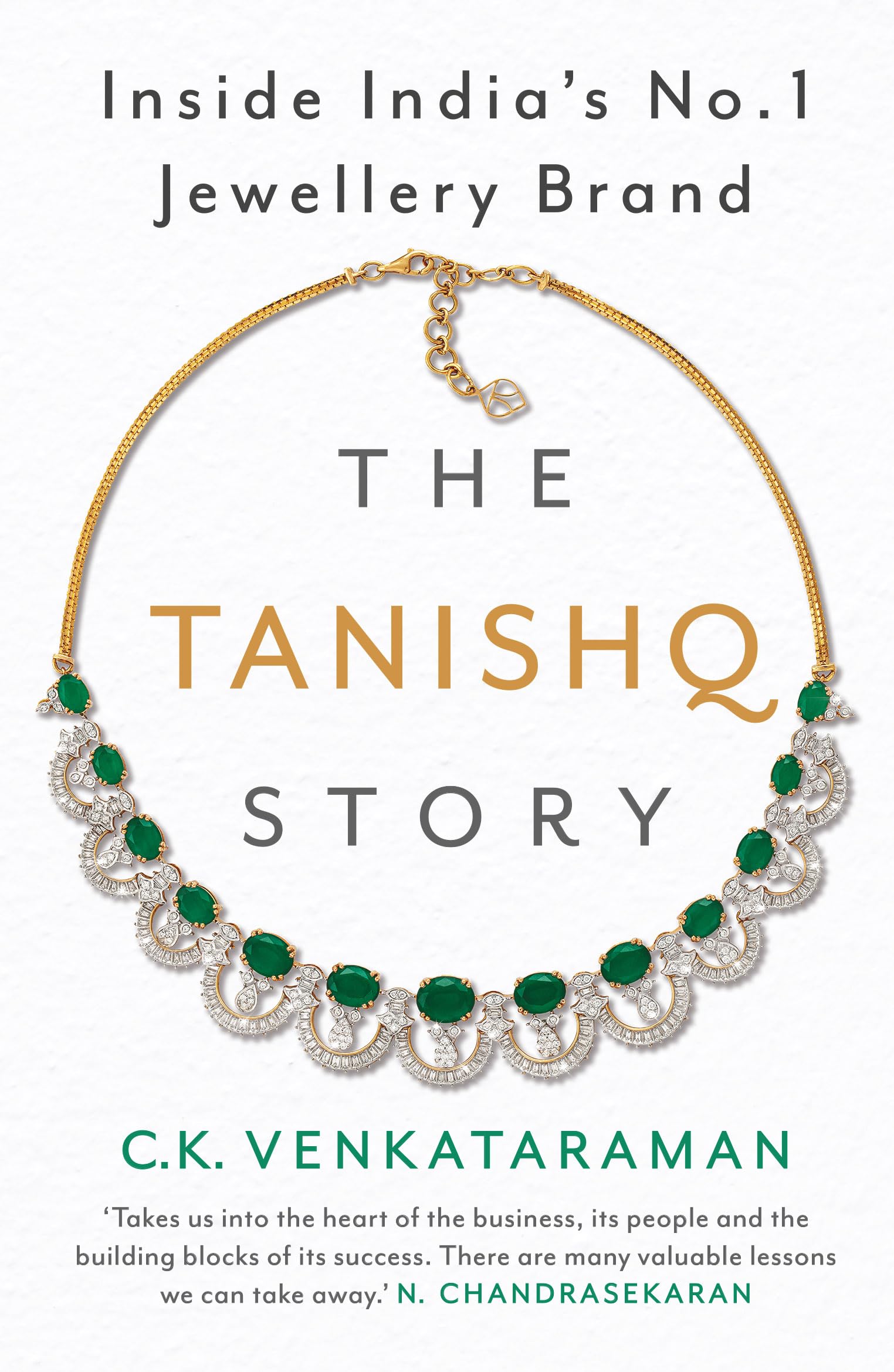
LIBRARY
The tanishq story
Vinay Kamath
How Titan built Tanishq into India's first national jewellery brand.
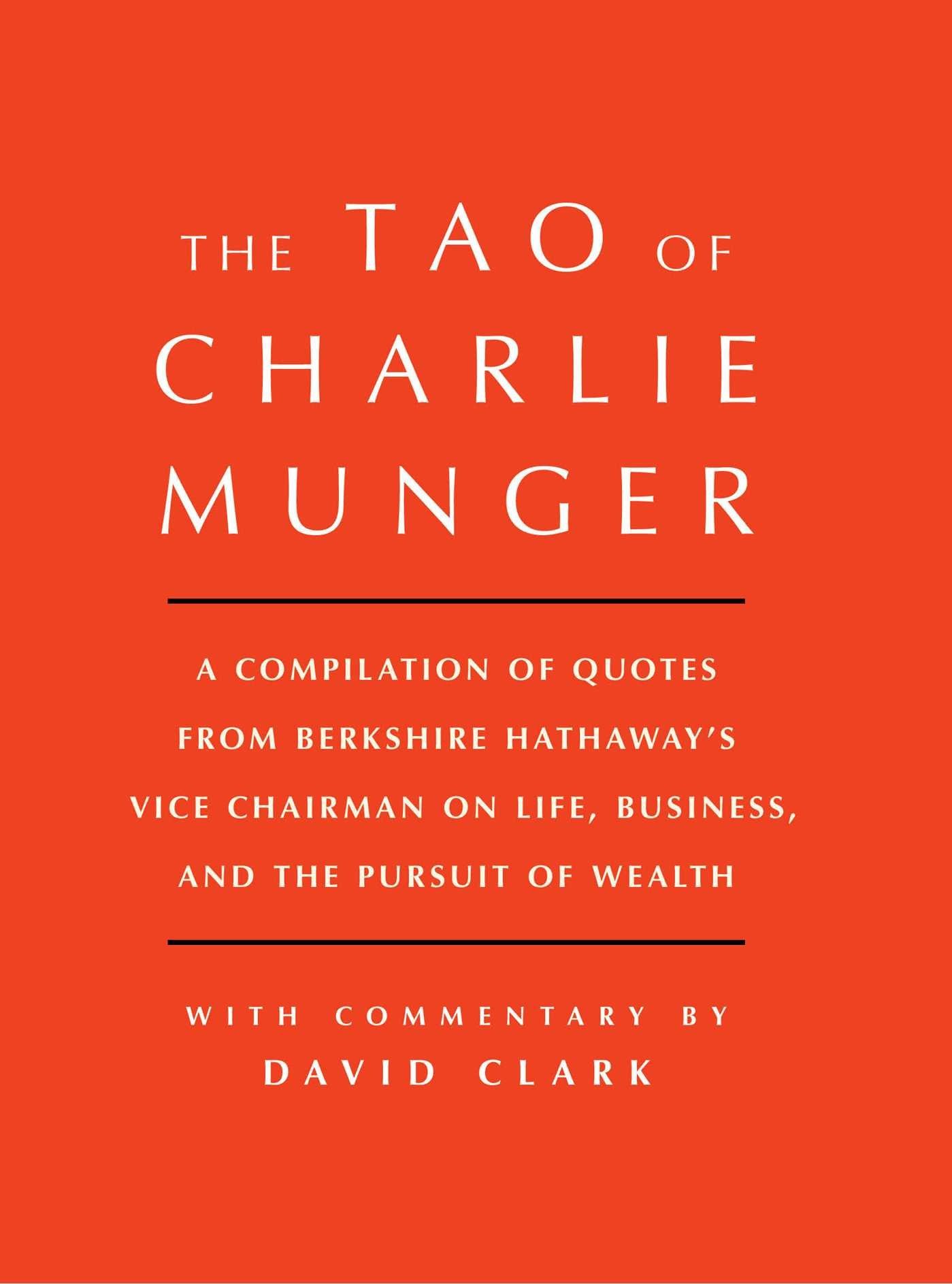
LIBRARY
The tao of Charlie Munger
David Clark
Munger's quotes on investing and life, with commentary.

LIBRARY
The tao of coaching
Max Landsberg
Landsberg's short guide to coaching at work, told partly as a story.

LIBRARY
The team that managed itself
Christina Wodtke
Wodtke's fable about a new manager learning to run a team.

LIBRARY
The ten faces of innovation
Tom Kelley
Kelley's ten roles in an innovation team, from anthropologist to storyteller.
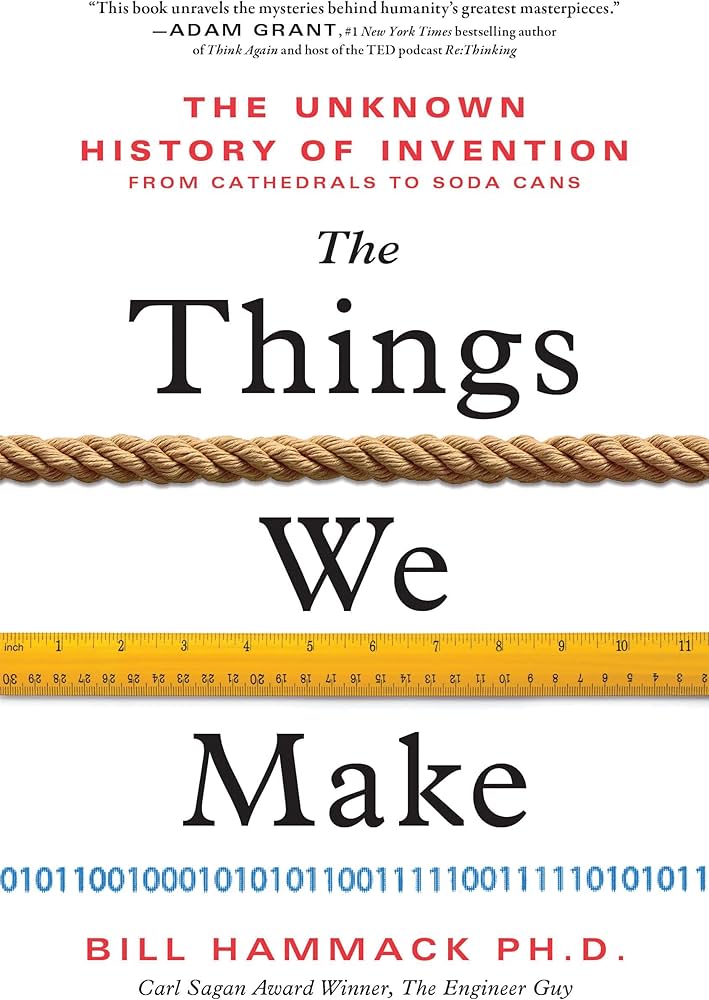
LIBRARY
The things we make
Bill Hammack
Hammack on the engineering method, told through the stories of how things get made.
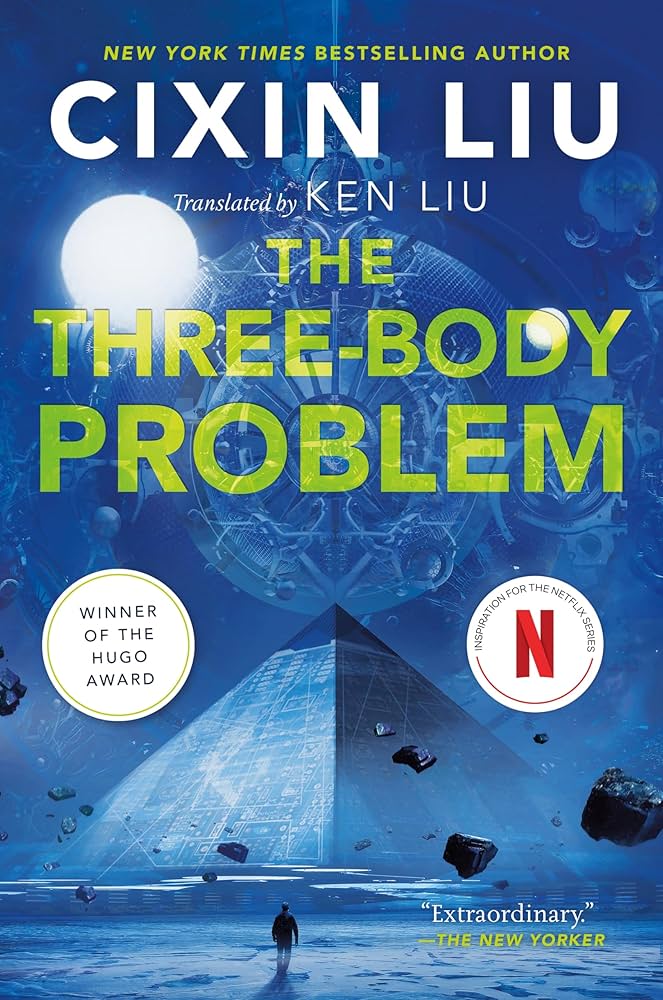
LIBRARY
The three body problem
Liu Cixin
Liu Cixin's first contact story, starting in the Cultural Revolution.
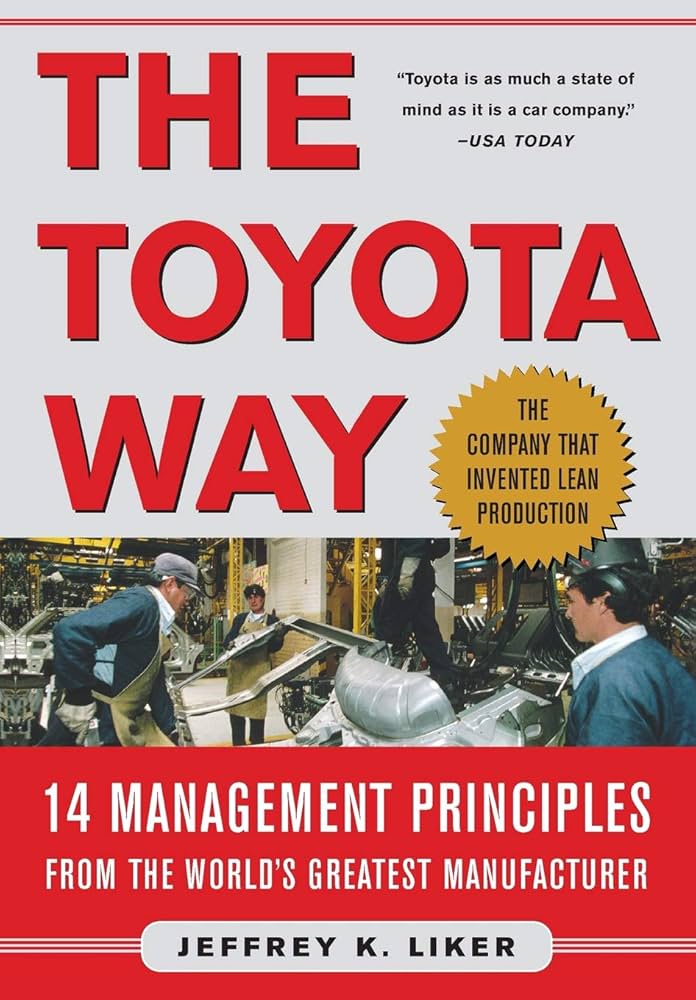
LIBRARY
The Toyota way
Jeffrey K. Liker
Liker's fourteen principles behind Toyota's production system and culture.

LIBRARY
The travelling belly
Kalyan Karmakar
Kalyan Karmakar's food memoir of eating across India.
LIBRARY
The ultimate history of video games
Steven L. Kent
Kent's oral history of video games, from pinball to the PlayStation.
LIBRARY
The ultimate history of video games: Vol. 2
Steven L. Kent
The second volume of Kent's history, picking up where the first left off.
LIBRARY
The unfair advantage
Ash Ali, Hasan Kubba
Ali and Kubba's MILES framework for spotting a founder's hidden advantages.
LIBRARY
The User Experience Team of One: A Research and Design Survival Guide
Leah Buley
Buley's methods for doing UX when you are the only designer in the company.
LIBRARY
The visual display of quantitative information
Edward R. Tufte
Tufte on graphical excellence: data ink, chartjunk, small multiples. He self-published it to control the printing.
LIBRARY
The visual MBA
Jason Barron
An MBA's core ideas as sketchnotes.
LIBRARY
The war of art
Steven Pressfield
Pressfield on Resistance, the force that stops you doing your work.
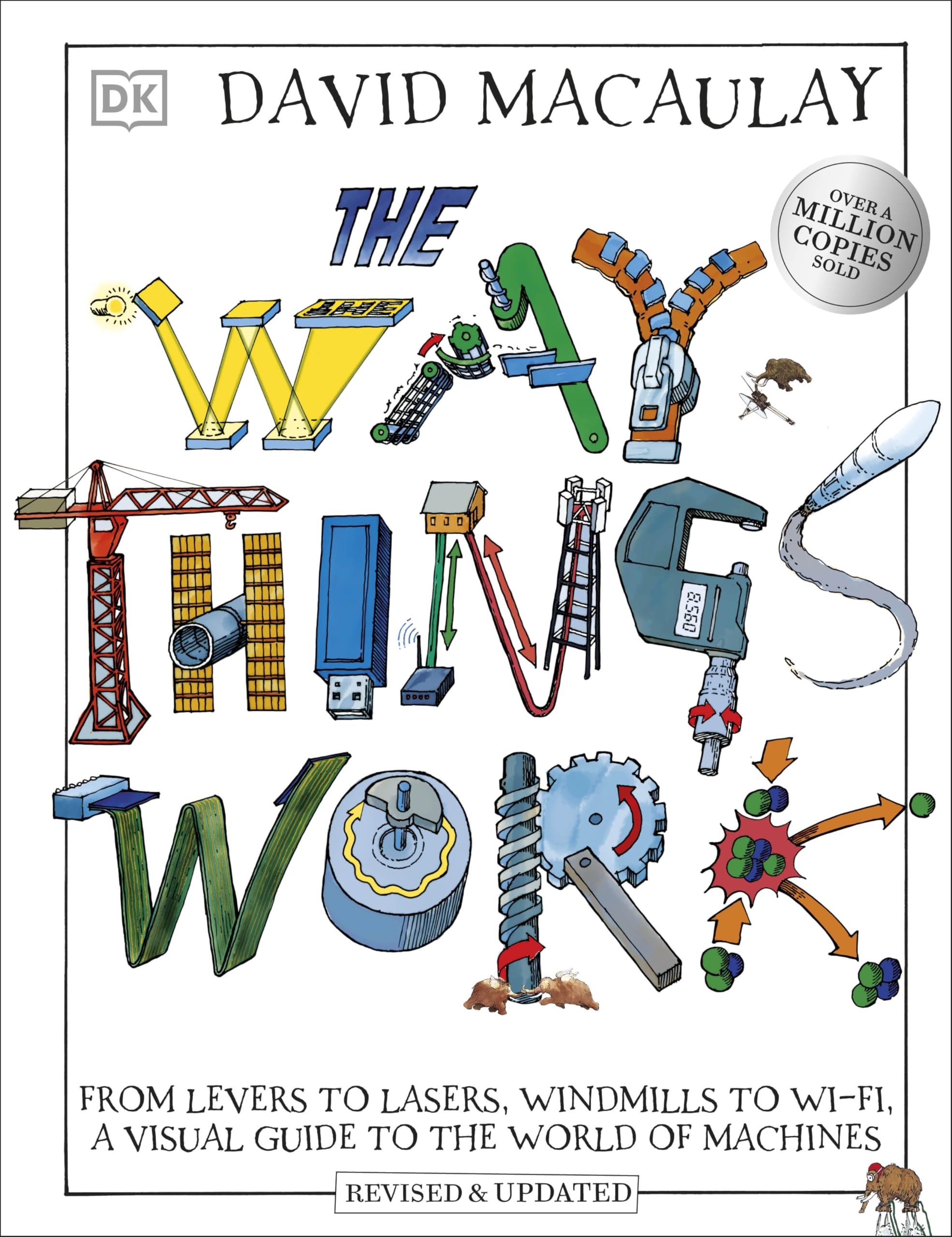
LIBRARY
The way things work
David Macaulay
Macaulay explains machines with detailed cutaways and a woolly mammoth. The drawings do the work.
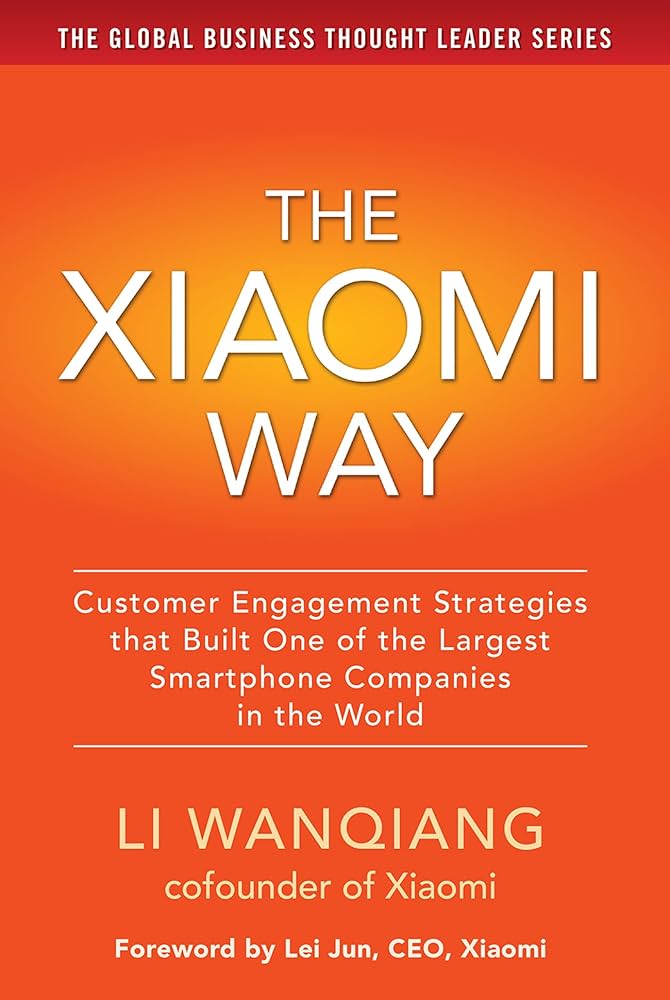
LIBRARY
The Xiaomi way
Li Wanqiang
Li Wanqiang on Xiaomi's fan-driven marketing and product development.
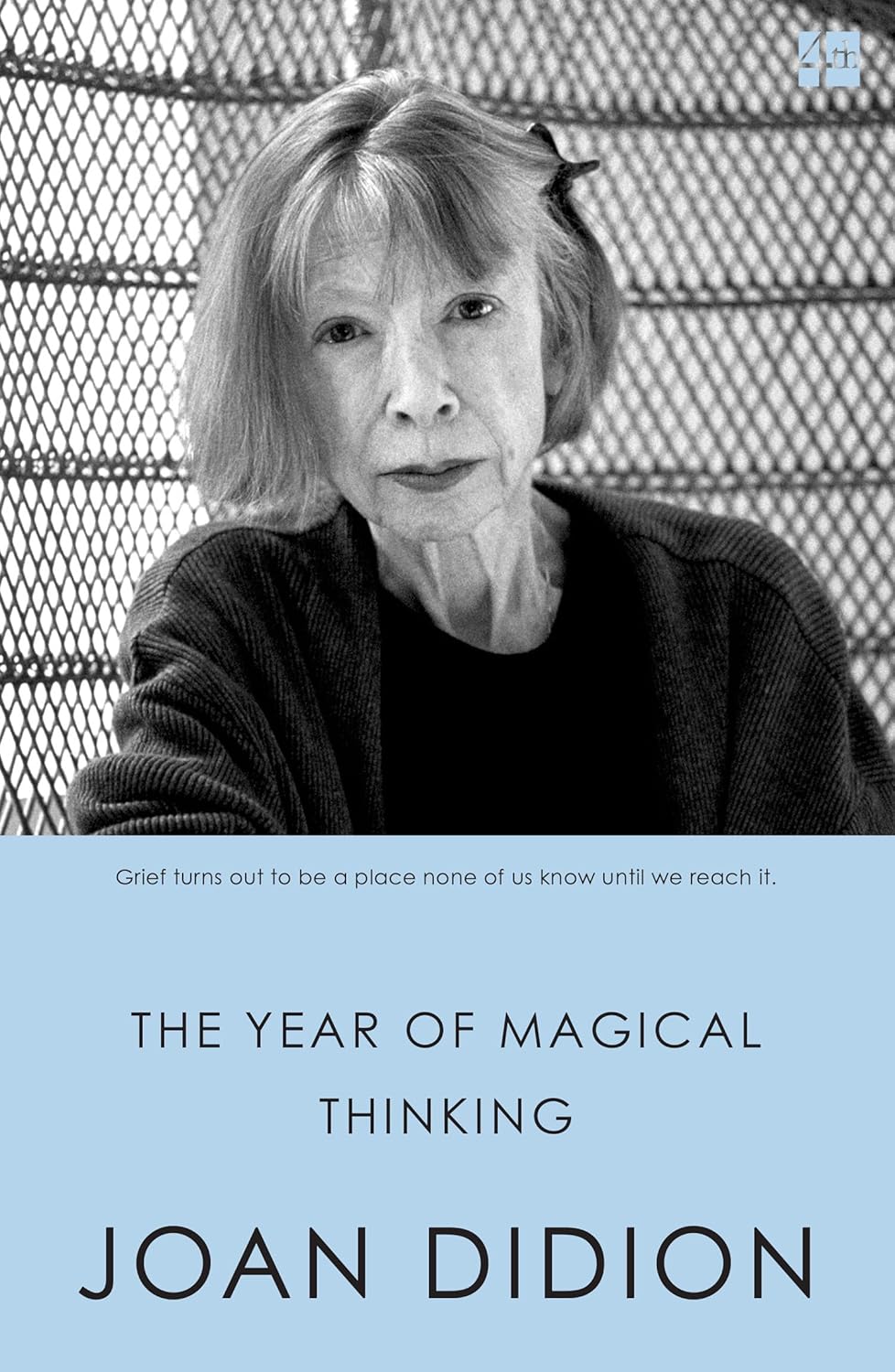
LIBRARY
The Year of Magical Thinking
Joan Didion
Didion on the year after her husband's sudden death, while her daughter lay ill in hospital.
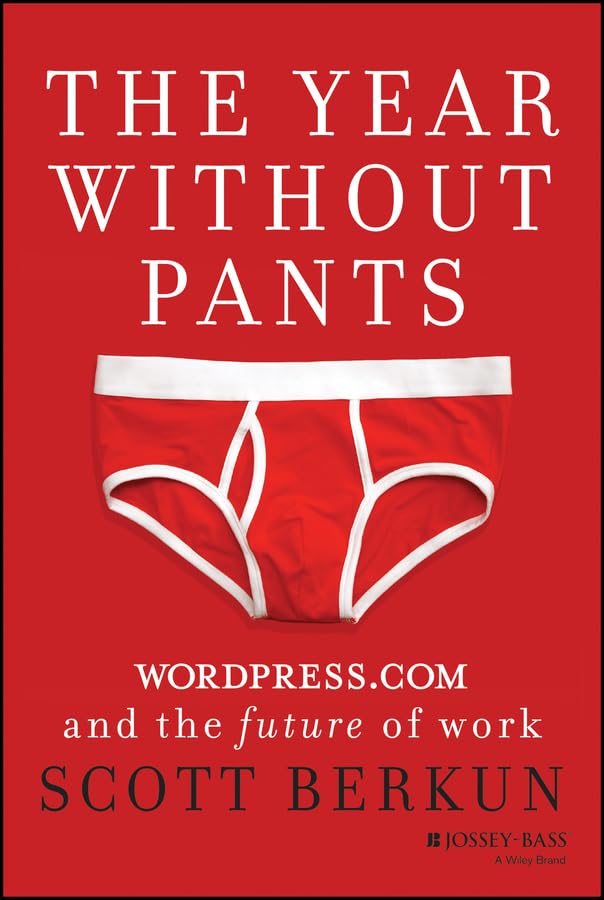
LIBRARY
The year without pants
Scott Berkun
Berkun works as a manager at Automattic, the company behind WordPress, and reports on remote work from inside.
LIBRARY
Things are what you make of them
Adam J. Kurtz
Kurtz's handwritten advice for creative people.
LIBRARY
Things come apart 2.0
Todd McLellan
McLellan photographs objects taken apart with every part laid out, from a typewriter to a piano.
LIBRARY
Think like a freak
Steven D. Levitt
Levitt and Dubner on approaching problems differently: say I don't know, think like a child.

LIBRARY
Think Like a Street Photographer
Matt Stuart
Matt Stuart on street photography: patience, observation and luck.

LIBRARY
Thinking in Systems
Donella H. Meadows
Meadows on stocks, flows and feedback loops, and the places to intervene in a system.

LIBRARY
This is a prototype
Scott Witthoft
A d.school guide to prototyping early and cheaply.
LIBRARY
Timelines of everything
DK
DK's timelines from the big bang to today.

LIBRARY
Tiny beautiful things
Cheryl Strayed
Strayed's Dear Sugar advice columns.
LIBRARY
Tiny habits
B. J. Fogg
Fogg's behaviour model: make habits tiny, anchor them to routines, celebrate.
LIBRARY
Titan
Ron Chernow
Chernow's biography of John D. Rockefeller.
LIBRARY
To engineer is human
Henry Petroski
Petroski on failure as the engine of engineering, from collapsed bridges to the Hyatt walkway.

LIBRARY
To:ky:oo
Liam Wong
Liam Wong's neon night photographs of Tokyo.
LIBRARY
Tomorrow and tomorrow and tomorrow
Gabrielle Zevin
Two friends make video games together over thirty years.
LIBRARY
Tools of titans
Tim Ferriss
Ferriss's notes from his podcast guests, sorted into health, wealth and wisdom.
LIBRARY
Traction
Gabriel Weinberg
Nineteen marketing channels and the bullseye framework for choosing one.
LIBRARY
Tragic design
Jonathan Shariat
Shariat and Saucier on design that hurts people, from medical software to dark patterns.
LIBRARY
Tribal leadership
David Logan
Logan's five stages of workplace tribes, from life sucks to life is great.

LIBRARY
Tribe of mentors
Tim Ferriss
Ferriss sends the same eleven questions to over a hundred people and prints the answers.
LIBRARY
Trillion dollar coach
Eric Schmidt, Jonathan Rosenberg, Alan Eagle
Lessons from Bill Campbell, who coached Jobs, Page and Schmidt.

LIBRARY
Twenty-first Century Design
Marcus Fairs
Fairs's survey of design since 2000, mostly products and furniture, with short texts.
LIBRARY
Ultimate family visual dictionary
DK
DK's visual dictionary, with every object labelled.
LIBRARY
Understanding comics
Scott McCloud
McCloud explains how comics work, in comics. The idea of closure between panels is the core of it.
LIBRARY
Unfolding the napkins
Dan Roam
Roam's workbook version of The Back of the Napkin.
LIBRARY
Universal methods of design
Bruce Hanington
A hundred research methods for designers, one per spread.
LIBRARY
Universal principles of design
William Lidwell
One design principle per spread, each with an example.
LIBRARY
Universal principles of UX
Irene Pereyra
Pereyra's principles for UX, one per spread.

LIBRARY
Unreasonable hospitality
Will Guidara
Guidara on running Eleven Madison Park and giving guests more than they expected.
LIBRARY
User friendly
Cliff Kuang
Kuang and Fabricant on the history of user-centred design, from Three Mile Island to the iPhone.
LIBRARY
Username: Evie
Joe Sugg
Joe Sugg's graphic novel about a girl who escapes into a virtual world.

LIBRARY
Uzumaki
Junji Itō
A town becomes obsessed with spirals. Junji Ito's horror manga.

LIBRARY
Value proposition design
Alexander Osterwalder
Osterwalder's canvas for matching products to customer jobs, pains and gains.
LIBRARY
Visual meetings
David Sibbet
Sibbet on using graphics and sticky notes to run meetings.
LIBRARY
Visualize this
Nathan Yau
Yau's hands-on guide to making charts with code and tools.
LIBRARY
Watchmen
Alan Moore
Moore and Gibbons on retired superheroes in 1985, with the Cold War close to nuclear war.
LIBRARY
Ways of seeing
John Berger
Berger on how we look at images, from oil painting to advertising. Based on his 1972 BBC series.
LIBRARY
Welcome to the new world
Jake Halpern
Halpern and Sloan's comic about a Syrian refugee family arriving in the US.
LIBRARY
What got you here won't get you there
Marshall Goldsmith
Goldsmith's twenty habits that hold successful people back, like adding too much value.
LIBRARY
What if?
Randall Munroe
Munroe answers absurd hypothetical questions with real physics.
LIBRARY
What if? 2
Randall Munroe
More absurd questions, answered just as seriously.
LIBRARY
Whatever you think, think the opposite
Paul Arden
Arden's short book on risk and doing the opposite of what seems sensible.

LIBRARY
Where good ideas come from
Steven Johnson
Johnson's seven patterns behind innovation, from the adjacent possible to the slow hunch.

LIBRARY
Who gets what and why
Alvin E. Roth
Roth, who won a Nobel for this work, on matching markets: kidney exchange, school choice, medical residencies.

LIBRARY
Who moved my cheese
Spencer Johnson
A parable about mice and little people handling change.

LIBRARY
Why not?
Barry J. Nalebuff
Nalebuff and Ayres's tools for solving problems and inventing things.
LIBRARY
Winning the story wars
Jonah Sachs
Sachs on storytelling in marketing, built on myth structure.
LIBRARY
Wordless diagrams
Nigel Holmes
Holmes explains everyday tasks with diagrams alone, no words.
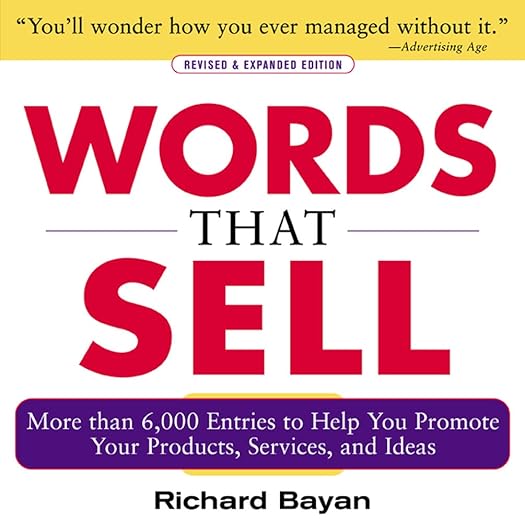
LIBRARY
Words that sell
Richard Bayan
Bayan's thesaurus of persuasive words and phrases for copywriters.
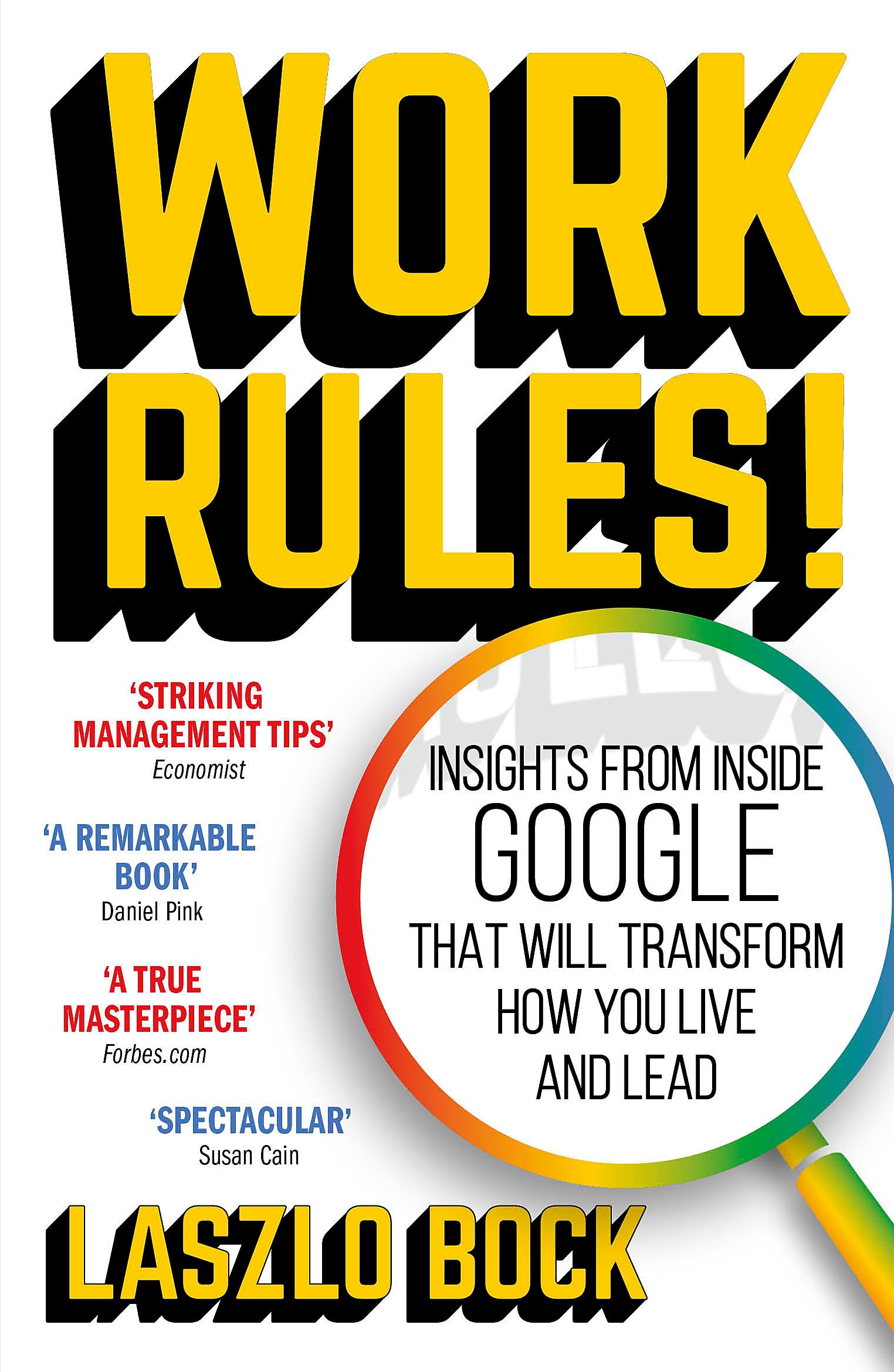
LIBRARY
Work rules!
Laszlo Bock
Bock on Google's people practices: hiring, performance reviews and perks.
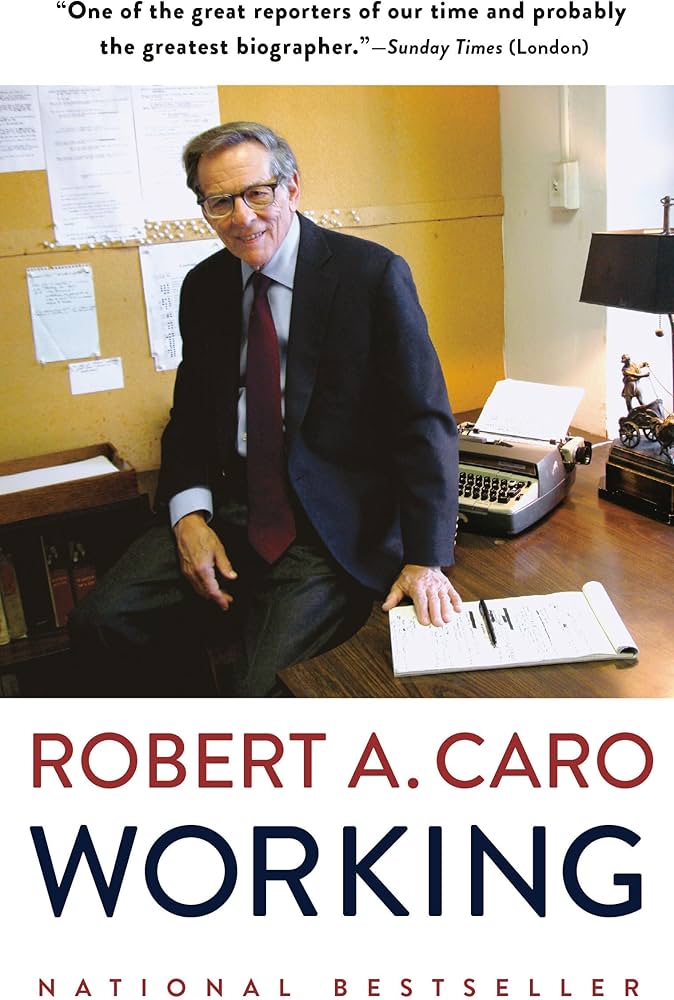
LIBRARY
Working
Studs Terkel
Terkel's interviews with over a hundred working people about what they do all day.
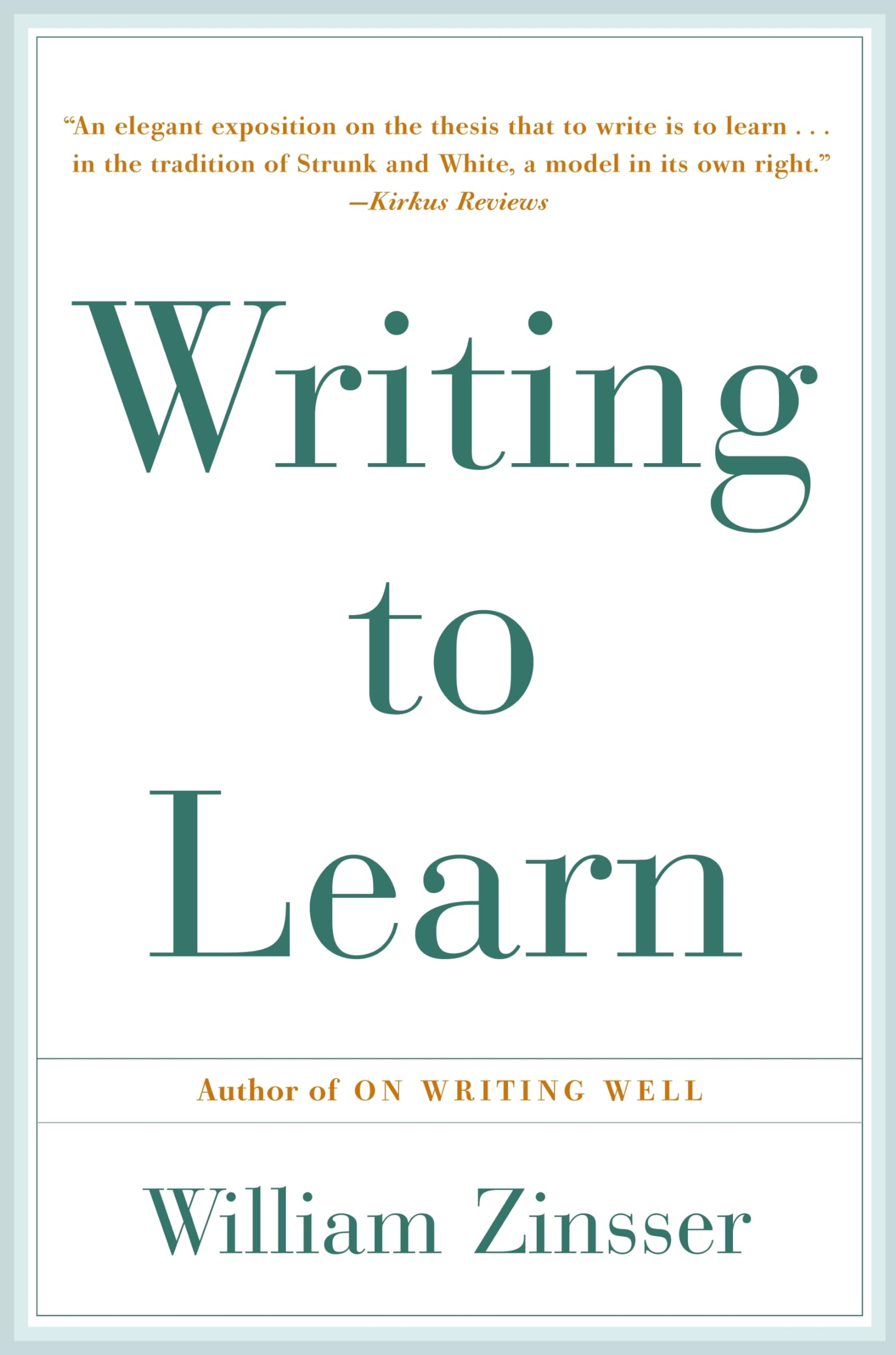
LIBRARY
Writing to learn
William Zinsser
Zinsser on writing as a way to learn any subject.
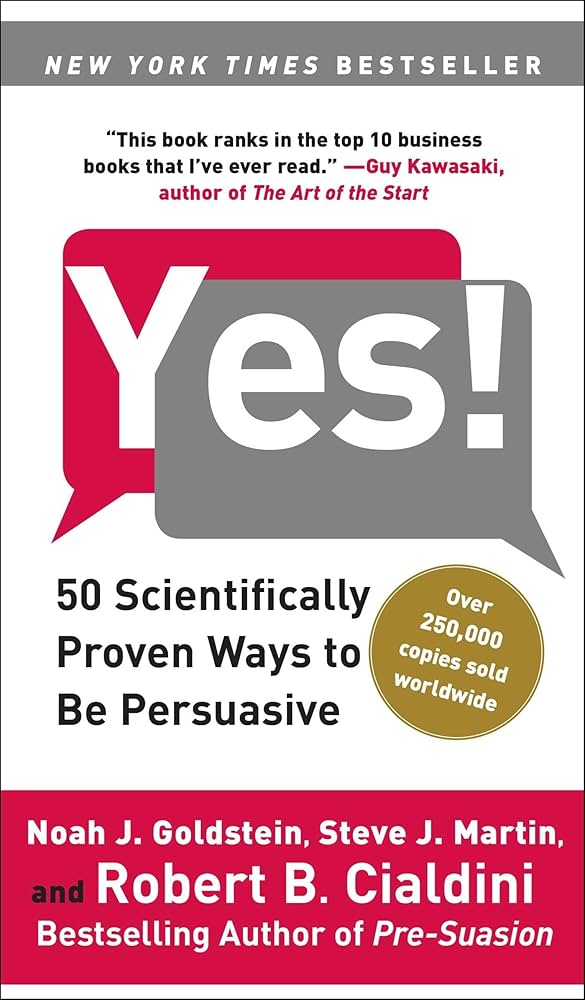
LIBRARY
Yes! 50 financially proven ways to be persuasive
Robert Cialdini
Fifty short findings on persuasion from Cialdini and colleagues.

LIBRARY
Zag
Marty Neumeier
Neumeier on radical differentiation. If everyone zigs, zag.

LIBRARY
Zen and the art of motorcycle maintainence
Robert M. Pirsig
Pirsig's motorcycle trip with his son turns into an inquiry into quality.

LIBRARY
Zero to One: Notes on Start Ups, or How to Build the Future
Peter Thiel
Thiel's lectures on startups: monopoly over competition, secrets, and being the last mover.

LIBRARY
Siddhartha: An Indian tale
Hermann Hesse
A young man in the Buddha's time leaves home to find enlightenment by living it rather than being taught it. Hesse.

LIBRARY
Microinteractions: Designing with Details
Dan Saffer
Saffer on the small moments inside products: triggers, rules, feedback, loops and modes.

LIBRARY
Triggers
Marshall Goldsmith
Goldsmith on the environmental triggers that shape behaviour, and the daily questions he uses to change them.
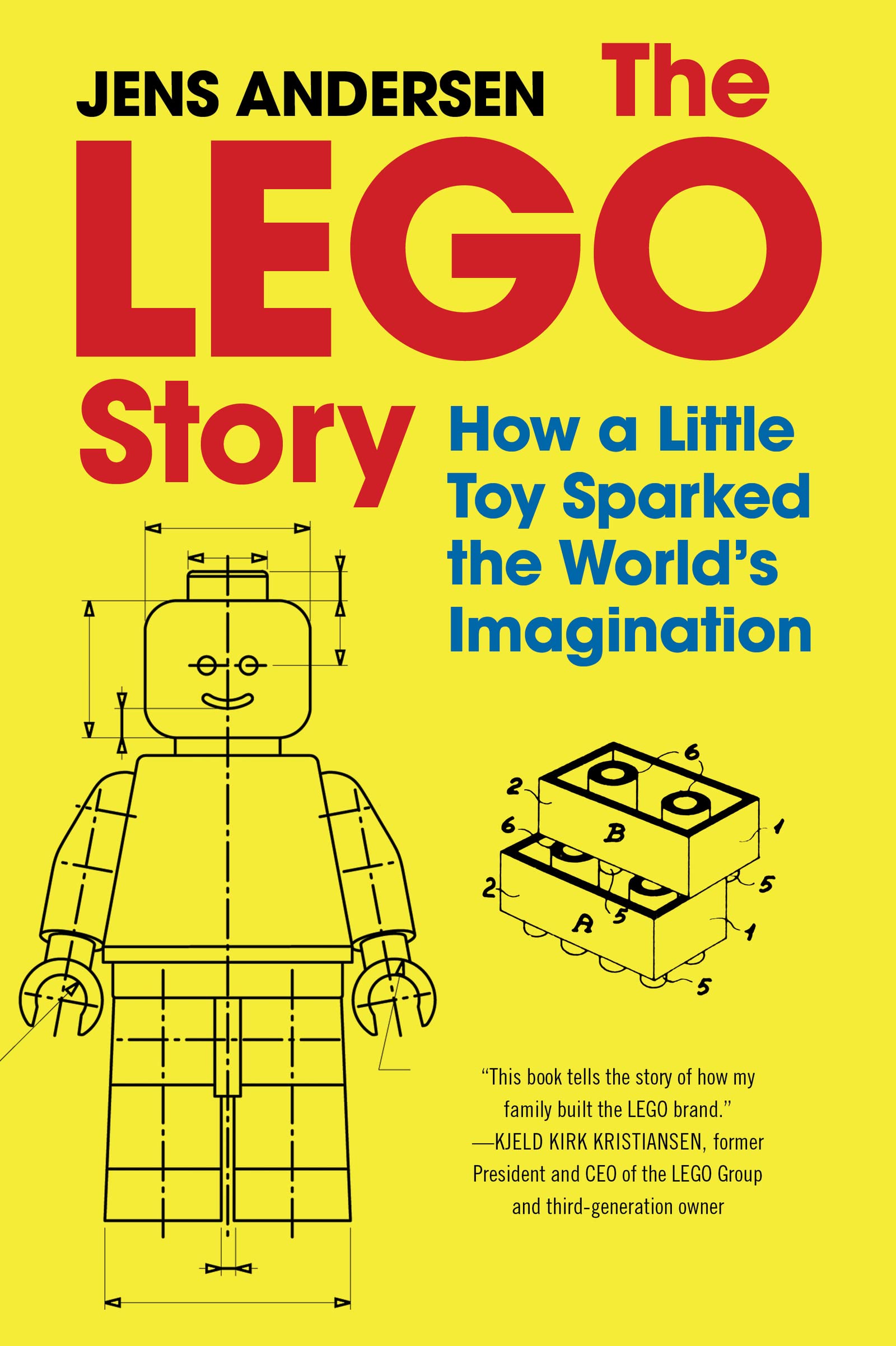
LIBRARY
The lego story
The Lego company's history, from Ole Kirk Christiansen's wooden toys to the plastic brick.











How things
actually get made.
Design, engineering, life, and the messy middle. Sixteen years in the field, written down as it happens.
SERIES · 8/8 COMPLETE
The complete industrial designer
Eight-part field guide for the full industrial design process.
NOTE
Weekly reminder
Land your learnings somewhere. If you just consume content (reading a book counts too), you're filling your brain with too much that'll go stale. If you read fiction, tell a story to someone. If you read non-fiction, keep a project running in your head to land the learnings. Input / output
Track your energy, not time, to block your calendar. If your energy is high, create. If it's not, do meetings. If your energy dips, do administrative chores. And if you're feeling emotional, call friends & family or block time to do whatever you actually feel like. Track energy, not time
Have one mentor, not more. Seeking or getting tons of 'gyaan' or inputs or directions from a lot of folks requires time spent, which will feel like progress but will drain you. Following one person, even if you disagree, will help you progress for real, and the worst thing that can happen is that they teach you blind spots. You're talking to too many people
If you want to meditate but can't stick, write instead. I couldn't measure progress sitting cross-legged. I also have sciatica, so yeah. But I could measure writing for 15-20 minutes every day. Meditating by writing
Make your books dirty. Highlight lines, write your notes, note things to look up further, write in your words on flashcards, then mix and match the cards to find new ideas. 40 assorted notes on how I read
Study your successes harder than your failures. Failure tells you what to avoid, but success? Success tells you what actually works. 50+ things worth knowing
Take advice from someone who's two to three years ahead of you, not ten. A design head has forgotten what it 'feels' like to defect a piece of work to ten stakeholders. The right kind of help in your design career
Be present. The mind can be in twenty places, but the feet are in one. The room you're in is the only room. Eating is one activity, so just eat and focus on food and the people you're eating with. Keep your hand empty sometimes. Be where your fucking feet are
NOTE
Teach someone something today.
Teach someone something today. It could be as simple as sharing a note from a book you read today and your takeaway. It could also be just sharing why you're reading the book you are on right now.
It could be teaching your parents a feature on their phone, like I taught my dad how to use the on-screen AI assistant by long-pressing the bottom to understand what he's seeing. For me, it was nothing, but for my dad it was magical!
If you're in society groups, large work or team groups, answer or respond to chats properly and in detail.
Doing this shows you which parts you didn't truly understand or where you have gaps. Doing these also signals that you're interested and may make someone's day a little easier.
NOTE
#61: Bad power adapter by Daily Objects
Found this to be a 'cool' one and bought it. It's slim, and at the time, it made sense for me to get it as a regular travel adapter since it has two USB-C ports to charge my devices.
I'll just tear it apart to make a simple point. It didn't need to be this broad.
It's too flat to grip properly. For a push-and-pull action on or away from the switchboard, you need grip. A flatter body doesn't help. Looks sleek but is horrible ergonomically.
The oversized body either covers or blocks the switch directly to its left or right, and you can't flip the switch without manoeuvring around the adapter to reach the right spot.
The size and ratio itself doesn't align with the standard modular switch plates and blocks that are commonly used in Indian households - Anchor, Legrand, GM and such. I tried in many; it doesn't fit well in any.
DO is attempting to do things differently, and I admire that about them. But this being such a hyper-utilitarian object is a clear missed opportunity.
NOTE
#60: Spend money here
Kept only the ones I need to do more actively.
Pay for this | Because it does this (direct effect) | Because it does this (second-order effect) |
High‑quality noise‑cancelling headphones | Removes distracting noise and creates silence | Lets you do deep work, think clearly, and produce higher‑quality output |
Personal trainer who comes to you | Creates external accountability; they show up even when you don’t want to | “Buys” the workout habit you wouldn’t stick to on willpower alone |
Courses in foundational skills (communication, negotiation, time mgmt) | Improves how you speak, negotiate, and use your time | Raises your lifetime earning power and opportunity set across any career |
Diversified investments instead of one big position | Reduces dependence on a single stock or asset | Protects you from catastrophic loss and keeps you in the game long enough to win |
BATNA fund (6–9 months’ expenses saved) | Lets you walk away from a bad job or deal | Gives real negotiation power and preserves your self‑respect and standards |
Tax accountant / financial planner | Helps structure money, taxes, and investments well | Prevents costly mistakes and quietly compounds your net worth over decades |
Lawyer / estate planning | Puts legal structure around your assets and inheritance | Provides security and clarity for the people you love after something goes wrong |
Insurance and planning for rare disasters | Pays out when low‑probability, high‑impact events hit (e.g., house fire) | Stops one disaster from resetting your finances to zero |
Music, art, or hobby courses | Deepens a craft you love | Makes your inner life richer in a way money alone can’t buy |
Experiences you truly care about (trips, shows, etc.) | Create vivid, shared moments | Become stories and memories that define what “a good life” felt like |
Time and money on your partner & kids | Funds dinners, walks, trips, shows together | Strengthens relationships, which strongly predict health and happiness in old age |
NOTE
#59: Art and design
Read this line from actor Kumud Mishra: "Art must challenge what we normalise."
I immediately remembered some thoughts I've been tinkering around with.
We remember art. Sometimes we remember design. We remember the K6 phone booth. We will always remember the Ambassador car, Bajaj Chetak, the rotary dial phone, Coca-Cola bottle, even Lucknow's Tunday Kebabi; the list goes on. All of these are iconic.
Today, you remove the logo, and you can't clearly differentiate one car from another, one slab phone from another, one scooter from another, one bucket from another, one brand's kitchen appliance from another.
You see, the ordinary choice needs no defence in a review. Everybody gets aligned, everybody loves it, and we go ahead with it. For digital, it's Mobbin or Dribbble where one takes screenshots of screenshots, and we implement what we like. Memorable and unique? No.
On the hardware side, every brand buys the same Shenzhen modules and most ready-made designs, and the only thing left to argue about in a review is the enclosure or casing. Even Saint Laurent, Balenciaga and Burberry changed their logos to serifs within years because they had to optimise for legibility in thumbnails.
As a result, everything looks the same.
Maybe it's time some of us, privileged to make bullish decisions in our roles, pushed this change. One small change at a time, maybe. Like keeping the design system, default industrial design language properties, but making one change that'd really need debates and arguments.
Maybe we take an individual stance for a choice we made in an object and defend it, stand by it, because a committee produces an average, and an average has no one person to defend it. Maybe we make that one change reversible, so when it actually doesn't work, we can revert. A room will approve things that can be undone.
NOTE
#58: KTMs and BMWs
I'd always seen it before, but this time it was on my face. I'm talking about the cheap aftermarket decals people put on BMWs. I think I spotted these mostly in Kolkata. But only after I saw a bunch of them in Kolkata did I realise BMWs could be the KTMs of the car world. I mean, both KTMs and BMWs are amazing machines, but they get a bad reputation from the kind of riders they attract (mostly).
I get that KTM would largely attract early-20s guys who are online, want to impress girls, express their loud, aggressive nature, do pointless revving at signals, and zig-zag through city traffic. That reads as crass, and unfortunately the brand will get tagged with that energy. Understandable.
But with modded BMWs, it becomes almost intolerable. The cars would have matte-finished decals with flames or horns, glowing underbody lights, fake ///M badges - all things that make a serious performance machine into a B-grade Fast & Furious wannabe car.
The entry ticket to both is relatively low. Both are aspirational categories of vehicles, as both are European. When the entry barrier to an aspirational, high-status brand lowers, it mostly attracts buyers who are very status-sensitive and will over-signal with decals, loud pipes, wraps, etc.
It could also be the brand personality. BMWs have aggressive (and I think ugly af) grilles, and strong DRLs. KTM's stock design language is sharp lines around bright orange, and borderline angry. If the product already looks aggressive, it would attract people who like aggression as an aesthetic and a personality trait, no?
For many young riders and drivers, KTMs and BMWs are the first serious performance machines. These two brands made performance affordable in a country with chaotic traffic and almost no traffic enforcement. Fun machines, with a crass, loud brand image.
NOTE
#57: My book Beyond Tools is out now!
I was frustrated with the quality of the candidates I was interviewing. The candidates were not entirely at fault. It was their exposure and what they learned from industry "mentors." They didn't know any better. So, in an attempt to do my part, I wrote a simple list of '88 tips for young product designers.' This was in 2022.
The post gained some popularity. Later that year, I transitioned into building hardware products. That's when I thought about expanding the tips with more reasoning and actionable exercises for designers to follow and practice. I've been writing the book ever since.
Initially, I expanded the book to cover different domains, including digital UI/UX designers, content writers, and a few more, but kept trimming as my thoughts matured.
In a way, I wanted to 'document' everything that I'd learned after interviewing, hiring, and working with many young designers over a decade in an easy-to-carry-everywhere format.
This is that book.
This book will hopefully teach you how to prepare your portfolio, prepare for memorable interviews, do work that helps you stand out, perform and grow at work, and build your career. Also, a bunch of things that you absolutely should not do, despite the industry telling you otherwise.
Beyond tools: A practical guide for designers to become irreplaceable. Buy it and leave a review if you love it. :)
NOTE
#56: Why all my blog headers are AI-generated
A while ago, someone from my team told me in the lift that the AI-generated header images of my blogs make him wonder if the writing is AI-generated too. He recommended that I use more 'real-looking' images.
Here's a quick story. I've been writing online since 2010. Since then, I never had a thing for putting header images. Putting images on the go was fine, but together, in a grid, they looked messy. In 2023, I had about two hundred blog posts, and I knew it was time to fix the header images because I didn't want my website to become a glorified Wikipedia of blog posts, aesthetically. But what style of header images? I didn't want it to look cookie-cutter either.
2023 matters because that's when we did a three-week trip to Europe, and the one artist I fell in love with was Alphonse Mucha. I picked up a bunch of his art in Prague. I think it was sometime in December 2023 when I was thinking about the header images, spotted the Mucha paintings, and an idea clicked! Why don't I modernise Mucha?
Midjourney was on the rise, and I spent a good number of sleepless nights getting the prompt right and generating the early ones you see through my blogs. That prompting journey was interesting to me because I kept the style the same - uniform line weight, black and white, modernised flourishes and decorative elements, medieval characters in a modern environment. The output quality I get now in seconds is what a junior-to-senior illustrator would have given me in the fourth or fifth iteration over weeks.
Now, on the inference, saying AI-header images implies AI-written content is like saying a novel with a stock photograph on the cover was written by a photographer. I don't care much about the inference, though, because people see the cover for less than a second, and only the content matters. If the header image settles the takeaway for the reader, the writing wasn't going to anyway.
Happy reading.
NOTE
#55: Like what nothing recommends to you
About two years ago, I got to spend about ten days with folks from my team in Pune. One of the things I remembered fondly from that trip is the deep Malvani and Maharashtrian thaali indulgences we had. Every night, for dinner, we'd find a spot from recommendations of a colleague's friend and eat our hearts out.
Living in Bangalore, I miss that food.
Earlier this year, Nandini mentioned about Suryawanshi. Her colleagues were raving about the place. One Sunday, not too long ago, we were in the Church Street area and I spotted one of their outlets. The following Sunday, I ordered in. They were good.
As I was bookmarking places for our upcoming Kolkata visit on Instagram, I saved the ones I had known since childhood and the ones I found on Instagram were about 20% of the places I plan to visit.
You see… the recommendation engine doesn't have an opinion. It'll surface what would make sense for a newbie. But it can't get the specific thing about how I like Lakkhan da'r aloo kabuli, or Shayamnagar bajarer jol porotha, or even Sodepur railway bridge er tolaye radhabollobi. They don't have an app or rating; just a long queue outside. Even Suryavanshi in Bangalore didn't come to me through an app recommendation but just word-of-mouth.
Food is just one example. Spend long enough time with the recommendation engine and you'll lose the muscle of liking something on your own. The small wrong steps of taste, the part where you reach for a thing you do not know why you reach for, had been bypassed. I had been delivered to a thing. I had not arrived at a thing. The arrival is what makes the thing yours.
Find things you like that the recommendation engine does not know you like. A particular way of cutting a mango. A particular street to walk on. The specific dimsum seller at the corner of 80ft. road.
It's possible that in 2028, "what do you like that the app does not know about" will be a real question on first dates. The people who can answer will be a smaller group than you think.
NOTE
#54: Who are you without AI?
In 2026, if all AI-models disappeared tomorrow, who would I be?
There is a version of you that exists with the model in your pocket, and a version that would exist without it, and the gap has gotten wide in the last two years, and you have not measured it, because you have not had a reason to.
A writer would probably say that they'd write less and would write their stuff slower. It'd also be worse for the first six months. And then, maybe, it would be better. They might not have the patience left to wait the six months.
The question is not academic. It is the year ahead in compressed form. Whatever the answer is, that is the work.
There's another version. If the AI-models disappeared tomorrow, would the people who admire me for work or the things I'm doing today to brag my problem solving skill or building skills still recognise me? If the answer is no, you have a year, maybe eighteen months, before they do not.
NOTE
#53: How to walk without your headphones
The little walk we get to do on a given week to the sabziwala or the walk from the metro, or a post-dinner routine in the nearest park doesn't happen in silence. There's the noise from traffic, cars honking, sometimes people talking, and a lot more from the distant chatter at a chai stall.
So we gave in to podcasts, calling a friend
Most of us, in 2026, no longer know how to walk somewhere without something in our ears. The walk to the sabziwala. The walk from the metro. The silence has become unbearable.
This week, before next Sunday, walk somewhere without your headphones in. Twenty minutes. Once.
The walk is not for thinking. The walk is for nothing. If you come back with nothing, the walk worked.
You will hate the first ten minutes. You will reach for the phone twice without realizing your hand is reaching. You will start composing a tweet about how strange it is to walk without headphones. Your mind, denied a podcast, will offer to be one.
Don't be a podcast.
Around minute eleven, something will shift. You will notice the horn of the auto. The bird. The woman selling jasmine outside the temple. The headphones were not just adding sound. They were subtracting the world.
A few of you will, on minute fourteen, have a thought you have been avoiding for months. I should leave the job. I do not love him anymore. It has been waiting for the headphones to come off. Don't reach for the phone. Let it sit next to you for the rest of the walk. The shape is the work.
By 2032, the people who walk without headphones will be obvious to each other. They will know the name of the man who sells the tomatoes.
Be one of them.
NOTE
#52: The most taboo thing in 2026
The most taboo thing a person can do in 2026 is have an experience and not tell anyone about it. Simple. This means that one would live an hour, a slow Sunday afternoon, have great coffee at home, take pictures with visiting parents, get on a long call with your dadi, and not let it become content. These lived moments do not need to become something except the actual thing it was. The lived moment doesn't need to be 'repurposed.'
I know a lot of people around me who already do this. And then a some who don't do this. Become the kind of person who can have something happen and not tell anyone.
NOTE
#51: Back to Kindle. Almost.
Somewhere over Rajasthan, I opened the Kindle app on my iPad mini and started reading a book I'd just bought. This is my second time leaving paper. I own over 800 physical books now. The shelves at home are full. Unfortunately, the floor stacks have become their own piece of furniture. It has its own beauty but it's borderline messy.
The arc of my reading journey, if you're interested is as follows. In February 2017, I gave up on paper and bought a Kindle Oasis. It was my first Kindle device and I got the Oasis instead of the Paperwhite because I wanted the light one with longer battery. I immediately fell hard for it. I also made a sensible rule — physical for illustrated or graphic books, digital for everything else. You know if you travel with a couple of books, they cross 3kg easily, which is the sort of fact you learn when you're the one carrying them and find yourself moving to the cabin bag at the check-in counter.
Five years in, 2022, I drifted back to pens, highlighters because… there's a specific satisfaction of dog-earing a page. I sold the Oasis and went full paper again. Bought more books than any single human should own in a country where we pay rent by the square foot.
During my last trip packing, I pulled four books off a shelf for a two-week trip, weighed the bag, put three back. I packed the thinnest one and finished it on day two.
Which is how I ended up here, at 35,000 feet, opening the Kindle app again.
No Kindle device this time. This time it's my favourite iPad mini with the pencil for notes. Goodnotes in split view occasionally. On the iPad with a matte screen guard, it feels like writing. Will apply the same rule as before — illustrated books stay physical, everything else goes digital. This time it's just a different device.
I hope this sticks.
NOTE
#50: Invest in design
A few weeks ago, at the airport lobby, I picked up the Fortune magazine (India edition) from the bookstore. The cover story was compelling - The star designer who's reimagining Samsung. Followed by another - The world's most admired companies.
This was around the time when I was reading and putting together my South Korea & Samsung blog post.
Samsung electronics has hired Mauro Porcini as Chief Design Officer who's previously led design at 3M and PepsiCo and started his career as a product designer at Philips. He recalls moments from 3M where he was pissed at the fact that his designs were beautiful and functional but the packaging and overall retail and digital experiences were ugly. He pushed them to be done in the proper way which naturally pissed a lot of people there especially because doing this bit wasn't part of his job description.
He also put a simplistic approach to split responsibilities cleanly where designers come with human-centric approach, marketing with business, and R&D with technology on the table.
The article also covers the transformative story of Samsung all the way up to how they treat design today. For instance, Samsung executives assumed customers cared only about video and audio quality in televisions while the designers argued how TVs look is equally important since the TV spends more time off than on making it more like furniture than source of entertainment. Samsung's Frame TV was born as a result of that argument.
Porcini will now focus on making consumer devices from the ground-up given the ruling age of AI. He'll build towards devices that no longer need to adhere to the known form - the phone doesn't need to look like a smartphone at all. Today, it's important to bring more human into the equation since AI and robots will eventually become a commodity.
NOTE
#49: Blogging still. What's next?
Earlier this month, for a long 10-hour+ journey, I printed a 4,000-word essay (from Substack) to read on the flight. I just didn't want to read it on the screen (phone or tablet).
I've been doing this more lately. Now, I read physical books and trying to switch to ebooks between 2016-2019 on a Kindle didn't help. Something about the screen has started making me feel like I've read something but keeping a slow pace to absorb properly becomes ridiculously difficult. It makes me just want to keep scrolling. I don't have a clean explanation for it but I notice the difference.
I still write on the blog. That part isn't changing. It's where I figure out what I think before I know what I think. But I've started wondering whether a 2000-word post is the right delivery for ideas that are better shown than described. The person I want to reach in India in 2026 is probably more likely to watch than to read. I've been thinking of using AI more often to convert these into polished short YT reels so the blogs get more reach. Then the time required to polish them to achieve visuals as I want becomes a task. Maybe someday. I haven't started that and will probably figure out as the year progresses.
NOTE
#48: A working log
A few weeks ago, I split my social accounts into three spaces (for now). A private Instagram album. A public Instagram workshop, and something on LinkedIn that doesn't make me cringe. Honestly, I don't know how to use that platform beyond the occasional hiring posts.
I've had @one.more.colour on Instagram for years. I'd use it haphazardly by sharing (uploading) things when I remembered to while scrolling through the phone gallery. Nandini, my wife, keeps poking me, "your relationship with social media is complicated." Here's my new thing. It was obvious that phone cameras replaced the physical album so we kept on capturing everything and revisiting nothing. My phone is a graveyard of thousands of photos I don't look at. I want to undo some of that. I am turning it into something closer to what families used to do with physical albums before camera phones existed. They would print a selected set of photos, walk through different phases of life, revisit a beach vacation or a school year or a house move. The album was for themselves and a small circle.
I removed 2,200 followers from this account because I want it private. I kept only the people I am genuinely comfortable sharing my life with. My ideal future version of this is what I half-jokingly call a 'zero gallery.'
@godgeez is the public Instagram account. I share my work at Native here along with the stuff I find inspiring and some other things I keep creating. Like the private account, I've not treated it with attention. I hope to turn this account into a loosely linked set of set of themes across hardware, systems, design judgment, and building in the real world. The build journey of Native products and the trade-offs we make. A lot of "this failed, here is why" moments that I find myself thinking about for weeks afterward. I hope to make this is a better working log to share the journey with other builders.
NOTE
#47: The living room turned into a casino
I wrote my first blog on Blogspot. I think I was in standard 10th, 2004. Then Orkut through college, then Facebook, then the rest of it as the years went by.
Looking back, that early era felt like something. Everyone I knew (school friends, college friends, mutual friends, crushes) were in one place with their life updates, photos, and I was looking forward to opening the tab just to see what had happened. It was like a shared living room where you could drop in anytime and somebody would be there.
Two decades later, that feeling is completely gone.
I can't quite articulate what changed but I can feel it every time I open the apps now. It's tiring before I've even seen anything. Something shifted at some point and I missed it happening. And now I'm standing in what used to be the living room and it's turned into a casino.
I'm not going to throw my phone into a lake. I'm also not writing one of those posts about deleting all my accounts. What I'm doing is more boring: figuring out what I actually want from these platforms, and redesigning my presence around that instead of around whatever the algorithm prefers or what trend bandwagon the world has moved on to. I intend to redesign how I use these platforms from the inside, with some actual intention behind the decisions.
I split my online presence into three spaces. A private Instagram album. A public Instagram workshop. A hardware journal on LinkedIn. Each with a specific job and goal.
NOTE
#46: Hobbies & boredom
The moment we get bored, we reach for a screen. Ten seconds later, dopamine hits. A hundred swipes later, nothing. We mistake stimulation for satisfaction. There was a time when an empty evening meant sketching, tinkering, fixing, or just making something dumb because it felt good. Now, “free time” means doing what everyone else is doing: consuming.
Then came the “monetise everything” era. Can’t paint without someone asking if you sell prints. Can’t bake bread without being told to start a channel. The second money enters, curiosity leaves. We’ve forgotten how to do things that don’t scale.
A hobby feeds you back. You finish a session and feel different, you feel less tense and more alive. Most of what people call hobbies today are just distractions. Scrolling isn't a hobby. Shopping new shoes, coffee grinders, pens isn't a hobby if the excitement ends at unboxing and you're not creating anything. Even fitness streaks aren't a hobby if it's just for scoring health badges. It is if you're learning form, building strength and routing. Uploading photos daily, checking likes. If you're posting, writing, shooting, because you care about the work, then it's a hobby.
Hobbies are important. They give you competence and flow. They’re proof that your hands and brain can still cooperate without an app telling them what to do. When you’re learning to play an instrument, shape clay for pottery, or roast coffee right, your brain shuts up. You stop running background tabs in the mind. You stop checking who’s watching. That peace is what hobbies give you.
If you don't have one, cut the noise first. No phone. No Netflix. Sit with boredom long enough that you start itching to do something. Anything. You can learn guitar chords, knife skills in the kitchen, code a small utility tool, shoot and edit photos. You can explore the locality by walking with a camera, sketch in a museum, hike a new trail, or go somewhere new.
Remember, you were built to make, not just consume.
NOTE
#45: Hack your workspace
Last year when we visited Copenhagen to see architecture marvels of Bjarke Ingels (Nandini's favourite architect), I got a bit interested in unconventional yet supremely functional architecture. I came across Frank Gehry's work as well… especially his sketches.
After watching sketches of Frank Gehry, I realised how his workspace was like a playground. Full of materials, sketches, papers all around, models to mess with. It wasn't meant to make you sit behind a desk but rather made you feel like experimenting and test new ideas quickly.
IDEO, the design firm, encourages open spaces, movable whiteboards, and materials accessible all the time. IDEO’s offices had portable whiteboards on wheels, enabling teams to brainstorm anywhere. A movable workspace! How cool is that?
Yves Béhar from Fuseproject who designed for Yale, August, Coway, Tile, Jawbone and many more designed his studio to nurture innovation, much like Frank Gehry. His workspace is a mix of screens, physical models, and natural light!
For my personal workspace, I took a lot of inspiration from Stephen Wolfram's (creator of Mathematica, Wolfram Alpha and Wolfram language) productive desk setup. Here's some documentation on how we went about designing Urban Company's Bengaluru office.
Additionally, these books I referred to (mostly excerpts & videos):
I don't think of workspaces as just places for work — it’s where ideas are born.
NOTE
#44: Design solves. Art stays.
A chef's first job is to feed someone. The customer comes and eats the food served. Over time, the chef would keep practicing preparing dishes to recall a childhood memory perhaps. May be how a drumstick curry tasted on a rainy afternoon. The moment is so valuable that they'd want to share it with a guest and welcome them to join them on that rainy afternoon. That's self-expression of that chef. The moment the chef stops feeding and starts sharing is when design ends and art begins. That's where the best cooking lives too!
A designer building an appliance with a light‑glow feature to indicate a function might simply use an LED strip with a warm colour temperature to get the job done. But the designer may also want to express the feeling of warmth, homeliness, and safety they remember from being a child at home at 6 p.m. They want users to feel that same way when they buy the appliance for their own homes.
History remembers the Eames chair, the Braun T3, Leicas, the original Mac, and the list goes on. They are art pieces. Nobody remembers the 'ergonomic home office chair' that topped usability testing in the year XXXX. History is a great filter. It has always preserved objects that make you feel something and discarded the ones with only functions.
Design solves a problem. Art is self-expression. Art is what history will remember. It comes from living with enough texture of experiences that it eventually bleeds into the work you're doing. Live a life worth designing from.
NOTE
#43: You were trained to be derivative. Instead, imagine more.
When you start working on a piece that requires designing, it's only natural that we 'research.' It's not always the right decision. What most designers are educated in is research or benchmarking that trains you to arrive at what already exists. In other words, it's derivative work. They keep gravitating towards those methodologies. And derivative work is safe because it's defensible - you have all the data, after all! Original thinking will naturally feel risky because you'll be the only one holding it.
It's important that you hold a point of view. It's a muscle you build. It's like building grip strength with pull-ups.
I have many examples of this. To name a few, there's Teenage Engineering who make extremely opinionated products. Folks I know who own a TE product don't remember signing up for a TE user survey or having a preference for what kind of keyboard they'd have liked to own. Dyson's latest air purifier is a decor object. That design wouldn't have come from benchmarking other air purifiers. It's probably cross-domain imagination.
Learn to imagine. Ban yourself from looking anything up on Pinterest until after you've sketched 10 directions. See what you instinctively knew vs. what you borrowed. Design what the object could look like if its obvious assumption is no longer true - like one generation forward version. Question and learn the why and how of objects. Why this particular shade of grey? How one arrived at this particular shape of stapler or door handle?
Doing activities like these regularly will feel unnatural to folks who default to what's been taught to them. It'll feel incomplete, uncomfortable at first. That's the point. Train anyway. Build opinions and, more importantly, do the hard work required to build them.
Remember this. There are thousands of people who were trained in school to follow a certain set of things, just like you were. Yet, as a whole, we haven’t produced that many great products. There must be a pretty good reason for that.
NOTE
#42: Styling vs. designing
The Braun SK-4 phonograph from 1956 did something that sounds obvious now but was radical then: they stopped treating consumer electronics like furniture.
Stereo consoles at the time were heavy wooden cabinets that mimicked domestic furniture and happened to play music. Big gold buttons, orange-peel textured front panels with ornate housings. They were designed to look expensive and blend into traditional living rooms. Retro indeed.
Gugelot and Rams approached it differently. They saw it as a sound machine and designed it accordingly. They replaced the wooden housing with metal and plastic because wood muffled the sound. They restructured the whole unit along a horizontal axis based on technical function. They also stripped out the decorative elements entirely moving to neutral grey and white without luxury accessories.
The press called it "Snow White's coffin" because of the transparent plastic top. It looked nothing like what people expected a radio to be.
The industry then was trying to 'style' the product by dressing up existing technology to fit in homes. Rams 'designed' it to take a form that the technology actually needed. The SK-4 became the standard for Braun's approach and influenced consumer electronics design for decades.
NOTE
#41: AI slop
I've started recognising AI writing. They all sound the same no matter who's writing them. They are fairly structured. I’ve been reading for decades. Books, essays, old blogs from RSS days when people wrote badly but honestly. Everyone had what you'd call rough edges in their writing. Now I open LinkedIn and Medium and Substack and it’s like the same person learned to write and decided to speak through all of us. The writing, articulation, voice, perspectives doesn't evolve with time anymore. Topics change but the core craft of expression remains the same now.
Sometimes what gives it away isn’t grammar or em-dashes. It's lack of deep opinion, lack of a concrete point or even how the writing sounds in your head. This AI slop is everywhere now and even in performance reviews folks write before their appraisal cycle.
Folks who are fragmented and struggling on Slack write well articulated long and descriptive versions of their work for performance reviews. Everyone suddenly upgraded in writing and penmanship.
Technology isn't the problem, of course. Maybe we stopped valuing substance and voice as long as it's something acceptable. In that chase, we're making everyone sound identical.
NOTE
#40: Vision & ritual board 2026
Rituals are great. Once the things that I feel like doing become more frequent in a given week, they start becoming rituals. Almost like brushing your teeth. I've never created a vision board in the past. Sure there were rough goals in my head for the year ahead but never printed out on a pegboard above my home desk.
This time, I wanted to focus a lot on a few things I wanted to do and keep as a constant reminder and some more that I wanted to bake into my day-to-day more frequently. Constant reminders like going to a distant place with my wife on a long drive. Rituals like using my iPad mini specifically for writing these short notes on Feed, sketching, and using Garage Band to make music.
On a separate note, I've found an all new way to use Instagram. I open it probably for 20ish minutes to consume inspiration and bookmark a lot of music & drum tutorial reels along with some inspiration stuff and occasionally send memes. However, I'm converting into my Flickr. I upload photos I want to keep or remember and delete them from my phone gallery. That way whenever I want to go down the memory lane or show someone something, I go to my Instagram than the dump yard ocean of phone gallery.
NOTE
#39: Dumb smart app of the future
My air conditioner is smart. Which means instead of just turning it on, I need an app. The app needs an account. The account needs verification. The verification email goes to an address I haven't checked since 2019. By the time I'm logged in, I could've just walked over and pressed the button. The app sends me notifications. "Your room has reached 23 degrees." I know. I'm sitting in the room. I can feel degrees. The refrigerator also has an app. It takes pictures of what's inside so I can check remotely. Except the camera angle is weird and half the shelves are blocked and I still have to open the door to see if I have eggs. The app tells me my vegetables are expiring. I know this because I put them there three weeks ago and forgot about them, which is a problem the app hasn't solved. It's just made me feel worse about it digitally. The fan in my bedroom connects to my phone via Bluetooth. Sometimes. Other times it just blinks at me angrily until I restart everything including my will to live. There are five speed settings accessible through the app, which is slower than just having a dial I could turn with my actual hand. But we don't do that anymore. We don't use our hands. We use apps that crash, require updates, and occasionally just decide they're done communicating with the device that's three feet away. I've got nine apps to control appliances that used to have switches. Each app works differently. Each has different login requirements. Each promises convenience while delivering the opposite. Yesterday I tried to turn on the fan. The app said "device not found." The fan was running. I could see it. The fan knew it existed. The app disagreed.
NOTE
#38: Instructions for living
You've read seven books about productivity. Maybe twelve. You know the Pomodoro Technique, time blocking, deep work, atomic habits. You've highlighted passages. You've told yourself "this one is different." And yet this morning you spent forty-five minutes scrolling instead of doing the one thing you actually needed to do. Because reading about productivity is its own form of procrastination, seductive as hell because it feels like progress. You're learning! Improving! One book away from having your life together. Except you're not. Reading about doing things and actually doing things are separated by a chasm so wide you could fit all your good intentions in there and still have room for everyone's New Year's resolutions and expired gym memberships. You read about minimalism while your closet overflows. You read about better habits while eating cereal for dinner three nights running. You know what you should do. You've known for years. The information isn't the problem. You don't need more information. You need less. But implementation is hard and boring and doesn't give you that dopamine hit of "aha, THIS is the answer!" Implementation is just you, alone, doing the thing, with no revelation, no YouTube productivity guru promising transformation. So you buy another book. Another system. Another app. Another framework that'll definitely work this time. And maybe it would. If you actually did it instead of reading about doing it better. Here's what nobody puts in the books: the gap between knowing and doing isn't an information gap. It's a courage gap. No amount of reading builds that bridge. You have to walk across it. Badly. Awkwardly. So here are your instructions: Close the book. Pick one thing. The thing you've been avoiding. Do it badly. Do it scared. Do it for ten minutes. Don't read about it. Don't optimise it. Just do it, and let it be imperfect. Tomorrow, do it again. That's it.
NOTE
#37: Writing for yourself vs. writing for others
I've been writing this thing for 30 minutes. Deleted it twice. Started over four times. And the whole time there's this voice in my head asking "who's this for?" If it's for me, I can say anything. When I write for myself, I can say anything. The weird dream about the talking refrigerator. Why pigeons are just flying rats. Nobody's grading it. Nobody's expecting profundity or insight or a thesis statement. It just flows. Stream of consciousness, no filter, probably terrible but it's mine. I'm not trying to be interesting or funny, or relatable. I'm just thinking out loud with a keyboard. And that's when the good stuff happens. The honest stuff. The thing that makes you go "oh, I thought I was the only one who felt that way." But then I start thinking about craft. About structure. About whether this is even worth reading. And the second I do that, everything halts. Because now I'm performing. Now I'm wondering if I have a point, if I'm getting to it fast enough, if anyone cares about my sandwich theory. The act of considering an audience kills the thing that makes it worth reading in the first place. So I've decided something. I'm writing this for me. Just me. If you happen to be reading it, that's between you and whatever algorithm or impulse brought you here. But I'm not writing TO you. I'm writing NEAR you. Like someone talking to themselves on the subway. You can listen if you want. Or not. Either way, I'm saying the thing about the pigeons. They really are just rats with wings. Anyway, I think I'm done now. Or maybe I'm just tired of thinking about whether I'm done. Same thing, probably.
NOTE
#36: Library of good intentions
There are two hundred plus unread books on my shelf. I know because I counted them a few months ago to keep a directory on my website instead of reading any of them. I bought most of them because I genuinely intended to read them. Past tense but intended. Some I bought because a lot of folks on YouTube said I had to read them. Some because the cover looked smart and I wanted to be the kind of person who reads books with covers like that. A few because I was in the bookstore and buying books feels like self-improvement without actually having to improve yourself. It's like joining a gym. The membership makes you feel healthy. Actually going is optional. Here's what I tell myself: I'll read them eventually. When things slow down. When I have time. When I finish the book I'm currently not reading. Still, I keep buying new ones. Last week I bought two more. I walked past these unread books to make room for them. I don't borrow because I make my books dirty and borrowing a book has a deadline and my relationship with reading is apparently allergic to external pressure. Because ownership feels like progress even when the books just sit there judging me. The bookshelf is now less a library and more a monument to who I wish I was. Which is fine. We all need monuments.
NOTE
#35: Draft angles
So you design this machine made of plastic, right? Looks beautiful in CAD. Perfect curves, clean lines, everything snaps together like LEGO. Then you start adding the stuff that actually has to go inside. The PCB needs mounting bosses. Okay, add four posts. Wait, the battery sits there, move two posts. Now the second PCB has nowhere to go. Fine, cut a grill, but not too many holes or the plastic gets weak. Oh, and we also want the logo backlit, so now you need a light guide, which means a cavity in the tool, which means a slide, which means money. And don't forget the screws. Six screws holding the two halves together, but they can't go just anywhere because there's a touch PCB ribbon cable running right where you wanted screw boss number three, so you move it, but now the snap fits aren't balanced and one corner feels mushy when you press it. "Can we make this edge sharper and straighter?" No. "Why not?" Because injection moulding, because draft angles, because we live in a physical universe with physical constraints. Then there's the IML film that's supposed to sit flush but keeps getting undulated surfaces during lamination at the edges, and the internal chassis that was supposed to be a perfectly moulded part but got A-surface sink marks which is not acceptable. The PCB and IML needs modification now because screwing will leave air pocket, which makes the touchscreen registration drift, which means recalibration, which means firmware changes, which means another meeting. By the time you're done you've got an assembly with forty-seven components and if even one screw boss cracks during drop testing the whole thing has to be redesigned. My innocent relative asks what I do for a living. I tell him I make things that fit together. He says "like puzzles?" Sure. Except the pieces keep changing shape and everyone has opinions about what the picture should look like and also it has to cost hundreds of bucks less than last year.
NOTE
#34: Toyota slow Toyota fast
Started reading The machine that changed the world on Toyota’s lean manufacturing. Toyota's advantage wasn’t speed in the way we usually think about it. Today, we do things like moving people faster, shouting louder, or squeezing more hours out of the day.
On the other hand, what Toyota did looked slower on the surface. They did smaller batches with more stops and checks. They did those to stop problems move forward. Western factories treated defects like a cleanup task. Build first, fix later. Sort of like what we do today.
Toyota treated defects like poison. If something went wrong, the line stopped. That sounds extreme until you realise what it prevents. When defects travel, they compound. Toyota’s insight was simple: stopping early is cheaper than fixing late. And more importantly, stopping teaches the system where it’s broken. This flips the usual logic that we inherited from the West. Instead of rewarding uninterrupted production, they rewarded uninterrupted correctness. It’s uncomfortable because it forces problems into the open. Most organisations would rather hide them until the end.
NOTE
#33: Start at the epicentre
When you start anything new, forces pull you in multiple directions. There's stuff you could do, stuff you want to do, and stuff you have to do. The stuff you have to do is where you should begin. Everything else is distraction disguised as preparation. If you're launching a power drill, you could obsess about packaging design, warranty card formatting, instruction manual translations, branded carrying cases. But the first thing requiring attention is whether the drill actually drills holes cleanly and reliably. That's the epicentre. Everything else is secondary.
Ask "If I took this away, would what I'm selling still exist?" A power drill without fancy packaging is still a power drill. Some customers won't like it, but the core offering remains intact. A power drill that doesn't drill holes properly isn't a tool. So figure out what can't be removed. If you can continue without something, it's not the epicentre. When you find it, you'll know instantly. Then focus all energy on making that foundation exceptional. Everything else you build depends on it.
The distractions happen because peripheral decisions feel productive and are less scary than tackling the central problem. Designing premium packaging is easier than engineering a clutch that won't burn out. Choosing between matte black or brushed steel finishes is more comfortable than running ten thousand cycle tests to verify durability. But those activities are procrastination giving you a false sense of product development.
Find your epicentre. Make it great. Everything else is just accessories that can be added incrementally once the foundation proves solid.
NOTE
#32: Build your thing
The easiest way to build something good is to build something you actually need. Not something you think other people might want. Not something a market study suggests could work. Something that solves a problem you're experiencing right now, today, that's annoying you enough to fix it.
When you're solving your own problem, the light switches on. You know immediately if something works because you're the user. James Dyson was vacuuming his own house when he noticed his bag vacuum kept losing suction. Dust clogged the bag pores. Real problem, experienced firsthand. He invented the bagless cyclonic vacuum because he needed it.
I bought Vic Firth drumsticks for the first time in 2018. They were amazing. Vic Firth played timpani for the Boston Symphony and couldn't find drumsticks that worked properly, so he started making them in his basement. Eventually he noticed his homemade sticks had different pitches when dropped. That led him to match pairs by moisture, weight, density, and pitch. "The perfect pair" became his product tagline. His company now makes 85,000 drumsticks daily with 62% market share. Bill Bowerman coached track and wanted lighter running shoes, so he poured rubber into his waffle iron. That became Nike's waffle sole. These were people fixing their own immediate problems and discovering massive markets of people with identical needs.
The deeper benefit is you fall in love with what you're making. You understand the problem intimately. You know why the solution matters. There's no substitute for that emotional connection when you're grinding through year three of building a business. When you build what you need, you're also the quality control. You can assess immediately whether something's good or garbage because you're living with it. Build for yourself first, and the passion problem solves itself. You're serving an audience of one who you understand completely—you.
NOTE
#31: Expensive guessing
Business schools and investors love plans. Five-year projections. Market analysis. Revenue forecasts broken down by quarter. Strategic roadmaps with color-coded milestones. It all looks professional in a binder. It feels like control. That's the problem—it's feelings, not reality. Unless you're psychic, long-term business planning is creative fiction pretending to be science.
You can't predict the factors that actually matter. A competitor launches something that changes customer expectations overnight. Economic conditions shift. A pandemic happens. A technology you depend on gets deprecated. Your best employee quits. Your worst employee has a breakthrough idea. Tariffs, regulations, viral trends, supply chain disruptions—none of this appears in your plan because you couldn't have known. The plan sits in your drawer looking official while the world moves in directions you never charted.
What's worse: plans become mental prisons. You wrote in January that you'd launch feature X in June, so you march toward June even though you learned in March that customers actually need feature Y. The plan said so. You committed to stakeholders. Changing course feels like failure. This is backward—the most information you have about anything is while you're actually doing it, not six months before you started. Yet we make our biggest decisions at the point of maximum ignorance, then treat those guesses as gospel.
Decide what you're doing this week, not this year. Figure out the next most important thing and do that. Plans are just guesses wearing a suit.
NOTE
#30: Stay small
When someone asks "how big is your company?" they're not looking for a small answer. Say you have a hundred employees and you get "Wow, impressive!" Say you have five people and you get "Oh... that's nice" with a patronising smile. We've coded bigness into success. Growth equals winning. Expansion equals ambition. But nobody ever asks the follow-up: why?
Harvard doesn't open campuses in every city to prove it's a great university. A Michelin-starred restaurant with twelve seats isn't trying to become McDonald's. We don't measure excellence in education or food by scale, yet we automatically apply this metric to business. Maybe your company's perfect size is seven people. Maybe it's just you and a laptop in a coffee shop building a tool that ten thousand people love. Scale and quality have zero correlation.
The irony gets deeper. Small businesses dream of being big. Big businesses spend millions on "agility consultants" trying to recapture speed, flexibility to pivot in an afternoon, and direct customer contacts small companies have naturally.
Weight comes in forms beyond headcount. It's locked-in office leases. It's IT infrastructure you're committed to for three years. It's furniture, HR processes, compliance meetings, expense policies. Each thing you add creates gravitational pull. You can't move as easily. The real trap: once you scale up, shrinking means layoffs, damaged morale, restructuring chaos. Stay small deliberately, and you keep your options open.
NOTE
#29: Success teaches better than failure
The startup world has turned failure into performance art. Everyone's got a failure story at networking events. Podcasts celebrate "lessons from my failed startup." Conference talks open with "I failed three times before this worked." We've built an entire mythology around failing fast, failing often, failing forward. It's utter nonsense that misses the actual mechanics of learning.
When you fail at something, you get one data point: that specific approach didn't work. You don't know if it was timing, execution, market fit, messaging, or pure bad luck. You're stuck reverse-engineering what went wrong, which is mostly guesswork dressed up as introspection. Meanwhile, you still have no idea what to do next. Failure just proves you showed up.
Success works completely differently. When something succeeds, you see the whole system. You know the sequence: we did X, then Y happened, then Z fell into place. You can map cause and effect. More importantly, you can repeat it and improve it.
NOTE
#28: The real world is just an excuse
The phrase "that would never work in the real world" gets thrown around constantly. The real world, as these people describe it, is a depressing graveyard where anything new or unfamiliar loses by default. Only what already exists wins, even when those things are broken and inefficient.
People using "the real world" as a reason are pessimists trying to protect their own worldview. They expect new concepts to fail because they themselves are afraid. Worse, they actively drag others down. When you show up hopeful and ambitious, they weaponise "the real world" to convince you that your ideas are impossible, that you're wasting time.
37signals (the company behind Rework) proves this thinking is garbage. According to "real world" logic, their company shouldn't exist. You can't have employees spread across eight cities on two continents who barely see each other. You can't attract millions of customers without advertising budgets. You can't share your recipes and secrets openly and still beat competition. But they did all of it. They stayed profitable through recessions and bubble bursts while everyone else was following "real world" playbooks.
The real world isn't actually a place. It's an excuse. It's a justification people use for not trying. It has zero to do with you or your capabilities. When someone says something won't work in the real world, what they're really saying is "I'm scared to try this myself, and I need you to be scared too." Don't breathe it in. Their limitations aren't your limitations. Their failures aren't your failures. Build your own reality instead.
NOTE
#27: Walking in public
All of us, pedestrians, in our day-to-day lives are doing a cooperative dance whenever we are walking. We are dancing without even knowing we are dancing.
We don’t bump into each other. We have a weird (however, explainable) understanding while walking. While walking, we sense the space around us. These are objects like trees, stones on the walkway, a planter, a staircase, sudden steps, puddle, sand. These are also, and more importantly, people who are around us either walking or standing by the road-side shop or a tobacco shop, juice shop and the likes.
We naturally align to the rhythm of the group pace, we naturally avoid bumping into each other, we subconsciously are looking at each other in different ways.
Sometimes, it’s the body language, a peripheral vision capture when you see someone speeding up towards you or away from you, the speed of the person in front of you, the sound of the racing footsteps coming from behind, the increasing volume of people talking, the sound of the cars and how it might lead some walkers to change their ongoing rhythm.
There’s another interesting thing. People who are either on phone help up against their ear or with earphones on. I’m like that sometimes. Whenever I go for an hour long plus walks alone, I prefer either talking to my parents a bit followed by a podcast.
I miss out on all the signals that keep the natural rhythm of walking with a crowd. I don’t get the ambient sound or don’t pay any attention to them. I don’t hear footsteps, or any sound coming from any other sources.
I’m mostly registering visual cues without realising. I am focusing a lot more to focus on what I’m listening to than what’s around me. Only the absolute unique or absurd thing catches my eye. Most others get ignored.
We were never taught about these. We don’t even know we know this cooperative dance.
NOTE
#26: Vanishing footpaths
Footpaths are vanishing. Koramangala 3rd & 4th block are considered among the best residential areas. We’ve been living here for years now. The 80-feet road is our neighbour.
Last night, when I stepped out for a quick walk, I had one new realisation and one hard truth staring back at me. I started from Wipro Park Signal to Sony Signal, sticking to one side of the footpath and back.
There was barely any space to walk. Piles of mud, construction materials, concrete columns, broken drain covers, rusted TMT rods protruding everywhere, leftover garbage from homes and restaurants—clogging every inch. I had to walk on the main road because the footpath simply didn’t exist. But the road wasn’t any better—one lane was unofficially reserved for private vehicles, cabs, and delivery fleet parking.
On my way back, I took 67 photos capturing the sorry state of the footpath; just between Imagine Store on 80-Feet Road and Wipro Park Signal. What was once one of the most convenient residential areas in this part of the city is now a neglected dump yard.
Over the years, Nandini would often call out the poor state of infrastructure while we walked or drove. But last night, it became unavoidable for me.
This road is also lively, packed with pubs. As I passed a few, the music was loud, people were enjoying themselves both inside and those waiting to get in. The noise, the dressed-up crowd—it all had an effect on me.
I calmed down. I slowed down.
Knowing I was out for a simple post-dinner walk, that once I got home, I’d read a few pages of a book and go to sleep while the world around me was still buzzing with music and nightlife… brought me joy.
I felt happy that I no longer needed to be part of that. I didn’t feel left out. I felt energised just in a different way. Physically, the party crowd slows you down, the red light slows you down, the broken footpath slows you down. These are all part of the neighbourhood, and they always will be.
NOTE
#25: Lunch box
Lunch tiffin boxes have more value that we give them credit for. Both the lunch box and ones who prepare it for us.
Today as I was heading towards our factory, I noticed a lot of folks heading towards their work on motorcycles. Of course that's an usual sight especially during peak office hours.
However, couple of things become prominent when you observe it from far. Everyone who carry the lunch box don't think about food for the first few hours because somewhere they know it's there.
When they are riding bikes, they are more protective of the lunch carry cases hanging from the bike handle, or their sleeves than the backpack. Without realising.
Without explicitly realising, one appreciates their other half, parents, cook who made sure that food is packed and we don't go hungry.
It's that unsaid comfort, unspotted protection while commuting, unrealised appreciation for the maker, and a little bit of 'taken for granted' that makes you think... lunch boxes are special!
NOTE
#24: Text in the world
Next time you're out for a walk, try to find blank views that don't have any text. We were in Indiranagar last night to buy a cabin trolley. More on that later. But I started feeling visually bombarded from looking at stores on either side of the road. Just in time, kitchen ministry to stones, heavy music in different shapes and fonts. Superdry, brooks brothers, alleviate in the same viewing window. Try going for a walk today and observe how every wall is almost filled with some text. It will become evident why some brands feel like screaming, trying too hard while a handful of text, identities will leave enough space around them. That's why I feel calmer when crossing a small bridge, an unattended lane, or even looking at trees. No text, no ads.
NOTE
#23: Koramangala's WIP
Koramangala has only become more horrible with broken footpath across the 80-feet road, roads that constantly keep car suspension in check, and year long repair and construction work.
As we keep walking through the lanes and roads of Koramangala, we've almost become blind to the broken pavements, concrete blocks that come on our walking path.
Subconsciously, our legs and eyes know which one to step on and how to manoeuvre through them. Some I know have been lying there for years. Some tiles on the footpath have started to slant.
And that concave shape it took over the years with lakh+ footsteps on them is understandable. Now, while we get upset with the city infrastructure, government and what not... we also get a bit of comfort that every component of the city is aging with us.
It's no longer the flat concrete surface. The grouting is no longer intact. Cracks have formed and now becoming home to grass. The unattended debris too, are getting old!
They will eventually dissolve and become another generation's construction.
NOTE
#22: Mall plants
While we were waiting for the elevator in a mall, I saw the kid of another waiting couple just excited and happily jumping around. He would just go around the waiting lobby to the plants, tap their leaves, giggle, and come back. That's the first time after a long time I noticed the plants in a mall closely. The kid would tap on the leaves as he was patting them like a pet. Almost as if he was inviting them to be friends. Everytime he tapped the leaves, he would laugh and come back to his parents to show his excitement. I also noticed the plants were watered well. The little guy made me observe something that I normally won't.
NOTE
#21: Hold hands
Nandini and I go for hour long walks a few times every week. We have covered all parts of Koramangala in the last four years and still find something new everytime we step out. A dance studio, an astrologer, a new construction site, interiors of a beautiful house and such. We hold hands and walk. I realised that my palm is actually her steering wheel, brake, accelerator and nudge tool. I'll grab her palm tight if I need her to slow down. Double tap and and slight pull to indicate her to move fast to cross a lane. Grab it string off I want her to look down and stop suddenly for a pothole, rock, or puddle. Just tap a few times fast if I want her to look at something. And maybe a few hundreds of combination gestures and feedback to just navigate around our locality. All of this is without ever rehearsing. Of course. It's just naturally built in and communicated while we keep talking about days, plans and things to do. Hold hands.
NOTE
#20: Micro-adjustments
I spent an hour today rearranging the same room I’ve rearranged a hundred times. Moved the study table by a few inches, made space for a future 3D printer, bought transparent shelves to display the tiny die-cast cars I’ve been hoarding since 2015. It’s funny that every time I “organise,” I tell myself it’s for efficiency, but it’s probably just a more respectable form of procrastination.
Builders justify tinkering as progress. Designers disguise control issues as layout experiments. Updated my website too. Fixed a sentence, uploaded a few thoughts I’ll likely rewrite again next week. My library page finally feels current, which means it’ll bother me again in two days. Tonight, I’ll go for a walk with my wife. We haven’t gone in weeks. It’ll probably be nice. Fresh air, actual movement, the illusion of stepping away. But even while walking, I’ll be adjusting something in my head like the next shelf, the next line, the next small fix pretending to be purpose. The body gets rest; the brain keeps rearranging furniture.
NOTE
#19: The joy of low stakes
This year I finished Productober. Probably the first time ever. That's 30 days of sketching product ideas, one every day. Just the joy of making something because it existed in my head and wanted out.
It reminded me how much I love low-stakes work. When no one’s watching, judgment disappears. You just play. There’s something beautiful about creating for no reason other than curiosity without the goal of a pitch deck waiting, or a part review next day. Just you, the pencil, and the small satisfaction of turning an idea into form.
The world doesn’t reward that kind of work anymore. It won't given it doesn't produce any value in absolute terms. It's fair. But you should value that kind of work. Every sketch wasn’t good. Some were half-thoughts created in rush. Some I’d redo differently now. But I finished. And that’s what mattered on 30th October really. Showing up without chasing outcomes. It’s funny how low-stakes work can give you back your high-stakes energy. It clears the creative rust. Reminds you what it felt like to make before everything needed justification.
Maybe that’s why I still draw some more after work. It’s the only space left where I don’t owe anyone an explanation.
NOTE
#18: Gifting
I love giving people things. Thoughtful ones. A book that changed me. A pen that writes a certain way. A small object that says, “You mattered enough for me to notice this.”
I don’t give for birthdays. I'm not a birthday celebrating person. Never have. I give when I see something that instantly reminds me of a person. Sometimes it’s a friend across the world who’ll get a random parcel three weeks late. Sometimes it’s a teammate who quietly did brilliant work no one praised loudly enough. And mostly to my wife, because honestly, watching her smile when she unwraps something is addictive.
But gifting, for me, isn’t about generosity. It’s about observation. I pay attention. I watch what excites you, what annoys you, what you reach for without thinking. I remember small things you said three months ago. Then one day, you get something that makes sense in a way only you and I understand. That’s the joy. That’s the art.
Good gifting takes homework. It requires tuning into another person’s frequency long enough to understand their taste and what they’ll feel seen by.
When people say “it’s the thought that counts,” they forget that thoughts require time. Care is expensive. You can’t fake it. You can’t mass-produce it. That’s why truly personalised gifts hit different. They come from noticing details no one else can.
Every gift I’ve given has been a small message that says: I care enough to study you.
NOTE
#17: Attention span
Some days I don’t even know what I worked on. Yes, still. Even after being in the profession for 16 years. I just know I worked continuously, reactively, and endlessly. Every meeting begins with, “Let’s quickly align,” and ends with, “Let’s circle back.” I want to sit, think, and go deep into one thing but my day is a jigsaw of partial thoughts.
I miss what deep work used to feel like. That strange, immersive quiet when time disappears and the problem becomes a place you live in. But that kind of focus needs protection. And protection takes privilege. It takes saying no, rescheduling, delaying, disappointing someone’s expectation of “speed.” That’s the irony: the same culture that demands innovation denies the conditions that make it possible.
There’s this absurd belief that moving fast is the same as getting somewhere. But all we’re really doing is shifting tabs and calling it progress. Everyone’s tired but no one’s allowed to stop. We glorify being stretched thin as if exhaustion is proof of relevance.
I can’t read long essays anymore without noticing the urge to check something else halfway through. Even while reading this paragraph, maybe you’ve already thought of your next task. That’s how fractured we’ve become.
NOTE
#16: Work desk
Your desk says a lot about who you are when nobody’s watching. Mine is a flat wooden standing desk that’s slowly become an ecosystem. There are 6 plants around the monitor creating a pseudo boundary around my desk. I like the subtle shadows they cast. There’s a small stack of index cards on the top right corner of my desk mat. Four pens that are too nice to lend, and a set of charging cables which are always tangled somehow, no matter how many times I try to fix it.
This is my space at work. I clear it before work, rearrange it when I feel overwhelmed, sit at it when I need to remember that I still have agency over something.
Meetings, brainstorms, collaborations are all great in theory. But every builder knows the real work happens in the minutes no one’s watching. Clear thinking happens between those calls. That’s what I protect. Which is why I’m seriously considering buying over-ear headphones. Think of it as a visual shield. A “please don’t” for anyone approaching. I hate over-ear headphones. They’re bulky, sweaty, impractical. But they signal 'don't disturb me.'
Over time, I’ve realised the desk is less about productivity and more about peace. It’s the one space where I decide what enters mentally and physically. It’s where I put things that make me feel anchored: the old Seaboard keyboard from last December, a small ceramic tray that holds my watch and AirPods, a notebook that still feels heavier with 100s of cut-outs.
Maybe that’s all adulthood really is. Trying to carve out a few square feet of control in a life that’s mostly out of it.
NOTE
#15: Scarcity
I heard chef Ranveer Brar say something on the TRS podcast that hit me. He spoke about the Nordics. He admired how those countries embrace scarcity. They have short days, long winters, limited ingredients for food and somehow still rank among the happiest places on Earth. Their happiness comes from less done well.
Fewer choices. Simpler meals. Slower rhythms. More presence. He connected it to cooking: when you don’t have 20 spices, you get creative with 3. You focus more. You taste better. Scarcity purifies intent.
He said, “People there feel cleaner.” Cleaner in thought. In emotion. In rhythm. Less storage. Less greed. Fewer distractions. More joy.
I've felt that too. Earlier this year when I did a 10-days stay in Sikkim. Cold town. For people living there, food took time, and days end early. Where there's an elevated sense of survival that quietly teaches you how to live. My food cravings disappeared, I'd stand still after morning workout and gaze at the Kanchenjunga peak for 30-40 straight minutes without even touching my phone. I didn't binge-watch on Netflix, mind was still. Mountains ground you. The silence around you is total silence. I didn't need my bucket of desk accessories, gadgets around to survive. Only essentials mattered. The people there designed their lives around what was available or not available.
But the moment I came back, abundance returned. Noise, notifications, tabs, groceries, plans.
Conditions shape consciousness. We think the opposite of poverty is wealth. Maybe the real opposite is clarity. When you honour your limits, life becomes richer. What's available is 'just enough,' and that's sufficient. We descend into plenty and then greed begins; greed breeds “more,” more breeds “worry,” and worry erodes joy.
The same sun, air, water, and people exist everywhere; what changes is our “niyat” (intent). With clean intent, little feels like everything; with anxious abundance, everything can feel like nothing.
NOTE
#14: Brushing at night
For years I thought it was just toothpaste, brush, spit, done. Then my dentist in Kolkata said with Sensodyne you’re supposed to rub it in with your finger for a minute and keep it for five minutes before brushing. Five minutes. Like a weird dental marinade. I started doing it. And I swear I can feel the difference.
The other trick I’ve learned is that brushing kills cravings. Once I brush, the day is over. No burnt basque cheesecake, which is amazeball max! So now I brush right after my last meal. Here I am, newly obsessed with the ritual of brushing like I invented it. Maybe that’s adulthood. Relearning instructions you ignored as a kid, then pretending you discovered them yourself.
NOTE
#13: Instagram feed
Everyone posts stories now. Stories are quick. Stories disappear. Which is perfect, because so do our attention spans. Feeds were supposed to be where friends connected. You posted something. They liked it. They left a comment. You felt seen. Now feeds are graveyards. Scroll long enough and you find a post from someone you actually know, buried under reels, ads, and “suggested” strangers selling you tote bags.
So I’ve started liking feed posts again. Actually commenting. Pretending it’s still 2014 when posting something meant you wanted your friends to see it, not an algorithm. It feels outdated. But at least it feels human.
Feeds demand effort. Stories demand nothing. And nothing always wins. Still, I’ll keep trying. I’ll reply to feed posts. I’ll type full sentences. I’ll resist the fire emoji. I’ll act like it matters. And when no one notices, I’ll probably post about it on my story.
NOTE
#12: The last 5%
Nobody talks about how exhausting the last 5% is. The final screws, that one .2mm gap, the edits, the updates that nobody asked for. You can build 95% of something and it still feels like progress. But the last 5%? It’s pure bureaucracy disguised as craftsmanship. The funny part is, most people will never notice the difference between 95% and 100%. Except you. You’ll notice it forever. Which is why you’ll do it anyway. Because you can’t not.
NOTE
#11: Ordinary
Somewhere along the way, “ordinary” became the worst insult. It’s why people keep starting podcasts. Why everyone buys the same phone in a different colour. Why every Instagram bio is trying to sound like an accidental philosopher. We’re so afraid of being regular that we’ve made “unique” the new uniform. And in chasing that, we’ve become the most ordinary generation in history. We all want to stand out. Which means nobody does.
NOTE
#10: The myth of 'balance'
We keep saying we want balance. Work-life balance. Sleep-screen balance. But balance is fake. Nobody actually wants equal halves of anything. Balance just means you’re failing to commit, politely. Real life is tilting too far into something until it tips you over. Falling asleep at your desk. Eating breakfast at 3 PM. Loving someone too much until it hurts. Building something until you’re broke. Balance is what the productivity gurus sell you so you buy another app to track how unbalanced you are. The truth is, obsession gets things made. Balance gets you yoga pants.
NOTE
#9: My online versions
There’s a version of me on LinkedIn that sounds like a TED talk. There’s another one on Instagram that looks like I go outside more than I actually do. Twitter me is opinionated, but only in 280 characters, because apparently that’s all the conviction I’ve got. Facebook me still has photos from college parties where I look suspiciously happier than I remember being. And somewhere, buried under bad search results, is probably still my Orkut profile. And then there’s the website version of me which is neat, polished, written in a voice I wish I always had. None of them are fake. But none of them are me. They’re snapshots. Yet they all live on, collecting likes from strangers who think they’re up to date. Sometimes I wonder if I should delete it all. Start fresh. But then again, at least the versions, broken as they are, give me cover. They’re decoys. You want to know me? Pick whichever one fits the story you already believe. It’ll probably be close enough.
NOTE
#8: Meetings
Essentially, a gathering of more than 1 person. Some meetings are pointless. Just people showing up without anything to offer; or worse, without knowing why they’re there. You’ve got someone driving it who doesn’t actually want conflict, just confirmation. Someone shares a doc they should’ve shared yesterday. Someone else adds a comment that sounds smart but moves nothing. You wonder why this couldn’t be async. Meanwhile, the person running it wonders why no one’s participating. They think you’re unprepared. You think they’re unprepared. Everyone thinks the meeting could’ve been better, but no one says it out loud. Because it’s easier to let the calendar invite stay broken than fix how we talk. Good meetings are not for updates. That’s what Slack is for. It’s not alignment. That’s what shared docs are for. A good meeting needs to be worth gathering. Most aren’t. No one’s willing to ask: what are we really here to do? And who’s responsible if it doesn’t happen?
NOTE
#7: Stoicism
It’s not journaling. It’s deleting a Slack message before sending it. It’s choosing not to defend yourself in a meeting when you know it won’t matter a week from now. It’s making coffee instead of replying to a passive-aggressive message. It’s holding your face still when something breaks, even though you’ve already played out five failure paths in your head. It’s showing up calm when your brain isn’t. It’s not because you don’t feel things. You feel everything. You’ve just learned not everything needs to be expressed.
It’s also in the personal stuff. Like saying no to drama from friends without needing to explain. Letting silence sit in a room without trying to patch it with a random thing that pops in your head . Choosing not to escalate a fight when you know it’s just about being tired. Not replying to a text just to prove a point. Letting someone misunderstand you. Letting someone think they’re right. It’s watching your parents repeat the same outdated advice and still thanking them. It’s knowing your partner’s having a bad day and not asking them to be okay for your sake. Dropping the sarcasm.
It’s a filter. Between what you feel and what you do. You’re choosing. Not suppressing. Repeatedly.
NOTE
#6: The safest bet
People can think long term. Some choose not to. They’re short-term because long-term means risk. Means ambiguity. Means committing to something that might make you look wrong for a while. And some people can’t afford to look wrong. Not even for a day. Not after spending years crafting an image of certainty. So they build in sprints. Announce in hindsight. Only bet on outcomes that are already happening. You think they’re decisive. But they’re just following safety with extraordinary speed. It looks like momentum but is actually fear, neatly disguised as clarity. But it gets things done. Just nothing that lasts.
NOTE
#5: Walking alone
Walking alone isn’t silence as popularised. Your head gets louder. All the things you postponed thinking about come back persistently. I, sometimes, avoid what starts coming in the head when there’s no one else around. Walking with others is chatter. It doesn’t challenge anything. It just fills time. You don’t have to finish a thought. You just ride someone else’s.
When I walk alone, there’s nowhere to hide. Not physically, and definitely not mentally. I try to solve problems I don’t have to solve. I replay conversations that ended fine. I remember things I wish I’d said differently. I even start arguments with people who aren’t there. It’s not all bad. Sometimes, I hear myself clearly. I can tell when I’m lying to myself. But it never feels peaceful. It’s not calm. Calm is one of the reasons why I'd go for a walk to begin with. And that’s the point. I keep walking because I want to stop avoiding those loops or unfinished, unattended thoughts. I want to know what’s waiting when the obvious distractions fade.
Some days I get nothing but repetition. It feels like progress. I don’t try to make sense of it. I just keep walking. It’s the only time I’m not pretending I’m fine. I’m just there. In motion.
NOTE
#4. Feedback fatigue
Sometimes I want someone to tell me I wasn’t crazy. Not that the work was perfect. It never is. But just that it made sense. That the choices I made weren’t arbitrary. That the hours weren’t wasted. That the thing I saw in my head actually showed up, at least partially, on the screen or in the object or in the line of text.
But that’s not what feedback does. When you’ve spent weeks obsessing over pixels, or phrasing, or wiring diagrams, the last thing you want is someone pointing at the one thing you already knew wasn’t working. It’s not that they’re wrong. They’re usually right. But they’re also late. You’ve already been through this loop with yourself seventeen times. You’ve already tried the other option.
What you want now is relief. Not critique. Just someone to say: I see it. You’re not imagining it. It’s something. But of course, that’s not how teams work. That’s not how design works. That’s not how anything worth making works. So you smile. You nod. You write down the note. You say, “Good point.” Sometimes you even mean it. But inside, you shrink a little. Because you’re not sure how many more iterations you have in you.
You keep going. You want confirmation that you’re not crazy.
NOTE
#3. Things I don't tell my parents
There are things I don’t say to my parents. Not because they wouldn’t understand. But because I’m afraid they would.
I don’t talk about how tired I am, because then they’d worry. And I already carry enough worry for all of us. I don't want more. I don’t talk about money in any real sense like how much I make, how much I spend, how much I’m afraid of getting comfortable. I don’t talk about the kind of pressure that comes from building something that looks impressive from the outside but mostly feels like controlled chaos from the inside. I don’t talk about the nights I sleep badly. Or the days I wake up angry for no clear reason.
I tell them I’m fine. I tell them it’s all going well. And technically, it is. But not in the way they think. My mother sometimes asks if I’ve eaten. I always say yes. Even when I haven’t. She asks if I’m taking breaks. I say yes again. Even when I’m answering that question while replying to Slack on my other screen. My dad tells me the same things but in his 'dad' language of least number of words.
I’m just editing the version of myself they get to see. Because the full version wouldn’t land. Or it would land too hard. And then I’d have to take care of their reaction. So I don’t go there. I keep it at surface level. I share photos. Talk about the good things.
I think they know. Parents always know. But we all pretend. They ask nothing deeper. It works. Mostly.
NOTE
#2. Coffee mug & busy people
I’ve noticed I refill my mug more on days I feel behind. I’m not sure when it started. It’s not the caffeine. I don’t even finish the coffee half the time. It’s just something to hold. I’ll get up in the middle of a draft, microwave what’s left, stare at the wall while it heats. Sometimes I drink it, sometimes I don’t. Lately I don’t. But I still do the whole routine. It gives the day some shape. Like a loop I can keep repeating when I don’t know what else to do.
And I watch other people do it too. Especially the ones who always look busy. Always walking around with a mug in hand, even when it’s empty. There’s something about it. You don’t question someone holding a mug. You assume they’re mid-task and focused. Maybe not. I don’t know. It’s just a mug. But it’s always in my hand.
NOTE
#1. The 'after-this-week' lie
I have a habit of telling myself that after this week, things will settle. That once I get through these three meetings, close this one thread, approve this one design, reply to that one long message I’ve been ignoring, I’ll feel different. Like peace is just slightly backlogged.
But somehow, every time I “clear the deck,” 20 new tabs open in my head. Some of them are work. Some are not. I start wondering if I should switch phones. If I need a different desk chair for better back relief. If that friend I haven’t messaged in six months thinks I’m avoiding them. It all arrives at once, disguised as urgency.
I’ve started to realise that I’m just moving things to different surfaces. My brain, my body, my Notes app. They’re all cluttered, just differently labeled. Sometimes I fantasise about being the kind of person who lets things go. Who closes the laptop at 8PM and doesn’t think about product decisions while taking a walk. I even try it. For a day or two, I’ll walk slower, talk less, drink tea without watching a teardown video on the side.
But eventually the itch returns. The need to sort, solve, define, fix, optimise, improve. The idea that peace is something to be earned through completion. It’s ridiculous, of course.
The inbox never ends. The loop never closes. But I still fall for it. I say, “After this week.” I say it again the week after. And the week after that. Some weeks I even believe it. But deep down I know that what I’m really craving is relief from the performance of being productive. That version of me who always has a plan, who always has a system, who always knows what’s next. That version of me is exhausting. And yet I keep trying to become him. Just for one more week.
LIBRARY
Things I didn't throw out
Marcin Wicha
Good book. I dropped it after reading about 40%. My key takeaway was to observe objects in pictures and spaces to learn what they reveal about the people.
LIBRARY
Strange Pictures
Uketsu
A colleague recommended this book. I finished it in two sittings and loved that the whole story is built on crude drawings that turn out to be evidence. My takeaway is 'observation.' I read them like I read dashboards - fast and obvious data. Should ask more about what's absent.
LIBRARY
The Huawei story
Tian Tao
An authorised account of Huawei's first twenty-five years, written with access to Ren Zhengfei's internal memos. Reads as company-approved, which is itself informative.
LIBRARY
Becoming Steve Jobs
Brent Schlender
Written against the Isaacson biography, arguing Jobs got substantially better at his job between NeXT and the iPod. Sourced from people close to him.
LIBRARY
After Steve: How Apple became a trillion-dollar company and lost its soul
Tripp Mickle
Mickle on Apple after 2011, structured around Cook and Ive pulling in different directions. Ends up being a book about what happens when operations wins.
LIBRARY
507 mechanical movements
Henry T. Brown
507 line drawings of linkages, gears, ratchets and escapements, two sentences each, published 1868. A lookup book for when a mechanism has to do something and you cannot picture the arrangement.
LIBRARY
A manual for writers of research papers, theses, and dissertations
Kate L. Turabian
Turabian's citation and structure manual. Reference only, and the standard one.
LIBRARY
American Gods
Neil Gaiman
Old gods brought to America by immigrants are losing ground to new ones built from television and money. Road novel underneath the mythology.
LIBRARY
A little history of the world
E. H. Gombrich
Gombrich wrote this for children in 1935, in six weeks, covering everything from the stone age to the first world war. Still the clearest short history there is.
LIBRARY
A Project Guide to UX Design: For User Experience Designers in the Field or in the Making
Carolyn Chandler
Runs through a UX project in order, from kickoff to handoff, with the documents each stage produces. Written for people who have to run the project, not just design it.
LIBRARY
Beyond logos
Clare Dowdy
Identity work beyond the mark itself. Case studies at length, heavy on the artwork.
LIBRARY
Books vs cigarettes
George Orwell
Orwell essays, including the title one where he works out what he actually spends on books against tobacco. Short and mostly about money and class.
LIBRARY
Cut in half: The hidden world inside everyday objects
Mike Warren
Everyday objects sliced through the middle with a waterjet and photographed. A camera lens, a running shoe, a lock.
LIBRARY
Careless people: A story of where I used to work
Sarah Wynn-Williams
Seven years inside Facebook's policy team, written by someone who was in the rooms. Meta went to arbitration to stop her promoting it.
LIBRARY
Design of machine elements
Virgil Moring Faires
Standard machine design textbook. Shafts, bearings, gears, springs, fasteners, with the calculations.
LIBRARY
Designing with Data: Improving the User Experience with A/B Testing
Rochelle King
How to run A/B tests without letting them make the design decisions for you. Written by people who ran them at Etsy and Netflix.
LIBRARY
Confessions of a public speaker
Scott Berkun
Berkun on speaking, written by someone who does it for a living and is candid about the bad rooms. Includes what to do when nobody laughs.
LIBRARY
CULTure at Zomato
Deepinder Goyal, Ashish Goel, Naina Sahni
Zomato's own account of how it built its culture. Company-published, and reads that way.
LIBRARY
Business adventures
John Brooks
Twelve New Yorker pieces from the 1960s on corporate failures, including the Edsel launch and the rise of Xerox. Reporting rather than case studies.
LIBRARY
Checklist manifesto
Atul Gawande
Gawande notices pilots use checklists and surgeons do not, tests it across eight hospitals and publishes the mortality data. The rest of the book is the resistance he met.
LIBRARY
Building Products for the Enterprise
Blair Reeves
Product management where the buyer and the user are different people. Covers the parts consumer product advice skips entirely.
LIBRARY
Fuseproject: Designing ideas
Yves Béhar
Béhar's studio work collected, product by product, with the reasoning behind each.
LIBRARY
Enterprise Search
Martin White
How search works inside organisations, where the content is messy and the users have no patience. Reference.
LIBRARY
Designing Bots: Creating Conversational Experiences
Amir Shevat
How to design a bot conversation, covering error states and handoff to a human. Written at the peak of the chatbot wave and still the sensible version of it.
LIBRARY
Designing Voice User Interfaces: Principles of Conversational Experiences
Cathy Pearl
Pearl on voice interface design from her time at Google. Deals with the hard parts, like what happens when the system mishears.
LIBRARY
Finite and Infinite games
James P. Carse
Carse distinguishes games played to win from games played to keep playing. Written in numbered propositions and closer to philosophy than strategy.
LIBRARY
Create This Book
Moriah Elizabeth
A book of drawing and writing prompts with blank pages to fill. Nothing to read.
LIBRARY
Gordon Ramsay's great escape
Gordon Ramsay
Ramsay travelling through India, cooking with people who know the food better than he does. Recipes throughout, but not the point.
LIBRARY
Everyone can cook
Eric Akis
Basic technique-first cookbook aimed at people starting from nothing.
LIBRARY
Braun: Designed to keep
Klaus Klemp
The Braun catalogue photographed properly, product by product. Shows how narrow the rules were and how much came out of them.
LIBRARY
Dieter rams: The complete works
Klaus Klemp
Every Braun and Vitsoe product Rams worked on, catalogued and photographed. Reference more than argument.
LIBRARY
100 more things every designer needs to know about people
Susan Weinschenk
Weinschenk's second run at the same idea: research findings from psychology, one per spread, aimed at people designing interfaces. Reference rather than argument.
LIBRARY
100 things every designer needs to know about people
Susan Weinschenk
A hundred findings from perception, memory and motivation research, each on a single spread with the study cited. Reference rather than argument.
LIBRARY
1000+ little habits
Marc Chernoff
Short prompts on habit and routine, one or two lines each. Built for dipping into.
LIBRARY
101 essays that will change the way you think
Brianna Wiest
Short essays on self-knowledge and attention, mostly written for the internet before being collected. Uneven, and the good ones are early.
LIBRARY
40 days of dating
Jessica Walsh
Two friends in New York date each other for forty days and publish their journals side by side. The gap between his entry and hers on the same evening is the whole thing.
LIBRARY
5 very good reasons to punch a dolphin in the mouth
Matthew Inman
Collected comics from The Oatmeal. Mostly about small daily irritations.
LIBRARY
50 Big Ideas You Really Need to Know
Ben Dupré
Fifty concepts from science, politics and philosophy, four pages each with a timeline down the margin.
LIBRARY
99 ways to tell a story: Exercises in style
Matt Madden
Madden draws the same one-page comic 99 times, changing only the technique. Layout, viewpoint, genre, style.
LIBRARY
A brief history of everything
Ken Wilber
Wilber's attempt to fit physics, biology, psychology and religion into one developmental scheme. Written as an interview with himself.
LIBRARY
A brief history of time
Stephen Hawking
Hawking on relativity, black holes and the shape of the universe, written for people with no maths. The chapter on the arrow of time is the one that sticks.
LIBRARY
A game of thrones
George R. R. Martin
First of the series. Political manoeuvring across several families, told in rotating viewpoint chapters.
LIBRARY
A gentleman in moscow
Amor Towles
A count is sentenced to house arrest in a Moscow hotel in 1922 and stays thirty years. The entire book happens inside one building.
LIBRARY
A history of video games in 64 objects
World Video Game Hall of Fame
The World Video Game Hall of Fame tells the industry's history through 64 physical things. Cartridges, cabinets, controllers, packaging.
LIBRARY
A man called ove
Fredrik Backman
A widower who has given up on people is interrupted by neighbours who will not leave him alone. Comic on the surface and not underneath.
LIBRARY
Addiction by design
Natasha Dow Schüll
Fifteen years of fieldwork on slot machine design and the state players call the zone, built on the machines' own engineering documents. Every dark-pattern argument in software is here first.
LIBRARY
Akira: Vol. 1
Katsuhiro Ōtomo
Otomo's Neo-Tokyo, drawn at a density most comics never attempt. Worth owning in print because the paper size does half the work.
LIBRARY
Alchemy
Rory Sutherland
Sutherland argues that the things which work in marketing usually make no economic sense, and that this is the point. Makes the strongest available case for testing the idea that sounds stupid.
LIBRARY
Alibaba
Duncan Clark
How Jack Ma built Alibaba from a flat in Hangzhou, written by an insider who ran international operations there.
LIBRARY
A swim in a pond in the rain
George Saunders
Saunders takes seven Russian short stories and works through each line by line, explaining what the writer is doing and why. Essentially a writing class transcribed.
LIBRARY
A whack on the side of the head
Roger von Oech
Exercises built around ten mental locks, like looking for the right answer, being practical, avoiding ambiguity. Works as a workbook with a pen, not as a read.
LIBRARY
About face: The essentials ofeveryday design
Alan Cooper
Cooper's interaction design textbook. Goal-directed design, personas and the full pattern vocabulary, at textbook length.
LIBRARY
Actionable gamification
Yu-kai Chou
Chou's Octalysis framework, breaking motivation into eight drives and applying them to product design. Systematic to the point of being mechanical.
LIBRARY
Animal farm
George Orwell
Farm animals overthrow the farmer and rebuild the same hierarchy. Short enough to read in a sitting.
LIBRARY
Anything you want
Derek Sivers
Sivers on building and selling CD Baby, in about forty very short chapters. Argues most of business advice is aimed at companies you would not want to run.
LIBRARY
Articulating design decisions
Tom Greever
Greever on defending design work to people who can approve or kill it. Structured around the conversation rather than the artefact.
LIBRARY
Atlas shrugged
Ayn Rand
Rand's case for individualism, delivered through a collapsing industrial America and a very long speech.
LIBRARY
Attention factory
Matthew Brennan
How ByteDance built TikTok, written by someone who worked in Chinese tech. Focuses on the recommendation engine as the actual product.
LIBRARY
Autobiography of a yogi
Paramahansa Yogananda
Yogananda's account of his training in India and his move to America in the 1920s. The book that carried Indian spiritual practice into the West.
LIBRARY
Batmobile: The complete history
Mark Cotta Vaz
Every version of the car from 1939 onward, with the design decisions and the people behind them.
LIBRARY
Beyond order
Jordan B. Peterson
Peterson's second set of rules, structured as twelve chapters of argument and anecdote.
LIBRARY
Biomimicry
Janine M. Benyus
Benyus on designing by copying biological solutions. Reads as a survey of examples across materials, energy and manufacturing.
LIBRARY
Bird by bird
Anne Lamott
Lamott on writing, built around one instruction: let the first draft be bad on purpose. Short chapters, mostly anecdote.
LIBRARY
Blood, sweat and pixels
Jason Schreier
Ten accounts of games being made, each one going wrong in a different way. Schreier got people to talk about crunch on the record.
LIBRARY
Build
Tony Fadell
Fadell on building the iPod, the iPhone and Nest, written as short chapters of advice. Direct to the point of blunt about managing and being managed.
LIBRARY
Build, Don't Talk
Raj Shamani
Raj Shamani on career and money for a young Indian audience. Short chapters, heavy on anecdote.
LIBRARY
Building a second brain
Tiago Forte
Forte's system for capturing and organising notes so you can find things later. The method is four steps and the book is mostly about sticking to them.
LIBRARY
Building a storybrand 2.0
Donald Miller
Miller's argument is that a company should cast the customer as the hero and itself as the guide. A single framework, applied repeatedly.
LIBRARY
Built to last
Jim Collins
Collins and Porras compared eighteen long-lived companies against direct competitors to find what the survivors shared. Some of the conclusions have aged badly, which is worth reading for on its own.
LIBRARY
Business model generation
Alexander Osterwalder
The business model canvas and the nine blocks it splits a company into. Designed as a workbook, and it works better used that way than read.
LIBRARY
Business model you
Tim Clark
The same canvas from the business model book, applied to a single career instead of a company.
LIBRARY
Cad monkeys, dinosaur babies and T-shaped people
Warren Berger
Berger interviewed several hundred designers about how they actually work. The useful parts are where they contradict each other.
LIBRARY
Chief design officers at work
Jaleh Afshar
Interviews with design leaders about how they got the seat and what they do once they have it. Format is straight question and answer.
LIBRARY
Citizen first, designer second
Rejane Dal Bello
Indian design practice argued from a civic starting point rather than a commercial one.
LIBRARY
Clear thinking
Shane Parrish
Parrish on the decisions you make before you know you are deciding. Short, and the first section on defaults is the part worth having.
LIBRARY
Continuous discovery habits
Teresa Torres
Torres on interviewing customers every week rather than in bursts. Gives you the opportunity solution tree, which is the part people take away.
LIBRARY
Cracking the PM interview
Gayle Laakmann McDowell
Interview preparation for product roles. Reference, and best read close to the interview.
LIBRARY
Creative acts for curious people
Sarah Stein Greenberg
Exercises from the Stanford d.school, each one an activity with a time and materials list.
LIBRARY
Creative Block
Danielle Krysa
Fifty artists on how they get unstuck, with their work alongside. Interview format.
LIBRARY
Creative Selection
Ken Kocienda
The whole book centres on Apple's demo culture. Build the thing, show it, get criticism, repeat. Shows how really hard details get backed into Apple's products.
LIBRARY
Creative struggle
Gavin Aung Than
Graphic essays on artists and the difficulty of making things. Short, illustrated throughout.
LIBRARY
Creativity, inc.
Ed Catmull
Catmull on running Pixar, structured around the mechanisms they built to catch bad films early. The Braintrust chapter is the one people quote.
LIBRARY
Daily Rituals
Mason Currey
How 161 writers, artists and composers arranged their working days. Currey keeps each to a page or two and makes no argument.
LIBRARY
Data Points
Nathan Yau
Yau on treating data as a material with its own properties before choosing a chart. Practical and heavily illustrated.
LIBRARY
Days at the morisaki bookshop
Satoshi Yagisawa
A woman moves into the room above her uncle's second-hand bookshop in Jimbocho. Small, quiet, mostly about the shop.
LIBRARY
Dear data
Giorgia Lupi
Two designers posted each other a hand-drawn postcard every week for a year, each one visualising something small they had counted, like complaints, doors, laughter.
LIBRARY
Death Note: The complete box set
Tsugumi Ohba
A student finds a notebook that kills anyone whose name is written in it, then a detective starts looking for him. Almost entirely two people out-thinking each other.
LIBRARY
Decode and conquer
Lewis C. Lin
Product management interview frameworks, question by question. Reference.
LIBRARY
Deep Work
Cal Newport
Newport's case that uninterrupted concentration is getting rarer and therefore more valuable. Half argument, half instructions for arranging a week.
LIBRARY
Demand side sales
Bob Moesta
Moesta applies jobs-to-be-done to selling, starting from what makes someone switch rather than what makes a product good.
LIBRARY
Design as art
Bruno Munari
Munari takes apart an orange, a pea pod, a lamp and treats each as a finished design. Four pages on the orange alone. Shows that product thinking arrived fully formed in 1966.
LIBRARY
Design by Ikea
Sara Kristoffersson
An academic history of how Ikea's design method and supply chain shaped what the products became.
LIBRARY
Design Interactions
Anthony Dunne
Work from the RCA programme Dunne ran, where the brief is usually a question rather than a product.
LIBRARY
Design is storytelling
Ellen Lupton
Lupton applies narrative structure like arc, character and scene to interface and product decisions. Short and heavily illustrated.
LIBRARY
Designed to Win: The Story of Tata Elxsi
Sujata Kelkar Shetty
How Tata Elxsi turned itself into a design and engineering services business. Company history, sanctioned.
LIBRARY
Designing brand identity
Alina Wheeler
Wheeler's process manual for identity work, from research to rollout, with case studies at the back. The standard reference.
LIBRARY
Designing news
Francesco Franchi
Franchi on information design in newspapers and magazines, drawing on his own work at IL. Mostly a portfolio with argument attached.
LIBRARY
Designing smart objects in everyday life
Marco C. Rozendaal
Connected product design, covering what changes when an object has a network behind it.
LIBRARY
Digital minimalism
Cal Newport
Newport's case for deliberately removing most optional technology from your life, with a thirty-day reset to do it.
LIBRARY
Do interesting
Russell Davies
Davies on noticing things and acting on them, in short chapters with exercises. Part of the Do Book series, so it is small and quick.
LIBRARY
Do the work
Steven Pressfield
Pressfield on resistance, which is his name for whatever stops you starting. Very short, closer to a pep talk than a method.
LIBRARY
Don't make me think
Steve Krug
Krug's usability book, built on the idea that every question a page raises costs the user something. Short chapters, redrawn examples, still the first thing to hand someone.
LIBRARY
Don't shoot the dog!
Karen Pryor
Pryor on shaping behaviour through reinforcement, drawn from training dolphins. The applications to people are left for you to notice.
LIBRARY
Dream with your eyes open
Ronnie Screwvala
Ronnie Screwvala on building UTV and selling it to Disney. Indian entrepreneurship told through deals.
LIBRARY
Drive
Scott Robertson
Automotive design sketching, page after page of car renders and process. Portfolio rather than instruction.
LIBRARY
Ego is the enemy
Ryan Holiday
Holiday on ambition getting in its own way, structured in three parts around aspiring, succeeding and failing. Short chapters, historical examples.
LIBRARY
Emotion by design
Greg Hoffman
Greg Hoffman on Nike's brand and creative work, written by someone who ran it. Company-flavoured but specific about the campaigns.
LIBRARY
Engineering for Industrial Designers and Inventors
Thomas Ask
The engineering an industrial designer needs to talk to engineers. Statics, materials, motors, tolerance, worked through with examples.
LIBRARY
Every Day I Read: 53 Ways to Get Closer to Books
Steve Leveen
Fifty-three short prompts about reading more and reading better. More of a nudge book than a method.
LIBRARY
Everybody loves a good drought
P. Sainath
Sainath spent years reporting from India's poorest districts, and the pieces are about the economics of poverty rather than its imagery. Still the benchmark for Indian field reporting.
LIBRARY
Everybody writes
Ann Handley
Handley on writing for marketing, covering grammar, structure and process in short numbered chapters. Reference.
LIBRARY
Everything I know about life I learned from powerpoint
Russell Davies
Davies on PowerPoint as a way of thinking rather than just a way of presenting. Short, essay-length.
LIBRARY
Extra lives
Tom Bissell
Bissell on why he plays video games, written honestly enough to include the parts he is not proud of. Criticism rather than reporting.
LIBRARY
Factfulness
Hans Rosling
Rosling on why educated people get basic world statistics wrong, built around thirteen questions most readers fail. Ends with instincts to check yourself against.
LIBRARY
Flatland: A Romance of Many Dimensions
Edwin A. Abbott
A two-dimensional world visited by a sphere, written in 1884. Half geometry lesson, half satire of Victorian class.
LIBRARY
Founders at work
Jessica Livingston
Livingston interviewed founders of early tech companies about the beginning specifically, before it worked. Question and answer throughout.
LIBRARY
Freakonomics
Steven D. Levitt
Levitt applies economics to questions economics usually ignores, like cheating teachers and estate agents. Some of the findings have been contested since.
LIBRARY
From South Korea
Jon Dowling
Photography and design work out of South Korea, presented as a survey.
LIBRARY
Gamestorming
Dave Gray
Eighty-odd workshop games for groups trying to think together, each with materials, time and steps. Reference for running sessions.
LIBRARY
Generating product ideas
Artiom Dashinsky
Methods for coming up with product concepts, laid out as repeatable exercises.
LIBRARY
Getting gamers
Jamie Madigan
Madigan on the psychology behind why games hold attention. Academic in sourcing, readable in tone.
LIBRARY
Ghost world
Daniel Clowes
Two teenagers finish school and slowly stop being friends. Clowes lets almost nothing happen, deliberately.
LIBRARY
Good charts
Scott Berinato
Berinato on making business charts that argue rather than decorate. The four-type grid at the front is the part people take away.
LIBRARY
Good strategy Bad strategy
Richard P. Rumelt
Rumelt's argument is that most strategy documents contain no strategy, only goals. The kernel he proposes is diagnosis, policy, action.
LIBRARY
Good to great
Jim Collins
Collins compared eleven companies that outperformed their sector for fifteen years. Several have since collapsed, which makes it a better book about method than about conclusions.
LIBRARY
Masters of doom
David Kushner
How id Software built Wolfenstein and Doom. One man solved the rendering, the other made it a game, then the partnership broke.
LIBRARY
Plato and a Platypus walk into a bar
Thomas Cathcart
Philosophy explained through jokes, each one demonstrating the fallacy being discussed. Gives you the vocabulary faster than a textbook does.
LIBRARY
Predictably Irrational
Dan Ariely
Behavioural economics through experiments, the Economist subscription pricing one being the standout. Ariely's later work has had data-integrity problems, so take the studies as prompts rather than proof.
LIBRARY
The back of the napkin
Dan Roam
Roam's claim is that any problem can be worked out with six kinds of picture and no drawing skill. The framework holds up, the corporate examples do not.
LIBRARY
Thing explainer
Randall Munroe
Munroe explains some of the most complex man-made things with only the thousand most common English words.
LIBRARY
Am I overthinking this?
Michelle Rial
Everyday worries turned into charts and diagrams, many built from real objects photographed on a table. Reads in one sitting.
LIBRARY
BIg ideas, little pictures
Jono Hey
Hand-drawn one-panel explanations from Sketchplanations, one concept per page, from the Doppler effect to the Overton window.
LIBRARY
Book of branding
Radim Malinic
A working designer's guide to building a brand identity, from brief to delivery, using his own studio's projects.
LIBRARY
Book of ideas: Vol. 1
Radim Malinic
Malinic on creative work: finding ideas, staying motivated, running a practice. Short chapters on heavily designed pages.
LIBRARY
Book of ideas: Vol. 2
Radim Malinic
Second volume in the same format, with more on process and the business side of creative work.
LIBRARY
City guides: Barcelona
Monocle
Monocle's pocket guide to Barcelona. Hotels, food, shops and a few short essays on the city.
LIBRARY
Creativity
Catmull on running Pixar and Disney Animation: the Braintrust, daily reviews, and why every early film is bad before it gets good.
LIBRARY
Dan and Phil go outside
Dan Howell
Photo book from Dan and Phil's world tour, with their commentary.
LIBRARY
Dance first. think later
Kathryn Petras
618 rules to live by, collected from quotations and arranged by theme.
LIBRARY
Dig your well before you are thirsty
Harvey Mackay
Mackay on building a network before you need it. Mostly practical advice on staying in touch with people.
LIBRARY
Do you matter? How great design will make people love your company
Robert Brunner
Brunner, who ran Apple's industrial design group before Jony Ive, on why design has to be company strategy and not a service department.
LIBRARY
Everything
A teenager allergic to the outside world falls for the boy next door. Young adult, quick read.
LIBRARY
Execution
Larry Bossidy
Bossidy and Charan on why strategies fail in the doing. Built around three processes: people, strategy and operations.
LIBRARY
Flatlands
Edwin A. Abbott
A square living in a two-dimensional world is visited by a sphere. Written in 1884 as a satire of Victorian class, and still the clearest way into thinking about dimensions.
LIBRARY
Get naked
Patrick Lencioni
A fable about consulting. You win clients by being willing to look foolish, ask obvious questions and admit mistakes.
LIBRARY
God explained in a taxi ride
Paul Arden
Arden's short illustrated take on religion, laid out like one of his advertising books.
LIBRARY
Steven Levy
Levy's inside account of Google, from the search algorithm to Android and China, with more access than any other writer got.
LIBRARY
Grand designs
Kevin McCloud
Houses from the TV series, each shown with plans and the story of the build.
LIBRARY
Great at work
Morten T. Hansen
Hansen surveyed 5,000 people to find what top performers do differently. The first finding, do less then obsess, carries the book.
LIBRARY
Grit: The power of passion and perseverance
Angela Duckworth
Duckworth argues sustained effort matters more than talent, with West Point cadets and spelling bee finalists as evidence.
LIBRARY
Hell yeah or no
Derek Sivers
Short essays by Sivers on what is worth doing. Each fits on a page or two.
LIBRARY
Hidden Genius
Polina Marinova Pompliano
Profiles of high performers from Pompliano's newsletter The Profile, grouped by the trait they share.
LIBRARY
HIdden potential
Adam Grant
Grant on how people grow beyond what their starting point predicts. Character skills and learning systems over raw talent.
LIBRARY
How not to be wrong
Jordan Ellenberg
Ellenberg shows where everyday reasoning breaks without maths: linear thinking, regression to the mean, lotteries. Opens with the WWII bomber armour problem.
LIBRARY
How to know everything
Elke Wiss
A Dutch philosopher on asking better questions, Socratic style, with exercises for everyday conversations.
LIBRARY
How to live
Derek Sivers
Twenty-seven short chapters, each giving a different and often contradictory answer to how to live.
LIBRARY
How to take smart notes
Sönke Ahrens
Ahrens explains Luhmann's slip-box: permanent notes in your own words, linked by number. Most of the book is about why writing is thinking.
LIBRARY
How to travel
The School of Life
The School of Life on travelling to change how you feel rather than to tick off sights. Short essays.
LIBRARY
How We Learn: The New Science of Education and the Brain
Stanislas Dehaene
Dehaene on the four pillars of learning from neuroscience: attention, active engagement, error feedback and consolidation.
LIBRARY
How will you measure your life?
Clayton M. Christensen
Christensen applies his business theories to career, family and integrity. The marginal cost chapter, on breaking a principle just this once, is the one people remember.
LIBRARY
Hyperbole and a half
Allie Brosh
Brosh's comics on childhood, dogs and depression, drawn in a deliberately crude style. The two depression chapters are why it is famous.
LIBRARY
I think, therefore I draw
Daniel Klein
Philosophy explained through cartoons, one gag per idea. From the authors of Plato and a Platypus.
LIBRARY
Ideas are your only currency
Rod Judkins
Short provocations on thinking differently from a Central Saint Martins lecturer.
LIBRARY
Ignore everybody
Hugh MacLeod
MacLeod's 40 rules for creative work, each paired with one of his cartoons drawn on the back of business cards.
LIBRARY
Indian anthropometric dimensions
Debkumar Chakrabarti
Body measurements of Indian adults compiled at NID, with tables for designing chairs, workspaces and products. A reference for anyone designing for Indian bodies.
LIBRARY
Indian style
Deidi von Schaewen
Photographs of Indian interiors, from palaces to village homes.
LIBRARY
Industrial design - A to Z
Charlotte Fiell
An alphabetical survey of industrial designers and companies, one entry per page with product photographs.
LIBRARY
Intercom on starting up
Des Traynor, Eoghan McCabe, Paul Adams
Intercom's founders on building a startup: product, marketing and early hiring. Short essays from their blog.
LIBRARY
Inventing the medium
Janet H. Murray
Murray's textbook on designing for digital media as its own medium, organised around four properties: procedural, participatory, spatial and encyclopedic.
LIBRARY
Invisible Cities
Italo Calvino
Marco Polo describes 55 cities to Kublai Khan, each a page or two long. They may all be Venice.
LIBRARY
Iron man manual
Daniel Wallace
An in-universe technical manual of Tony Stark's suits, with cutaways and specs.
LIBRARY
It does not have to be crazy at work!
Jason Fried
Fried and Hansson on running Basecamp without long hours, chat overload or growth for its own sake.
LIBRARY
It's lonely at the centre of the earth
Zoe Thorogood
Thorogood's autobiographical comic about depression, drawn in a different style every few pages.
LIBRARY
Joyful
Ingrid Fetell Lee
Lee identifies ten aesthetics of joy, like roundness, abundance and colour, and shows how they appear in objects and places.
LIBRARY
Keep Going
Austin Kleon
Ten short rules for staying creative over years, not days. The third of Kleon's small books.
LIBRARY
Laws of UX
Jon Yablonski
Yablonski turns psychology findings like Hick's law and Jakob's law into interface rules, one per chapter.
LIBRARY
Leaders eat last
Simon Sinek
Sinek on why people trust leaders who put their safety first. Built on Marine Corps stories and brain chemistry.
LIBRARY
Lean in
Sheryl Sandberg
Sandberg on women and leadership, drawing on her years at Google and Facebook.
LIBRARY
Let my people go surfing
Yvon Chouinard
Chouinard on running Patagonia, one chapter each on product, environment and business philosophy.
LIBRARY
Liespotting
Pamela Meyer
Meyer on spotting deception in words and body language, written for business settings.
LIBRARY
Listen like you mean it
Ximena Vengoechea
A UX researcher on listening in everyday conversations, using techniques borrowed from user interviews.
LIBRARY
Loonshots
Safi Bahcall
Bahcall uses phase transitions from physics to explain why big organisations kill radical ideas, and how Vannevar Bush and Theodore Vail kept them alive.
LIBRARY
Losing my virginity
Richard Branson
Branson's autobiography, from a student magazine to Virgin Records, an airline and balloon crossings.
LIBRARY
Made to stick
Chip Heath
The Heaths on why some ideas stick: simple, unexpected, concrete, credible, emotional, stories. Each principle with before and after examples.
LIBRARY
Magic words
Jonah Berger
Berger on which words change behaviour, from using nouns instead of verbs to asking for advice instead of feedback.
LIBRARY
Making ideas happen
Scott Belsky
Belsky on why most creative ideas die in execution, and his system of action steps, references and backburner items.
LIBRARY
Malgudi days
R. K. Narayan
Narayan's short stories set in a fictional South Indian town. Small lives, drawn exactly.
LIBRARY
Mapping experiences
James Kalbach
Kalbach on journey maps, service blueprints and experience maps: when to use which and how to make them.
LIBRARY
Marks of excellence
Per Mollerup
Mollerup's history and taxonomy of trademarks, from heraldry to corporate logos, classified by type.
LIBRARY
Married to Bhutan
Linda Leaming
An American woman moves to Bhutan and marries a local painter. Memoir.
LIBRARY
Meanwhile
Jason Shiga
A choose-your-path comic with tabs to follow between pages. 3,856 possible stories about a boy and a mad scientist.
LIBRARY
Metamorphosis
Franz Kafka
Gregor Samsa wakes up as an insect and his family has to deal with it. About 70 pages.
LIBRARY
Million dollar weekend
Noah Kagan
Kagan's method for starting a business in a weekend: ask, validate with pre-sales, then build.
LIBRARY
Mindset
Carol S. Dweck
Dweck's fixed versus growth mindset, with examples from school, sport and business.
LIBRARY
More shit my dad says
Justin Halpern
More of Halpern's father's blunt remarks, with the stories behind them.
LIBRARY
Multipliers
Liz Wiseman
Wiseman on leaders who make their teams smarter and those who drain them, with five disciplines of the first kind.
LIBRARY
My Gita
Devdutt Pattanaik
Pattanaik reads the Bhagavad Gita by theme rather than verse, with his own line drawings.
LIBRARY
Navigating ambiguity
Andrea Small
A Stanford d.school guide to working when the problem itself is unclear. Short and illustrated.
LIBRARY
Am I overthinking this? a journal
Michelle Rial
The journal version of Rial's chart book. The prompts ask you to chart your own worries instead of reading hers.
LIBRARY
Beyond engineering
Robert Pool
Pool on how technology gets shaped by things outside engineering: regulation, public fear, money and history. The nuclear power chapters carry most of the argument.
LIBRARY
Do One Thing Every Day That Makes You Smarter: A Journal
Robie Rogge
A journal with one small prompt a day to learn something new.
LIBRARY
Do one thing everyday that scares you: A journal
Robie Rogge
A journal of small daily dares, one prompt a page.
LIBRARY
Guide to information graphics
Dona M. Wong
A rulebook for charts from the Wall Street Journal's former graphics director. Short, specific rules on scales, colour and labels.
LIBRARY
Hidden in plain sight
Jan Chipchase
Chipchase spent years watching how people from Kabul to Tokyo use phones and money. A field guide to seeing why people do what they do.
LIBRARY
House of Huawei
Eva Dou
Eva Dou's history of Huawei, from Ren Zhengfei's army years to US sanctions. Reported from outside, not authorised.
LIBRARY
How Google works
Eric Schmidt
Schmidt and Rosenberg on managing what they call smart creatives. Hiring, decisions and culture as practised at Google.
LIBRARY
How things work
Louis Bloomfield
A physics textbook organised around objects: skates, bicycles, clocks, microwave ovens. Each chapter starts from the thing and works back to the principle.
LIBRARY
How to build a car
Adrian Newey
Newey on forty years designing racing cars, told car by car with his own drawings. Aerodynamics explained by the person who shaped it.
LIBRARY
How to design cars like a pro
Tony Lewin
How car design studios work, from sketch to clay model to production, with case studies from major manufacturers.
LIBRARY
How to draw
Scott Robertson
Robertson's perspective course for designers. Learn to construct objects in space, then draw anything. Exercises build from lines to complex forms.
LIBRARY
How to read a book
Mortimer J. Adler
Adler's 1940 manual on reading at four levels, from basic to comparing many books on one subject. Includes how to read each kind of book.
LIBRARY
I will teach you to be rich
Ramit Sethi
Sethi's six-week plan for automating money: accounts, credit, investing, conscious spending. Written for American systems but the logic transfers.
LIBRARY
Information dashboard design
Stephen Few
Few on designing dashboards that can be read at a glance. Bad examples annotated, then rebuilt.
LIBRARY
Information design Workbook
Kim Baer
Case studies of information design projects, from wayfinding to reports to interfaces, with the process shown.
LIBRARY
Insanely simple
Ken Segall
Segall, the ad man who named the iMac, on simplicity as Apple's working method. Stories from the agency side.
LIBRARY
Inside Apple
Adam Lashinsky
Lashinsky on how Apple is organised: secrecy, directly responsible individuals and a functional structure. Reported from outside through former employees.
LIBRARY
Invention by design
Henry Petroski
Petroski follows how the paper clip, zip, fax machine and bridges got their shapes. Every case comes down to constraints.
LIBRARY
It was the best of sentences, it was the worst of sentences
June Casagrande
A guide to writing clear sentences, with grammar explained through bad examples.
LIBRARY
Jony Ive
Leander Kahney
Kahney's biography of Ive, from Newcastle Polytechnic to Apple's design studio. Strong on the product histories, thin on Ive himself since he did not take part.
LIBRARY
Knowledge is beautiful
David McCandless
McCandless's second infographic collection. Big datasets turned into full-page visuals.
LIBRARY
Lateral thinking
Edward de Bono
De Bono's textbook on deliberately breaking patterns in thinking, with exercises. The book that coined the term.
LIBRARY
Let's Talk Money
Monika Halan
Halan's plain guide to personal finance in India: insurance, mutual funds and a simple three-account system.
LIBRARY
Level up!
Scott Rogers
Rogers's guide to video game design: levels, characters, cameras and controls, illustrated with his own cartoons.
LIBRARY
Lost and founder
Rand Fishkin
Fishkin on the startup myths he learnt the hard way building Moz: funding, growth and being CEO.
LIBRARY
Main street millionaire
Codie Sanchez
Sanchez's case for buying boring small businesses like laundromats instead of starting startups.
LIBRARY
Make wearable electronics: 2nd edition
Kate Hartman
Hartman's project book on building circuits into clothing, from conductive thread to sensors.
LIBRARY
Making It, Third edition
Chris Lefteri
Lefteri's reference of manufacturing processes, each with a diagram, typical products, costs and volumes.
LIBRARY
Manufacturing processes for design professionals
Rob Thompson
Thompson photographs each process on the factory floor, step by step, from blow moulding to CNC machining.
LIBRARY
Meditations
Marcus Aurelius
Marcus Aurelius's private notes to himself while running an empire at war. Never meant to be published.
LIBRARY
Michel Vaillant Legendary Races 1: In the Hell of Indianapolis
Jean Graton
A Michel Vaillant racing comic set at the Indianapolis 500.
LIBRARY
Microcopy: The complete guide
Kinneret Yifrah
Yifrah on writing the small text in interfaces: buttons, error messages, empty states and forms.
LIBRARY
Nendo
Nendo
A monograph of Oki Sato's studio, with hundreds of projects, each built on a small twist to an ordinary object.
LIBRARY
Never Enough
Andrew Wilkinson
Wilkinson on building Tiny and getting rich, then finding money did not fix the anxiety behind it.
LIBRARY
Never lose a customer again
Joey Coleman
Coleman maps the first 100 days with a new customer in eight phases, with examples of small gestures that keep them.
LIBRARY
Nike
Sam Grawe
Phaidon's book on Nike's design culture, told through its products, studios and designers.
LIBRARY
Nine Lies about work
Marcus Buckingham
Buckingham and Goodall take apart workplace beliefs like cascading goals and 360 feedback, using survey data.
LIBRARY
No rules rules
Reed Hastings
Hastings and Erin Meyer on Netflix's culture: build talent density, add candour, then remove controls like the travel policy.
LIBRARY
Notes of a dirty old man
Charles Bukowski
Bukowski's columns for an LA underground paper from the late 1960s.
LIBRARY
Nudge
Richard H. Thaler
Thaler and Sunstein on choice architecture: defaults, framing and how small design changes shift behaviour.
LIBRARY
Nuts and bolts
Roma Agrawal
Agrawal, a structural engineer who worked on the Shard, picks seven small inventions: nail, wheel, spring, magnet, lens, string and pump. Each is traced to the big things built on it.
LIBRARY
Obviously awesome
April Dunford
Dunford's step-by-step method for product positioning, with worked examples from her startups.
LIBRARY
Oh sh*t what now?
Craig Oldham
Oldham's blunt advice for design graduates entering the industry.
LIBRARY
On looking
Alexandra Horowitz
Horowitz walks the same Manhattan block eleven times with different companions: a geologist, a typographer, her toddler, her dog. Each walk shows something the last one missed.
LIBRARY
On writing well
William Zinsser
Zinsser on non-fiction writing: clutter, simplicity, the reader. The book follows its own advice.
LIBRARY
Open circuits
Windell Oskay
Photographs of electronic components cut in half: resistors, capacitors, LEDs, chips. The insides of parts you only ever see from outside.
LIBRARY
Option B
Sheryl Sandberg
Sandberg on grief after her husband's sudden death, written with Adam Grant on building resilience.
LIBRARY
Origins of Form: The Shape of Natural and Man-Made Things
Christopher Williams
How forces and materials shape both natural and man-made objects. Structure, growth and tools explained with diagrams.
LIBRARY
Outliers
Malcolm Gladwell
Gladwell on why success depends on timing and circumstance: 10,000 hours, Canadian hockey birthdays, Korean Air.
LIBRARY
Outlive
Peter Attia
Attia on extending healthspan through exercise, nutrition, sleep and early testing. Heavy on zone 2 training and strength.
LIBRARY
Perennal seller
Ryan Holiday
Holiday on making work that sells for years, not weeks. Half on making, half on marketing.
LIBRARY
Perspective made easy
Ernest R. Norling
A 1939 perspective primer with simple step-by-step diagrams. Still in print.
LIBRARY
Phantoms in the brain
V. S. Ramachandran
Ramachandran on phantom limbs and other neurological cases, and what they reveal about the brain. The mirror box experiment is here.
LIBRARY
Pivot
Jenny Blake
Blake's method for changing careers in small steps rather than one leap.
LIBRARY
Play bigger
Al Ramadan
Category design: the argument that winning companies create a new market category and define it. From three Silicon Valley consultants.
LIBRARY
Power vs force: The hidden determinants
David R. Hawkins
Hawkins's map of consciousness levels from shame to enlightenment, calibrated with muscle testing.
LIBRARY
Practical Electronics for Inventors
Paul Scherz
A thick electronics reference, from basic theory to microcontrollers, written for makers rather than engineers.
LIBRARY
Practical UI Patterns for Design Systems
Diana MacDonald
MacDonald on documenting and naming UI patterns so a design system stays consistent.
LIBRARY
Pre-suasion
Robert B. Cialdini
Cialdini on what happens before the ask: how attention and framing prime people to say yes.
LIBRARY
Premchand Ki Shreshth Kahaniyan (Hindi)
Munshi Premchand
A selection of Premchand's Hindi short stories about village life, caste and poverty in early twentieth century India.
LIBRARY
Pretty much everything
Aaron James Draplin
Draplin's monograph: logos, posters, Field Notes and his working rules.
LIBRARY
Priceless
William Poundstone
Poundstone on how prices are set using anchoring and other biases, from restaurant menus to luxury brands.
LIBRARY
Principles
Ray Dalio
Dalio's rules for life and management at Bridgewater, numbered and cross-referenced. The first third is his life story.
LIBRARY
Product design and development
Karl T. Ulrich
The standard engineering-school textbook on product development: concept selection, architecture, prototyping and cost.
LIBRARY
Product-led growth
Wes Bush
Bush on letting the product sell itself through free trials and freemium, with frameworks for choosing a model.
LIBRARY
Product-led onboarding
Ramli John
John on getting new users to value quickly through tours, emails and checklists.
LIBRARY
Purple Cow
Seth Godin
Godin's case that only remarkable products get noticed. Short.
LIBRARY
Quiet
Susan Cain
Cain on introverts in a culture built for extroverts, from Harvard Business School to open-plan offices.
LIBRARY
Radical Candor
Kim Malone Scott
Scott's two-by-two for feedback: care personally, challenge directly. Examples from Google and Apple.
LIBRARY
Rahul Bajaj: An Extraordinary Life
Gita Piramal
Piramal's biography of Rahul Bajaj and the scooter company he ran through the licence raj.
LIBRARY
Read This if You Want to Take Great Photographs
Henry Carroll
Carroll's short photography course: composition, exposure, light and lenses, each shown with a famous photograph.
LIBRARY
Reality is broken
Jane McGonigal
McGonigal argues games meet needs that real life fails to, and that game design can fix work and school.
LIBRARY
Rebel Talent
Francesca Gino
Gino's research on when breaking rules pays off at work.
LIBRARY
Remaking the world
Henry Petroski
Petroski's essays on engineers and the things they built.
LIBRARY
Remote
Jason Fried
Fried and Hansson's case for remote work, written years before 2020.
LIBRARY
ReWork: Change the way you work forever
Jason Fried
Short essays from Basecamp's founders against conventional business advice. Planning is guessing, meetings are toxic.
LIBRARY
Rocket surgery made easy
Steve Krug
Krug's do-it-yourself usability testing: three users, one morning a month, fix the worst problems first.
LIBRARY
Sabrina
Nick Drnaso
A woman disappears and the people around her get pulled into online conspiracy theories. Drawn in a flat, still style.
LIBRARY
Sagmeister and walsh
Stefan Sagmeister
Monograph of Stefan Sagmeister and Jessica Walsh's studio work.
LIBRARY
Same as ever
Morgan Housel
Housel on the things that do not change: risk, expectations, stories. Short chapters.
LIBRARY
Samsung rising
Geoffrey Cain
Cain's history of Samsung, from a dried fish trader to Galaxy phones, including the Note 7 fires.
LIBRARY
Sapiens: Vol. 1
Yuval Noah Harari
The graphic novel version of Sapiens. The first volume covers the birth of humankind.
LIBRARY
Sapiens: Vol. 2
Yuval Noah Harari
Second volume of the graphic Sapiens, on the pillars of civilisation.
LIBRARY
Savour Mumbai
Vikas Khanna
Khanna's photographic tribute to Mumbai's food, from street stalls to old cafes.
LIBRARY
Search Patterns: Design for Discovery
Peter Morville
Morville and Callender on designing search and discovery, with patterns for autocomplete, filters and results.
LIBRARY
Self-Compassion
Kristin Neff
Neff's research on treating yourself as you would a friend, with exercises.
LIBRARY
Seven brief lessons on physics
Carlo Rovelli
Rovelli explains relativity, quantum mechanics and black holes in seven short essays. About 80 pages.
LIBRARY
Several short sentences about writing
Verlyn Klinkenborg
Klinkenborg on writing, set in short lines like a poem. Every sentence is meant to stand on its own.
LIBRARY
Shit my dad says
Justin Halpern
Halpern's father's blunt remarks, first posted on Twitter, then collected with stories.
LIBRARY
Shoe Dog
Phil Knight
Knight's memoir of building Nike, from selling Japanese running shoes out of a car to the 1980 IPO. A cash crisis in almost every chapter.
LIBRARY
Shoot Like Wes: A Practical Guide to Wes Anderson Photography
Tania Braukamper
A practical guide to symmetry, colour and framing in the style of Wes Anderson, for photographers.
LIBRARY
Show me the numbers
Stephen Few
Few on tables and graphs for business: which chart for which comparison, and why most software defaults are wrong.
LIBRARY
Show your work!
Austin Kleon
Kleon on sharing your process in public so people can find you. Ten short chapters.
LIBRARY
Six easy pieces
Richard P. Feynman
Six of Feynman's introductory lectures, on atoms, energy, gravity and quantum behaviour, for non-physicists.
LIBRARY
Six thinking hats
Edward de Bono
De Bono's method for meetings. Everyone wears the same coloured hat at the same time: facts, feelings, risks, benefits, ideas, process.
LIBRARY
Sketching product design presentations
Roselien Steur
Eissen and Steur on presentation sketches for product designers: layout, colour and rendering, with student and studio examples.
LIBRARY
Sketching the basics
Koos Eissen
Perspective sketching for product designers, from ellipses to shading, by two TU Delft teachers.
LIBRARY
Slay the dragon
Robert Denton Bryant
Writing for video games: story structure, characters and dialogue, from two industry writers.
LIBRARY
Slow productivity
Cal Newport
Newport's three principles: do fewer things, work at a natural pace, obsess over quality.
LIBRARY
Small things considered
Henry Petroski
Petroski on everyday objects, from the toothbrush to the doorknob, and the compromises built into each.
LIBRARY
Smart brevity
Mike Allen
Axios's founders on writing short: a strong first sentence, why it matters, then bullets.
LIBRARY
So good they can't ignore you
Cal Newport
Newport argues skill comes before passion. Build career capital first, then trade it for control over your work.
LIBRARY
Soft city
Jonathan Raban
Raban's 1974 essays on living in London and how people build the city in their heads.
LIBRARY
Speculative everything
Anthony Dunne
Dunne and Raby on design that asks questions instead of solving problems: speculative and critical design.
LIBRARY
Sprint how to solve big problems and test new ideas in just five days
Jake Knapp
Google Ventures' five-day process: map, sketch, decide, prototype, then test with five users.
LIBRARY
Steal like an artist
Austin Kleon
Kleon's ten rules for creativity, starting with copying your heroes. Readable in an hour.
LIBRARY
Steal this Computer Book 4.0
Wallace Wang
Wang's guide to hacking culture, viruses and online scams, from the early 2000s.
LIBRARY
Stillness is the key
Ryan Holiday
Holiday on stillness of mind, spirit and body, with stories from Kennedy to Tiger Woods.
LIBRARY
Stories for boys who want to be different
Ben Brooks
Short stories about real boys and men who did not fit the mould.
LIBRARY
Structures or why things don't fall down
J. E. Gordon
Gordon explains why bridges, bones and boats stand up or fail, with almost no maths. Tension, compression and shear.
LIBRARY
Sum
David Eagleman
Forty short fictions about possible afterlives, each a few pages long.
LIBRARY
Super normal
Jasper Morrison
Morrison and Fukasawa collect ordinary objects that are good precisely because nobody notices them.
LIBRARY
Ten principles for good design
Dieter Rams
Rams's ten principles, each shown with his Braun and Vitsoe products.
LIBRARY
Terribly tiny tales: Volume 1
Chintan Ruparel
Very short stories from the Terribly Tiny Tales platform.
LIBRARY
Tetris
Box Brown
Box Brown's comic history of Tetris, from Alexey Pajitnov in Moscow to the licensing fight over Nintendo.
LIBRARY
The $100 startup
Chris Guillebeau
Guillebeau studied people who started businesses with under $100. Case studies and one-page plans.
LIBRARY
The 2 hour cocktail party
Nick Gray
Gray's playbook for hosting small networking parties: name tags, a fixed end time, icebreakers.
LIBRARY
The 3-minute rule
Brant Pinvidic
A TV producer's method for pitching anything in three minutes.
LIBRARY
The 48 laws of power
Robert Greene
Greene's 48 rules of power, each illustrated with episodes from history.
LIBRARY
The 5 types of wealth
Sahil Bloom
Bloom's five types of wealth: time, social, mental, physical and financial, with a scorecard for each.
LIBRARY
The 7 habits of highly effective people
Stephen R. Covey
Covey's seven habits, from be proactive to sharpen the saw. Home of the circle of influence.
LIBRARY
The A-Z of modern design
Bernd Polster
An alphabetical reference of twentieth century designers and objects.
LIBRARY
The Accidental Billionaires: Sex, Money, Betrayal and the Founding of Facebook
Ben Mezrich
Mezrich's dramatised account of Facebook's founding at Harvard. The basis for The Social Network.
LIBRARY
The advertising concept book
Pete Barry
Barry on generating advertising ideas, with hundreds of rough layouts drawn for the book.
LIBRARY
The almanack of Naval Ravikant
Eric Jorgenson
Naval's tweets and podcast answers on wealth and happiness, compiled by Jorgenson. Free online.
LIBRARY
The amazing book is not on fire
Dan Howell
Dan and Phil's book of games, stories and photos, tied to their YouTube channel.
LIBRARY
The Ambuja Story
Narotam Sekhsaria
Sekhsaria on building Ambuja Cements from one plant in Gujarat into a market leader.
LIBRARY
The art of creative thinking
Rod Judkins
89 short chapters on seeing things differently, from a Central Saint Martins lecturer.
LIBRARY
The art of district 9
Daniel Falconer
Concept art for District 9: the aliens, their ships and the Johannesburg setting.
LIBRARY
The art of innovation
Tom Kelley
Tom Kelley on how IDEO works: observation, brainstorming rules and fast prototyping.
LIBRARY
The art of mass effect: Andromeda
BioWare
Concept art from Mass Effect: Andromeda.
LIBRARY
The art of noticing
Rob Walker
131 exercises for paying attention to the world around you.
LIBRARY
The Art of Spending Money
Morgan Housel
Housel on the psychology of spending rather than saving.
LIBRARY
The art of stress-free productivity
David Allen
Allen's Getting Things Done: capture everything, decide the next action, review weekly.
LIBRARY
The art of thinking clearly
Rolf Dobelli
Dobelli's 99 cognitive biases, about three pages each.
LIBRARY
The art of travel
Alain de Botton
De Botton on why we travel and why it often disappoints, each chapter paired with a writer or artist.
LIBRARY
The art of war
Sun Tzu
Sun Tzu's thirteen chapters on strategy, roughly 2,500 years old.
LIBRARY
The artist's way
Julia Cameron
Cameron's twelve-week course for blocked creatives. Morning pages and artist dates.
LIBRARY
The believing brain
Michael Shermer
Shermer on how beliefs come first and reasons follow, from ghosts to politics.
LIBRARY
The best American infographics 2013
Gareth Cook
A selection of the year's best infographics, edited by Gareth Cook with an introduction by David Byrne.
LIBRARY
The big book of dashboards
Steve Wexler
Twenty-eight real business dashboards, each critiqued, with notes on what works.
LIBRARY
The birth of Korean cool
Y. Euny Hong
Hong on how South Korea engineered its pop culture exports, mixed with her own years in a Seoul school.
LIBRARY
The black swan
Nassim Nicholas Taleb
Taleb on rare events that nobody predicts and everyone explains afterwards.
LIBRARY
The book of circles
Manuel Lima
Lima's visual history of circular diagrams, from medieval charts to data visualisation.
LIBRARY
The book of trees
Manuel Lima
Lima's history of the tree diagram as a way to organise knowledge.
LIBRARY
The book on the bookshelf
Henry Petroski
Petroski on how books came to stand upright with spines out, from chained libraries to modern shelves.
LIBRARY
The boy, the mole, the fox and the horse
Charlie Mackesy
Mackesy's drawings with short lines of dialogue about kindness and friendship.
LIBRARY
The brand gap
Marty Neumeier
Neumeier's short illustrated argument that a brand is what customers feel, not what the company says.
LIBRARY
The broken ear
Hergé
Tintin chases a stolen idol into a South American republic.
LIBRARY
The cartoon introduction to economics : vol. 1
Yoram Bauman
Microeconomics as a comic.
LIBRARY
The cartoon introduction to economics : vol. 2
Yoram Bauman
Macroeconomics as a comic.
LIBRARY
The CEO factory
Sudhir Sitapati
Sitapati on how Hindustan Unilever trains managers who go on to run other companies.
LIBRARY
The change book
Mikael Krogerus
Fifty models on change, one diagram each, from the authors of The Decision Book.
LIBRARY
The choice factory
Richard Shotton
Shotton's 25 behavioural biases for advertisers, each backed by an experiment.
LIBRARY
The comic book story of video games
Jonathan Hennessey
Video game history as a comic, from early computers to modern consoles.
LIBRARY
The communication book
Mikael Krogerus
Forty-four models for communication, one diagram each.
LIBRARY
The company of strangers
Paul Seabright
Seabright on how humans came to trust strangers enough to trade, and the economy that grew from it.
LIBRARY
The complete maus
Art Spiegelman
Spiegelman records his father's Holocaust survival, with Jews drawn as mice and Nazis as cats. Also about the son doing the interviewing.
LIBRARY
The Concise Mastery
Robert Greene
The short version of Greene's Mastery: apprenticeship, mentors and long practice.
LIBRARY
The copywriter's handbook
Robert W. Bly
Bly's reference on writing ads, letters and web copy. Headlines, benefits, the call to action.
LIBRARY
The courage to be disliked
Ichiro Kishimi, Fumitake Koga
A dialogue between a philosopher and a young man on Adler's psychology. The past does not decide who you are.
LIBRARY
The creative act
Rick Rubin
Rubin's short passages on creativity as paying attention. Written like a book of sayings.
LIBRARY
The culture map
Erin Meyer
Meyer's eight scales for how cultures differ, from giving feedback to building trust. For anyone working across countries.
LIBRARY
The daily laws
Robert Greene
366 short readings from Greene's books, one for each day.
LIBRARY
The daily stoic
Ryan Holiday
366 stoic passages with a short commentary on each.
LIBRARY
The data journalism handbook
Jonathan Gray
Chapters from newsrooms on finding stories in data.
LIBRARY
The decision book
Mikael Krogerus
Fifty decision models as diagrams, from the Eisenhower matrix to the long tail.
LIBRARY
The definitive book of body language
Allan Pease
The Peases on reading gestures, handshakes and posture.
LIBRARY
The design of everyday things
Don Norman
Norman on affordances, signifiers and mapping, starting from doors that need signs to explain them.
LIBRARY
The Doodle revolution
Sunni Brown
Brown argues doodling helps you think, and sets out a visual language for work.
LIBRARY
The Elements of Style
William Strunk Jr., E. B. White
Strunk and White's rules for clear English. This edition is illustrated by Maira Kalman.
LIBRARY
The essays of Warren Buffet
Lawrence A. Cunningham
Buffett's shareholder letters, rearranged by topic by Cunningham.
LIBRARY
The evolution of useful things
Henry Petroski
Petroski argues form follows failure. Forks, paper clips and zips improved by fixing whatever annoyed people.
LIBRARY
The Five Dysfunctions of a team
Patrick Lencioni
A fable about a new CEO fixing her leadership team. The pyramid starts with absence of trust.
LIBRARY
The formula: The science behind why people succeed or fail
Albert-László Barabási
Barabási uses network data to show that performance and success are measured by different things.
LIBRARY
The fountainhead
Ayn Rand
Rand's architect Howard Roark refuses to compromise his buildings.
LIBRARY
The functional art
Alberto Cairo
Cairo on infographics as tools for understanding, with interviews of newsroom designers.
LIBRARY
The fundamentals of product design
Richard Morris
An introduction to the product design process, from research to prototype, with case studies.
LIBRARY
The golden tap
Kashyap Deorah
Deorah on hyper-funded Indian startups and where the money actually flows.
LIBRARY
The Great Indian Novel
Shashi Tharoor
Tharoor retells the Mahabharata as India's independence struggle.
LIBRARY
The happiness advantage
Shawn Achor
Achor argues happiness comes before success, and gives seven principles to act on it.
LIBRARY
The happiness project
Gretchen Rubin
Rubin spends a year testing happiness resolutions, one theme a month.
LIBRARY
The happiness trap
Russ Harris
Harris introduces acceptance and commitment therapy: stop fighting difficult thoughts and act on your values.
LIBRARY
The hard thing about hard things
Ben Horowitz
Horowitz on a CEO's worst days at Loudcloud and Opsware: layoffs, firing friends, nearly going under.
LIBRARY
The Hardware hacker
Andrew "Bunnie" Huang
Bunnie Huang on making hardware in Shenzhen: factory visits, chumby, Novena and the open-copy culture he calls gongkai.
LIBRARY
The hardware startup
Renée DiResta
Taking a hardware product from prototype to production: funding, manufacturing and distribution.
LIBRARY
The hungry brain
Stephan J. Guyenet
Guyenet on why the brain drives overeating, from food reward to leptin.
LIBRARY
The industrial design reader
Carma Gorman
An anthology of writing on industrial design from the 1850s onwards.
LIBRARY
The Industrial Design Reference & Specification Book
Dan Cuffaro
A reference on the industrial design process, materials and manufacturing, one topic per spread.
LIBRARY
The industries of the future
Alec Ross
Ross on robotics, genomics, digital money and big data, drawing on his time at the State Department.
LIBRARY
The infographic history of the world
James Ball
World history from the big bang onwards, told in infographics.
LIBRARY
The innovators
Walter Isaacson
Isaacson on the people behind computers and the internet, from Ada Lovelace to Google. Collaboration over lone genius.
LIBRARY
The lean startup
Eric Ries
Ries's build, measure, learn loop and the minimum viable product.
LIBRARY
The left hand of darkness
Ursula K. Le Guin
An envoy visits a planet where people have no fixed sex. Le Guin, 1969.
LIBRARY
The Life-Changing Manga of Tidying Up
Marie Kondo
The KonMari method as a manga, following a woman sorting out her apartment.
LIBRARY
The little book of hygge
Meik Wiking
Wiking on the Danish idea of cosiness: candles, friends, comfort.
LIBRARY
The little book of lykke
Meik Wiking
Wiking travels to find what makes people happy in different countries.
LIBRARY
The making of a manager
Julie Zhuo
Zhuo on becoming a manager at 25 at Facebook: meetings, feedback and hiring.
LIBRARY
The Making of Hero: Four Brothers, Two Wheels and a Revolution That Shaped India
Sunil Kant Munjal
Sunil Kant Munjal on how his father and uncles built Hero Cycles and then Hero Honda.
LIBRARY
The Maruti Story
R. C. Bhargava
Bhargava on Maruti from 1981: the Suzuki partnership, the Maruti 800 and learning to make cars in India.
LIBRARY
The mountain is you!
Brianna Wiest
Wiest on self-sabotage and how to get out of your own way.
LIBRARY
The one device
Brian Merchant
Merchant goes to mines, factories and labs to trace the iPhone's parts and the people behind them.
LIBRARY
The pencil
Henry Petroski
Petroski's history of the pencil, from graphite mining to Thoreau's family business. A history of engineering through one object.
LIBRARY
The people of the indus
Nikhil Gulati
A comic about the Indus Valley civilisation.
LIBRARY
The personal MBA
Josh Kaufman
Kaufman's summary of business concepts, from value creation to systems, without the MBA.
LIBRARY
The practicing mind
Thomas M. Sterner
Sterner on focusing on process over outcome, from piano practice to golf.
LIBRARY
The psychology book
Catherine Collin
DK's Big Ideas book on psychology, one thinker per spread.
LIBRARY
The psychology of money
Morgan Housel
Housel's twenty short stories about how people behave with money.
LIBRARY
The quotable tycoon
David Olive
Quotations from business leaders, arranged by topic.
LIBRARY
The rational animal
Douglas T. Kenrick, Vladas Griskevicius
Kenrick and Griskevicius on how evolutionary motives shape everyday decisions.
LIBRARY
The Rise of Asian Paints
Anupam Gupta
How Asian Paints grew from a small Bombay garage operation into India's largest paint company.
LIBRARY
The sketchnote handbook
Mike Rohde
Rohde's visual note-taking method: lettering, containers, arrows and simple people.
LIBRARY
The sketchnote handbook: Advanced
Mike Rohde
Rohde's follow-up, with more advanced sketchnoting techniques.
LIBRARY
The startup way
Eric Ries
Ries applies the lean startup to big companies, drawing on his work with GE.
LIBRARY
The Steal Like An Artist journal
Austin Kleon
A journal with prompts built from Steal Like an Artist.
LIBRARY
The story of philosophy
Will Durant
Durant on the lives and ideas of the great philosophers, from Plato to Dewey.
LIBRARY
The subtle art of not giving a fuck
Mark Manson
Manson on choosing what to care about.
LIBRARY
The Taj: A story of mughal India
Diana Preston
Shah Jahan, Mumtaz Mahal and the building of the Taj Mahal.
LIBRARY
The tanishq story
Vinay Kamath
How Titan built Tanishq into India's first national jewellery brand.
LIBRARY
The tao of Charlie Munger
David Clark
Munger's quotes on investing and life, with commentary.
LIBRARY
The tao of coaching
Max Landsberg
Landsberg's short guide to coaching at work, told partly as a story.
LIBRARY
The team that managed itself
Christina Wodtke
Wodtke's fable about a new manager learning to run a team.
LIBRARY
The ten faces of innovation
Tom Kelley
Kelley's ten roles in an innovation team, from anthropologist to storyteller.
LIBRARY
The things we make
Bill Hammack
Hammack on the engineering method, told through the stories of how things get made.
LIBRARY
The three body problem
Liu Cixin
Liu Cixin's first contact story, starting in the Cultural Revolution.
LIBRARY
The Toyota way
Jeffrey K. Liker
Liker's fourteen principles behind Toyota's production system and culture.
LIBRARY
The travelling belly
Kalyan Karmakar
Kalyan Karmakar's food memoir of eating across India.
LIBRARY
The ultimate history of video games
Steven L. Kent
Kent's oral history of video games, from pinball to the PlayStation.
LIBRARY
The ultimate history of video games: Vol. 2
Steven L. Kent
The second volume of Kent's history, picking up where the first left off.
LIBRARY
The unfair advantage
Ash Ali, Hasan Kubba
Ali and Kubba's MILES framework for spotting a founder's hidden advantages.
LIBRARY
The User Experience Team of One: A Research and Design Survival Guide
Leah Buley
Buley's methods for doing UX when you are the only designer in the company.
LIBRARY
The visual display of quantitative information
Edward R. Tufte
Tufte on graphical excellence: data ink, chartjunk, small multiples. He self-published it to control the printing.
LIBRARY
The visual MBA
Jason Barron
An MBA's core ideas as sketchnotes.
LIBRARY
The war of art
Steven Pressfield
Pressfield on Resistance, the force that stops you doing your work.
LIBRARY
The way things work
David Macaulay
Macaulay explains machines with detailed cutaways and a woolly mammoth. The drawings do the work.
LIBRARY
The Xiaomi way
Li Wanqiang
Li Wanqiang on Xiaomi's fan-driven marketing and product development.
LIBRARY
The Year of Magical Thinking
Joan Didion
Didion on the year after her husband's sudden death, while her daughter lay ill in hospital.
LIBRARY
The year without pants
Scott Berkun
Berkun works as a manager at Automattic, the company behind WordPress, and reports on remote work from inside.
LIBRARY
Things are what you make of them
Adam J. Kurtz
Kurtz's handwritten advice for creative people.
LIBRARY
Things come apart 2.0
Todd McLellan
McLellan photographs objects taken apart with every part laid out, from a typewriter to a piano.
LIBRARY
Think like a freak
Steven D. Levitt
Levitt and Dubner on approaching problems differently: say I don't know, think like a child.
LIBRARY
Think Like a Street Photographer
Matt Stuart
Matt Stuart on street photography: patience, observation and luck.
LIBRARY
Thinking in Systems
Donella H. Meadows
Meadows on stocks, flows and feedback loops, and the places to intervene in a system.
LIBRARY
This is a prototype
Scott Witthoft
A d.school guide to prototyping early and cheaply.
LIBRARY
Timelines of everything
DK
DK's timelines from the big bang to today.
LIBRARY
Tiny beautiful things
Cheryl Strayed
Strayed's Dear Sugar advice columns.
LIBRARY
Tiny habits
B. J. Fogg
Fogg's behaviour model: make habits tiny, anchor them to routines, celebrate.
LIBRARY
Titan
Ron Chernow
Chernow's biography of John D. Rockefeller.
LIBRARY
To engineer is human
Henry Petroski
Petroski on failure as the engine of engineering, from collapsed bridges to the Hyatt walkway.
LIBRARY
To:ky:oo
Liam Wong
Liam Wong's neon night photographs of Tokyo.
LIBRARY
Tomorrow and tomorrow and tomorrow
Gabrielle Zevin
Two friends make video games together over thirty years.
LIBRARY
Tools of titans
Tim Ferriss
Ferriss's notes from his podcast guests, sorted into health, wealth and wisdom.
LIBRARY
Traction
Gabriel Weinberg
Nineteen marketing channels and the bullseye framework for choosing one.
LIBRARY
Tragic design
Jonathan Shariat
Shariat and Saucier on design that hurts people, from medical software to dark patterns.
LIBRARY
Tribal leadership
David Logan
Logan's five stages of workplace tribes, from life sucks to life is great.
LIBRARY
Tribe of mentors
Tim Ferriss
Ferriss sends the same eleven questions to over a hundred people and prints the answers.
LIBRARY
Trillion dollar coach
Eric Schmidt, Jonathan Rosenberg, Alan Eagle
Lessons from Bill Campbell, who coached Jobs, Page and Schmidt.
LIBRARY
Twenty-first Century Design
Marcus Fairs
Fairs's survey of design since 2000, mostly products and furniture, with short texts.
LIBRARY
Ultimate family visual dictionary
DK
DK's visual dictionary, with every object labelled.
LIBRARY
Understanding comics
Scott McCloud
McCloud explains how comics work, in comics. The idea of closure between panels is the core of it.
LIBRARY
Unfolding the napkins
Dan Roam
Roam's workbook version of The Back of the Napkin.
LIBRARY
Universal methods of design
Bruce Hanington
A hundred research methods for designers, one per spread.
LIBRARY
Universal principles of design
William Lidwell
One design principle per spread, each with an example.
LIBRARY
Universal principles of UX
Irene Pereyra
Pereyra's principles for UX, one per spread.
LIBRARY
Unreasonable hospitality
Will Guidara
Guidara on running Eleven Madison Park and giving guests more than they expected.
LIBRARY
User friendly
Cliff Kuang
Kuang and Fabricant on the history of user-centred design, from Three Mile Island to the iPhone.
LIBRARY
Username: Evie
Joe Sugg
Joe Sugg's graphic novel about a girl who escapes into a virtual world.
LIBRARY
Uzumaki
Junji Itō
A town becomes obsessed with spirals. Junji Ito's horror manga.
LIBRARY
Value proposition design
Alexander Osterwalder
Osterwalder's canvas for matching products to customer jobs, pains and gains.
LIBRARY
Visual meetings
David Sibbet
Sibbet on using graphics and sticky notes to run meetings.
LIBRARY
Visualize this
Nathan Yau
Yau's hands-on guide to making charts with code and tools.
LIBRARY
Watchmen
Alan Moore
Moore and Gibbons on retired superheroes in 1985, with the Cold War close to nuclear war.
LIBRARY
Ways of seeing
John Berger
Berger on how we look at images, from oil painting to advertising. Based on his 1972 BBC series.
LIBRARY
Welcome to the new world
Jake Halpern
Halpern and Sloan's comic about a Syrian refugee family arriving in the US.
LIBRARY
What got you here won't get you there
Marshall Goldsmith
Goldsmith's twenty habits that hold successful people back, like adding too much value.
LIBRARY
What if?
Randall Munroe
Munroe answers absurd hypothetical questions with real physics.
LIBRARY
What if? 2
Randall Munroe
More absurd questions, answered just as seriously.
LIBRARY
Whatever you think, think the opposite
Paul Arden
Arden's short book on risk and doing the opposite of what seems sensible.
LIBRARY
Where good ideas come from
Steven Johnson
Johnson's seven patterns behind innovation, from the adjacent possible to the slow hunch.
LIBRARY
Who gets what and why
Alvin E. Roth
Roth, who won a Nobel for this work, on matching markets: kidney exchange, school choice, medical residencies.
LIBRARY
Who moved my cheese
Spencer Johnson
A parable about mice and little people handling change.
LIBRARY
Why not?
Barry J. Nalebuff
Nalebuff and Ayres's tools for solving problems and inventing things.
LIBRARY
Winning the story wars
Jonah Sachs
Sachs on storytelling in marketing, built on myth structure.
LIBRARY
Wordless diagrams
Nigel Holmes
Holmes explains everyday tasks with diagrams alone, no words.
LIBRARY
Words that sell
Richard Bayan
Bayan's thesaurus of persuasive words and phrases for copywriters.
LIBRARY
Work rules!
Laszlo Bock
Bock on Google's people practices: hiring, performance reviews and perks.
LIBRARY
Working
Studs Terkel
Terkel's interviews with over a hundred working people about what they do all day.
LIBRARY
Writing to learn
William Zinsser
Zinsser on writing as a way to learn any subject.
LIBRARY
Yes! 50 financially proven ways to be persuasive
Robert Cialdini
Fifty short findings on persuasion from Cialdini and colleagues.
LIBRARY
Zag
Marty Neumeier
Neumeier on radical differentiation. If everyone zigs, zag.
LIBRARY
Zen and the art of motorcycle maintainence
Robert M. Pirsig
Pirsig's motorcycle trip with his son turns into an inquiry into quality.
LIBRARY
Zero to One: Notes on Start Ups, or How to Build the Future
Peter Thiel
Thiel's lectures on startups: monopoly over competition, secrets, and being the last mover.
LIBRARY
Siddhartha: An Indian tale
Hermann Hesse
A young man in the Buddha's time leaves home to find enlightenment by living it rather than being taught it. Hesse.
LIBRARY
Microinteractions: Designing with Details
Dan Saffer
Saffer on the small moments inside products: triggers, rules, feedback, loops and modes.
LIBRARY
Triggers
Marshall Goldsmith
Goldsmith on the environmental triggers that shape behaviour, and the daily questions he uses to change them.
LIBRARY
The lego story
The Lego company's history, from Ole Kirk Christiansen's wooden toys to the plastic brick.
How things
actually get made.
Design, engineering, life, and the messy middle. Sixteen years in the field, written down as it happens.
 Amit DasSVP, Native, R&D & Design at Urban Company
SERIES · 8/8 COMPLETE
The complete industrial designer
Eight-part field guide for the full industrial design process.
NOTE
Weekly reminder
Land your learnings somewhere. If you just consume content (reading a book counts too), you're filling your brain with too much that'll go stale. If you read fiction, tell a story to someone. If you read non-fiction, keep a project running in your head to land the learnings. Input / output
Track your energy, not time, to block your calendar. If your energy is high, create. If it's not, do meetings. If your energy dips, do administrative chores. And if you're feeling emotional, call friends & family or block time to do whatever you actually feel like. Track energy, not time
Have one mentor, not more. Seeking or getting tons of 'gyaan' or inputs or directions from a lot of folks requires time spent, which will feel like progress but will drain you. Following one person, even if you disagree, will help you progress for real, and the worst thing that can happen is that they teach you blind spots. You're talking to too many people
If you want to meditate but can't stick, write instead. I couldn't measure progress sitting cross-legged. I also have sciatica, so yeah. But I could measure writing for 15-20 minutes every day. Meditating by writing
Make your books dirty. Highlight lines, write your notes, note things to look up further, write in your words on flashcards, then mix and match the cards to find new ideas. 40 assorted notes on how I read
Study your successes harder than your failures. Failure tells you what to avoid, but success? Success tells you what actually works. 50+ things worth knowing
Take advice from someone who's two to three years ahead of you, not ten. A design head has forgotten what it 'feels' like to defect a piece of work to ten stakeholders. The right kind of help in your design career
Be present. The mind can be in twenty places, but the feet are in one. The room you're in is the only room. Eating is one activity, so just eat and focus on food and the people you're eating with. Keep your hand empty sometimes. Be where your fucking feet are
NOTE
Teach someone something today.
Teach someone something today. It could be as simple as sharing a note from a book you read today and your takeaway. It could also be just sharing why you're reading the book you are on right now.
It could be teaching your parents a feature on their phone, like I taught my dad how to use the on-screen AI assistant by long-pressing the bottom to understand what he's seeing. For me, it was nothing, but for my dad it was magical!
If you're in society groups, large work or team groups, answer or respond to chats properly and in detail.
Doing this shows you which parts you didn't truly understand or where you have gaps. Doing these also signals that you're interested and may make someone's day a little easier.
NOTE
#61: Bad power adapter by Daily Objects
Found this to be a 'cool' one and bought it. It's slim, and at the time, it made sense for me to get it as a regular travel adapter since it has two USB-C ports to charge my devices.
I'll just tear it apart to make a simple point. It didn't need to be this broad.
It's too flat to grip properly. For a push-and-pull action on or away from the switchboard, you need grip. A flatter body doesn't help. Looks sleek but is horrible ergonomically.
The oversized body either covers or blocks the switch directly to its left or right, and you can't flip the switch without manoeuvring around the adapter to reach the right spot.
The size and ratio itself doesn't align with the standard modular switch plates and blocks that are commonly used in Indian households - Anchor, Legrand, GM and such. I tried in many; it doesn't fit well in any.
DO is attempting to do things differently, and I admire that about them. But this being such a hyper-utilitarian object is a clear missed opportunity.
NOTE
#60: Spend money here
Kept only the ones I need to do more actively.
Pay for this | Because it does this (direct effect) | Because it does this (second-order effect) |
High‑quality noise‑cancelling headphones | Removes distracting noise and creates silence | Lets you do deep work, think clearly, and produce higher‑quality output |
Personal trainer who comes to you | Creates external accountability; they show up even when you don’t want to | “Buys” the workout habit you wouldn’t stick to on willpower alone |
Courses in foundational skills (communication, negotiation, time mgmt) | Improves how you speak, negotiate, and use your time | Raises your lifetime earning power and opportunity set across any career |
Diversified investments instead of one big position | Reduces dependence on a single stock or asset | Protects you from catastrophic loss and keeps you in the game long enough to win |
BATNA fund (6–9 months’ expenses saved) | Lets you walk away from a bad job or deal | Gives real negotiation power and preserves your self‑respect and standards |
Tax accountant / financial planner | Helps structure money, taxes, and investments well | Prevents costly mistakes and quietly compounds your net worth over decades |
Lawyer / estate planning | Puts legal structure around your assets and inheritance | Provides security and clarity for the people you love after something goes wrong |
Insurance and planning for rare disasters | Pays out when low‑probability, high‑impact events hit (e.g., house fire) | Stops one disaster from resetting your finances to zero |
Music, art, or hobby courses | Deepens a craft you love | Makes your inner life richer in a way money alone can’t buy |
Experiences you truly care about (trips, shows, etc.) | Create vivid, shared moments | Become stories and memories that define what “a good life” felt like |
Time and money on your partner & kids | Funds dinners, walks, trips, shows together | Strengthens relationships, which strongly predict health and happiness in old age |
NOTE
#59: Art and design
Read this line from actor Kumud Mishra: "Art must challenge what we normalise."
I immediately remembered some thoughts I've been tinkering around with.
We remember art. Sometimes we remember design. We remember the K6 phone booth. We will always remember the Ambassador car, Bajaj Chetak, the rotary dial phone, Coca-Cola bottle, even Lucknow's Tunday Kebabi; the list goes on. All of these are iconic.
Today, you remove the logo, and you can't clearly differentiate one car from another, one slab phone from another, one scooter from another, one bucket from another, one brand's kitchen appliance from another.
You see, the ordinary choice needs no defence in a review. Everybody gets aligned, everybody loves it, and we go ahead with it. For digital, it's Mobbin or Dribbble where one takes screenshots of screenshots, and we implement what we like. Memorable and unique? No.
On the hardware side, every brand buys the same Shenzhen modules and most ready-made designs, and the only thing left to argue about in a review is the enclosure or casing. Even Saint Laurent, Balenciaga and Burberry changed their logos to serifs within years because they had to optimise for legibility in thumbnails.
As a result, everything looks the same.
Maybe it's time some of us, privileged to make bullish decisions in our roles, pushed this change. One small change at a time, maybe. Like keeping the design system, default industrial design language properties, but making one change that'd really need debates and arguments.
Maybe we take an individual stance for a choice we made in an object and defend it, stand by it, because a committee produces an average, and an average has no one person to defend it. Maybe we make that one change reversible, so when it actually doesn't work, we can revert. A room will approve things that can be undone.
NOTE
#58: KTMs and BMWs
I'd always seen it before, but this time it was on my face. I'm talking about the cheap aftermarket decals people put on BMWs. I think I spotted these mostly in Kolkata. But only after I saw a bunch of them in Kolkata did I realise BMWs could be the KTMs of the car world. I mean, both KTMs and BMWs are amazing machines, but they get a bad reputation from the kind of riders they attract (mostly).
I get that KTM would largely attract early-20s guys who are online, want to impress girls, express their loud, aggressive nature, do pointless revving at signals, and zig-zag through city traffic. That reads as crass, and unfortunately the brand will get tagged with that energy. Understandable.
But with modded BMWs, it becomes almost intolerable. The cars would have matte-finished decals with flames or horns, glowing underbody lights, fake ///M badges - all things that make a serious performance machine into a B-grade Fast & Furious wannabe car.
The entry ticket to both is relatively low. Both are aspirational categories of vehicles, as both are European. When the entry barrier to an aspirational, high-status brand lowers, it mostly attracts buyers who are very status-sensitive and will over-signal with decals, loud pipes, wraps, etc.
It could also be the brand personality. BMWs have aggressive (and I think ugly af) grilles, and strong DRLs. KTM's stock design language is sharp lines around bright orange, and borderline angry. If the product already looks aggressive, it would attract people who like aggression as an aesthetic and a personality trait, no?
For many young riders and drivers, KTMs and BMWs are the first serious performance machines. These two brands made performance affordable in a country with chaotic traffic and almost no traffic enforcement. Fun machines, with a crass, loud brand image.
NOTE
#57: My book Beyond Tools is out now!
I was frustrated with the quality of the candidates I was interviewing. The candidates were not entirely at fault. It was their exposure and what they learned from industry "mentors." They didn't know any better. So, in an attempt to do my part, I wrote a simple list of '88 tips for young product designers.' This was in 2022.
The post gained some popularity. Later that year, I transitioned into building hardware products. That's when I thought about expanding the tips with more reasoning and actionable exercises for designers to follow and practice. I've been writing the book ever since.
Initially, I expanded the book to cover different domains, including digital UI/UX designers, content writers, and a few more, but kept trimming as my thoughts matured.
In a way, I wanted to 'document' everything that I'd learned after interviewing, hiring, and working with many young designers over a decade in an easy-to-carry-everywhere format.
This is that book.
This book will hopefully teach you how to prepare your portfolio, prepare for memorable interviews, do work that helps you stand out, perform and grow at work, and build your career. Also, a bunch of things that you absolutely should not do, despite the industry telling you otherwise.
Beyond tools: A practical guide for designers to become irreplaceable. Buy it and leave a review if you love it. :)
NOTE
#56: Why all my blog headers are AI-generated
A while ago, someone from my team told me in the lift that the AI-generated header images of my blogs make him wonder if the writing is AI-generated too. He recommended that I use more 'real-looking' images.
Here's a quick story. I've been writing online since 2010. Since then, I never had a thing for putting header images. Putting images on the go was fine, but together, in a grid, they looked messy. In 2023, I had about two hundred blog posts, and I knew it was time to fix the header images because I didn't want my website to become a glorified Wikipedia of blog posts, aesthetically. But what style of header images? I didn't want it to look cookie-cutter either.
2023 matters because that's when we did a three-week trip to Europe, and the one artist I fell in love with was Alphonse Mucha. I picked up a bunch of his art in Prague. I think it was sometime in December 2023 when I was thinking about the header images, spotted the Mucha paintings, and an idea clicked! Why don't I modernise Mucha?
Midjourney was on the rise, and I spent a good number of sleepless nights getting the prompt right and generating the early ones you see through my blogs. That prompting journey was interesting to me because I kept the style the same - uniform line weight, black and white, modernised flourishes and decorative elements, medieval characters in a modern environment. The output quality I get now in seconds is what a junior-to-senior illustrator would have given me in the fourth or fifth iteration over weeks.
Now, on the inference, saying AI-header images implies AI-written content is like saying a novel with a stock photograph on the cover was written by a photographer. I don't care much about the inference, though, because people see the cover for less than a second, and only the content matters. If the header image settles the takeaway for the reader, the writing wasn't going to anyway.
Happy reading.
NOTE
#55: Like what nothing recommends to you
About two years ago, I got to spend about ten days with folks from my team in Pune. One of the things I remembered fondly from that trip is the deep Malvani and Maharashtrian thaali indulgences we had. Every night, for dinner, we'd find a spot from recommendations of a colleague's friend and eat our hearts out.
Living in Bangalore, I miss that food.
Earlier this year, Nandini mentioned about Suryawanshi. Her colleagues were raving about the place. One Sunday, not too long ago, we were in the Church Street area and I spotted one of their outlets. The following Sunday, I ordered in. They were good.
As I was bookmarking places for our upcoming Kolkata visit on Instagram, I saved the ones I had known since childhood and the ones I found on Instagram were about 20% of the places I plan to visit.
You see… the recommendation engine doesn't have an opinion. It'll surface what would make sense for a newbie. But it can't get the specific thing about how I like Lakkhan da'r aloo kabuli, or Shayamnagar bajarer jol porotha, or even Sodepur railway bridge er tolaye radhabollobi. They don't have an app or rating; just a long queue outside. Even Suryavanshi in Bangalore didn't come to me through an app recommendation but just word-of-mouth.
Food is just one example. Spend long enough time with the recommendation engine and you'll lose the muscle of liking something on your own. The small wrong steps of taste, the part where you reach for a thing you do not know why you reach for, had been bypassed. I had been delivered to a thing. I had not arrived at a thing. The arrival is what makes the thing yours.
Find things you like that the recommendation engine does not know you like. A particular way of cutting a mango. A particular street to walk on. The specific dimsum seller at the corner of 80ft. road.
It's possible that in 2028, "what do you like that the app does not know about" will be a real question on first dates. The people who can answer will be a smaller group than you think.
NOTE
#54: Who are you without AI?
In 2026, if all AI-models disappeared tomorrow, who would I be?
There is a version of you that exists with the model in your pocket, and a version that would exist without it, and the gap has gotten wide in the last two years, and you have not measured it, because you have not had a reason to.
A writer would probably say that they'd write less and would write their stuff slower. It'd also be worse for the first six months. And then, maybe, it would be better. They might not have the patience left to wait the six months.
The question is not academic. It is the year ahead in compressed form. Whatever the answer is, that is the work.
There's another version. If the AI-models disappeared tomorrow, would the people who admire me for work or the things I'm doing today to brag my problem solving skill or building skills still recognise me? If the answer is no, you have a year, maybe eighteen months, before they do not.
NOTE
#53: How to walk without your headphones
The little walk we get to do on a given week to the sabziwala or the walk from the metro, or a post-dinner routine in the nearest park doesn't happen in silence. There's the noise from traffic, cars honking, sometimes people talking, and a lot more from the distant chatter at a chai stall.
So we gave in to podcasts, calling a friend
Most of us, in 2026, no longer know how to walk somewhere without something in our ears. The walk to the sabziwala. The walk from the metro. The silence has become unbearable.
This week, before next Sunday, walk somewhere without your headphones in. Twenty minutes. Once.
The walk is not for thinking. The walk is for nothing. If you come back with nothing, the walk worked.
You will hate the first ten minutes. You will reach for the phone twice without realizing your hand is reaching. You will start composing a tweet about how strange it is to walk without headphones. Your mind, denied a podcast, will offer to be one.
Don't be a podcast.
Around minute eleven, something will shift. You will notice the horn of the auto. The bird. The woman selling jasmine outside the temple. The headphones were not just adding sound. They were subtracting the world.
A few of you will, on minute fourteen, have a thought you have been avoiding for months. I should leave the job. I do not love him anymore. It has been waiting for the headphones to come off. Don't reach for the phone. Let it sit next to you for the rest of the walk. The shape is the work.
By 2032, the people who walk without headphones will be obvious to each other. They will know the name of the man who sells the tomatoes.
Be one of them.
NOTE
#52: The most taboo thing in 2026
The most taboo thing a person can do in 2026 is have an experience and not tell anyone about it. Simple. This means that one would live an hour, a slow Sunday afternoon, have great coffee at home, take pictures with visiting parents, get on a long call with your dadi, and not let it become content. These lived moments do not need to become something except the actual thing it was. The lived moment doesn't need to be 'repurposed.'
I know a lot of people around me who already do this. And then a some who don't do this. Become the kind of person who can have something happen and not tell anyone.
NOTE
#51: Back to Kindle. Almost.
Somewhere over Rajasthan, I opened the Kindle app on my iPad mini and started reading a book I'd just bought. This is my second time leaving paper. I own over 800 physical books now. The shelves at home are full. Unfortunately, the floor stacks have become their own piece of furniture. It has its own beauty but it's borderline messy.
The arc of my reading journey, if you're interested is as follows. In February 2017, I gave up on paper and bought a Kindle Oasis. It was my first Kindle device and I got the Oasis instead of the Paperwhite because I wanted the light one with longer battery. I immediately fell hard for it. I also made a sensible rule — physical for illustrated or graphic books, digital for everything else. You know if you travel with a couple of books, they cross 3kg easily, which is the sort of fact you learn when you're the one carrying them and find yourself moving to the cabin bag at the check-in counter.
Five years in, 2022, I drifted back to pens, highlighters because… there's a specific satisfaction of dog-earing a page. I sold the Oasis and went full paper again. Bought more books than any single human should own in a country where we pay rent by the square foot.
During my last trip packing, I pulled four books off a shelf for a two-week trip, weighed the bag, put three back. I packed the thinnest one and finished it on day two.
Which is how I ended up here, at 35,000 feet, opening the Kindle app again.
No Kindle device this time. This time it's my favourite iPad mini with the pencil for notes. Goodnotes in split view occasionally. On the iPad with a matte screen guard, it feels like writing. Will apply the same rule as before — illustrated books stay physical, everything else goes digital. This time it's just a different device.
I hope this sticks.
NOTE
#50: Invest in design
A few weeks ago, at the airport lobby, I picked up the Fortune magazine (India edition) from the bookstore. The cover story was compelling - The star designer who's reimagining Samsung. Followed by another - The world's most admired companies.
This was around the time when I was reading and putting together my South Korea & Samsung blog post.
Samsung electronics has hired Mauro Porcini as Chief Design Officer who's previously led design at 3M and PepsiCo and started his career as a product designer at Philips. He recalls moments from 3M where he was pissed at the fact that his designs were beautiful and functional but the packaging and overall retail and digital experiences were ugly. He pushed them to be done in the proper way which naturally pissed a lot of people there especially because doing this bit wasn't part of his job description.
He also put a simplistic approach to split responsibilities cleanly where designers come with human-centric approach, marketing with business, and R&D with technology on the table.
The article also covers the transformative story of Samsung all the way up to how they treat design today. For instance, Samsung executives assumed customers cared only about video and audio quality in televisions while the designers argued how TVs look is equally important since the TV spends more time off than on making it more like furniture than source of entertainment. Samsung's Frame TV was born as a result of that argument.
Porcini will now focus on making consumer devices from the ground-up given the ruling age of AI. He'll build towards devices that no longer need to adhere to the known form - the phone doesn't need to look like a smartphone at all. Today, it's important to bring more human into the equation since AI and robots will eventually become a commodity.
NOTE
#49: Blogging still. What's next?
Earlier this month, for a long 10-hour+ journey, I printed a 4,000-word essay (from Substack) to read on the flight. I just didn't want to read it on the screen (phone or tablet).
I've been doing this more lately. Now, I read physical books and trying to switch to ebooks between 2016-2019 on a Kindle didn't help. Something about the screen has started making me feel like I've read something but keeping a slow pace to absorb properly becomes ridiculously difficult. It makes me just want to keep scrolling. I don't have a clean explanation for it but I notice the difference.
I still write on the blog. That part isn't changing. It's where I figure out what I think before I know what I think. But I've started wondering whether a 2000-word post is the right delivery for ideas that are better shown than described. The person I want to reach in India in 2026 is probably more likely to watch than to read. I've been thinking of using AI more often to convert these into polished short YT reels so the blogs get more reach. Then the time required to polish them to achieve visuals as I want becomes a task. Maybe someday. I haven't started that and will probably figure out as the year progresses.
NOTE
#48: A working log
A few weeks ago, I split my social accounts into three spaces (for now). A private Instagram album. A public Instagram workshop, and something on LinkedIn that doesn't make me cringe. Honestly, I don't know how to use that platform beyond the occasional hiring posts.
I've had @one.more.colour on Instagram for years. I'd use it haphazardly by sharing (uploading) things when I remembered to while scrolling through the phone gallery. Nandini, my wife, keeps poking me, "your relationship with social media is complicated." Here's my new thing. It was obvious that phone cameras replaced the physical album so we kept on capturing everything and revisiting nothing. My phone is a graveyard of thousands of photos I don't look at. I want to undo some of that. I am turning it into something closer to what families used to do with physical albums before camera phones existed. They would print a selected set of photos, walk through different phases of life, revisit a beach vacation or a school year or a house move. The album was for themselves and a small circle.
I removed 2,200 followers from this account because I want it private. I kept only the people I am genuinely comfortable sharing my life with. My ideal future version of this is what I half-jokingly call a 'zero gallery.'
@godgeez is the public Instagram account. I share my work at Native here along with the stuff I find inspiring and some other things I keep creating. Like the private account, I've not treated it with attention. I hope to turn this account into a loosely linked set of set of themes across hardware, systems, design judgment, and building in the real world. The build journey of Native products and the trade-offs we make. A lot of "this failed, here is why" moments that I find myself thinking about for weeks afterward. I hope to make this is a better working log to share the journey with other builders.
NOTE
#47: The living room turned into a casino
I wrote my first blog on Blogspot. I think I was in standard 10th, 2004. Then Orkut through college, then Facebook, then the rest of it as the years went by.
Looking back, that early era felt like something. Everyone I knew (school friends, college friends, mutual friends, crushes) were in one place with their life updates, photos, and I was looking forward to opening the tab just to see what had happened. It was like a shared living room where you could drop in anytime and somebody would be there.
Two decades later, that feeling is completely gone.
I can't quite articulate what changed but I can feel it every time I open the apps now. It's tiring before I've even seen anything. Something shifted at some point and I missed it happening. And now I'm standing in what used to be the living room and it's turned into a casino.
I'm not going to throw my phone into a lake. I'm also not writing one of those posts about deleting all my accounts. What I'm doing is more boring: figuring out what I actually want from these platforms, and redesigning my presence around that instead of around whatever the algorithm prefers or what trend bandwagon the world has moved on to. I intend to redesign how I use these platforms from the inside, with some actual intention behind the decisions.
I split my online presence into three spaces. A private Instagram album. A public Instagram workshop. A hardware journal on LinkedIn. Each with a specific job and goal.
NOTE
#46: Hobbies & boredom
The moment we get bored, we reach for a screen. Ten seconds later, dopamine hits. A hundred swipes later, nothing. We mistake stimulation for satisfaction. There was a time when an empty evening meant sketching, tinkering, fixing, or just making something dumb because it felt good. Now, “free time” means doing what everyone else is doing: consuming.
Then came the “monetise everything” era. Can’t paint without someone asking if you sell prints. Can’t bake bread without being told to start a channel. The second money enters, curiosity leaves. We’ve forgotten how to do things that don’t scale.
A hobby feeds you back. You finish a session and feel different, you feel less tense and more alive. Most of what people call hobbies today are just distractions. Scrolling isn't a hobby. Shopping new shoes, coffee grinders, pens isn't a hobby if the excitement ends at unboxing and you're not creating anything. Even fitness streaks aren't a hobby if it's just for scoring health badges. It is if you're learning form, building strength and routing. Uploading photos daily, checking likes. If you're posting, writing, shooting, because you care about the work, then it's a hobby.
Hobbies are important. They give you competence and flow. They’re proof that your hands and brain can still cooperate without an app telling them what to do. When you’re learning to play an instrument, shape clay for pottery, or roast coffee right, your brain shuts up. You stop running background tabs in the mind. You stop checking who’s watching. That peace is what hobbies give you.
If you don't have one, cut the noise first. No phone. No Netflix. Sit with boredom long enough that you start itching to do something. Anything. You can learn guitar chords, knife skills in the kitchen, code a small utility tool, shoot and edit photos. You can explore the locality by walking with a camera, sketch in a museum, hike a new trail, or go somewhere new.
Remember, you were built to make, not just consume.
NOTE
#45: Hack your workspace
Last year when we visited Copenhagen to see architecture marvels of Bjarke Ingels (Nandini's favourite architect), I got a bit interested in unconventional yet supremely functional architecture. I came across Frank Gehry's work as well… especially his sketches.
After watching sketches of Frank Gehry, I realised how his workspace was like a playground. Full of materials, sketches, papers all around, models to mess with. It wasn't meant to make you sit behind a desk but rather made you feel like experimenting and test new ideas quickly.
IDEO, the design firm, encourages open spaces, movable whiteboards, and materials accessible all the time. IDEO’s offices had portable whiteboards on wheels, enabling teams to brainstorm anywhere. A movable workspace! How cool is that?
Yves Béhar from Fuseproject who designed for Yale, August, Coway, Tile, Jawbone and many more designed his studio to nurture innovation, much like Frank Gehry. His workspace is a mix of screens, physical models, and natural light!
For my personal workspace, I took a lot of inspiration from Stephen Wolfram's (creator of Mathematica, Wolfram Alpha and Wolfram language) productive desk setup. Here's some documentation on how we went about designing Urban Company's Bengaluru office.
Additionally, these books I referred to (mostly excerpts & videos):
I don't think of workspaces as just places for work — it’s where ideas are born.
NOTE
#44: Design solves. Art stays.
A chef's first job is to feed someone. The customer comes and eats the food served. Over time, the chef would keep practicing preparing dishes to recall a childhood memory perhaps. May be how a drumstick curry tasted on a rainy afternoon. The moment is so valuable that they'd want to share it with a guest and welcome them to join them on that rainy afternoon. That's self-expression of that chef. The moment the chef stops feeding and starts sharing is when design ends and art begins. That's where the best cooking lives too!
A designer building an appliance with a light‑glow feature to indicate a function might simply use an LED strip with a warm colour temperature to get the job done. But the designer may also want to express the feeling of warmth, homeliness, and safety they remember from being a child at home at 6 p.m. They want users to feel that same way when they buy the appliance for their own homes.
History remembers the Eames chair, the Braun T3, Leicas, the original Mac, and the list goes on. They are art pieces. Nobody remembers the 'ergonomic home office chair' that topped usability testing in the year XXXX. History is a great filter. It has always preserved objects that make you feel something and discarded the ones with only functions.
Design solves a problem. Art is self-expression. Art is what history will remember. It comes from living with enough texture of experiences that it eventually bleeds into the work you're doing. Live a life worth designing from.
NOTE
#43: You were trained to be derivative. Instead, imagine more.
When you start working on a piece that requires designing, it's only natural that we 'research.' It's not always the right decision. What most designers are educated in is research or benchmarking that trains you to arrive at what already exists. In other words, it's derivative work. They keep gravitating towards those methodologies. And derivative work is safe because it's defensible - you have all the data, after all! Original thinking will naturally feel risky because you'll be the only one holding it.
It's important that you hold a point of view. It's a muscle you build. It's like building grip strength with pull-ups.
I have many examples of this. To name a few, there's Teenage Engineering who make extremely opinionated products. Folks I know who own a TE product don't remember signing up for a TE user survey or having a preference for what kind of keyboard they'd have liked to own. Dyson's latest air purifier is a decor object. That design wouldn't have come from benchmarking other air purifiers. It's probably cross-domain imagination.
Learn to imagine. Ban yourself from looking anything up on Pinterest until after you've sketched 10 directions. See what you instinctively knew vs. what you borrowed. Design what the object could look like if its obvious assumption is no longer true - like one generation forward version. Question and learn the why and how of objects. Why this particular shade of grey? How one arrived at this particular shape of stapler or door handle?
Doing activities like these regularly will feel unnatural to folks who default to what's been taught to them. It'll feel incomplete, uncomfortable at first. That's the point. Train anyway. Build opinions and, more importantly, do the hard work required to build them.
Remember this. There are thousands of people who were trained in school to follow a certain set of things, just like you were. Yet, as a whole, we haven’t produced that many great products. There must be a pretty good reason for that.
NOTE
#42: Styling vs. designing
The Braun SK-4 phonograph from 1956 did something that sounds obvious now but was radical then: they stopped treating consumer electronics like furniture.
Stereo consoles at the time were heavy wooden cabinets that mimicked domestic furniture and happened to play music. Big gold buttons, orange-peel textured front panels with ornate housings. They were designed to look expensive and blend into traditional living rooms. Retro indeed.
Gugelot and Rams approached it differently. They saw it as a sound machine and designed it accordingly. They replaced the wooden housing with metal and plastic because wood muffled the sound. They restructured the whole unit along a horizontal axis based on technical function. They also stripped out the decorative elements entirely moving to neutral grey and white without luxury accessories.
The press called it "Snow White's coffin" because of the transparent plastic top. It looked nothing like what people expected a radio to be.
The industry then was trying to 'style' the product by dressing up existing technology to fit in homes. Rams 'designed' it to take a form that the technology actually needed. The SK-4 became the standard for Braun's approach and influenced consumer electronics design for decades.
NOTE
#41: AI slop
I've started recognising AI writing. They all sound the same no matter who's writing them. They are fairly structured. I’ve been reading for decades. Books, essays, old blogs from RSS days when people wrote badly but honestly. Everyone had what you'd call rough edges in their writing. Now I open LinkedIn and Medium and Substack and it’s like the same person learned to write and decided to speak through all of us. The writing, articulation, voice, perspectives doesn't evolve with time anymore. Topics change but the core craft of expression remains the same now.
Sometimes what gives it away isn’t grammar or em-dashes. It's lack of deep opinion, lack of a concrete point or even how the writing sounds in your head. This AI slop is everywhere now and even in performance reviews folks write before their appraisal cycle.
Folks who are fragmented and struggling on Slack write well articulated long and descriptive versions of their work for performance reviews. Everyone suddenly upgraded in writing and penmanship.
Technology isn't the problem, of course. Maybe we stopped valuing substance and voice as long as it's something acceptable. In that chase, we're making everyone sound identical.
NOTE
#40: Vision & ritual board 2026
Rituals are great. Once the things that I feel like doing become more frequent in a given week, they start becoming rituals. Almost like brushing your teeth. I've never created a vision board in the past. Sure there were rough goals in my head for the year ahead but never printed out on a pegboard above my home desk.
This time, I wanted to focus a lot on a few things I wanted to do and keep as a constant reminder and some more that I wanted to bake into my day-to-day more frequently. Constant reminders like going to a distant place with my wife on a long drive. Rituals like using my iPad mini specifically for writing these short notes on Feed, sketching, and using Garage Band to make music.
On a separate note, I've found an all new way to use Instagram. I open it probably for 20ish minutes to consume inspiration and bookmark a lot of music & drum tutorial reels along with some inspiration stuff and occasionally send memes. However, I'm converting into my Flickr. I upload photos I want to keep or remember and delete them from my phone gallery. That way whenever I want to go down the memory lane or show someone something, I go to my Instagram than the dump yard ocean of phone gallery.
NOTE
#39: Dumb smart app of the future
My air conditioner is smart. Which means instead of just turning it on, I need an app. The app needs an account. The account needs verification. The verification email goes to an address I haven't checked since 2019. By the time I'm logged in, I could've just walked over and pressed the button. The app sends me notifications. "Your room has reached 23 degrees." I know. I'm sitting in the room. I can feel degrees. The refrigerator also has an app. It takes pictures of what's inside so I can check remotely. Except the camera angle is weird and half the shelves are blocked and I still have to open the door to see if I have eggs. The app tells me my vegetables are expiring. I know this because I put them there three weeks ago and forgot about them, which is a problem the app hasn't solved. It's just made me feel worse about it digitally. The fan in my bedroom connects to my phone via Bluetooth. Sometimes. Other times it just blinks at me angrily until I restart everything including my will to live. There are five speed settings accessible through the app, which is slower than just having a dial I could turn with my actual hand. But we don't do that anymore. We don't use our hands. We use apps that crash, require updates, and occasionally just decide they're done communicating with the device that's three feet away. I've got nine apps to control appliances that used to have switches. Each app works differently. Each has different login requirements. Each promises convenience while delivering the opposite. Yesterday I tried to turn on the fan. The app said "device not found." The fan was running. I could see it. The fan knew it existed. The app disagreed.
NOTE
#38: Instructions for living
You've read seven books about productivity. Maybe twelve. You know the Pomodoro Technique, time blocking, deep work, atomic habits. You've highlighted passages. You've told yourself "this one is different." And yet this morning you spent forty-five minutes scrolling instead of doing the one thing you actually needed to do. Because reading about productivity is its own form of procrastination, seductive as hell because it feels like progress. You're learning! Improving! One book away from having your life together. Except you're not. Reading about doing things and actually doing things are separated by a chasm so wide you could fit all your good intentions in there and still have room for everyone's New Year's resolutions and expired gym memberships. You read about minimalism while your closet overflows. You read about better habits while eating cereal for dinner three nights running. You know what you should do. You've known for years. The information isn't the problem. You don't need more information. You need less. But implementation is hard and boring and doesn't give you that dopamine hit of "aha, THIS is the answer!" Implementation is just you, alone, doing the thing, with no revelation, no YouTube productivity guru promising transformation. So you buy another book. Another system. Another app. Another framework that'll definitely work this time. And maybe it would. If you actually did it instead of reading about doing it better. Here's what nobody puts in the books: the gap between knowing and doing isn't an information gap. It's a courage gap. No amount of reading builds that bridge. You have to walk across it. Badly. Awkwardly. So here are your instructions: Close the book. Pick one thing. The thing you've been avoiding. Do it badly. Do it scared. Do it for ten minutes. Don't read about it. Don't optimise it. Just do it, and let it be imperfect. Tomorrow, do it again. That's it.
NOTE
#37: Writing for yourself vs. writing for others
I've been writing this thing for 30 minutes. Deleted it twice. Started over four times. And the whole time there's this voice in my head asking "who's this for?" If it's for me, I can say anything. When I write for myself, I can say anything. The weird dream about the talking refrigerator. Why pigeons are just flying rats. Nobody's grading it. Nobody's expecting profundity or insight or a thesis statement. It just flows. Stream of consciousness, no filter, probably terrible but it's mine. I'm not trying to be interesting or funny, or relatable. I'm just thinking out loud with a keyboard. And that's when the good stuff happens. The honest stuff. The thing that makes you go "oh, I thought I was the only one who felt that way." But then I start thinking about craft. About structure. About whether this is even worth reading. And the second I do that, everything halts. Because now I'm performing. Now I'm wondering if I have a point, if I'm getting to it fast enough, if anyone cares about my sandwich theory. The act of considering an audience kills the thing that makes it worth reading in the first place. So I've decided something. I'm writing this for me. Just me. If you happen to be reading it, that's between you and whatever algorithm or impulse brought you here. But I'm not writing TO you. I'm writing NEAR you. Like someone talking to themselves on the subway. You can listen if you want. Or not. Either way, I'm saying the thing about the pigeons. They really are just rats with wings. Anyway, I think I'm done now. Or maybe I'm just tired of thinking about whether I'm done. Same thing, probably.
NOTE
#36: Library of good intentions
There are two hundred plus unread books on my shelf. I know because I counted them a few months ago to keep a directory on my website instead of reading any of them. I bought most of them because I genuinely intended to read them. Past tense but intended. Some I bought because a lot of folks on YouTube said I had to read them. Some because the cover looked smart and I wanted to be the kind of person who reads books with covers like that. A few because I was in the bookstore and buying books feels like self-improvement without actually having to improve yourself. It's like joining a gym. The membership makes you feel healthy. Actually going is optional. Here's what I tell myself: I'll read them eventually. When things slow down. When I have time. When I finish the book I'm currently not reading. Still, I keep buying new ones. Last week I bought two more. I walked past these unread books to make room for them. I don't borrow because I make my books dirty and borrowing a book has a deadline and my relationship with reading is apparently allergic to external pressure. Because ownership feels like progress even when the books just sit there judging me. The bookshelf is now less a library and more a monument to who I wish I was. Which is fine. We all need monuments.
NOTE
#35: Draft angles
So you design this machine made of plastic, right? Looks beautiful in CAD. Perfect curves, clean lines, everything snaps together like LEGO. Then you start adding the stuff that actually has to go inside. The PCB needs mounting bosses. Okay, add four posts. Wait, the battery sits there, move two posts. Now the second PCB has nowhere to go. Fine, cut a grill, but not too many holes or the plastic gets weak. Oh, and we also want the logo backlit, so now you need a light guide, which means a cavity in the tool, which means a slide, which means money. And don't forget the screws. Six screws holding the two halves together, but they can't go just anywhere because there's a touch PCB ribbon cable running right where you wanted screw boss number three, so you move it, but now the snap fits aren't balanced and one corner feels mushy when you press it. "Can we make this edge sharper and straighter?" No. "Why not?" Because injection moulding, because draft angles, because we live in a physical universe with physical constraints. Then there's the IML film that's supposed to sit flush but keeps getting undulated surfaces during lamination at the edges, and the internal chassis that was supposed to be a perfectly moulded part but got A-surface sink marks which is not acceptable. The PCB and IML needs modification now because screwing will leave air pocket, which makes the touchscreen registration drift, which means recalibration, which means firmware changes, which means another meeting. By the time you're done you've got an assembly with forty-seven components and if even one screw boss cracks during drop testing the whole thing has to be redesigned. My innocent relative asks what I do for a living. I tell him I make things that fit together. He says "like puzzles?" Sure. Except the pieces keep changing shape and everyone has opinions about what the picture should look like and also it has to cost hundreds of bucks less than last year.
NOTE
#34: Toyota slow Toyota fast
Started reading The machine that changed the world on Toyota’s lean manufacturing. Toyota's advantage wasn’t speed in the way we usually think about it. Today, we do things like moving people faster, shouting louder, or squeezing more hours out of the day.
On the other hand, what Toyota did looked slower on the surface. They did smaller batches with more stops and checks. They did those to stop problems move forward. Western factories treated defects like a cleanup task. Build first, fix later. Sort of like what we do today.
Toyota treated defects like poison. If something went wrong, the line stopped. That sounds extreme until you realise what it prevents. When defects travel, they compound. Toyota’s insight was simple: stopping early is cheaper than fixing late. And more importantly, stopping teaches the system where it’s broken. This flips the usual logic that we inherited from the West. Instead of rewarding uninterrupted production, they rewarded uninterrupted correctness. It’s uncomfortable because it forces problems into the open. Most organisations would rather hide them until the end.
NOTE
#33: Start at the epicentre
When you start anything new, forces pull you in multiple directions. There's stuff you could do, stuff you want to do, and stuff you have to do. The stuff you have to do is where you should begin. Everything else is distraction disguised as preparation. If you're launching a power drill, you could obsess about packaging design, warranty card formatting, instruction manual translations, branded carrying cases. But the first thing requiring attention is whether the drill actually drills holes cleanly and reliably. That's the epicentre. Everything else is secondary.
Ask "If I took this away, would what I'm selling still exist?" A power drill without fancy packaging is still a power drill. Some customers won't like it, but the core offering remains intact. A power drill that doesn't drill holes properly isn't a tool. So figure out what can't be removed. If you can continue without something, it's not the epicentre. When you find it, you'll know instantly. Then focus all energy on making that foundation exceptional. Everything else you build depends on it.
The distractions happen because peripheral decisions feel productive and are less scary than tackling the central problem. Designing premium packaging is easier than engineering a clutch that won't burn out. Choosing between matte black or brushed steel finishes is more comfortable than running ten thousand cycle tests to verify durability. But those activities are procrastination giving you a false sense of product development.
Find your epicentre. Make it great. Everything else is just accessories that can be added incrementally once the foundation proves solid.
NOTE
#32: Build your thing
The easiest way to build something good is to build something you actually need. Not something you think other people might want. Not something a market study suggests could work. Something that solves a problem you're experiencing right now, today, that's annoying you enough to fix it.
When you're solving your own problem, the light switches on. You know immediately if something works because you're the user. James Dyson was vacuuming his own house when he noticed his bag vacuum kept losing suction. Dust clogged the bag pores. Real problem, experienced firsthand. He invented the bagless cyclonic vacuum because he needed it.
I bought Vic Firth drumsticks for the first time in 2018. They were amazing. Vic Firth played timpani for the Boston Symphony and couldn't find drumsticks that worked properly, so he started making them in his basement. Eventually he noticed his homemade sticks had different pitches when dropped. That led him to match pairs by moisture, weight, density, and pitch. "The perfect pair" became his product tagline. His company now makes 85,000 drumsticks daily with 62% market share. Bill Bowerman coached track and wanted lighter running shoes, so he poured rubber into his waffle iron. That became Nike's waffle sole. These were people fixing their own immediate problems and discovering massive markets of people with identical needs.
The deeper benefit is you fall in love with what you're making. You understand the problem intimately. You know why the solution matters. There's no substitute for that emotional connection when you're grinding through year three of building a business. When you build what you need, you're also the quality control. You can assess immediately whether something's good or garbage because you're living with it. Build for yourself first, and the passion problem solves itself. You're serving an audience of one who you understand completely—you.
NOTE
#31: Expensive guessing
Business schools and investors love plans. Five-year projections. Market analysis. Revenue forecasts broken down by quarter. Strategic roadmaps with color-coded milestones. It all looks professional in a binder. It feels like control. That's the problem—it's feelings, not reality. Unless you're psychic, long-term business planning is creative fiction pretending to be science.
You can't predict the factors that actually matter. A competitor launches something that changes customer expectations overnight. Economic conditions shift. A pandemic happens. A technology you depend on gets deprecated. Your best employee quits. Your worst employee has a breakthrough idea. Tariffs, regulations, viral trends, supply chain disruptions—none of this appears in your plan because you couldn't have known. The plan sits in your drawer looking official while the world moves in directions you never charted.
What's worse: plans become mental prisons. You wrote in January that you'd launch feature X in June, so you march toward June even though you learned in March that customers actually need feature Y. The plan said so. You committed to stakeholders. Changing course feels like failure. This is backward—the most information you have about anything is while you're actually doing it, not six months before you started. Yet we make our biggest decisions at the point of maximum ignorance, then treat those guesses as gospel.
Decide what you're doing this week, not this year. Figure out the next most important thing and do that. Plans are just guesses wearing a suit.
NOTE
#30: Stay small
When someone asks "how big is your company?" they're not looking for a small answer. Say you have a hundred employees and you get "Wow, impressive!" Say you have five people and you get "Oh... that's nice" with a patronising smile. We've coded bigness into success. Growth equals winning. Expansion equals ambition. But nobody ever asks the follow-up: why?
Harvard doesn't open campuses in every city to prove it's a great university. A Michelin-starred restaurant with twelve seats isn't trying to become McDonald's. We don't measure excellence in education or food by scale, yet we automatically apply this metric to business. Maybe your company's perfect size is seven people. Maybe it's just you and a laptop in a coffee shop building a tool that ten thousand people love. Scale and quality have zero correlation.
The irony gets deeper. Small businesses dream of being big. Big businesses spend millions on "agility consultants" trying to recapture speed, flexibility to pivot in an afternoon, and direct customer contacts small companies have naturally.
Weight comes in forms beyond headcount. It's locked-in office leases. It's IT infrastructure you're committed to for three years. It's furniture, HR processes, compliance meetings, expense policies. Each thing you add creates gravitational pull. You can't move as easily. The real trap: once you scale up, shrinking means layoffs, damaged morale, restructuring chaos. Stay small deliberately, and you keep your options open.
NOTE
#29: Success teaches better than failure
The startup world has turned failure into performance art. Everyone's got a failure story at networking events. Podcasts celebrate "lessons from my failed startup." Conference talks open with "I failed three times before this worked." We've built an entire mythology around failing fast, failing often, failing forward. It's utter nonsense that misses the actual mechanics of learning.
When you fail at something, you get one data point: that specific approach didn't work. You don't know if it was timing, execution, market fit, messaging, or pure bad luck. You're stuck reverse-engineering what went wrong, which is mostly guesswork dressed up as introspection. Meanwhile, you still have no idea what to do next. Failure just proves you showed up.
Success works completely differently. When something succeeds, you see the whole system. You know the sequence: we did X, then Y happened, then Z fell into place. You can map cause and effect. More importantly, you can repeat it and improve it.
NOTE
#28: The real world is just an excuse
The phrase "that would never work in the real world" gets thrown around constantly. The real world, as these people describe it, is a depressing graveyard where anything new or unfamiliar loses by default. Only what already exists wins, even when those things are broken and inefficient.
People using "the real world" as a reason are pessimists trying to protect their own worldview. They expect new concepts to fail because they themselves are afraid. Worse, they actively drag others down. When you show up hopeful and ambitious, they weaponise "the real world" to convince you that your ideas are impossible, that you're wasting time.
37signals (the company behind Rework) proves this thinking is garbage. According to "real world" logic, their company shouldn't exist. You can't have employees spread across eight cities on two continents who barely see each other. You can't attract millions of customers without advertising budgets. You can't share your recipes and secrets openly and still beat competition. But they did all of it. They stayed profitable through recessions and bubble bursts while everyone else was following "real world" playbooks.
The real world isn't actually a place. It's an excuse. It's a justification people use for not trying. It has zero to do with you or your capabilities. When someone says something won't work in the real world, what they're really saying is "I'm scared to try this myself, and I need you to be scared too." Don't breathe it in. Their limitations aren't your limitations. Their failures aren't your failures. Build your own reality instead.
NOTE
#27: Walking in public
All of us, pedestrians, in our day-to-day lives are doing a cooperative dance whenever we are walking. We are dancing without even knowing we are dancing.
We don’t bump into each other. We have a weird (however, explainable) understanding while walking. While walking, we sense the space around us. These are objects like trees, stones on the walkway, a planter, a staircase, sudden steps, puddle, sand. These are also, and more importantly, people who are around us either walking or standing by the road-side shop or a tobacco shop, juice shop and the likes.
We naturally align to the rhythm of the group pace, we naturally avoid bumping into each other, we subconsciously are looking at each other in different ways.
Sometimes, it’s the body language, a peripheral vision capture when you see someone speeding up towards you or away from you, the speed of the person in front of you, the sound of the racing footsteps coming from behind, the increasing volume of people talking, the sound of the cars and how it might lead some walkers to change their ongoing rhythm.
There’s another interesting thing. People who are either on phone help up against their ear or with earphones on. I’m like that sometimes. Whenever I go for an hour long plus walks alone, I prefer either talking to my parents a bit followed by a podcast.
I miss out on all the signals that keep the natural rhythm of walking with a crowd. I don’t get the ambient sound or don’t pay any attention to them. I don’t hear footsteps, or any sound coming from any other sources.
I’m mostly registering visual cues without realising. I am focusing a lot more to focus on what I’m listening to than what’s around me. Only the absolute unique or absurd thing catches my eye. Most others get ignored.
We were never taught about these. We don’t even know we know this cooperative dance.
NOTE
#26: Vanishing footpaths
Footpaths are vanishing. Koramangala 3rd & 4th block are considered among the best residential areas. We’ve been living here for years now. The 80-feet road is our neighbour.
Last night, when I stepped out for a quick walk, I had one new realisation and one hard truth staring back at me. I started from Wipro Park Signal to Sony Signal, sticking to one side of the footpath and back.
There was barely any space to walk. Piles of mud, construction materials, concrete columns, broken drain covers, rusted TMT rods protruding everywhere, leftover garbage from homes and restaurants—clogging every inch. I had to walk on the main road because the footpath simply didn’t exist. But the road wasn’t any better—one lane was unofficially reserved for private vehicles, cabs, and delivery fleet parking.
On my way back, I took 67 photos capturing the sorry state of the footpath; just between Imagine Store on 80-Feet Road and Wipro Park Signal. What was once one of the most convenient residential areas in this part of the city is now a neglected dump yard.
Over the years, Nandini would often call out the poor state of infrastructure while we walked or drove. But last night, it became unavoidable for me.
This road is also lively, packed with pubs. As I passed a few, the music was loud, people were enjoying themselves both inside and those waiting to get in. The noise, the dressed-up crowd—it all had an effect on me.
I calmed down. I slowed down.
Knowing I was out for a simple post-dinner walk, that once I got home, I’d read a few pages of a book and go to sleep while the world around me was still buzzing with music and nightlife… brought me joy.
I felt happy that I no longer needed to be part of that. I didn’t feel left out. I felt energised just in a different way. Physically, the party crowd slows you down, the red light slows you down, the broken footpath slows you down. These are all part of the neighbourhood, and they always will be.
NOTE
#25: Lunch box
Lunch tiffin boxes have more value that we give them credit for. Both the lunch box and ones who prepare it for us.
Today as I was heading towards our factory, I noticed a lot of folks heading towards their work on motorcycles. Of course that's an usual sight especially during peak office hours.
However, couple of things become prominent when you observe it from far. Everyone who carry the lunch box don't think about food for the first few hours because somewhere they know it's there.
When they are riding bikes, they are more protective of the lunch carry cases hanging from the bike handle, or their sleeves than the backpack. Without realising.
Without explicitly realising, one appreciates their other half, parents, cook who made sure that food is packed and we don't go hungry.
It's that unsaid comfort, unspotted protection while commuting, unrealised appreciation for the maker, and a little bit of 'taken for granted' that makes you think... lunch boxes are special!
NOTE
#24: Text in the world
Next time you're out for a walk, try to find blank views that don't have any text. We were in Indiranagar last night to buy a cabin trolley. More on that later. But I started feeling visually bombarded from looking at stores on either side of the road. Just in time, kitchen ministry to stones, heavy music in different shapes and fonts. Superdry, brooks brothers, alleviate in the same viewing window. Try going for a walk today and observe how every wall is almost filled with some text. It will become evident why some brands feel like screaming, trying too hard while a handful of text, identities will leave enough space around them. That's why I feel calmer when crossing a small bridge, an unattended lane, or even looking at trees. No text, no ads.
NOTE
#23: Koramangala's WIP
Koramangala has only become more horrible with broken footpath across the 80-feet road, roads that constantly keep car suspension in check, and year long repair and construction work.
As we keep walking through the lanes and roads of Koramangala, we've almost become blind to the broken pavements, concrete blocks that come on our walking path.
Subconsciously, our legs and eyes know which one to step on and how to manoeuvre through them. Some I know have been lying there for years. Some tiles on the footpath have started to slant.
And that concave shape it took over the years with lakh+ footsteps on them is understandable. Now, while we get upset with the city infrastructure, government and what not... we also get a bit of comfort that every component of the city is aging with us.
It's no longer the flat concrete surface. The grouting is no longer intact. Cracks have formed and now becoming home to grass. The unattended debris too, are getting old!
They will eventually dissolve and become another generation's construction.
NOTE
#22: Mall plants
While we were waiting for the elevator in a mall, I saw the kid of another waiting couple just excited and happily jumping around. He would just go around the waiting lobby to the plants, tap their leaves, giggle, and come back. That's the first time after a long time I noticed the plants in a mall closely. The kid would tap on the leaves as he was patting them like a pet. Almost as if he was inviting them to be friends. Everytime he tapped the leaves, he would laugh and come back to his parents to show his excitement. I also noticed the plants were watered well. The little guy made me observe something that I normally won't.
NOTE
#21: Hold hands
Nandini and I go for hour long walks a few times every week. We have covered all parts of Koramangala in the last four years and still find something new everytime we step out. A dance studio, an astrologer, a new construction site, interiors of a beautiful house and such. We hold hands and walk. I realised that my palm is actually her steering wheel, brake, accelerator and nudge tool. I'll grab her palm tight if I need her to slow down. Double tap and and slight pull to indicate her to move fast to cross a lane. Grab it string off I want her to look down and stop suddenly for a pothole, rock, or puddle. Just tap a few times fast if I want her to look at something. And maybe a few hundreds of combination gestures and feedback to just navigate around our locality. All of this is without ever rehearsing. Of course. It's just naturally built in and communicated while we keep talking about days, plans and things to do. Hold hands.
NOTE
#20: Micro-adjustments
I spent an hour today rearranging the same room I’ve rearranged a hundred times. Moved the study table by a few inches, made space for a future 3D printer, bought transparent shelves to display the tiny die-cast cars I’ve been hoarding since 2015. It’s funny that every time I “organise,” I tell myself it’s for efficiency, but it’s probably just a more respectable form of procrastination.
Builders justify tinkering as progress. Designers disguise control issues as layout experiments. Updated my website too. Fixed a sentence, uploaded a few thoughts I’ll likely rewrite again next week. My library page finally feels current, which means it’ll bother me again in two days. Tonight, I’ll go for a walk with my wife. We haven’t gone in weeks. It’ll probably be nice. Fresh air, actual movement, the illusion of stepping away. But even while walking, I’ll be adjusting something in my head like the next shelf, the next line, the next small fix pretending to be purpose. The body gets rest; the brain keeps rearranging furniture.
NOTE
#19: The joy of low stakes
This year I finished Productober. Probably the first time ever. That's 30 days of sketching product ideas, one every day. Just the joy of making something because it existed in my head and wanted out.
It reminded me how much I love low-stakes work. When no one’s watching, judgment disappears. You just play. There’s something beautiful about creating for no reason other than curiosity without the goal of a pitch deck waiting, or a part review next day. Just you, the pencil, and the small satisfaction of turning an idea into form.
The world doesn’t reward that kind of work anymore. It won't given it doesn't produce any value in absolute terms. It's fair. But you should value that kind of work. Every sketch wasn’t good. Some were half-thoughts created in rush. Some I’d redo differently now. But I finished. And that’s what mattered on 30th October really. Showing up without chasing outcomes. It’s funny how low-stakes work can give you back your high-stakes energy. It clears the creative rust. Reminds you what it felt like to make before everything needed justification.
Maybe that’s why I still draw some more after work. It’s the only space left where I don’t owe anyone an explanation.
NOTE
#18: Gifting
I love giving people things. Thoughtful ones. A book that changed me. A pen that writes a certain way. A small object that says, “You mattered enough for me to notice this.”
I don’t give for birthdays. I'm not a birthday celebrating person. Never have. I give when I see something that instantly reminds me of a person. Sometimes it’s a friend across the world who’ll get a random parcel three weeks late. Sometimes it’s a teammate who quietly did brilliant work no one praised loudly enough. And mostly to my wife, because honestly, watching her smile when she unwraps something is addictive.
But gifting, for me, isn’t about generosity. It’s about observation. I pay attention. I watch what excites you, what annoys you, what you reach for without thinking. I remember small things you said three months ago. Then one day, you get something that makes sense in a way only you and I understand. That’s the joy. That’s the art.
Good gifting takes homework. It requires tuning into another person’s frequency long enough to understand their taste and what they’ll feel seen by.
When people say “it’s the thought that counts,” they forget that thoughts require time. Care is expensive. You can’t fake it. You can’t mass-produce it. That’s why truly personalised gifts hit different. They come from noticing details no one else can.
Every gift I’ve given has been a small message that says: I care enough to study you.
NOTE
#17: Attention span
Some days I don’t even know what I worked on. Yes, still. Even after being in the profession for 16 years. I just know I worked continuously, reactively, and endlessly. Every meeting begins with, “Let’s quickly align,” and ends with, “Let’s circle back.” I want to sit, think, and go deep into one thing but my day is a jigsaw of partial thoughts.
I miss what deep work used to feel like. That strange, immersive quiet when time disappears and the problem becomes a place you live in. But that kind of focus needs protection. And protection takes privilege. It takes saying no, rescheduling, delaying, disappointing someone’s expectation of “speed.” That’s the irony: the same culture that demands innovation denies the conditions that make it possible.
There’s this absurd belief that moving fast is the same as getting somewhere. But all we’re really doing is shifting tabs and calling it progress. Everyone’s tired but no one’s allowed to stop. We glorify being stretched thin as if exhaustion is proof of relevance.
I can’t read long essays anymore without noticing the urge to check something else halfway through. Even while reading this paragraph, maybe you’ve already thought of your next task. That’s how fractured we’ve become.
NOTE
#16: Work desk
Your desk says a lot about who you are when nobody’s watching. Mine is a flat wooden standing desk that’s slowly become an ecosystem. There are 6 plants around the monitor creating a pseudo boundary around my desk. I like the subtle shadows they cast. There’s a small stack of index cards on the top right corner of my desk mat. Four pens that are too nice to lend, and a set of charging cables which are always tangled somehow, no matter how many times I try to fix it.
This is my space at work. I clear it before work, rearrange it when I feel overwhelmed, sit at it when I need to remember that I still have agency over something.
Meetings, brainstorms, collaborations are all great in theory. But every builder knows the real work happens in the minutes no one’s watching. Clear thinking happens between those calls. That’s what I protect. Which is why I’m seriously considering buying over-ear headphones. Think of it as a visual shield. A “please don’t” for anyone approaching. I hate over-ear headphones. They’re bulky, sweaty, impractical. But they signal 'don't disturb me.'
Over time, I’ve realised the desk is less about productivity and more about peace. It’s the one space where I decide what enters mentally and physically. It’s where I put things that make me feel anchored: the old Seaboard keyboard from last December, a small ceramic tray that holds my watch and AirPods, a notebook that still feels heavier with 100s of cut-outs.
Maybe that’s all adulthood really is. Trying to carve out a few square feet of control in a life that’s mostly out of it.
NOTE
#15: Scarcity
I heard chef Ranveer Brar say something on the TRS podcast that hit me. He spoke about the Nordics. He admired how those countries embrace scarcity. They have short days, long winters, limited ingredients for food and somehow still rank among the happiest places on Earth. Their happiness comes from less done well.
Fewer choices. Simpler meals. Slower rhythms. More presence. He connected it to cooking: when you don’t have 20 spices, you get creative with 3. You focus more. You taste better. Scarcity purifies intent.
He said, “People there feel cleaner.” Cleaner in thought. In emotion. In rhythm. Less storage. Less greed. Fewer distractions. More joy.
I've felt that too. Earlier this year when I did a 10-days stay in Sikkim. Cold town. For people living there, food took time, and days end early. Where there's an elevated sense of survival that quietly teaches you how to live. My food cravings disappeared, I'd stand still after morning workout and gaze at the Kanchenjunga peak for 30-40 straight minutes without even touching my phone. I didn't binge-watch on Netflix, mind was still. Mountains ground you. The silence around you is total silence. I didn't need my bucket of desk accessories, gadgets around to survive. Only essentials mattered. The people there designed their lives around what was available or not available.
But the moment I came back, abundance returned. Noise, notifications, tabs, groceries, plans.
Conditions shape consciousness. We think the opposite of poverty is wealth. Maybe the real opposite is clarity. When you honour your limits, life becomes richer. What's available is 'just enough,' and that's sufficient. We descend into plenty and then greed begins; greed breeds “more,” more breeds “worry,” and worry erodes joy.
The same sun, air, water, and people exist everywhere; what changes is our “niyat” (intent). With clean intent, little feels like everything; with anxious abundance, everything can feel like nothing.
NOTE
#14: Brushing at night
For years I thought it was just toothpaste, brush, spit, done. Then my dentist in Kolkata said with Sensodyne you’re supposed to rub it in with your finger for a minute and keep it for five minutes before brushing. Five minutes. Like a weird dental marinade. I started doing it. And I swear I can feel the difference.
The other trick I’ve learned is that brushing kills cravings. Once I brush, the day is over. No burnt basque cheesecake, which is amazeball max! So now I brush right after my last meal. Here I am, newly obsessed with the ritual of brushing like I invented it. Maybe that’s adulthood. Relearning instructions you ignored as a kid, then pretending you discovered them yourself.
NOTE
#13: Instagram feed
Everyone posts stories now. Stories are quick. Stories disappear. Which is perfect, because so do our attention spans. Feeds were supposed to be where friends connected. You posted something. They liked it. They left a comment. You felt seen. Now feeds are graveyards. Scroll long enough and you find a post from someone you actually know, buried under reels, ads, and “suggested” strangers selling you tote bags.
So I’ve started liking feed posts again. Actually commenting. Pretending it’s still 2014 when posting something meant you wanted your friends to see it, not an algorithm. It feels outdated. But at least it feels human.
Feeds demand effort. Stories demand nothing. And nothing always wins. Still, I’ll keep trying. I’ll reply to feed posts. I’ll type full sentences. I’ll resist the fire emoji. I’ll act like it matters. And when no one notices, I’ll probably post about it on my story.
NOTE
#12: The last 5%
Nobody talks about how exhausting the last 5% is. The final screws, that one .2mm gap, the edits, the updates that nobody asked for. You can build 95% of something and it still feels like progress. But the last 5%? It’s pure bureaucracy disguised as craftsmanship. The funny part is, most people will never notice the difference between 95% and 100%. Except you. You’ll notice it forever. Which is why you’ll do it anyway. Because you can’t not.
NOTE
#11: Ordinary
Somewhere along the way, “ordinary” became the worst insult. It’s why people keep starting podcasts. Why everyone buys the same phone in a different colour. Why every Instagram bio is trying to sound like an accidental philosopher. We’re so afraid of being regular that we’ve made “unique” the new uniform. And in chasing that, we’ve become the most ordinary generation in history. We all want to stand out. Which means nobody does.
NOTE
#10: The myth of 'balance'
We keep saying we want balance. Work-life balance. Sleep-screen balance. But balance is fake. Nobody actually wants equal halves of anything. Balance just means you’re failing to commit, politely. Real life is tilting too far into something until it tips you over. Falling asleep at your desk. Eating breakfast at 3 PM. Loving someone too much until it hurts. Building something until you’re broke. Balance is what the productivity gurus sell you so you buy another app to track how unbalanced you are. The truth is, obsession gets things made. Balance gets you yoga pants.
NOTE
#9: My online versions
There’s a version of me on LinkedIn that sounds like a TED talk. There’s another one on Instagram that looks like I go outside more than I actually do. Twitter me is opinionated, but only in 280 characters, because apparently that’s all the conviction I’ve got. Facebook me still has photos from college parties where I look suspiciously happier than I remember being. And somewhere, buried under bad search results, is probably still my Orkut profile. And then there’s the website version of me which is neat, polished, written in a voice I wish I always had. None of them are fake. But none of them are me. They’re snapshots. Yet they all live on, collecting likes from strangers who think they’re up to date. Sometimes I wonder if I should delete it all. Start fresh. But then again, at least the versions, broken as they are, give me cover. They’re decoys. You want to know me? Pick whichever one fits the story you already believe. It’ll probably be close enough.
NOTE
#8: Meetings
Essentially, a gathering of more than 1 person. Some meetings are pointless. Just people showing up without anything to offer; or worse, without knowing why they’re there. You’ve got someone driving it who doesn’t actually want conflict, just confirmation. Someone shares a doc they should’ve shared yesterday. Someone else adds a comment that sounds smart but moves nothing. You wonder why this couldn’t be async. Meanwhile, the person running it wonders why no one’s participating. They think you’re unprepared. You think they’re unprepared. Everyone thinks the meeting could’ve been better, but no one says it out loud. Because it’s easier to let the calendar invite stay broken than fix how we talk. Good meetings are not for updates. That’s what Slack is for. It’s not alignment. That’s what shared docs are for. A good meeting needs to be worth gathering. Most aren’t. No one’s willing to ask: what are we really here to do? And who’s responsible if it doesn’t happen?
NOTE
#7: Stoicism
It’s not journaling. It’s deleting a Slack message before sending it. It’s choosing not to defend yourself in a meeting when you know it won’t matter a week from now. It’s making coffee instead of replying to a passive-aggressive message. It’s holding your face still when something breaks, even though you’ve already played out five failure paths in your head. It’s showing up calm when your brain isn’t. It’s not because you don’t feel things. You feel everything. You’ve just learned not everything needs to be expressed.
It’s also in the personal stuff. Like saying no to drama from friends without needing to explain. Letting silence sit in a room without trying to patch it with a random thing that pops in your head . Choosing not to escalate a fight when you know it’s just about being tired. Not replying to a text just to prove a point. Letting someone misunderstand you. Letting someone think they’re right. It’s watching your parents repeat the same outdated advice and still thanking them. It’s knowing your partner’s having a bad day and not asking them to be okay for your sake. Dropping the sarcasm.
It’s a filter. Between what you feel and what you do. You’re choosing. Not suppressing. Repeatedly.
NOTE
#6: The safest bet
People can think long term. Some choose not to. They’re short-term because long-term means risk. Means ambiguity. Means committing to something that might make you look wrong for a while. And some people can’t afford to look wrong. Not even for a day. Not after spending years crafting an image of certainty. So they build in sprints. Announce in hindsight. Only bet on outcomes that are already happening. You think they’re decisive. But they’re just following safety with extraordinary speed. It looks like momentum but is actually fear, neatly disguised as clarity. But it gets things done. Just nothing that lasts.
NOTE
#5: Walking alone
Walking alone isn’t silence as popularised. Your head gets louder. All the things you postponed thinking about come back persistently. I, sometimes, avoid what starts coming in the head when there’s no one else around. Walking with others is chatter. It doesn’t challenge anything. It just fills time. You don’t have to finish a thought. You just ride someone else’s.
When I walk alone, there’s nowhere to hide. Not physically, and definitely not mentally. I try to solve problems I don’t have to solve. I replay conversations that ended fine. I remember things I wish I’d said differently. I even start arguments with people who aren’t there. It’s not all bad. Sometimes, I hear myself clearly. I can tell when I’m lying to myself. But it never feels peaceful. It’s not calm. Calm is one of the reasons why I'd go for a walk to begin with. And that’s the point. I keep walking because I want to stop avoiding those loops or unfinished, unattended thoughts. I want to know what’s waiting when the obvious distractions fade.
Some days I get nothing but repetition. It feels like progress. I don’t try to make sense of it. I just keep walking. It’s the only time I’m not pretending I’m fine. I’m just there. In motion.
NOTE
#4. Feedback fatigue
Sometimes I want someone to tell me I wasn’t crazy. Not that the work was perfect. It never is. But just that it made sense. That the choices I made weren’t arbitrary. That the hours weren’t wasted. That the thing I saw in my head actually showed up, at least partially, on the screen or in the object or in the line of text.
But that’s not what feedback does. When you’ve spent weeks obsessing over pixels, or phrasing, or wiring diagrams, the last thing you want is someone pointing at the one thing you already knew wasn’t working. It’s not that they’re wrong. They’re usually right. But they’re also late. You’ve already been through this loop with yourself seventeen times. You’ve already tried the other option.
What you want now is relief. Not critique. Just someone to say: I see it. You’re not imagining it. It’s something. But of course, that’s not how teams work. That’s not how design works. That’s not how anything worth making works. So you smile. You nod. You write down the note. You say, “Good point.” Sometimes you even mean it. But inside, you shrink a little. Because you’re not sure how many more iterations you have in you.
You keep going. You want confirmation that you’re not crazy.
NOTE
#3. Things I don't tell my parents
There are things I don’t say to my parents. Not because they wouldn’t understand. But because I’m afraid they would.
I don’t talk about how tired I am, because then they’d worry. And I already carry enough worry for all of us. I don't want more. I don’t talk about money in any real sense like how much I make, how much I spend, how much I’m afraid of getting comfortable. I don’t talk about the kind of pressure that comes from building something that looks impressive from the outside but mostly feels like controlled chaos from the inside. I don’t talk about the nights I sleep badly. Or the days I wake up angry for no clear reason.
I tell them I’m fine. I tell them it’s all going well. And technically, it is. But not in the way they think. My mother sometimes asks if I’ve eaten. I always say yes. Even when I haven’t. She asks if I’m taking breaks. I say yes again. Even when I’m answering that question while replying to Slack on my other screen. My dad tells me the same things but in his 'dad' language of least number of words.
I’m just editing the version of myself they get to see. Because the full version wouldn’t land. Or it would land too hard. And then I’d have to take care of their reaction. So I don’t go there. I keep it at surface level. I share photos. Talk about the good things.
I think they know. Parents always know. But we all pretend. They ask nothing deeper. It works. Mostly.
NOTE
#2. Coffee mug & busy people
I’ve noticed I refill my mug more on days I feel behind. I’m not sure when it started. It’s not the caffeine. I don’t even finish the coffee half the time. It’s just something to hold. I’ll get up in the middle of a draft, microwave what’s left, stare at the wall while it heats. Sometimes I drink it, sometimes I don’t. Lately I don’t. But I still do the whole routine. It gives the day some shape. Like a loop I can keep repeating when I don’t know what else to do.
And I watch other people do it too. Especially the ones who always look busy. Always walking around with a mug in hand, even when it’s empty. There’s something about it. You don’t question someone holding a mug. You assume they’re mid-task and focused. Maybe not. I don’t know. It’s just a mug. But it’s always in my hand.
NOTE
#1. The 'after-this-week' lie
I have a habit of telling myself that after this week, things will settle. That once I get through these three meetings, close this one thread, approve this one design, reply to that one long message I’ve been ignoring, I’ll feel different. Like peace is just slightly backlogged.
But somehow, every time I “clear the deck,” 20 new tabs open in my head. Some of them are work. Some are not. I start wondering if I should switch phones. If I need a different desk chair for better back relief. If that friend I haven’t messaged in six months thinks I’m avoiding them. It all arrives at once, disguised as urgency.
I’ve started to realise that I’m just moving things to different surfaces. My brain, my body, my Notes app. They’re all cluttered, just differently labeled. Sometimes I fantasise about being the kind of person who lets things go. Who closes the laptop at 8PM and doesn’t think about product decisions while taking a walk. I even try it. For a day or two, I’ll walk slower, talk less, drink tea without watching a teardown video on the side.
But eventually the itch returns. The need to sort, solve, define, fix, optimise, improve. The idea that peace is something to be earned through completion. It’s ridiculous, of course.
The inbox never ends. The loop never closes. But I still fall for it. I say, “After this week.” I say it again the week after. And the week after that. Some weeks I even believe it. But deep down I know that what I’m really craving is relief from the performance of being productive. That version of me who always has a plan, who always has a system, who always knows what’s next. That version of me is exhausting. And yet I keep trying to become him. Just for one more week.
LIBRARY
Things I didn't throw out
Marcin Wicha
Good book. I dropped it after reading about 40%. My key takeaway was to observe objects in pictures and spaces to learn what they reveal about the people.
LIBRARY
Strange Pictures
Uketsu
A colleague recommended this book. I finished it in two sittings and loved that the whole story is built on crude drawings that turn out to be evidence. My takeaway is 'observation.' I read them like I read dashboards - fast and obvious data. Should ask more about what's absent.
LIBRARY
The Huawei story
Tian Tao
An authorised account of Huawei's first twenty-five years, written with access to Ren Zhengfei's internal memos. Reads as company-approved, which is itself informative.
LIBRARY
Becoming Steve Jobs
Brent Schlender
Written against the Isaacson biography, arguing Jobs got substantially better at his job between NeXT and the iPod. Sourced from people close to him.
LIBRARY
After Steve: How Apple became a trillion-dollar company and lost its soul
Tripp Mickle
Mickle on Apple after 2011, structured around Cook and Ive pulling in different directions. Ends up being a book about what happens when operations wins.
LIBRARY
507 mechanical movements
Henry T. Brown
507 line drawings of linkages, gears, ratchets and escapements, two sentences each, published 1868. A lookup book for when a mechanism has to do something and you cannot picture the arrangement.
LIBRARY
A manual for writers of research papers, theses, and dissertations
Kate L. Turabian
Turabian's citation and structure manual. Reference only, and the standard one.
LIBRARY
American Gods
Neil Gaiman
Old gods brought to America by immigrants are losing ground to new ones built from television and money. Road novel underneath the mythology.
LIBRARY
A little history of the world
E. H. Gombrich
Gombrich wrote this for children in 1935, in six weeks, covering everything from the stone age to the first world war. Still the clearest short history there is.
LIBRARY
A Project Guide to UX Design: For User Experience Designers in the Field or in the Making
Carolyn Chandler
Runs through a UX project in order, from kickoff to handoff, with the documents each stage produces. Written for people who have to run the project, not just design it.
LIBRARY
Beyond logos
Clare Dowdy
Identity work beyond the mark itself. Case studies at length, heavy on the artwork.
LIBRARY
Books vs cigarettes
George Orwell
Orwell essays, including the title one where he works out what he actually spends on books against tobacco. Short and mostly about money and class.
LIBRARY
Cut in half: The hidden world inside everyday objects
Mike Warren
Everyday objects sliced through the middle with a waterjet and photographed. A camera lens, a running shoe, a lock.
LIBRARY
Careless people: A story of where I used to work
Sarah Wynn-Williams
Seven years inside Facebook's policy team, written by someone who was in the rooms. Meta went to arbitration to stop her promoting it.
LIBRARY
Design of machine elements
Virgil Moring Faires
Standard machine design textbook. Shafts, bearings, gears, springs, fasteners, with the calculations.
LIBRARY
Designing with Data: Improving the User Experience with A/B Testing
Rochelle King
How to run A/B tests without letting them make the design decisions for you. Written by people who ran them at Etsy and Netflix.
LIBRARY
Confessions of a public speaker
Scott Berkun
Berkun on speaking, written by someone who does it for a living and is candid about the bad rooms. Includes what to do when nobody laughs.
LIBRARY
CULTure at Zomato
Deepinder Goyal, Ashish Goel, Naina Sahni
Zomato's own account of how it built its culture. Company-published, and reads that way.
LIBRARY
Business adventures
John Brooks
Twelve New Yorker pieces from the 1960s on corporate failures, including the Edsel launch and the rise of Xerox. Reporting rather than case studies.
LIBRARY
Checklist manifesto
Atul Gawande
Gawande notices pilots use checklists and surgeons do not, tests it across eight hospitals and publishes the mortality data. The rest of the book is the resistance he met.
LIBRARY
Building Products for the Enterprise
Blair Reeves
Product management where the buyer and the user are different people. Covers the parts consumer product advice skips entirely.
LIBRARY
Fuseproject: Designing ideas
Yves Béhar
Béhar's studio work collected, product by product, with the reasoning behind each.
LIBRARY
Enterprise Search
Martin White
How search works inside organisations, where the content is messy and the users have no patience. Reference.
LIBRARY
Designing Bots: Creating Conversational Experiences
Amir Shevat
How to design a bot conversation, covering error states and handoff to a human. Written at the peak of the chatbot wave and still the sensible version of it.
LIBRARY
Designing Voice User Interfaces: Principles of Conversational Experiences
Cathy Pearl
Pearl on voice interface design from her time at Google. Deals with the hard parts, like what happens when the system mishears.
LIBRARY
Finite and Infinite games
James P. Carse
Carse distinguishes games played to win from games played to keep playing. Written in numbered propositions and closer to philosophy than strategy.
LIBRARY
Create This Book
Moriah Elizabeth
A book of drawing and writing prompts with blank pages to fill. Nothing to read.
LIBRARY
Gordon Ramsay's great escape
Gordon Ramsay
Ramsay travelling through India, cooking with people who know the food better than he does. Recipes throughout, but not the point.
LIBRARY
Everyone can cook
Eric Akis
Basic technique-first cookbook aimed at people starting from nothing.
LIBRARY
Braun: Designed to keep
Klaus Klemp
The Braun catalogue photographed properly, product by product. Shows how narrow the rules were and how much came out of them.
LIBRARY
Dieter rams: The complete works
Klaus Klemp
Every Braun and Vitsoe product Rams worked on, catalogued and photographed. Reference more than argument.
LIBRARY
100 more things every designer needs to know about people
Susan Weinschenk
Weinschenk's second run at the same idea: research findings from psychology, one per spread, aimed at people designing interfaces. Reference rather than argument.
LIBRARY
100 things every designer needs to know about people
Susan Weinschenk
A hundred findings from perception, memory and motivation research, each on a single spread with the study cited. Reference rather than argument.
LIBRARY
1000+ little habits
Marc Chernoff
Short prompts on habit and routine, one or two lines each. Built for dipping into.
LIBRARY
101 essays that will change the way you think
Brianna Wiest
Short essays on self-knowledge and attention, mostly written for the internet before being collected. Uneven, and the good ones are early.
LIBRARY
40 days of dating
Jessica Walsh
Two friends in New York date each other for forty days and publish their journals side by side. The gap between his entry and hers on the same evening is the whole thing.
LIBRARY
5 very good reasons to punch a dolphin in the mouth
Matthew Inman
Collected comics from The Oatmeal. Mostly about small daily irritations.
LIBRARY
50 Big Ideas You Really Need to Know
Ben Dupré
Fifty concepts from science, politics and philosophy, four pages each with a timeline down the margin.
LIBRARY
99 ways to tell a story: Exercises in style
Matt Madden
Madden draws the same one-page comic 99 times, changing only the technique. Layout, viewpoint, genre, style.
LIBRARY
A brief history of everything
Ken Wilber
Wilber's attempt to fit physics, biology, psychology and religion into one developmental scheme. Written as an interview with himself.
LIBRARY
A brief history of time
Stephen Hawking
Hawking on relativity, black holes and the shape of the universe, written for people with no maths. The chapter on the arrow of time is the one that sticks.
LIBRARY
A game of thrones
George R. R. Martin
First of the series. Political manoeuvring across several families, told in rotating viewpoint chapters.
LIBRARY
A gentleman in moscow
Amor Towles
A count is sentenced to house arrest in a Moscow hotel in 1922 and stays thirty years. The entire book happens inside one building.
LIBRARY
A history of video games in 64 objects
World Video Game Hall of Fame
The World Video Game Hall of Fame tells the industry's history through 64 physical things. Cartridges, cabinets, controllers, packaging.
LIBRARY
A man called ove
Fredrik Backman
A widower who has given up on people is interrupted by neighbours who will not leave him alone. Comic on the surface and not underneath.
LIBRARY
Addiction by design
Natasha Dow Schüll
Fifteen years of fieldwork on slot machine design and the state players call the zone, built on the machines' own engineering documents. Every dark-pattern argument in software is here first.
LIBRARY
Akira: Vol. 1
Katsuhiro Ōtomo
Otomo's Neo-Tokyo, drawn at a density most comics never attempt. Worth owning in print because the paper size does half the work.
LIBRARY
Alchemy
Rory Sutherland
Sutherland argues that the things which work in marketing usually make no economic sense, and that this is the point. Makes the strongest available case for testing the idea that sounds stupid.
LIBRARY
Alibaba
Duncan Clark
How Jack Ma built Alibaba from a flat in Hangzhou, written by an insider who ran international operations there.
LIBRARY
A swim in a pond in the rain
George Saunders
Saunders takes seven Russian short stories and works through each line by line, explaining what the writer is doing and why. Essentially a writing class transcribed.
LIBRARY
A whack on the side of the head
Roger von Oech
Exercises built around ten mental locks, like looking for the right answer, being practical, avoiding ambiguity. Works as a workbook with a pen, not as a read.
LIBRARY
About face: The essentials ofeveryday design
Alan Cooper
Cooper's interaction design textbook. Goal-directed design, personas and the full pattern vocabulary, at textbook length.
LIBRARY
Actionable gamification
Yu-kai Chou
Chou's Octalysis framework, breaking motivation into eight drives and applying them to product design. Systematic to the point of being mechanical.
LIBRARY
Animal farm
George Orwell
Farm animals overthrow the farmer and rebuild the same hierarchy. Short enough to read in a sitting.
LIBRARY
Anything you want
Derek Sivers
Sivers on building and selling CD Baby, in about forty very short chapters. Argues most of business advice is aimed at companies you would not want to run.
LIBRARY
Articulating design decisions
Tom Greever
Greever on defending design work to people who can approve or kill it. Structured around the conversation rather than the artefact.
LIBRARY
Atlas shrugged
Ayn Rand
Rand's case for individualism, delivered through a collapsing industrial America and a very long speech.
LIBRARY
Attention factory
Matthew Brennan
How ByteDance built TikTok, written by someone who worked in Chinese tech. Focuses on the recommendation engine as the actual product.
LIBRARY
Autobiography of a yogi
Paramahansa Yogananda
Yogananda's account of his training in India and his move to America in the 1920s. The book that carried Indian spiritual practice into the West.
LIBRARY
Batmobile: The complete history
Mark Cotta Vaz
Every version of the car from 1939 onward, with the design decisions and the people behind them.
LIBRARY
Beyond order
Jordan B. Peterson
Peterson's second set of rules, structured as twelve chapters of argument and anecdote.
LIBRARY
Biomimicry
Janine M. Benyus
Benyus on designing by copying biological solutions. Reads as a survey of examples across materials, energy and manufacturing.
LIBRARY
Bird by bird
Anne Lamott
Lamott on writing, built around one instruction: let the first draft be bad on purpose. Short chapters, mostly anecdote.
LIBRARY
Blood, sweat and pixels
Jason Schreier
Ten accounts of games being made, each one going wrong in a different way. Schreier got people to talk about crunch on the record.
LIBRARY
Build
Tony Fadell
Fadell on building the iPod, the iPhone and Nest, written as short chapters of advice. Direct to the point of blunt about managing and being managed.
LIBRARY
Build, Don't Talk
Raj Shamani
Raj Shamani on career and money for a young Indian audience. Short chapters, heavy on anecdote.
LIBRARY
Building a second brain
Tiago Forte
Forte's system for capturing and organising notes so you can find things later. The method is four steps and the book is mostly about sticking to them.
LIBRARY
Building a storybrand 2.0
Donald Miller
Miller's argument is that a company should cast the customer as the hero and itself as the guide. A single framework, applied repeatedly.
LIBRARY
Built to last
Jim Collins
Collins and Porras compared eighteen long-lived companies against direct competitors to find what the survivors shared. Some of the conclusions have aged badly, which is worth reading for on its own.
LIBRARY
Business model generation
Alexander Osterwalder
The business model canvas and the nine blocks it splits a company into. Designed as a workbook, and it works better used that way than read.
LIBRARY
Business model you
Tim Clark
The same canvas from the business model book, applied to a single career instead of a company.
LIBRARY
Cad monkeys, dinosaur babies and T-shaped people
Warren Berger
Berger interviewed several hundred designers about how they actually work. The useful parts are where they contradict each other.
LIBRARY
Chief design officers at work
Jaleh Afshar
Interviews with design leaders about how they got the seat and what they do once they have it. Format is straight question and answer.
LIBRARY
Citizen first, designer second
Rejane Dal Bello
Indian design practice argued from a civic starting point rather than a commercial one.
LIBRARY
Clear thinking
Shane Parrish
Parrish on the decisions you make before you know you are deciding. Short, and the first section on defaults is the part worth having.
LIBRARY
Continuous discovery habits
Teresa Torres
Torres on interviewing customers every week rather than in bursts. Gives you the opportunity solution tree, which is the part people take away.
LIBRARY
Cracking the PM interview
Gayle Laakmann McDowell
Interview preparation for product roles. Reference, and best read close to the interview.
LIBRARY
Creative acts for curious people
Sarah Stein Greenberg
Exercises from the Stanford d.school, each one an activity with a time and materials list.
LIBRARY
Creative Block
Danielle Krysa
Fifty artists on how they get unstuck, with their work alongside. Interview format.
LIBRARY
Creative Selection
Ken Kocienda
The whole book centres on Apple's demo culture. Build the thing, show it, get criticism, repeat. Shows how really hard details get backed into Apple's products.
LIBRARY
Creative struggle
Gavin Aung Than
Graphic essays on artists and the difficulty of making things. Short, illustrated throughout.
LIBRARY
Creativity, inc.
Ed Catmull
Catmull on running Pixar, structured around the mechanisms they built to catch bad films early. The Braintrust chapter is the one people quote.
LIBRARY
Daily Rituals
Mason Currey
How 161 writers, artists and composers arranged their working days. Currey keeps each to a page or two and makes no argument.
LIBRARY
Data Points
Nathan Yau
Yau on treating data as a material with its own properties before choosing a chart. Practical and heavily illustrated.
LIBRARY
Days at the morisaki bookshop
Satoshi Yagisawa
A woman moves into the room above her uncle's second-hand bookshop in Jimbocho. Small, quiet, mostly about the shop.
LIBRARY
Dear data
Giorgia Lupi
Two designers posted each other a hand-drawn postcard every week for a year, each one visualising something small they had counted, like complaints, doors, laughter.
LIBRARY
Death Note: The complete box set
Tsugumi Ohba
A student finds a notebook that kills anyone whose name is written in it, then a detective starts looking for him. Almost entirely two people out-thinking each other.
LIBRARY
Decode and conquer
Lewis C. Lin
Product management interview frameworks, question by question. Reference.
LIBRARY
Deep Work
Cal Newport
Newport's case that uninterrupted concentration is getting rarer and therefore more valuable. Half argument, half instructions for arranging a week.
LIBRARY
Demand side sales
Bob Moesta
Moesta applies jobs-to-be-done to selling, starting from what makes someone switch rather than what makes a product good.
LIBRARY
Design as art
Bruno Munari
Munari takes apart an orange, a pea pod, a lamp and treats each as a finished design. Four pages on the orange alone. Shows that product thinking arrived fully formed in 1966.
LIBRARY
Design by Ikea
Sara Kristoffersson
An academic history of how Ikea's design method and supply chain shaped what the products became.
LIBRARY
Design Interactions
Anthony Dunne
Work from the RCA programme Dunne ran, where the brief is usually a question rather than a product.
LIBRARY
Design is storytelling
Ellen Lupton
Lupton applies narrative structure like arc, character and scene to interface and product decisions. Short and heavily illustrated.
LIBRARY
Designed to Win: The Story of Tata Elxsi
Sujata Kelkar Shetty
How Tata Elxsi turned itself into a design and engineering services business. Company history, sanctioned.
LIBRARY
Designing brand identity
Alina Wheeler
Wheeler's process manual for identity work, from research to rollout, with case studies at the back. The standard reference.
LIBRARY
Designing news
Francesco Franchi
Franchi on information design in newspapers and magazines, drawing on his own work at IL. Mostly a portfolio with argument attached.
LIBRARY
Designing smart objects in everyday life
Marco C. Rozendaal
Connected product design, covering what changes when an object has a network behind it.
LIBRARY
Digital minimalism
Cal Newport
Newport's case for deliberately removing most optional technology from your life, with a thirty-day reset to do it.
LIBRARY
Do interesting
Russell Davies
Davies on noticing things and acting on them, in short chapters with exercises. Part of the Do Book series, so it is small and quick.
LIBRARY
Do the work
Steven Pressfield
Pressfield on resistance, which is his name for whatever stops you starting. Very short, closer to a pep talk than a method.
LIBRARY
Don't make me think
Steve Krug
Krug's usability book, built on the idea that every question a page raises costs the user something. Short chapters, redrawn examples, still the first thing to hand someone.
LIBRARY
Don't shoot the dog!
Karen Pryor
Pryor on shaping behaviour through reinforcement, drawn from training dolphins. The applications to people are left for you to notice.
LIBRARY
Dream with your eyes open
Ronnie Screwvala
Ronnie Screwvala on building UTV and selling it to Disney. Indian entrepreneurship told through deals.
LIBRARY
Drive
Scott Robertson
Automotive design sketching, page after page of car renders and process. Portfolio rather than instruction.
LIBRARY
Ego is the enemy
Ryan Holiday
Holiday on ambition getting in its own way, structured in three parts around aspiring, succeeding and failing. Short chapters, historical examples.
LIBRARY
Emotion by design
Greg Hoffman
Greg Hoffman on Nike's brand and creative work, written by someone who ran it. Company-flavoured but specific about the campaigns.
LIBRARY
Engineering for Industrial Designers and Inventors
Thomas Ask
The engineering an industrial designer needs to talk to engineers. Statics, materials, motors, tolerance, worked through with examples.
LIBRARY
Every Day I Read: 53 Ways to Get Closer to Books
Steve Leveen
Fifty-three short prompts about reading more and reading better. More of a nudge book than a method.
LIBRARY
Everybody loves a good drought
P. Sainath
Sainath spent years reporting from India's poorest districts, and the pieces are about the economics of poverty rather than its imagery. Still the benchmark for Indian field reporting.
LIBRARY
Everybody writes
Ann Handley
Handley on writing for marketing, covering grammar, structure and process in short numbered chapters. Reference.
LIBRARY
Everything I know about life I learned from powerpoint
Russell Davies
Davies on PowerPoint as a way of thinking rather than just a way of presenting. Short, essay-length.
LIBRARY
Extra lives
Tom Bissell
Bissell on why he plays video games, written honestly enough to include the parts he is not proud of. Criticism rather than reporting.
LIBRARY
Factfulness
Hans Rosling
Rosling on why educated people get basic world statistics wrong, built around thirteen questions most readers fail. Ends with instincts to check yourself against.
LIBRARY
Flatland: A Romance of Many Dimensions
Edwin A. Abbott
A two-dimensional world visited by a sphere, written in 1884. Half geometry lesson, half satire of Victorian class.
LIBRARY
Founders at work
Jessica Livingston
Livingston interviewed founders of early tech companies about the beginning specifically, before it worked. Question and answer throughout.
LIBRARY
Freakonomics
Steven D. Levitt
Levitt applies economics to questions economics usually ignores, like cheating teachers and estate agents. Some of the findings have been contested since.
LIBRARY
From South Korea
Jon Dowling
Photography and design work out of South Korea, presented as a survey.
LIBRARY
Gamestorming
Dave Gray
Eighty-odd workshop games for groups trying to think together, each with materials, time and steps. Reference for running sessions.
LIBRARY
Generating product ideas
Artiom Dashinsky
Methods for coming up with product concepts, laid out as repeatable exercises.
LIBRARY
Getting gamers
Jamie Madigan
Madigan on the psychology behind why games hold attention. Academic in sourcing, readable in tone.
LIBRARY
Ghost world
Daniel Clowes
Two teenagers finish school and slowly stop being friends. Clowes lets almost nothing happen, deliberately.
LIBRARY
Good charts
Scott Berinato
Berinato on making business charts that argue rather than decorate. The four-type grid at the front is the part people take away.
LIBRARY
Good strategy Bad strategy
Richard P. Rumelt
Rumelt's argument is that most strategy documents contain no strategy, only goals. The kernel he proposes is diagnosis, policy, action.
LIBRARY
Good to great
Jim Collins
Collins compared eleven companies that outperformed their sector for fifteen years. Several have since collapsed, which makes it a better book about method than about conclusions.
LIBRARY
Masters of doom
David Kushner
How id Software built Wolfenstein and Doom. One man solved the rendering, the other made it a game, then the partnership broke.
LIBRARY
Plato and a Platypus walk into a bar
Thomas Cathcart
Philosophy explained through jokes, each one demonstrating the fallacy being discussed. Gives you the vocabulary faster than a textbook does.
LIBRARY
Predictably Irrational
Dan Ariely
Behavioural economics through experiments, the Economist subscription pricing one being the standout. Ariely's later work has had data-integrity problems, so take the studies as prompts rather than proof.
LIBRARY
The back of the napkin
Dan Roam
Roam's claim is that any problem can be worked out with six kinds of picture and no drawing skill. The framework holds up, the corporate examples do not.
LIBRARY
Thing explainer
Randall Munroe
Munroe explains some of the most complex man-made things with only the thousand most common English words.
LIBRARY
Am I overthinking this?
Michelle Rial
Everyday worries turned into charts and diagrams, many built from real objects photographed on a table. Reads in one sitting.
LIBRARY
BIg ideas, little pictures
Jono Hey
Hand-drawn one-panel explanations from Sketchplanations, one concept per page, from the Doppler effect to the Overton window.
LIBRARY
Book of branding
Radim Malinic
A working designer's guide to building a brand identity, from brief to delivery, using his own studio's projects.
LIBRARY
Book of ideas: Vol. 1
Radim Malinic
Malinic on creative work: finding ideas, staying motivated, running a practice. Short chapters on heavily designed pages.
LIBRARY
Book of ideas: Vol. 2
Radim Malinic
Second volume in the same format, with more on process and the business side of creative work.
LIBRARY
City guides: Barcelona
Monocle
Monocle's pocket guide to Barcelona. Hotels, food, shops and a few short essays on the city.
LIBRARY
Creativity
Catmull on running Pixar and Disney Animation: the Braintrust, daily reviews, and why every early film is bad before it gets good.
LIBRARY
Dan and Phil go outside
Dan Howell
Photo book from Dan and Phil's world tour, with their commentary.
LIBRARY
Dance first. think later
Kathryn Petras
618 rules to live by, collected from quotations and arranged by theme.
LIBRARY
Dig your well before you are thirsty
Harvey Mackay
Mackay on building a network before you need it. Mostly practical advice on staying in touch with people.
LIBRARY
Do you matter? How great design will make people love your company
Robert Brunner
Brunner, who ran Apple's industrial design group before Jony Ive, on why design has to be company strategy and not a service department.
LIBRARY
Everything
A teenager allergic to the outside world falls for the boy next door. Young adult, quick read.
LIBRARY
Execution
Larry Bossidy
Bossidy and Charan on why strategies fail in the doing. Built around three processes: people, strategy and operations.
LIBRARY
Flatlands
Edwin A. Abbott
A square living in a two-dimensional world is visited by a sphere. Written in 1884 as a satire of Victorian class, and still the clearest way into thinking about dimensions.
LIBRARY
Get naked
Patrick Lencioni
A fable about consulting. You win clients by being willing to look foolish, ask obvious questions and admit mistakes.
LIBRARY
God explained in a taxi ride
Paul Arden
Arden's short illustrated take on religion, laid out like one of his advertising books.
LIBRARY
Steven Levy
Levy's inside account of Google, from the search algorithm to Android and China, with more access than any other writer got.
LIBRARY
Grand designs
Kevin McCloud
Houses from the TV series, each shown with plans and the story of the build.
LIBRARY
Great at work
Morten T. Hansen
Hansen surveyed 5,000 people to find what top performers do differently. The first finding, do less then obsess, carries the book.
LIBRARY
Grit: The power of passion and perseverance
Angela Duckworth
Duckworth argues sustained effort matters more than talent, with West Point cadets and spelling bee finalists as evidence.
LIBRARY
Hell yeah or no
Derek Sivers
Short essays by Sivers on what is worth doing. Each fits on a page or two.
LIBRARY
Hidden Genius
Polina Marinova Pompliano
Profiles of high performers from Pompliano's newsletter The Profile, grouped by the trait they share.
LIBRARY
HIdden potential
Adam Grant
Grant on how people grow beyond what their starting point predicts. Character skills and learning systems over raw talent.
LIBRARY
How not to be wrong
Jordan Ellenberg
Ellenberg shows where everyday reasoning breaks without maths: linear thinking, regression to the mean, lotteries. Opens with the WWII bomber armour problem.
LIBRARY
How to know everything
Elke Wiss
A Dutch philosopher on asking better questions, Socratic style, with exercises for everyday conversations.
LIBRARY
How to live
Derek Sivers
Twenty-seven short chapters, each giving a different and often contradictory answer to how to live.
LIBRARY
How to take smart notes
Sönke Ahrens
Ahrens explains Luhmann's slip-box: permanent notes in your own words, linked by number. Most of the book is about why writing is thinking.
LIBRARY
How to travel
The School of Life
The School of Life on travelling to change how you feel rather than to tick off sights. Short essays.
LIBRARY
How We Learn: The New Science of Education and the Brain
Stanislas Dehaene
Dehaene on the four pillars of learning from neuroscience: attention, active engagement, error feedback and consolidation.
LIBRARY
How will you measure your life?
Clayton M. Christensen
Christensen applies his business theories to career, family and integrity. The marginal cost chapter, on breaking a principle just this once, is the one people remember.
LIBRARY
Hyperbole and a half
Allie Brosh
Brosh's comics on childhood, dogs and depression, drawn in a deliberately crude style. The two depression chapters are why it is famous.
LIBRARY
I think, therefore I draw
Daniel Klein
Philosophy explained through cartoons, one gag per idea. From the authors of Plato and a Platypus.
LIBRARY
Ideas are your only currency
Rod Judkins
Short provocations on thinking differently from a Central Saint Martins lecturer.
LIBRARY
Ignore everybody
Hugh MacLeod
MacLeod's 40 rules for creative work, each paired with one of his cartoons drawn on the back of business cards.
LIBRARY
Indian anthropometric dimensions
Debkumar Chakrabarti
Body measurements of Indian adults compiled at NID, with tables for designing chairs, workspaces and products. A reference for anyone designing for Indian bodies.
LIBRARY
Indian style
Deidi von Schaewen
Photographs of Indian interiors, from palaces to village homes.
LIBRARY
Industrial design - A to Z
Charlotte Fiell
An alphabetical survey of industrial designers and companies, one entry per page with product photographs.
LIBRARY
Intercom on starting up
Des Traynor, Eoghan McCabe, Paul Adams
Intercom's founders on building a startup: product, marketing and early hiring. Short essays from their blog.
LIBRARY
Inventing the medium
Janet H. Murray
Murray's textbook on designing for digital media as its own medium, organised around four properties: procedural, participatory, spatial and encyclopedic.
LIBRARY
Invisible Cities
Italo Calvino
Marco Polo describes 55 cities to Kublai Khan, each a page or two long. They may all be Venice.
LIBRARY
Iron man manual
Daniel Wallace
An in-universe technical manual of Tony Stark's suits, with cutaways and specs.
LIBRARY
It does not have to be crazy at work!
Jason Fried
Fried and Hansson on running Basecamp without long hours, chat overload or growth for its own sake.
LIBRARY
It's lonely at the centre of the earth
Zoe Thorogood
Thorogood's autobiographical comic about depression, drawn in a different style every few pages.
LIBRARY
Joyful
Ingrid Fetell Lee
Lee identifies ten aesthetics of joy, like roundness, abundance and colour, and shows how they appear in objects and places.
LIBRARY
Keep Going
Austin Kleon
Ten short rules for staying creative over years, not days. The third of Kleon's small books.
LIBRARY
Laws of UX
Jon Yablonski
Yablonski turns psychology findings like Hick's law and Jakob's law into interface rules, one per chapter.
LIBRARY
Leaders eat last
Simon Sinek
Sinek on why people trust leaders who put their safety first. Built on Marine Corps stories and brain chemistry.
LIBRARY
Lean in
Sheryl Sandberg
Sandberg on women and leadership, drawing on her years at Google and Facebook.
LIBRARY
Let my people go surfing
Yvon Chouinard
Chouinard on running Patagonia, one chapter each on product, environment and business philosophy.
LIBRARY
Liespotting
Pamela Meyer
Meyer on spotting deception in words and body language, written for business settings.
LIBRARY
Listen like you mean it
Ximena Vengoechea
A UX researcher on listening in everyday conversations, using techniques borrowed from user interviews.
LIBRARY
Loonshots
Safi Bahcall
Bahcall uses phase transitions from physics to explain why big organisations kill radical ideas, and how Vannevar Bush and Theodore Vail kept them alive.
LIBRARY
Losing my virginity
Richard Branson
Branson's autobiography, from a student magazine to Virgin Records, an airline and balloon crossings.
LIBRARY
Made to stick
Chip Heath
The Heaths on why some ideas stick: simple, unexpected, concrete, credible, emotional, stories. Each principle with before and after examples.
LIBRARY
Magic words
Jonah Berger
Berger on which words change behaviour, from using nouns instead of verbs to asking for advice instead of feedback.
LIBRARY
Making ideas happen
Scott Belsky
Belsky on why most creative ideas die in execution, and his system of action steps, references and backburner items.
LIBRARY
Malgudi days
R. K. Narayan
Narayan's short stories set in a fictional South Indian town. Small lives, drawn exactly.
LIBRARY
Mapping experiences
James Kalbach
Kalbach on journey maps, service blueprints and experience maps: when to use which and how to make them.
LIBRARY
Marks of excellence
Per Mollerup
Mollerup's history and taxonomy of trademarks, from heraldry to corporate logos, classified by type.
LIBRARY
Married to Bhutan
Linda Leaming
An American woman moves to Bhutan and marries a local painter. Memoir.
LIBRARY
Meanwhile
Jason Shiga
A choose-your-path comic with tabs to follow between pages. 3,856 possible stories about a boy and a mad scientist.
LIBRARY
Metamorphosis
Franz Kafka
Gregor Samsa wakes up as an insect and his family has to deal with it. About 70 pages.
LIBRARY
Million dollar weekend
Noah Kagan
Kagan's method for starting a business in a weekend: ask, validate with pre-sales, then build.
LIBRARY
Mindset
Carol S. Dweck
Dweck's fixed versus growth mindset, with examples from school, sport and business.
LIBRARY
More shit my dad says
Justin Halpern
More of Halpern's father's blunt remarks, with the stories behind them.
LIBRARY
Multipliers
Liz Wiseman
Wiseman on leaders who make their teams smarter and those who drain them, with five disciplines of the first kind.
LIBRARY
My Gita
Devdutt Pattanaik
Pattanaik reads the Bhagavad Gita by theme rather than verse, with his own line drawings.
LIBRARY
Navigating ambiguity
Andrea Small
A Stanford d.school guide to working when the problem itself is unclear. Short and illustrated.
LIBRARY
Am I overthinking this? a journal
Michelle Rial
The journal version of Rial's chart book. The prompts ask you to chart your own worries instead of reading hers.
LIBRARY
Beyond engineering
Robert Pool
Pool on how technology gets shaped by things outside engineering: regulation, public fear, money and history. The nuclear power chapters carry most of the argument.
LIBRARY
Do One Thing Every Day That Makes You Smarter: A Journal
Robie Rogge
A journal with one small prompt a day to learn something new.
LIBRARY
Do one thing everyday that scares you: A journal
Robie Rogge
A journal of small daily dares, one prompt a page.
LIBRARY
Guide to information graphics
Dona M. Wong
A rulebook for charts from the Wall Street Journal's former graphics director. Short, specific rules on scales, colour and labels.
LIBRARY
Hidden in plain sight
Jan Chipchase
Chipchase spent years watching how people from Kabul to Tokyo use phones and money. A field guide to seeing why people do what they do.
LIBRARY
House of Huawei
Eva Dou
Eva Dou's history of Huawei, from Ren Zhengfei's army years to US sanctions. Reported from outside, not authorised.
LIBRARY
How Google works
Eric Schmidt
Schmidt and Rosenberg on managing what they call smart creatives. Hiring, decisions and culture as practised at Google.
LIBRARY
How things work
Louis Bloomfield
A physics textbook organised around objects: skates, bicycles, clocks, microwave ovens. Each chapter starts from the thing and works back to the principle.
LIBRARY
How to build a car
Adrian Newey
Newey on forty years designing racing cars, told car by car with his own drawings. Aerodynamics explained by the person who shaped it.
LIBRARY
How to design cars like a pro
Tony Lewin
How car design studios work, from sketch to clay model to production, with case studies from major manufacturers.
LIBRARY
How to draw
Scott Robertson
Robertson's perspective course for designers. Learn to construct objects in space, then draw anything. Exercises build from lines to complex forms.
LIBRARY
How to read a book
Mortimer J. Adler
Adler's 1940 manual on reading at four levels, from basic to comparing many books on one subject. Includes how to read each kind of book.
LIBRARY
I will teach you to be rich
Ramit Sethi
Sethi's six-week plan for automating money: accounts, credit, investing, conscious spending. Written for American systems but the logic transfers.
LIBRARY
Information dashboard design
Stephen Few
Few on designing dashboards that can be read at a glance. Bad examples annotated, then rebuilt.
LIBRARY
Information design Workbook
Kim Baer
Case studies of information design projects, from wayfinding to reports to interfaces, with the process shown.
LIBRARY
Insanely simple
Ken Segall
Segall, the ad man who named the iMac, on simplicity as Apple's working method. Stories from the agency side.
LIBRARY
Inside Apple
Adam Lashinsky
Lashinsky on how Apple is organised: secrecy, directly responsible individuals and a functional structure. Reported from outside through former employees.
LIBRARY
Invention by design
Henry Petroski
Petroski follows how the paper clip, zip, fax machine and bridges got their shapes. Every case comes down to constraints.
LIBRARY
It was the best of sentences, it was the worst of sentences
June Casagrande
A guide to writing clear sentences, with grammar explained through bad examples.
LIBRARY
Jony Ive
Leander Kahney
Kahney's biography of Ive, from Newcastle Polytechnic to Apple's design studio. Strong on the product histories, thin on Ive himself since he did not take part.
LIBRARY
Knowledge is beautiful
David McCandless
McCandless's second infographic collection. Big datasets turned into full-page visuals.
LIBRARY
Lateral thinking
Edward de Bono
De Bono's textbook on deliberately breaking patterns in thinking, with exercises. The book that coined the term.
LIBRARY
Let's Talk Money
Monika Halan
Halan's plain guide to personal finance in India: insurance, mutual funds and a simple three-account system.
LIBRARY
Level up!
Scott Rogers
Rogers's guide to video game design: levels, characters, cameras and controls, illustrated with his own cartoons.
LIBRARY
Lost and founder
Rand Fishkin
Fishkin on the startup myths he learnt the hard way building Moz: funding, growth and being CEO.
LIBRARY
Main street millionaire
Codie Sanchez
Sanchez's case for buying boring small businesses like laundromats instead of starting startups.
LIBRARY
Make wearable electronics: 2nd edition
Kate Hartman
Hartman's project book on building circuits into clothing, from conductive thread to sensors.
LIBRARY
Making It, Third edition
Chris Lefteri
Lefteri's reference of manufacturing processes, each with a diagram, typical products, costs and volumes.
LIBRARY
Manufacturing processes for design professionals
Rob Thompson
Thompson photographs each process on the factory floor, step by step, from blow moulding to CNC machining.
LIBRARY
Meditations
Marcus Aurelius
Marcus Aurelius's private notes to himself while running an empire at war. Never meant to be published.
LIBRARY
Michel Vaillant Legendary Races 1: In the Hell of Indianapolis
Jean Graton
A Michel Vaillant racing comic set at the Indianapolis 500.
LIBRARY
Microcopy: The complete guide
Kinneret Yifrah
Yifrah on writing the small text in interfaces: buttons, error messages, empty states and forms.
LIBRARY
Nendo
Nendo
A monograph of Oki Sato's studio, with hundreds of projects, each built on a small twist to an ordinary object.
LIBRARY
Never Enough
Andrew Wilkinson
Wilkinson on building Tiny and getting rich, then finding money did not fix the anxiety behind it.
LIBRARY
Never lose a customer again
Joey Coleman
Coleman maps the first 100 days with a new customer in eight phases, with examples of small gestures that keep them.
LIBRARY
Nike
Sam Grawe
Phaidon's book on Nike's design culture, told through its products, studios and designers.
LIBRARY
Nine Lies about work
Marcus Buckingham
Buckingham and Goodall take apart workplace beliefs like cascading goals and 360 feedback, using survey data.
LIBRARY
No rules rules
Reed Hastings
Hastings and Erin Meyer on Netflix's culture: build talent density, add candour, then remove controls like the travel policy.
LIBRARY
Notes of a dirty old man
Charles Bukowski
Bukowski's columns for an LA underground paper from the late 1960s.
LIBRARY
Nudge
Richard H. Thaler
Thaler and Sunstein on choice architecture: defaults, framing and how small design changes shift behaviour.
LIBRARY
Nuts and bolts
Roma Agrawal
Agrawal, a structural engineer who worked on the Shard, picks seven small inventions: nail, wheel, spring, magnet, lens, string and pump. Each is traced to the big things built on it.
LIBRARY
Obviously awesome
April Dunford
Dunford's step-by-step method for product positioning, with worked examples from her startups.
LIBRARY
Oh sh*t what now?
Craig Oldham
Oldham's blunt advice for design graduates entering the industry.
LIBRARY
On looking
Alexandra Horowitz
Horowitz walks the same Manhattan block eleven times with different companions: a geologist, a typographer, her toddler, her dog. Each walk shows something the last one missed.
LIBRARY
On writing well
William Zinsser
Zinsser on non-fiction writing: clutter, simplicity, the reader. The book follows its own advice.
LIBRARY
Open circuits
Windell Oskay
Photographs of electronic components cut in half: resistors, capacitors, LEDs, chips. The insides of parts you only ever see from outside.
LIBRARY
Option B
Sheryl Sandberg
Sandberg on grief after her husband's sudden death, written with Adam Grant on building resilience.
LIBRARY
Origins of Form: The Shape of Natural and Man-Made Things
Christopher Williams
How forces and materials shape both natural and man-made objects. Structure, growth and tools explained with diagrams.
LIBRARY
Outliers
Malcolm Gladwell
Gladwell on why success depends on timing and circumstance: 10,000 hours, Canadian hockey birthdays, Korean Air.
LIBRARY
Outlive
Peter Attia
Attia on extending healthspan through exercise, nutrition, sleep and early testing. Heavy on zone 2 training and strength.
LIBRARY
Perennal seller
Ryan Holiday
Holiday on making work that sells for years, not weeks. Half on making, half on marketing.
LIBRARY
Perspective made easy
Ernest R. Norling
A 1939 perspective primer with simple step-by-step diagrams. Still in print.
LIBRARY
Phantoms in the brain
V. S. Ramachandran
Ramachandran on phantom limbs and other neurological cases, and what they reveal about the brain. The mirror box experiment is here.
LIBRARY
Pivot
Jenny Blake
Blake's method for changing careers in small steps rather than one leap.
LIBRARY
Play bigger
Al Ramadan
Category design: the argument that winning companies create a new market category and define it. From three Silicon Valley consultants.
LIBRARY
Power vs force: The hidden determinants
David R. Hawkins
Hawkins's map of consciousness levels from shame to enlightenment, calibrated with muscle testing.
LIBRARY
Practical Electronics for Inventors
Paul Scherz
A thick electronics reference, from basic theory to microcontrollers, written for makers rather than engineers.
LIBRARY
Practical UI Patterns for Design Systems
Diana MacDonald
MacDonald on documenting and naming UI patterns so a design system stays consistent.
LIBRARY
Pre-suasion
Robert B. Cialdini
Cialdini on what happens before the ask: how attention and framing prime people to say yes.
LIBRARY
Premchand Ki Shreshth Kahaniyan (Hindi)
Munshi Premchand
A selection of Premchand's Hindi short stories about village life, caste and poverty in early twentieth century India.
LIBRARY
Pretty much everything
Aaron James Draplin
Draplin's monograph: logos, posters, Field Notes and his working rules.
LIBRARY
Priceless
William Poundstone
Poundstone on how prices are set using anchoring and other biases, from restaurant menus to luxury brands.
LIBRARY
Principles
Ray Dalio
Dalio's rules for life and management at Bridgewater, numbered and cross-referenced. The first third is his life story.
LIBRARY
Product design and development
Karl T. Ulrich
The standard engineering-school textbook on product development: concept selection, architecture, prototyping and cost.
LIBRARY
Product-led growth
Wes Bush
Bush on letting the product sell itself through free trials and freemium, with frameworks for choosing a model.
LIBRARY
Product-led onboarding
Ramli John
John on getting new users to value quickly through tours, emails and checklists.
LIBRARY
Purple Cow
Seth Godin
Godin's case that only remarkable products get noticed. Short.
LIBRARY
Quiet
Susan Cain
Cain on introverts in a culture built for extroverts, from Harvard Business School to open-plan offices.
LIBRARY
Radical Candor
Kim Malone Scott
Scott's two-by-two for feedback: care personally, challenge directly. Examples from Google and Apple.
LIBRARY
Rahul Bajaj: An Extraordinary Life
Gita Piramal
Piramal's biography of Rahul Bajaj and the scooter company he ran through the licence raj.
LIBRARY
Read This if You Want to Take Great Photographs
Henry Carroll
Carroll's short photography course: composition, exposure, light and lenses, each shown with a famous photograph.
LIBRARY
Reality is broken
Jane McGonigal
McGonigal argues games meet needs that real life fails to, and that game design can fix work and school.
LIBRARY
Rebel Talent
Francesca Gino
Gino's research on when breaking rules pays off at work.
LIBRARY
Remaking the world
Henry Petroski
Petroski's essays on engineers and the things they built.
LIBRARY
Remote
Jason Fried
Fried and Hansson's case for remote work, written years before 2020.
LIBRARY
ReWork: Change the way you work forever
Jason Fried
Short essays from Basecamp's founders against conventional business advice. Planning is guessing, meetings are toxic.
LIBRARY
Rocket surgery made easy
Steve Krug
Krug's do-it-yourself usability testing: three users, one morning a month, fix the worst problems first.
LIBRARY
Sabrina
Nick Drnaso
A woman disappears and the people around her get pulled into online conspiracy theories. Drawn in a flat, still style.
LIBRARY
Sagmeister and walsh
Stefan Sagmeister
Monograph of Stefan Sagmeister and Jessica Walsh's studio work.
LIBRARY
Same as ever
Morgan Housel
Housel on the things that do not change: risk, expectations, stories. Short chapters.
LIBRARY
Samsung rising
Geoffrey Cain
Cain's history of Samsung, from a dried fish trader to Galaxy phones, including the Note 7 fires.
LIBRARY
Sapiens: Vol. 1
Yuval Noah Harari
The graphic novel version of Sapiens. The first volume covers the birth of humankind.
LIBRARY
Sapiens: Vol. 2
Yuval Noah Harari
Second volume of the graphic Sapiens, on the pillars of civilisation.
LIBRARY
Savour Mumbai
Vikas Khanna
Khanna's photographic tribute to Mumbai's food, from street stalls to old cafes.
LIBRARY
Search Patterns: Design for Discovery
Peter Morville
Morville and Callender on designing search and discovery, with patterns for autocomplete, filters and results.
LIBRARY
Self-Compassion
Kristin Neff
Neff's research on treating yourself as you would a friend, with exercises.
LIBRARY
Seven brief lessons on physics
Carlo Rovelli
Rovelli explains relativity, quantum mechanics and black holes in seven short essays. About 80 pages.
LIBRARY
Several short sentences about writing
Verlyn Klinkenborg
Klinkenborg on writing, set in short lines like a poem. Every sentence is meant to stand on its own.
LIBRARY
Shit my dad says
Justin Halpern
Halpern's father's blunt remarks, first posted on Twitter, then collected with stories.
LIBRARY
Shoe Dog
Phil Knight
Knight's memoir of building Nike, from selling Japanese running shoes out of a car to the 1980 IPO. A cash crisis in almost every chapter.
LIBRARY
Shoot Like Wes: A Practical Guide to Wes Anderson Photography
Tania Braukamper
A practical guide to symmetry, colour and framing in the style of Wes Anderson, for photographers.
LIBRARY
Show me the numbers
Stephen Few
Few on tables and graphs for business: which chart for which comparison, and why most software defaults are wrong.
LIBRARY
Show your work!
Austin Kleon
Kleon on sharing your process in public so people can find you. Ten short chapters.
LIBRARY
Six easy pieces
Richard P. Feynman
Six of Feynman's introductory lectures, on atoms, energy, gravity and quantum behaviour, for non-physicists.
LIBRARY
Six thinking hats
Edward de Bono
De Bono's method for meetings. Everyone wears the same coloured hat at the same time: facts, feelings, risks, benefits, ideas, process.
LIBRARY
Sketching product design presentations
Roselien Steur
Eissen and Steur on presentation sketches for product designers: layout, colour and rendering, with student and studio examples.
LIBRARY
Sketching the basics
Koos Eissen
Perspective sketching for product designers, from ellipses to shading, by two TU Delft teachers.
LIBRARY
Slay the dragon
Robert Denton Bryant
Writing for video games: story structure, characters and dialogue, from two industry writers.
LIBRARY
Slow productivity
Cal Newport
Newport's three principles: do fewer things, work at a natural pace, obsess over quality.
LIBRARY
Small things considered
Henry Petroski
Petroski on everyday objects, from the toothbrush to the doorknob, and the compromises built into each.
LIBRARY
Smart brevity
Mike Allen
Axios's founders on writing short: a strong first sentence, why it matters, then bullets.
LIBRARY
So good they can't ignore you
Cal Newport
Newport argues skill comes before passion. Build career capital first, then trade it for control over your work.
LIBRARY
Soft city
Jonathan Raban
Raban's 1974 essays on living in London and how people build the city in their heads.
LIBRARY
Speculative everything
Anthony Dunne
Dunne and Raby on design that asks questions instead of solving problems: speculative and critical design.
LIBRARY
Sprint how to solve big problems and test new ideas in just five days
Jake Knapp
Google Ventures' five-day process: map, sketch, decide, prototype, then test with five users.
LIBRARY
Steal like an artist
Austin Kleon
Kleon's ten rules for creativity, starting with copying your heroes. Readable in an hour.
LIBRARY
Steal this Computer Book 4.0
Wallace Wang
Wang's guide to hacking culture, viruses and online scams, from the early 2000s.
LIBRARY
Stillness is the key
Ryan Holiday
Holiday on stillness of mind, spirit and body, with stories from Kennedy to Tiger Woods.
LIBRARY
Stories for boys who want to be different
Ben Brooks
Short stories about real boys and men who did not fit the mould.
LIBRARY
Structures or why things don't fall down
J. E. Gordon
Gordon explains why bridges, bones and boats stand up or fail, with almost no maths. Tension, compression and shear.
LIBRARY
Sum
David Eagleman
Forty short fictions about possible afterlives, each a few pages long.
LIBRARY
Super normal
Jasper Morrison
Morrison and Fukasawa collect ordinary objects that are good precisely because nobody notices them.
LIBRARY
Ten principles for good design
Dieter Rams
Rams's ten principles, each shown with his Braun and Vitsoe products.
LIBRARY
Terribly tiny tales: Volume 1
Chintan Ruparel
Very short stories from the Terribly Tiny Tales platform.
LIBRARY
Tetris
Box Brown
Box Brown's comic history of Tetris, from Alexey Pajitnov in Moscow to the licensing fight over Nintendo.
LIBRARY
The $100 startup
Chris Guillebeau
Guillebeau studied people who started businesses with under $100. Case studies and one-page plans.
LIBRARY
The 2 hour cocktail party
Nick Gray
Gray's playbook for hosting small networking parties: name tags, a fixed end time, icebreakers.
LIBRARY
The 3-minute rule
Brant Pinvidic
A TV producer's method for pitching anything in three minutes.
LIBRARY
The 48 laws of power
Robert Greene
Greene's 48 rules of power, each illustrated with episodes from history.
LIBRARY
The 5 types of wealth
Sahil Bloom
Bloom's five types of wealth: time, social, mental, physical and financial, with a scorecard for each.
LIBRARY
The 7 habits of highly effective people
Stephen R. Covey
Covey's seven habits, from be proactive to sharpen the saw. Home of the circle of influence.
LIBRARY
The A-Z of modern design
Bernd Polster
An alphabetical reference of twentieth century designers and objects.
LIBRARY
The Accidental Billionaires: Sex, Money, Betrayal and the Founding of Facebook
Ben Mezrich
Mezrich's dramatised account of Facebook's founding at Harvard. The basis for The Social Network.
LIBRARY
The advertising concept book
Pete Barry
Barry on generating advertising ideas, with hundreds of rough layouts drawn for the book.
LIBRARY
The almanack of Naval Ravikant
Eric Jorgenson
Naval's tweets and podcast answers on wealth and happiness, compiled by Jorgenson. Free online.
LIBRARY
The amazing book is not on fire
Dan Howell
Dan and Phil's book of games, stories and photos, tied to their YouTube channel.
LIBRARY
The Ambuja Story
Narotam Sekhsaria
Sekhsaria on building Ambuja Cements from one plant in Gujarat into a market leader.
LIBRARY
The art of creative thinking
Rod Judkins
89 short chapters on seeing things differently, from a Central Saint Martins lecturer.
LIBRARY
The art of district 9
Daniel Falconer
Concept art for District 9: the aliens, their ships and the Johannesburg setting.
LIBRARY
The art of innovation
Tom Kelley
Tom Kelley on how IDEO works: observation, brainstorming rules and fast prototyping.
LIBRARY
The art of mass effect: Andromeda
BioWare
Concept art from Mass Effect: Andromeda.
LIBRARY
The art of noticing
Rob Walker
131 exercises for paying attention to the world around you.
LIBRARY
The Art of Spending Money
Morgan Housel
Housel on the psychology of spending rather than saving.
LIBRARY
The art of stress-free productivity
David Allen
Allen's Getting Things Done: capture everything, decide the next action, review weekly.
LIBRARY
The art of thinking clearly
Rolf Dobelli
Dobelli's 99 cognitive biases, about three pages each.
LIBRARY
The art of travel
Alain de Botton
De Botton on why we travel and why it often disappoints, each chapter paired with a writer or artist.
LIBRARY
The art of war
Sun Tzu
Sun Tzu's thirteen chapters on strategy, roughly 2,500 years old.
LIBRARY
The artist's way
Julia Cameron
Cameron's twelve-week course for blocked creatives. Morning pages and artist dates.
LIBRARY
The believing brain
Michael Shermer
Shermer on how beliefs come first and reasons follow, from ghosts to politics.
LIBRARY
The best American infographics 2013
Gareth Cook
A selection of the year's best infographics, edited by Gareth Cook with an introduction by David Byrne.
LIBRARY
The big book of dashboards
Steve Wexler
Twenty-eight real business dashboards, each critiqued, with notes on what works.
LIBRARY
The birth of Korean cool
Y. Euny Hong
Hong on how South Korea engineered its pop culture exports, mixed with her own years in a Seoul school.
LIBRARY
The black swan
Nassim Nicholas Taleb
Taleb on rare events that nobody predicts and everyone explains afterwards.
LIBRARY
The book of circles
Manuel Lima
Lima's visual history of circular diagrams, from medieval charts to data visualisation.
LIBRARY
The book of trees
Manuel Lima
Lima's history of the tree diagram as a way to organise knowledge.
LIBRARY
The book on the bookshelf
Henry Petroski
Petroski on how books came to stand upright with spines out, from chained libraries to modern shelves.
LIBRARY
The boy, the mole, the fox and the horse
Charlie Mackesy
Mackesy's drawings with short lines of dialogue about kindness and friendship.
LIBRARY
The brand gap
Marty Neumeier
Neumeier's short illustrated argument that a brand is what customers feel, not what the company says.
LIBRARY
The broken ear
Hergé
Tintin chases a stolen idol into a South American republic.
LIBRARY
The cartoon introduction to economics : vol. 1
Yoram Bauman
Microeconomics as a comic.
LIBRARY
The cartoon introduction to economics : vol. 2
Yoram Bauman
Macroeconomics as a comic.
LIBRARY
The CEO factory
Sudhir Sitapati
Sitapati on how Hindustan Unilever trains managers who go on to run other companies.
LIBRARY
The change book
Mikael Krogerus
Fifty models on change, one diagram each, from the authors of The Decision Book.
LIBRARY
The choice factory
Richard Shotton
Shotton's 25 behavioural biases for advertisers, each backed by an experiment.
LIBRARY
The comic book story of video games
Jonathan Hennessey
Video game history as a comic, from early computers to modern consoles.
LIBRARY
The communication book
Mikael Krogerus
Forty-four models for communication, one diagram each.
LIBRARY
The company of strangers
Paul Seabright
Seabright on how humans came to trust strangers enough to trade, and the economy that grew from it.
LIBRARY
The complete maus
Art Spiegelman
Spiegelman records his father's Holocaust survival, with Jews drawn as mice and Nazis as cats. Also about the son doing the interviewing.
LIBRARY
The Concise Mastery
Robert Greene
The short version of Greene's Mastery: apprenticeship, mentors and long practice.
LIBRARY
The copywriter's handbook
Robert W. Bly
Bly's reference on writing ads, letters and web copy. Headlines, benefits, the call to action.
LIBRARY
The courage to be disliked
Ichiro Kishimi, Fumitake Koga
A dialogue between a philosopher and a young man on Adler's psychology. The past does not decide who you are.
LIBRARY
The creative act
Rick Rubin
Rubin's short passages on creativity as paying attention. Written like a book of sayings.
LIBRARY
The culture map
Erin Meyer
Meyer's eight scales for how cultures differ, from giving feedback to building trust. For anyone working across countries.
LIBRARY
The daily laws
Robert Greene
366 short readings from Greene's books, one for each day.
LIBRARY
The daily stoic
Ryan Holiday
366 stoic passages with a short commentary on each.
LIBRARY
The data journalism handbook
Jonathan Gray
Chapters from newsrooms on finding stories in data.
LIBRARY
The decision book
Mikael Krogerus
Fifty decision models as diagrams, from the Eisenhower matrix to the long tail.
LIBRARY
The definitive book of body language
Allan Pease
The Peases on reading gestures, handshakes and posture.
LIBRARY
The design of everyday things
Don Norman
Norman on affordances, signifiers and mapping, starting from doors that need signs to explain them.
LIBRARY
The Doodle revolution
Sunni Brown
Brown argues doodling helps you think, and sets out a visual language for work.
LIBRARY
The Elements of Style
William Strunk Jr., E. B. White
Strunk and White's rules for clear English. This edition is illustrated by Maira Kalman.
LIBRARY
The essays of Warren Buffet
Lawrence A. Cunningham
Buffett's shareholder letters, rearranged by topic by Cunningham.
LIBRARY
The evolution of useful things
Henry Petroski
Petroski argues form follows failure. Forks, paper clips and zips improved by fixing whatever annoyed people.
LIBRARY
The Five Dysfunctions of a team
Patrick Lencioni
A fable about a new CEO fixing her leadership team. The pyramid starts with absence of trust.
LIBRARY
The formula: The science behind why people succeed or fail
Albert-László Barabási
Barabási uses network data to show that performance and success are measured by different things.
LIBRARY
The fountainhead
Ayn Rand
Rand's architect Howard Roark refuses to compromise his buildings.
LIBRARY
The functional art
Alberto Cairo
Cairo on infographics as tools for understanding, with interviews of newsroom designers.
LIBRARY
The fundamentals of product design
Richard Morris
An introduction to the product design process, from research to prototype, with case studies.
LIBRARY
The golden tap
Kashyap Deorah
Deorah on hyper-funded Indian startups and where the money actually flows.
LIBRARY
The Great Indian Novel
Shashi Tharoor
Tharoor retells the Mahabharata as India's independence struggle.
LIBRARY
The happiness advantage
Shawn Achor
Achor argues happiness comes before success, and gives seven principles to act on it.
LIBRARY
The happiness project
Gretchen Rubin
Rubin spends a year testing happiness resolutions, one theme a month.
LIBRARY
The happiness trap
Russ Harris
Harris introduces acceptance and commitment therapy: stop fighting difficult thoughts and act on your values.
LIBRARY
The hard thing about hard things
Ben Horowitz
Horowitz on a CEO's worst days at Loudcloud and Opsware: layoffs, firing friends, nearly going under.
LIBRARY
The Hardware hacker
Andrew "Bunnie" Huang
Bunnie Huang on making hardware in Shenzhen: factory visits, chumby, Novena and the open-copy culture he calls gongkai.
LIBRARY
The hardware startup
Renée DiResta
Taking a hardware product from prototype to production: funding, manufacturing and distribution.
LIBRARY
The hungry brain
Stephan J. Guyenet
Guyenet on why the brain drives overeating, from food reward to leptin.
LIBRARY
The industrial design reader
Carma Gorman
An anthology of writing on industrial design from the 1850s onwards.
LIBRARY
The Industrial Design Reference & Specification Book
Dan Cuffaro
A reference on the industrial design process, materials and manufacturing, one topic per spread.
LIBRARY
The industries of the future
Alec Ross
Ross on robotics, genomics, digital money and big data, drawing on his time at the State Department.
LIBRARY
The infographic history of the world
James Ball
World history from the big bang onwards, told in infographics.
LIBRARY
The innovators
Walter Isaacson
Isaacson on the people behind computers and the internet, from Ada Lovelace to Google. Collaboration over lone genius.
LIBRARY
The lean startup
Eric Ries
Ries's build, measure, learn loop and the minimum viable product.
LIBRARY
The left hand of darkness
Ursula K. Le Guin
An envoy visits a planet where people have no fixed sex. Le Guin, 1969.
LIBRARY
The Life-Changing Manga of Tidying Up
Marie Kondo
The KonMari method as a manga, following a woman sorting out her apartment.
LIBRARY
The little book of hygge
Meik Wiking
Wiking on the Danish idea of cosiness: candles, friends, comfort.
LIBRARY
The little book of lykke
Meik Wiking
Wiking travels to find what makes people happy in different countries.
LIBRARY
The making of a manager
Julie Zhuo
Zhuo on becoming a manager at 25 at Facebook: meetings, feedback and hiring.
LIBRARY
The Making of Hero: Four Brothers, Two Wheels and a Revolution That Shaped India
Sunil Kant Munjal
Sunil Kant Munjal on how his father and uncles built Hero Cycles and then Hero Honda.
LIBRARY
The Maruti Story
R. C. Bhargava
Bhargava on Maruti from 1981: the Suzuki partnership, the Maruti 800 and learning to make cars in India.
LIBRARY
The mountain is you!
Brianna Wiest
Wiest on self-sabotage and how to get out of your own way.
LIBRARY
The one device
Brian Merchant
Merchant goes to mines, factories and labs to trace the iPhone's parts and the people behind them.
LIBRARY
The pencil
Henry Petroski
Petroski's history of the pencil, from graphite mining to Thoreau's family business. A history of engineering through one object.
LIBRARY
The people of the indus
Nikhil Gulati
A comic about the Indus Valley civilisation.
LIBRARY
The personal MBA
Josh Kaufman
Kaufman's summary of business concepts, from value creation to systems, without the MBA.
LIBRARY
The practicing mind
Thomas M. Sterner
Sterner on focusing on process over outcome, from piano practice to golf.
LIBRARY
The psychology book
Catherine Collin
DK's Big Ideas book on psychology, one thinker per spread.
LIBRARY
The psychology of money
Morgan Housel
Housel's twenty short stories about how people behave with money.
LIBRARY
The quotable tycoon
David Olive
Quotations from business leaders, arranged by topic.
LIBRARY
The rational animal
Douglas T. Kenrick, Vladas Griskevicius
Kenrick and Griskevicius on how evolutionary motives shape everyday decisions.
LIBRARY
The Rise of Asian Paints
Anupam Gupta
How Asian Paints grew from a small Bombay garage operation into India's largest paint company.
LIBRARY
The sketchnote handbook
Mike Rohde
Rohde's visual note-taking method: lettering, containers, arrows and simple people.
LIBRARY
The sketchnote handbook: Advanced
Mike Rohde
Rohde's follow-up, with more advanced sketchnoting techniques.
LIBRARY
The startup way
Eric Ries
Ries applies the lean startup to big companies, drawing on his work with GE.
LIBRARY
The Steal Like An Artist journal
Austin Kleon
A journal with prompts built from Steal Like an Artist.
LIBRARY
The story of philosophy
Will Durant
Durant on the lives and ideas of the great philosophers, from Plato to Dewey.
LIBRARY
The subtle art of not giving a fuck
Mark Manson
Manson on choosing what to care about.
LIBRARY
The Taj: A story of mughal India
Diana Preston
Shah Jahan, Mumtaz Mahal and the building of the Taj Mahal.
LIBRARY
The tanishq story
Vinay Kamath
How Titan built Tanishq into India's first national jewellery brand.
LIBRARY
The tao of Charlie Munger
David Clark
Munger's quotes on investing and life, with commentary.
LIBRARY
The tao of coaching
Max Landsberg
Landsberg's short guide to coaching at work, told partly as a story.
LIBRARY
The team that managed itself
Christina Wodtke
Wodtke's fable about a new manager learning to run a team.
LIBRARY
The ten faces of innovation
Tom Kelley
Kelley's ten roles in an innovation team, from anthropologist to storyteller.
LIBRARY
The things we make
Bill Hammack
Hammack on the engineering method, told through the stories of how things get made.
LIBRARY
The three body problem
Liu Cixin
Liu Cixin's first contact story, starting in the Cultural Revolution.
LIBRARY
The Toyota way
Jeffrey K. Liker
Liker's fourteen principles behind Toyota's production system and culture.
LIBRARY
The travelling belly
Kalyan Karmakar
Kalyan Karmakar's food memoir of eating across India.
LIBRARY
The ultimate history of video games
Steven L. Kent
Kent's oral history of video games, from pinball to the PlayStation.
LIBRARY
The ultimate history of video games: Vol. 2
Steven L. Kent
The second volume of Kent's history, picking up where the first left off.
LIBRARY
The unfair advantage
Ash Ali, Hasan Kubba
Ali and Kubba's MILES framework for spotting a founder's hidden advantages.
LIBRARY
The User Experience Team of One: A Research and Design Survival Guide
Leah Buley
Buley's methods for doing UX when you are the only designer in the company.
LIBRARY
The visual display of quantitative information
Edward R. Tufte
Tufte on graphical excellence: data ink, chartjunk, small multiples. He self-published it to control the printing.
LIBRARY
The visual MBA
Jason Barron
An MBA's core ideas as sketchnotes.
LIBRARY
The war of art
Steven Pressfield
Pressfield on Resistance, the force that stops you doing your work.
LIBRARY
The way things work
David Macaulay
Macaulay explains machines with detailed cutaways and a woolly mammoth. The drawings do the work.
LIBRARY
The Xiaomi way
Li Wanqiang
Li Wanqiang on Xiaomi's fan-driven marketing and product development.
LIBRARY
The Year of Magical Thinking
Joan Didion
Didion on the year after her husband's sudden death, while her daughter lay ill in hospital.
LIBRARY
The year without pants
Scott Berkun
Berkun works as a manager at Automattic, the company behind WordPress, and reports on remote work from inside.
LIBRARY
Things are what you make of them
Adam J. Kurtz
Kurtz's handwritten advice for creative people.
LIBRARY
Things come apart 2.0
Todd McLellan
McLellan photographs objects taken apart with every part laid out, from a typewriter to a piano.
LIBRARY
Think like a freak
Steven D. Levitt
Levitt and Dubner on approaching problems differently: say I don't know, think like a child.
LIBRARY
Think Like a Street Photographer
Matt Stuart
Matt Stuart on street photography: patience, observation and luck.
LIBRARY
Thinking in Systems
Donella H. Meadows
Meadows on stocks, flows and feedback loops, and the places to intervene in a system.
LIBRARY
This is a prototype
Scott Witthoft
A d.school guide to prototyping early and cheaply.
LIBRARY
Timelines of everything
DK
DK's timelines from the big bang to today.
LIBRARY
Tiny beautiful things
Cheryl Strayed
Strayed's Dear Sugar advice columns.
LIBRARY
Tiny habits
B. J. Fogg
Fogg's behaviour model: make habits tiny, anchor them to routines, celebrate.
LIBRARY
Titan
Ron Chernow
Chernow's biography of John D. Rockefeller.
LIBRARY
To engineer is human
Henry Petroski
Petroski on failure as the engine of engineering, from collapsed bridges to the Hyatt walkway.
LIBRARY
To:ky:oo
Liam Wong
Liam Wong's neon night photographs of Tokyo.
LIBRARY
Tomorrow and tomorrow and tomorrow
Gabrielle Zevin
Two friends make video games together over thirty years.
LIBRARY
Tools of titans
Tim Ferriss
Ferriss's notes from his podcast guests, sorted into health, wealth and wisdom.
LIBRARY
Traction
Gabriel Weinberg
Nineteen marketing channels and the bullseye framework for choosing one.
LIBRARY
Tragic design
Jonathan Shariat
Shariat and Saucier on design that hurts people, from medical software to dark patterns.
LIBRARY
Tribal leadership
David Logan
Logan's five stages of workplace tribes, from life sucks to life is great.
LIBRARY
Tribe of mentors
Tim Ferriss
Ferriss sends the same eleven questions to over a hundred people and prints the answers.
LIBRARY
Trillion dollar coach
Eric Schmidt, Jonathan Rosenberg, Alan Eagle
Lessons from Bill Campbell, who coached Jobs, Page and Schmidt.
LIBRARY
Twenty-first Century Design
Marcus Fairs
Fairs's survey of design since 2000, mostly products and furniture, with short texts.
LIBRARY
Ultimate family visual dictionary
DK
DK's visual dictionary, with every object labelled.
LIBRARY
Understanding comics
Scott McCloud
McCloud explains how comics work, in comics. The idea of closure between panels is the core of it.
LIBRARY
Unfolding the napkins
Dan Roam
Roam's workbook version of The Back of the Napkin.
LIBRARY
Universal methods of design
Bruce Hanington
A hundred research methods for designers, one per spread.
LIBRARY
Universal principles of design
William Lidwell
One design principle per spread, each with an example.
LIBRARY
Universal principles of UX
Irene Pereyra
Pereyra's principles for UX, one per spread.
LIBRARY
Unreasonable hospitality
Will Guidara
Guidara on running Eleven Madison Park and giving guests more than they expected.
LIBRARY
User friendly
Cliff Kuang
Kuang and Fabricant on the history of user-centred design, from Three Mile Island to the iPhone.
LIBRARY
Username: Evie
Joe Sugg
Joe Sugg's graphic novel about a girl who escapes into a virtual world.
LIBRARY
Uzumaki
Junji Itō
A town becomes obsessed with spirals. Junji Ito's horror manga.
LIBRARY
Value proposition design
Alexander Osterwalder
Osterwalder's canvas for matching products to customer jobs, pains and gains.
LIBRARY
Visual meetings
David Sibbet
Sibbet on using graphics and sticky notes to run meetings.
LIBRARY
Visualize this
Nathan Yau
Yau's hands-on guide to making charts with code and tools.
LIBRARY
Watchmen
Alan Moore
Moore and Gibbons on retired superheroes in 1985, with the Cold War close to nuclear war.
LIBRARY
Ways of seeing
John Berger
Berger on how we look at images, from oil painting to advertising. Based on his 1972 BBC series.
LIBRARY
Welcome to the new world
Jake Halpern
Halpern and Sloan's comic about a Syrian refugee family arriving in the US.
LIBRARY
What got you here won't get you there
Marshall Goldsmith
Goldsmith's twenty habits that hold successful people back, like adding too much value.
LIBRARY
What if?
Randall Munroe
Munroe answers absurd hypothetical questions with real physics.
LIBRARY
What if? 2
Randall Munroe
More absurd questions, answered just as seriously.
LIBRARY
Whatever you think, think the opposite
Paul Arden
Arden's short book on risk and doing the opposite of what seems sensible.
LIBRARY
Where good ideas come from
Steven Johnson
Johnson's seven patterns behind innovation, from the adjacent possible to the slow hunch.
LIBRARY
Who gets what and why
Alvin E. Roth
Roth, who won a Nobel for this work, on matching markets: kidney exchange, school choice, medical residencies.
LIBRARY
Who moved my cheese
Spencer Johnson
A parable about mice and little people handling change.
LIBRARY
Why not?
Barry J. Nalebuff
Nalebuff and Ayres's tools for solving problems and inventing things.
LIBRARY
Winning the story wars
Jonah Sachs
Sachs on storytelling in marketing, built on myth structure.
LIBRARY
Wordless diagrams
Nigel Holmes
Holmes explains everyday tasks with diagrams alone, no words.
LIBRARY
Words that sell
Richard Bayan
Bayan's thesaurus of persuasive words and phrases for copywriters.
LIBRARY
Work rules!
Laszlo Bock
Bock on Google's people practices: hiring, performance reviews and perks.
LIBRARY
Working
Studs Terkel
Terkel's interviews with over a hundred working people about what they do all day.
LIBRARY
Writing to learn
William Zinsser
Zinsser on writing as a way to learn any subject.
LIBRARY
Yes! 50 financially proven ways to be persuasive
Robert Cialdini
Fifty short findings on persuasion from Cialdini and colleagues.
LIBRARY
Zag
Marty Neumeier
Neumeier on radical differentiation. If everyone zigs, zag.
LIBRARY
Zen and the art of motorcycle maintainence
Robert M. Pirsig
Pirsig's motorcycle trip with his son turns into an inquiry into quality.
LIBRARY
Zero to One: Notes on Start Ups, or How to Build the Future
Peter Thiel
Thiel's lectures on startups: monopoly over competition, secrets, and being the last mover.
LIBRARY
Siddhartha: An Indian tale
Hermann Hesse
A young man in the Buddha's time leaves home to find enlightenment by living it rather than being taught it. Hesse.
LIBRARY
Microinteractions: Designing with Details
Dan Saffer
Saffer on the small moments inside products: triggers, rules, feedback, loops and modes.
LIBRARY
Triggers
Marshall Goldsmith
Goldsmith on the environmental triggers that shape behaviour, and the daily questions he uses to change them.
LIBRARY
The lego story
The Lego company's history, from Ole Kirk Christiansen's wooden toys to the plastic brick.